

Black pepper, often referred to as the “king of spices,” is one of the most widely traded spices globally. It has been a cornerstone in various cuisines, particularly for its unique flavor and preservative qualities.
The significance of black pepper extends beyond its culinary uses, as it is also valued for its potential health benefits. The bioactive compound piperine, found in black pepper, is believed to contribute to its medicinal properties.

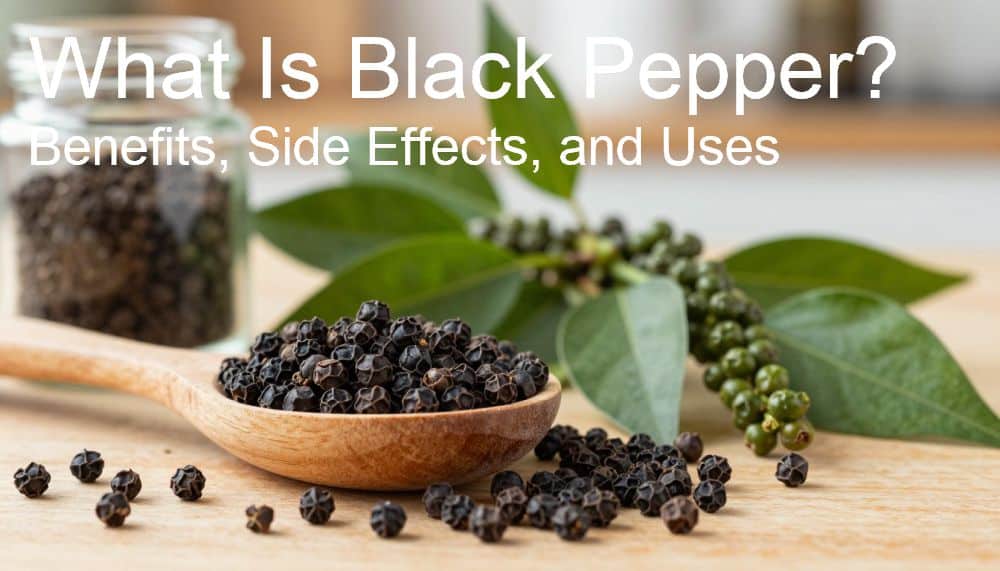
This article aims to provide a comprehensive overview of black pepper, exploring its benefits, potential side effects, and various uses. By delving into the properties of this ancient spice, we can better understand its role in both cooking and health.
Key Takeaways
- Black pepper is a widely used spice with a rich history.
- It contains piperine, a compound with potential health benefits.
- The spice is valued for its flavor, preservative qualities, and medicinal properties.
- Understanding black pepper’s benefits and side effects can enhance its use.
- Black pepper’s significance extends beyond culinary applications.
The Origin and History of Black Pepper
The story of black pepper is one of ancient trade routes, cultural exchange, and culinary significance. Black pepper, known as the “king of spices,” has been a cornerstone of various cultures for millennia.
The “King of Spices”: Cultural Significance
Black pepper’s cultural significance extends beyond its use as a spice. It has been a symbol of wealth, a form of currency, and a staple in various cuisines around the world. Its title as the “king of spices” is not just a testament to its popularity but also to its historical value.
From Ancient Trade Routes to Modern Kitchens
Black pepper’s journey from ancient trade routes to modern kitchens is a tale of continuous adaptation and demand. Originating in India, black pepper was traded extensively along the ancient spice routes, reaching the Mediterranean and beyond. Today, it remains a staple in kitchens worldwide, valued for its flavor and preservative qualities.
The historical significance of black pepper is also reflected in its economic value. At times, it was used as a form of currency, and its trade played a significant role in shaping global commerce.
Understanding Black Pepper: Botanical Profile and Composition
Understanding the botanical profile of black pepper involves exploring the Piper Nigrum plant and its components. Black pepper, derived from the dried fruits of this plant, is renowned for its culinary and medicinal properties.
Piper Nigrum: The Black Pepper Plant
The Piper Nigrum plant is a flowering vine native to tropical regions. It is cultivated for its peppercorns, which are harvested at different stages of maturity to produce various types of pepper.
Piperine: The Active Compound
Piperine is the primary active compound in black pepper, responsible for its pungency and many of its health benefits. It has been shown to have antioxidant and anti-inflammatory properties.
Nutritional Profile and Compounds
Black pepper is not just a simple spice; it contains a variety of compounds that contribute to its nutritional profile. Some of the key compounds include:
- Piperine: As mentioned, it’s the active compound responsible for black pepper’s health benefits.
- Vitamins and minerals: Black pepper is a source of vitamins such as vitamin K and minerals like manganese.
- Antioxidants: It contains antioxidants that help protect against cell damage.
The combination of these compounds makes black pepper a valuable addition to a healthy diet.
Types of Black Pepper and Their Differences
Black pepper is one of the most versatile spices, available in various forms that cater to different culinary needs. The diversity in black pepper types allows for a wide range of applications in cooking and food preparation.
Black, White, and Green Peppercorns
Black peppercorns are the most commonly used type, known for their sharp, pungent flavor. White peppercorns, on the other hand, are made from ripe peppercorns with their outer shell removed, offering a milder taste. Green peppercorns are harvested before they ripen and have a fresh, slightly sweet flavor.
Ground Pepper vs. Whole Peppercorns
Ground pepper is more convenient for everyday use, as it can be directly added to dishes. Whole peppercorns, however, retain their flavor longer and can be freshly ground as needed, providing a more vibrant taste.
Black Pepper Oil and Extracts
Black pepper oil is extracted from peppercorns and is used for its medicinal and culinary properties. Black pepper extracts, rich in piperine, are often used in dietary supplements for their potential health benefits.
| Type of Black Pepper | Characteristics | Uses |
|---|---|---|
| Black Peppercorns | Sharp, pungent flavor | Cooking, seasoning |
| White Peppercorns | Milder taste | Dishes where black pepper is not desired visually |
| Green Peppercorns | Fresh, slightly sweet | Sauces, marinades |
| Ground Pepper | Convenient, easy to use | Everyday cooking |
| Black Pepper Oil | Medicinal and culinary properties | Aromatherapy, cooking |
| Black Pepper Extracts | Rich in piperine | Dietary supplements |
Health Benefits of Black Pepper
The health benefits of black pepper extend far beyond its role as a flavor enhancer in cooking. This spice has been a cornerstone in traditional medicine for its numerous health-promoting properties.
Powerful Antioxidant Properties
Black pepper is rich in antioxidants, which play a crucial role in protecting the body against free radicals. Antioxidants help in reducing oxidative stress, thereby lowering the risk of chronic diseases such as heart disease, diabetes, and certain cancers. The antioxidant properties of black pepper also contribute to healthier skin and overall well-being.
Anti-inflammatory Effects
Black pepper contains piperine, a compound known for its anti-inflammatory properties. Piperine has been shown to reduce inflammation in the body, which is beneficial for individuals suffering from conditions like arthritis. By mitigating inflammation, black pepper can help in managing pain and improving quality of life.
Digestive Health Support
The active compounds in black pepper have been found to support digestive health. Black pepper stimulates the digestive enzymes, enhancing the digestion process and preventing digestive disorders. It also helps in relieving symptoms of gas and bloating, promoting a healthy gastrointestinal system.
Brain Health and Cognitive Function
Emerging research suggests that black pepper may have neuroprotective effects, potentially benefiting brain health. The bioactive compounds in black pepper may help in improving cognitive function and memory. Additionally, black pepper’s antioxidant properties may play a role in reducing the risk of neurodegenerative diseases.
Heart Health Benefits
Black pepper has been associated with several heart health benefits, primarily due to its antioxidant and anti-inflammatory properties. It helps in improving blood lipid profiles and reducing blood pressure, both of which are risk factors for heart disease. By incorporating black pepper into your diet, you may contribute to a healthier cardiovascular system.
Black Pepper and Nutrient Absorption
Piperine, the active compound in black pepper, has been shown to significantly enhance the bioavailability of various nutrients. This enhancement is crucial for ensuring that the body receives the necessary components for optimal health.
How Piperine Enhances Bioavailability
Piperine works by inhibiting certain enzymes in the gut that break down nutrients, thereby increasing their absorption. This process not only improves the bioavailability of nutrients from food but also enhances the effectiveness of nutritional supplements.
Combining Black Pepper with Other Foods and Supplements
To maximize nutrient absorption, it is beneficial to consume black pepper alongside other foods and supplements. For instance, adding black pepper to turmeric dishes can significantly enhance the bioavailability of curcumin, turmeric’s active compound. Here are some beneficial combinations:
- Black pepper with turmeric to enhance curcumin absorption
- Black pepper with vitamin C-rich foods to boost iron absorption
- Black pepper with fat-soluble vitamins to improve their absorption
Scientific Evidence for Absorption Enhancement
Numerous studies have demonstrated the efficacy of piperine in enhancing nutrient absorption. For example, research has shown that piperine can increase the bioavailability of curcumin by up to 2,000%. The scientific evidence supports the inclusion of black pepper in meals to maximize nutritional benefits.
In conclusion, the piperine in black pepper plays a vital role in enhancing nutrient absorption, making it a valuable spice for overall health.
Black Pepper for Weight Management and Metabolism
Black pepper, a staple spice in many cuisines, is now being recognized for its role in weight management and metabolic benefits. The active compound piperine has been shown to influence various physiological processes that can aid in weight loss and improve metabolic health.
Effects on Fat Cells and Metabolism
Research has indicated that piperine can affect fat cells by inhibiting the formation of new fat cells and enhancing the breakdown of existing fat. This dual action can contribute to weight management. Additionally, piperine has been found to improve metabolic rate, which can further support weight loss efforts.
Role in Weight Loss Regimens
Incorporating black pepper into a weight loss regimen can be beneficial. The spice can be used to enhance the bioavailability of other nutrients in food, potentially amplifying the effects of a healthy diet. Moreover, black pepper can add flavor to meals without adding calories, making it a valuable addition to a weight management diet.
Recommended Usage for Metabolic Benefits
To reap the metabolic benefits of black pepper, it is recommended to consume it regularly as part of a balanced diet. A daily intake of about 5-10 mg of piperine (approximately 1/4 to 1/2 teaspoon of black pepper) is considered safe and potentially effective.
| Benefit | Description |
|---|---|
| Fat Cell Inhibition | Piperine inhibits the formation of new fat cells. |
| Metabolic Rate Improvement | Piperine enhances metabolic rate, supporting weight loss. |
| Bioavailability Enhancement | Black pepper enhances the bioavailability of other nutrients. |
By incorporating black pepper into your daily meals, you can potentially support your weight management goals and improve your overall metabolic health.
Potential Side Effects and Precautions
While black pepper is generally considered safe, excessive consumption can lead to adverse effects. It is essential to be aware of these potential issues to enjoy the benefits of black pepper while minimizing risks.
Common Side Effects of Excessive Consumption
Consuming too much black pepper can cause stomach upset, including gastric irritation and heartburn. Some individuals may also experience allergic reactions, such as skin rashes or respiratory issues. It is crucial to monitor your body’s response to black pepper and adjust your consumption accordingly.
Drug Interactions and Contraindications
Black pepper, particularly its active compound piperine, can interact with certain medications, such as anticoagulants and antibiotics. Individuals on medication should consult their healthcare provider before significantly increasing their black pepper intake. Additionally, those with certain health conditions, like gastroesophageal reflux disease (GERD), should be cautious.
Safe Dosage and Consumption Limits
There is no established toxicity level for black pepper, but moderation is key. The average daily intake from culinary use is generally safe. However, supplementing with black pepper or piperine requires careful consideration and consultation with a healthcare professional.
Special Considerations for Certain Health Conditions
Individuals with gastrointestinal issues or bleeding disorders should be particularly cautious with their black pepper consumption. Pregnant or breastfeeding women should also consult their healthcare provider before making any significant changes to their diet.
Culinary Uses of Black Pepper
The versatility of black pepper makes it a fundamental component in many culinary traditions. Its ability to enhance flavors without overpowering other ingredients has made it a staple in kitchens around the world.
Black Pepper in Various World Cuisines
Black pepper is used in a variety of cuisines, from the spicy dishes of India to the sophisticated sauces of French cuisine. In Indian cooking, it’s often combined with other spices to create complex blends like garam masala. Meanwhile, in French cuisine, black pepper is a key ingredient in peppercorn sauces served with steak.

Cooking Techniques to Maximize Flavor
To maximize the flavor of black pepper, it’s essential to use the right cooking techniques. Grinding peppercorns just before use releases their full aroma and flavor. Additionally, toasting whole peppercorns before grinding can enhance their depth of flavor.
Ideal Food Pairings and Recipes
Black pepper pairs well with a wide range of foods, including meats, vegetables, and legumes. A classic combination is black pepper and steak, where the pepper enhances the beef’s natural flavors. It’s also a key ingredient in many soups and stews, adding warmth and depth.
Storage Tips for Maintaining Freshness
To maintain the freshness of black pepper, it’s crucial to store it properly. Whole peppercorns should be kept in a cool, dark place in an airtight container. Ground pepper, being more susceptible to losing its flavor, should be used within a few months of grinding.
By incorporating black pepper into your cooking and following proper storage techniques, you can elevate your dishes and enjoy the full benefits of this versatile spice.
Conclusion: Making the Most of Black Pepper in Your Daily Life
Black pepper is more than just a seasoning; it’s a powerhouse of nutrition and health benefits. By understanding its origin, composition, and various uses, you can unlock its full potential in your daily life.
Incorporating black pepper into your meals can enhance nutrient absorption, support digestive health, and even aid in weight management. With its rich antioxidant properties and anti-inflammatory effects, black pepper can be a valuable addition to your diet.
To make the most of black pepper, experiment with different types, such as whole peppercorns or ground pepper, and explore various cuisines that feature black pepper as a key ingredient. By doing so, you can not only add flavor to your dishes but also reap the benefits of black pepper in your daily life.
FAQ
What are the health benefits of consuming black pepper?
Black pepper offers numerous health benefits, including antioxidant properties, anti-inflammatory effects, and support for digestive, brain, and heart health. The active compound piperine is responsible for many of these benefits.
How does black pepper enhance nutrient absorption?
Piperine in black pepper enhances the bioavailability of nutrients, making it easier for the body to absorb essential vitamins and minerals. Combining black pepper with other foods and supplements can maximize this effect.
Can black pepper aid in weight management?
Black pepper may help with weight management by affecting fat cells and metabolism. The recommended usage for metabolic benefits varies, but incorporating black pepper into a weight loss regimen may be beneficial.
What are the potential side effects of excessive black pepper consumption?
Excessive consumption of black pepper can lead to common side effects such as digestive issues. It’s also important to be aware of potential drug interactions and contraindications, especially for individuals with certain health conditions.
How can black pepper be used in cooking?
Black pepper is a versatile spice used in various world cuisines. It can be used to maximize flavor in different cooking techniques, and paired with a range of foods in various recipes.
What is the difference between black, white, and green peppercorns?
Black, white, and green peppercorns differ in their processing and flavor profiles. Understanding these differences can help in choosing the right type of pepper for specific culinary applications.
Is black pepper safe to consume in large amounts?
While black pepper is generally safe, consuming it in large amounts may cause adverse effects. It’s essential to be aware of safe dosage and consumption limits to avoid potential side effects.
Can black pepper interact with medications?
Black pepper, particularly piperine, may interact with certain medications. It’s crucial to consult with a healthcare professional before consuming black pepper, especially if you’re taking medications or have underlying health conditions.
How should black pepper be stored to maintain its freshness?
To maintain the freshness of black pepper, it’s recommended to store it in a cool, dry place, away from direct sunlight. Proper storage can help preserve the flavor and aroma of black pepper.