

Cortisol, often dubbed the stress hormone, plays a pivotal role in the body’s response to various stressors. While essential for certain functions, maintaining optimal cortisol levels is crucial for overall health. This article explores the importance of cortisol, the consequences of high levels, and effective strategies to regulate it.

Cortisol Levels and Their Importance
Understanding Cortisol Level
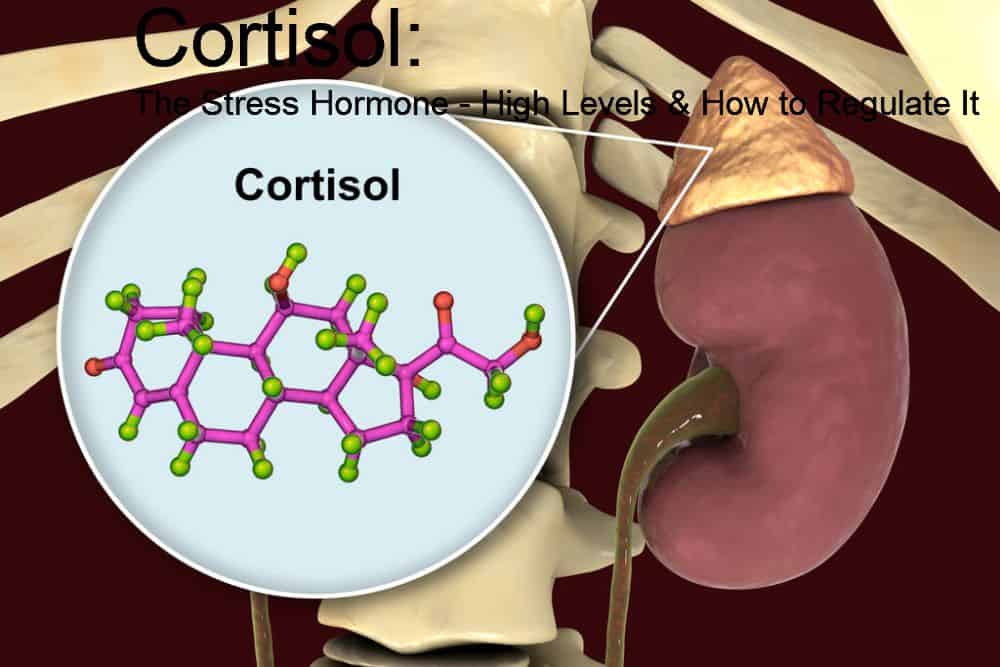
The level of cortisol, a steroid hormone produced by the adrenal gland, is measured to assess adrenal function and diagnose certain medical conditions. A cortisol test, often performed through a blood test, determines the amount of cortisol in your blood. These cortisol levels in the blood fluctuate throughout the day, with the highest levels typically in the morning.
Functions of Cortisol in the Body
Cortisol is vital because it participates in numerous bodily functions, including:
- Regulating blood sugar levels
- Managing the stress response
- Impacting immune function
- Helping to regulate blood pressure
What Happens with High Cortisol Levels?
High cortisol levels, often a result of chronic stress or certain medical conditions, can wreak havoc on the body. Some of the symptoms associated with elevated cortisol include:
- High blood pressure
- High blood sugar
- Weight gain
Prolonged periods of increased cortisol levels can lead to more serious health issues, such as Cushing syndrome.
What Is the Function of Cortisol?
How does cortisol affect my body?
Cortisol is a hormone that affects nearly every organ in your body. It influences your sleep-wake cycle, manages how your body uses carbohydrates, fats, and proteins, and helps control inflammation. When cortisol is released in response to stress, it provides a surge of energy and sharpens focus, but chronically elevated cortisol can cause harm.
What causes high levels of cortisol?
Here are several factors that can contribute to elevated cortisol levels. The causes may include:
- Chronic stress, due to the constant activation of the stress response.
- Tumors and certain medications.
What causes low levels of cortisol?
Low cortisol levels, indicative of adrenal insufficiency, can result from damage to the adrenal gland or problems with the pituitary gland. This condition, known as Addison’s disease, impairs the body’s ability to release cortisol. Symptoms of low cortisol levels include fatigue, muscle weakness, and weight loss, requiring medical intervention to regulate cortisol levels.
Causes of High Cortisol Levels
Chronic Stress as a Primary Cause
Chronic stress is a significant contributor to elevated cortisol levels. When the body experiences prolonged stress, the hypothalamus and pituitary gland continuously signal the adrenal gland to increase cortisol production. This sustained activation of the stress response can lead to consistently high cortisol levels, disrupting the body’s natural hormonal balance. Over time, this can manifest in various health problems associated with high cortisol levels.
Other Factors Contributing to High Levels
Besides chronic stress, several other factors can contribute to high cortisol levels. Tumors, medical conditions such as Cushing syndrome, and certain medications can disrupt normal hormone regulation.
The Role of Lifestyle in Cortisol Levels
Lifestyle choices play a crucial role in regulating cortisol levels. Poor sleep habits, an unhealthy diet, and lack of regular physical activity can all contribute to high levels of cortisol. Conversely, adopting healthy lifestyle habits can help to regulate cortisol levels and mitigate the negative impacts of the stress response on the body.
Symptoms and Effects of High Cortisol Levels
Identifying Symptoms of High Cortisol
Recognizing the symptoms of high cortisol levels is crucial for early intervention and management. Common symptoms include weight gain, particularly around the abdomen, a rounded face, and thinning skin. Other signs may include high blood pressure, high blood sugar, muscle weakness, and easy bruising.
Long-term Effects of Elevated Cortisol
Prolonged exposure to high cortisol levels can have significant long-term effects on overall health. Increased cortisol levels can suppress the immune system and contribute to bone loss, increasing the risk of osteoporosis and cardiovascular problems.
Impact on Mental Health
The impact of high cortisol levels extends beyond physical health, significantly affecting mental well-being. High levels of cortisol can contribute to mood swings, anxiety, and depression.
Regulating Cortisol Levels
Effective Strategies to Regulate Cortisol
To regulate cortisol levels, various effective strategies can be implemented. Stress management techniques, ensuring adequate sleep, maintaining a healthy diet, and engaging in regular physical activity are crucial for hormonal balance.
Diet and Nutrition for Lowering Cortisol
Diet and nutrition play a significant role in lowering cortisol. Consuming a balanced diet, avoiding excessive caffeine and alcohol intake, and incorporating foods high in omega-3 fatty acids may help to regulate cortisol levels.
The Role of Exercise in Cortisol Management
Exercise is a powerful tool in cortisol management. Regular physical activity can help reduce the stress response and regulate cortisol levels. However, it’s essential to avoid overtraining, as excessive exercise can paradoxically increase cortisol production.
Consequences of Low Cortisol Levels
Understanding Low Levels of Cortisol
Low cortisol levels, also known as adrenal insufficiency, occur when the adrenal gland doesn’t produce enough cortisol. This condition can result from various factors, including damage to the adrenal gland or issues with the pituitary gland, which controls cortisol production.
Symptoms Associated with Little Cortisol
Symptoms associated with low cortisol can vary in severity but often include fatigue, muscle weakness, weight loss, and abdominal pain. Individuals with low cortisol levels may also experience dizziness, low blood pressure, and increased sensitivity to stress. Adrenal insufficiency, if left untreated, can lead to an adrenal crisis, a life-threatening condition requiring immediate medical attention. Thus, recognizing these symptoms is essential for early diagnosis and treatment.
When to Seek Medical Advice
If you suspect you have low cortisol levels or are experiencing related symptoms, seeking medical advice is crucial. A healthcare professional can conduct a cortisol test and perform additional tests to assess adrenal function and rule out other medical conditions.
Conclusion
In conclusion, maintaining optimal cortisol levels is essential for overall health and well-being. By adopting effective stress management techniques, making informed lifestyle choices, and seeking timely medical advice, individuals can regulate cortisol levels and mitigate the potential negative impacts of high or low cortisol on their health.