

The digestive system is essential for breaking down food, absorbing nutrients, and eliminating waste. When this intricate system malfunctions, it can lead to a range of uncomfortable and sometimes debilitating conditions. This article explores common digestive system diseases and gastrointestinal disorders, shedding light on their causes, symptoms, and the importance of maintaining digestive health.

Overview of the Digestive System
Structure and Function of the Digestive System
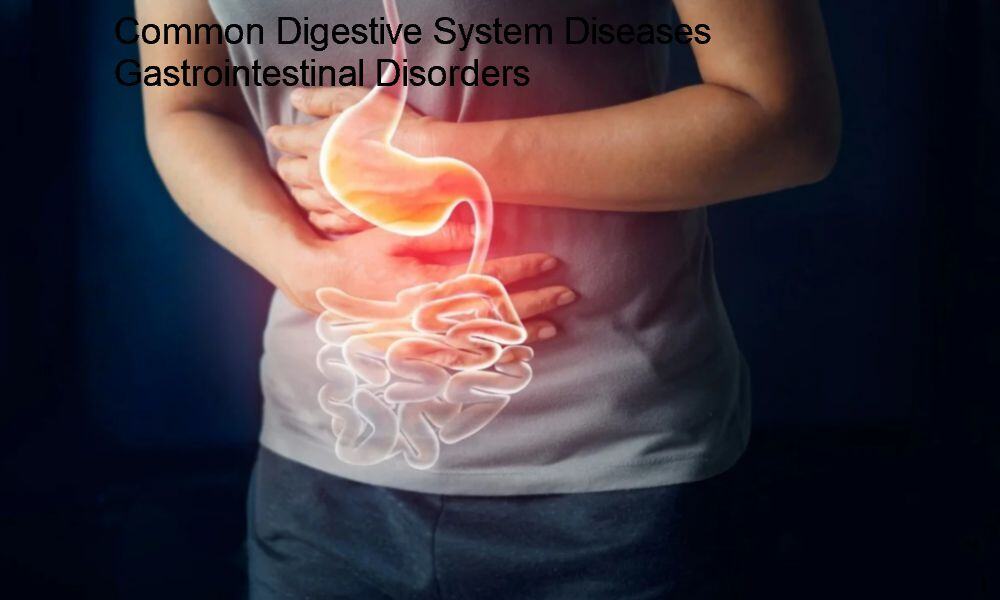
The digestive system, also known as the gastrointestinal (GI) tract, is a complex network of organs working in harmony to process food. Starting from the mouth and extending to the anus, this digestive tract includes the esophagus, stomach, small intestine, large intestine, liver, pancreas, and rectum. Each organ plays a vital role in breaking down food, absorbing nutrients, and eliminating waste. When the digestive system functions smoothly, the body receives the necessary fuel and building blocks for optimal health.
Common Digestive Problems
Many individuals experience digestive problems at some point in their lives. These common digestive issues can range from mild discomfort to chronic conditions. Common symptoms such as abdominal pain, heartburn, diarrhea, and constipation are often indicative of an underlying digestive disorder. These issues can significantly impact quality of life and may require medical intervention to manage the symptoms and address the root cause.
Importance of Digestive Health
Maintaining digestive health is crucial for overall well-being. A healthy digestive system ensures efficient nutrient absorption, supports a strong immune system, and contributes to mental and emotional health. When the digestive system is compromised, it can lead to various digestive system diseases and gastrointestinal disorders, impacting the body’s ability to function optimally. Therefore, prioritizing digestive health through proper diet, lifestyle choices, and medical care is essential for a healthy life.
Common Digestive Disorders
Irritable Bowel Syndrome (IBS)
Irritable Bowel Syndrome (IBS) is a common digestive disorder that affects the large intestine. IBS is classified as one of the functional GI disorders, meaning there are no structural abnormalities in the digestive system that can be identified as the cause. Despite the absence of visible damage, IBS causes symptoms such as abdominal pain, bloating, gas, and changes in bowel movement habits, including diarrhea and constipation. IBS symptoms can include varying severity and frequency, significantly impacting an individual’s quality of life.
Inflammatory Bowel Disease (IBD)
Inflammatory Bowel Disease (IBD) is a term for a group of disorders involving chronic inflammation of the digestive tract. The two primary forms of IBD are ulcerative colitis and Crohn’s disease. Unlike IBS, IBD involves structural abnormalities in the digestive system. IBD can cause symptoms like persistent diarrhea, abdominal pain, rectal bleeding, weight loss, and fatigue. Managing IBD often requires long-term medical care, including medication and lifestyle adjustments, to control inflammation and alleviate symptoms.
Ulcerative Colitis
Ulcerative colitis is a chronic inflammatory condition that affects the lining of the large intestine and rectum. This digestive disease is characterized by inflammation and ulcer formation, leading to symptoms such as abdominal pain, frequent bowel movements, urgency to defecate, and bloody stools. The inflammation typically starts in the rectum and can spread continuously throughout the colon. The exact cause is unknown, but it is thought to involve a combination of genetic predisposition, immune system attacks, and environmental factors.
Gastroesophageal Reflux Disease (GERD)
Causes and Symptoms of GERD
Gastroesophageal Reflux Disease (GERD), also known as acid reflux disease, is a common digestive condition characterized by the backflow of stomach acid into the esophagus. This digestive disorder occurs when the lower esophageal sphincter (LES), which normally prevents stomach contents from flowing back up, becomes weak or relaxes inappropriately. The reflux of acid irritates the lining of the esophagus, leading to uncomfortable symptoms. Common symptoms of GERD include heartburn, regurgitation, chest pain, difficulty swallowing, and a sour taste in the mouth.
Treatment Options for GERD
Here are several treatment options available to manage GERD and alleviate its symptoms. Lifestyle modifications play a crucial role, and these include:
- Elevating the head of the bed.
- Avoiding trigger foods such as fatty foods, caffeine, and alcohol.
- Eating smaller meals and not lying down immediately after eating.
Beyond these changes, over-the-counter medications like antacids can provide temporary relief by neutralizing stomach acid. However, for more persistent or severe symptoms, prescription medications such as H2 receptor antagonists or proton pump inhibitors (PPIs) may be necessary to reduce acid production in the stomach.
Long-term Effects of Untreated GERD
If left untreated, GERD can lead to several complications that can affect the gastrointestinal tract. Chronic inflammation of the esophagus due to frequent acid reflux can cause esophagitis, a condition characterized by inflammation and irritation of the esophageal lining. Over time, this can lead to the development of esophageal ulcers, which are open sores that can cause pain and bleeding. In some cases, chronic GERD can also increase the risk of Barrett’s esophagus, a precancerous condition where the normal esophageal lining is replaced by tissue similar to the intestinal lining.
Specific Digestive Conditions
Celiac Disease
Celiac disease is an autoimmune disorder triggered by gluten consumption, a protein found in wheat, barley, and rye. This digestive disease damages the small intestine lining, hindering nutrient absorption. Common symptoms include diarrhea, abdominal pain, bloating, fatigue, and weight loss. Diagnosis involves blood tests and intestinal biopsy. Managing celiac disease requires strict adherence to a gluten-free diet to allow the intestine to heal and prevent further damage.
Digestive Ulcers
Digestive ulcers are sores that develop in the lining of the stomach, esophagus, or small intestine. These ulcers can be caused by bacterial infection with Helicobacter pylori (H. pylori) or the prolonged use of nonsteroidal anti-inflammatory drugs (NSAIDs). Common symptoms include abdominal pain, heartburn, bloating, and nausea. Treatment typically involves antibiotics to eradicate H. pylori, acid-reducing medications to promote healing, and lifestyle adjustments, such as avoiding alcohol and smoking.
Diarrhea and Constipation
Diarrhea and constipation are common digestive problems that affect bowel movements. Diarrhea is characterized by frequent, loose, watery stools, while constipation involves infrequent or difficult bowel movements. Both conditions can be caused by various factors, including diet, infection, medication, and underlying gastrointestinal disorders like irritable bowel syndrome. Managing diarrhea involves staying hydrated and avoiding irritating foods, while managing constipation includes increasing fiber intake and staying physically active.
Managing Digestive System Diseases
Dietary Changes and Nutrition
Dietary changes and proper nutrition play a crucial role in managing digestive system diseases. Identifying and avoiding trigger foods that exacerbate symptoms is essential for many conditions, such as irritable bowel syndrome (IBS) and gastroesophageal reflux disease (GERD). A balanced diet rich in fiber, probiotics, and fluids can support gut health and alleviate common symptoms like constipation, bloating, and abdominal pain.
Medication and Treatment Approaches
Medication and various treatment approaches are available to manage digestive system diseases. Over-the-counter medications like antacids and laxatives can provide relief for mild symptoms, while prescription drugs such as proton pump inhibitors (PPIs) and anti-inflammatory agents may be necessary for more severe conditions like GERD and inflammatory bowel disease (IBD). In some cases, surgery may be required to address structural abnormalities in the digestive tract.
When to Seek Medical Advice
Seeking medical advice is essential when experiencing persistent or severe digestive symptoms. Common symptoms such as abdominal pain, rectal bleeding, unexplained weight loss, or changes in bowel movement habits should prompt a visit to a healthcare professional. Early diagnosis and appropriate medical intervention can prevent complications and improve the overall management of digestive system diseases and gastrointestinal disorders, ensuring better quality of life. If IBS symptoms worsen over time, it is wise to consult a doctor.