







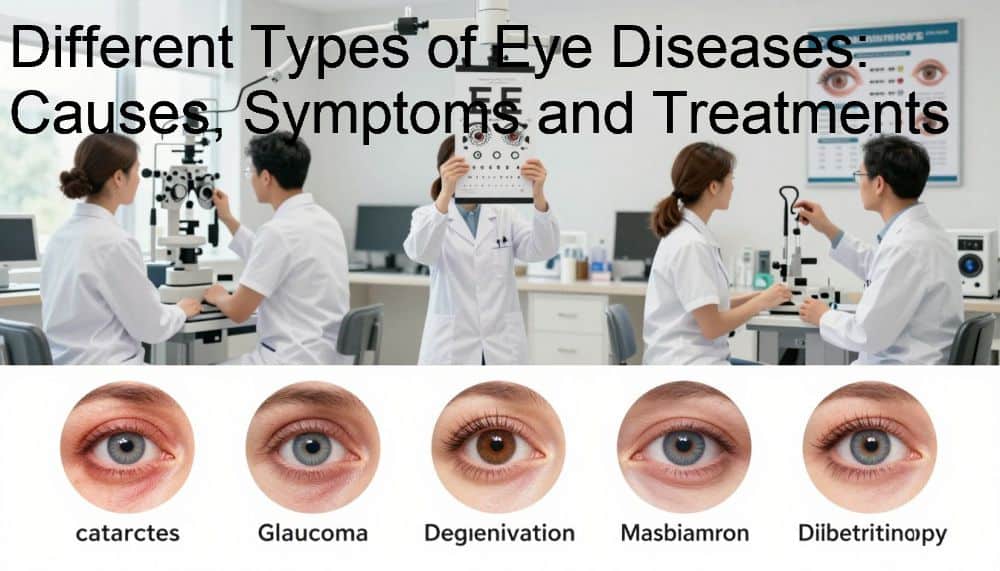

Our sight is a precious gift that helps us navigate the world every day. Focusing on eye health is essential for maintaining a high quality of life. Many individuals encounter various vision problems that can start without any clear warning signs or pain.
Professional vision care ensures that your sight remains sharp as you age. There are several types of eye diseases that can impact how you perceive colors or distances. Regular checkups are the best way to catch these issues before they cause permanent damage.
Staying informed about your optical wellness is the first step toward prevention. This guide will help you understand the risks and modern treatments available for your sight. Knowing the symptoms early helps you protect your most important sense for the future.
Key Takeaways
- Schedule regular annual exams to monitor your visual clarity.
- Identify common symptoms like sudden blurriness or light sensitivity.
- Maintain a healthy diet to support long-term optical wellness.
- Use protective eyewear to prevent physical injuries during activities.
- Seek immediate professional help if you experience sudden sight loss.
- Understand the link between overall body health and your sight.
Understanding Eye Health and Vision Problems
Vision problems can significantly impact one’s quality of life, making it essential to comprehend the factors that affect eye health. Various elements, including genetics, lifestyle, and environmental factors, can influence our vision and overall eye condition. Understanding these factors is crucial for maintaining good eye health and addressing common eye problems early on.
A vision problem can manifest in numerous ways, from blurred vision and double vision to more severe conditions that could lead to vision loss if not properly addressed. Regular eye exams play a pivotal role in detecting these issues early, allowing for timely intervention. An eye exam is not just about correcting vision; it’s also a window into our overall health, as many systemic conditions can be detected through changes in the eyes.
Maintaining good eye health involves a combination of regular check-ups, a healthy lifestyle, and protective measures. For instance, wearing sunglasses that protect against UV rays can prevent certain eye conditions. Moreover, a diet rich in nutrients beneficial for the eyes, such as omega-3 fatty acids and lutein, can support eye health.
By understanding the causes and symptoms of common eye problems, individuals can take proactive steps towards preserving their vision. This includes being aware of the risk factors for various eye conditions and knowing when to seek professional help. Regular eye exams are fundamental in this endeavor, serving as a critical tool in the early detection and management of vision problems.
Cataracts: Clouding of the Eye Lens
As people age, the risk of developing cataracts increases, making it a critical eye condition to understand. Cataracts are characterized by the clouding of the eye’s lens, which affects vision. This condition is prevalent among older adults but can also occur in younger individuals due to various factors.
What Causes Cataracts to Develop
Cataracts develop due to several factors, including:
- Aging: The most common cause, as the lens becomes less flexible and more prone to clouding.
- Injury: Trauma to the eye can cause cataract formation.
- Medical Conditions: Certain conditions like diabetes can increase the risk.
- Medications: Long-term use of steroids can contribute to cataract development.
Recognizing Cataract Symptoms
Symptoms of cataracts include:
- Blurry or cloudy vision
- Fading or yellowing of colors
- Double vision or ghosting
- Sensitivity to light
These symptoms can significantly impact daily activities, making early detection crucial.
Treatment Options for Cataracts
While cataracts cannot be prevented, treatment options are available:
- Glasses or Contact Lenses: Can help manage symptoms in early stages.
- Surgery: The definitive treatment, involving the removal of the cloudy lens and replacement with an artificial one.
Cataract surgery is a common and generally safe procedure, offering significant improvement in vision and quality of life.
Glaucoma: The Silent Thief of Sight
Often referred to as the “silent thief of sight,” glaucoma is a serious eye condition that can lead to vision loss without noticeable symptoms in its early stages. It is crucial to understand the risk factors, symptoms, and available treatments to manage this condition effectively.
Understanding Eye Pressure and the Optic Nerve
Glaucoma is primarily associated with increased intraocular pressure (IOP) that damages the optic nerve, the nerve that transmits visual information from the eye to the brain. High eye pressure is a significant risk factor, although glaucoma can occur even with normal eye pressure.
The optic nerve is crucial for vision, and damage to it is irreversible. Understanding the relationship between eye pressure and optic nerve health is vital for diagnosing and managing glaucoma.
Types of Glaucoma
There are several types of glaucoma, with the most common being:
- Open-angle glaucoma: The most common form, characterized by a slow clogging of the drainage canals, resulting in increased eye pressure.
- Angle-closure glaucoma: A less common form that occurs when the drainage canals are blocked or closed, leading to a sudden increase in eye pressure.
- Normal-tension glaucoma: A type where the optic nerve is damaged despite normal eye pressure.
Symptoms and Early Detection Challenges
Glaucoma often progresses without noticeable symptoms until significant vision loss has occurred. Symptoms may include:
- Peripheral vision loss
- Blurred vision
- Eye pain or headache
- Nausea and vomiting in acute cases
Early detection is challenging due to the lack of noticeable symptoms in the early stages, emphasizing the importance of regular eye exams.
Glaucoma Treatment and Management
Treatment options vary depending on the type and severity of glaucoma but may include:
| Treatment Option | Description |
|---|---|
| Medications | Eye drops or pills to reduce eye pressure |
| Laser Surgery | Procedures to improve drainage or reduce fluid production |
| Traditional Surgery | Surgical interventions to create new drainage channels |
Regular monitoring and adherence to treatment plans are crucial for managing glaucoma and preventing further vision loss.
Age-Related Macular Degeneration
AMD, or age-related macular degeneration, is a condition that affects the macula, the part of the eye responsible for central vision. The macula is crucial for tasks that require detailed vision, such as reading, driving, and recognizing faces. As AMD progresses, it can lead to significant vision loss, impacting an individual’s quality of life.
How Macular Degeneration Affects Central Vision
The macula is a small but vital part of the retina. When AMD damages the macula, it can cause blind spots or distorted vision in the central field of vision. This damage can make everyday activities challenging. For instance, reading and driving become difficult due to the loss of central vision.
Risk Factors and Causes of AMD
Several factors increase the risk of developing AMD. These include age, family history, smoking, and certain dietary habits. Understanding these risk factors can help in taking preventive measures. Research has shown that lifestyle changes, such as quitting smoking and adopting a healthy diet rich in leafy greens and omega-3 fatty acids, can reduce the risk of AMD.
Common Symptoms of Macular Degeneration
Early symptoms of AMD may include blurred vision, distorted vision (where straight lines appear wavy), and difficulty recognizing faces. As the condition progresses, these symptoms can worsen, leading to significant central vision loss. Regular eye exams are crucial for detecting AMD in its early stages.
Treatment Approaches for Dry and Wet AMD
There are two forms of AMD: dry and wet. Dry AMD is more common and progresses slowly, while wet AMD is more severe and can cause rapid vision loss. Treatment for dry AMD focuses on slowing its progression through lifestyle changes and nutritional supplements. Wet AMD treatments include anti-vascular endothelial growth factor (anti-VEGF) injections to reduce abnormal blood vessel growth.
By understanding AMD, its risk factors, symptoms, and treatment options, individuals can take proactive steps to protect their vision.
Diabetic Retinopathy: When Diabetes Affects Your Eyes
High blood sugar levels associated with diabetes can cause diabetic retinopathy, a condition that damages the blood vessels in the retina and potentially leads to vision loss. Diabetic retinopathy is a significant complication for people with diabetes, emphasizing the need for regular eye care and monitoring.
Damage to Blood Vessels in the Retina
High blood sugar levels can damage the blood vessels in the retina, leading to diabetic retinopathy. The retina, a layer at the back of the eyeball, is crucial for vision as it converts light into signals sent to the brain. When blood vessels in the retina are damaged, they can swell, leak, or even close, stopping blood from passing through. This damage can cause vision problems and, if left untreated, can lead to vision loss.
The process begins with the weakening of the blood vessel walls due to high glucose levels. Over time, this weakening can cause the vessels to bulge or leak, leading to the formation of scar tissue. In advanced cases, new, fragile blood vessels may grow in the retina, which can easily bleed, further complicating the condition.
Stages and Symptoms
Diabetic retinopathy progresses through stages, starting from mild to more severe forms. The early stage, known as non-proliferative diabetic retinopathy (NPDR), is characterized by the presence of tiny bulges in the blood vessels, known as microaneurysms, and possible swelling of the retina. As the condition advances to proliferative diabetic retinopathy (PDR), new blood vessels form, and there’s a higher risk of significant vision loss due to bleeding or retinal detachment.
Symptoms may not be noticeable in the early stages, making regular eye exams crucial for early detection. As diabetic retinopathy progresses, symptoms can include floaters, blurred vision, and eventually, loss of vision.
Prevention and Treatment
Preventing diabetic retinopathy involves managing diabetes through maintaining healthy blood sugar levels, regular physical activity, and a balanced diet. Regular eye exams are critical for detecting the condition early, when it’s more treatable.
Treatment options vary depending on the stage of diabetic retinopathy. Early stages may be managed with careful monitoring and control of blood sugar levels. Advanced cases might require laser surgery to stop or slow the progression of the disease, or injections of medications into the eye to reduce swelling and prevent new blood vessel growth.
Managing diabetes effectively and maintaining regular eye care check-ups are key to preventing vision loss from diabetic retinopathy. By understanding the risks and taking proactive steps, individuals with diabetes can protect their vision and overall health.
Common Types of Eye Diseases: Infections and Inflammation
The eyes are susceptible to various infections and inflammatory diseases that can cause discomfort and vision problems. These conditions can range from mild to severe and often require prompt medical attention to prevent complications.
Pink Eye (Conjunctivitis)
Conjunctivitis, commonly known as pink eye, is an inflammation or infection of the outer membrane of the eyeball and the inner eyelid. It is a common condition that can affect people of all ages.
Causes of Pink Eye
Pink eye can be caused by viral or bacterial infections, allergies, or exposure to irritants. Viral conjunctivitis is highly contagious and often associated with a cold or other viral infections.
Symptoms and Treatment Options
Symptoms include redness, itching, and discharge. Treatment depends on the cause; viral conjunctivitis usually resolves on its own, while bacterial conjunctivitis may require antibiotic eye drops.
- Redness and swelling of the eye
- Itching or burning sensation
- Discharge or crusting
Dry Eye Syndrome
Dry eye syndrome occurs when the eyes do not produce enough tears or when the tears are of poor quality. This condition can lead to discomfort and vision problems.
Understanding Dry Eye Causes
Dry eye can be caused by aging, certain medications, and environmental factors like dry air or prolonged screen time.
Managing Dry Eye with Treatments
Treatment options include artificial tears, lifestyle changes, and in some cases, punctal plugs to conserve tears.
- Use artificial tears regularly
- Avoid dry environments
- Take breaks during prolonged screen time
Other Common Eye Infections
Other infections include blepharitis, an inflammation of the eyelids, and keratitis, an inflammation of the cornea. These conditions can cause significant discomfort and may require medical treatment.
Refractive Errors and Vision Problems
Refractive errors, including myopia, hyperopia, and astigmatism, are widespread vision problems that can be effectively managed with the right treatment. These conditions occur when the shape of the eye does not bend light correctly, resulting in blurred vision.
Understanding Myopia, Hyperopia, and Astigmatism
Myopia, or nearsightedness, is a condition where close objects are seen clearly, but distant objects appear blurry. This occurs when the eyeball is too long or the cornea is too steep. Myopia can be corrected with glasses, contact lenses, or refractive surgery.
Hyperopia, or farsightedness, is the opposite of myopia. People with hyperopia can see distant objects clearly, but objects up close appear blurry. This condition is often due to a shorter eyeball or a cornea that is not steep enough.
Astigmatism is a refractive error caused by an irregularly shaped cornea or lens inside the eye. This irregular shape prevents light from being focused correctly on the retina, leading to blurred or distorted vision at all distances.
Symptoms of Refractive Errors
The symptoms of refractive errors can vary depending on the type and severity of the condition. Common symptoms include:
- Blurred vision
- Headaches
- Eye strain
- Difficulty seeing at night
- Squinting
Correction Options: Glasses, Contact Lenses, and Surgery
Refractive errors can be corrected with various methods, including glasses, contact lenses, and surgery. The choice of correction depends on the type and severity of the refractive error, as well as personal preference.
| Correction Method | Description | Suitability |
|---|---|---|
| Glasses | Correct vision by refracting light properly | Myopia, Hyperopia, Astigmatism |
| Contact Lenses | Placed directly on the eye to correct vision | Myopia, Hyperopia, Astigmatism |
| Refractive Surgery | Surgical procedures to reshape the cornea | Myopia, Hyperopia, Astigmatism |
Other Serious Eye Conditions and Eye Problems
Beyond common vision problems, there are several serious eye conditions that can significantly impact one’s quality of life. These conditions often require prompt medical attention to prevent severe and potentially irreversible vision loss.
Retinal Detachment
Retinal detachment is a medical emergency where the retina separates from the back of the eye. This condition can cause severe vision loss if not treated promptly.
Causes and Risk Factors
The retina can detach due to various factors, including aging, eye trauma, or certain eye diseases like diabetic retinopathy. Individuals with a history of retinal detachment in the other eye, family history, or severe nearsightedness are at higher risk.
Warning Symptoms and Emergency Treatment
Symptoms include sudden flashes of light, an increase in eye floaters, and a shadow or curtain descending over the field of vision. Immediate medical attention is crucial. Treatment often involves surgery to reattach the retina.
Lazy Eye (Amblyopia)
Lazy eye, or amblyopia, is a condition where one eye has reduced vision due to abnormal development in the visual pathway of the brain. It typically develops during childhood.
How Amblyopia Develops
Amblyopia can result from strabismus (crossed eyes), significant differences in prescription between the two eyes, or anything that prevents one eye from seeing clearly during critical developmental periods.
Treatment in Children and Adults
Treatment involves forcing the brain to use the weaker eye by patching the stronger eye or using atropine eye drops to blur the stronger eye. Early treatment is more effective, but adults can also benefit from certain therapies.
Strabismus and Eye Muscle Problems
Strabismus refers to the misalignment of the eyes, where the eyes point in different directions. It can be caused by issues with the eye muscles or the nerves controlling them.
Strabismus can lead to amblyopia if not treated. Treatment options include glasses, vision therapy, or surgery to align the eyes properly.
Preventing Vision Loss Through Regular Eye Care
The key to preserving your vision lies in adopting a proactive approach to eye health through regular examinations and protective measures. By understanding the importance of comprehensive eye care, individuals can significantly reduce the risk of vision loss and maintain healthy vision throughout their lives.
Comprehensive Eye Examinations
Comprehensive eye examinations are a crucial component of maintaining good eye health. These exams go beyond simple vision tests, checking for signs of eye diseases and assessing the overall health of your eyes. Regular eye exams can detect issues before symptoms arise, allowing for early intervention and treatment.
During a comprehensive eye exam, an eye care professional will evaluate your vision, check for refractive errors, and examine the health of your retina and optic nerve. This thorough assessment can help identify potential problems early on, when they are more treatable.
Early Detection and Treatment Benefits
Early detection of eye diseases is critical for effective treatment and preventing vision loss. Many eye conditions, such as glaucoma and diabetic retinopathy, can be managed or slowed with prompt treatment. Regular eye exams are essential for identifying these conditions in their early stages.
| Condition | Early Detection Benefits | Treatment Options |
|---|---|---|
| Glaucoma | Slows disease progression | Medications, laser surgery |
| Diabetic Retinopathy | Prevents vision loss | Laser photocoagulation, anti-VEGF injections |
| Age-related Macular Degeneration | Delays vision loss | Anti-VEGF injections, lifestyle changes |
Daily Habits to Maintain Good Eye Health
Maintaining good eye health involves more than just regular eye exams. Daily habits can significantly impact your eye health. Eating a balanced diet rich in eye-friendly nutrients, such as omega-3 fatty acids and leafy greens, can support eye health.
- Wear sunglasses with UV protection to shield your eyes from harmful rays
- Take regular breaks when working on digital screens to reduce eye strain
- Maintain a healthy lifestyle, including regular exercise and not smoking
Eye Protection and Injury Prevention
Protecting your eyes from injury is a critical aspect of maintaining eye health. Wearing protective eyewear during activities that could potentially harm your eyes is essential. This includes sports, DIY projects, and working with chemicals.
By combining regular eye care with protective measures and healthy habits, individuals can significantly reduce their risk of vision loss and maintain healthy vision for years to come.
When to See an Eye Care Professional
Understanding when to seek the expertise of an eye care professional is vital for preventing vision loss and maintaining healthy vision. Regular eye care is not just about correcting vision problems; it’s also about maintaining the overall health of your eyes.
Warning Signs That Require Immediate Attention
Certain symptoms indicate that you should seek immediate attention from an eye care professional. These include:
- Sudden loss of vision or double vision
- Eye pain or redness
- Flashes of light or floaters
- Blurred vision or distorted vision
It’s crucial to act quickly if you experience any of these symptoms, as timely intervention can prevent permanent damage.
According to the American Academy of Ophthalmology, “Prompt treatment can save your vision in cases of retinal detachment, acute angle-closure glaucoma, and other eye emergencies.”
“The earlier you receive treatment, the better your chances of preserving your vision.”
American Academy of Ophthalmology
The Role of Regular Eye Examinations
Regular eye examinations play a critical role in maintaining eye health. They help in early detection and treatment of eye diseases, some of which do not show symptoms until it’s too late.
| Benefits of Regular Eye Examinations | Description |
|---|---|
| Early Detection | Identify eye diseases before symptoms appear |
| Prevention | Prevent vision loss through timely treatment |
| Monitoring | Track changes in vision and eye health over time |
Regular eye exams are not just for those with vision problems; they are essential for everyone, regardless of age or current eye health.
Finding the Right Eye Specialist
Choosing the right eye care professional is crucial for receiving appropriate care. There are different types of eye specialists, including optometrists and ophthalmologists, each with different areas of expertise.
When selecting an eye care professional, consider their qualifications, experience, and the services they offer. It’s also important to choose someone who makes you feel comfortable and understood.
By being aware of the warning signs that require immediate attention, understanding the role of regular eye examinations, and knowing how to find the right eye specialist, you can take proactive steps towards maintaining your eye health.
Conclusion
Maintaining good eye health is crucial for overall well-being. Various eye diseases, such as cataracts, glaucoma, and age-related macular degeneration, can significantly impact vision if left untreated. Regular eye care and early detection are key to preventing vision loss.
By understanding the causes, symptoms, and treatment options for different eye diseases, individuals can take proactive steps to protect their vision. This includes adopting daily habits that promote eye health, such as a balanced diet, regular exercise, and proper eye protection.
Regular comprehensive eye examinations play a vital role in detecting eye diseases early, when they are more treatable. By prioritizing eye health and vision care, individuals can significantly reduce the risk of vision loss and maintain good eye health throughout their lives.
FAQ
What are the most common eye diseases I should be aware of?
Many people are susceptible to various diseases that can affect their sight. Some of the most common eye diseases include cataracts, glaucoma, age-related macular degeneration, and diabetic retinopathy. Additionally, refractive errors like nearsightedness and farsightedness are very common conditions that impact how we see the world every day. Regular check-ups with an eye care professional are the best way to monitor for these issues.
Why are regular eye exams so important even if my vision seems fine?
Regular eye exams are crucial because many eye diseases, such as glaucoma, often develop without noticeable symptoms in their early stages. A comprehensive eye exam allows your eye doctor to look at the back of the eye and the optic nerve to spot early warning signs. Early detection and treatment can prevent vision loss or even blindness before you even realize there is an eye problem.
What exactly is a cataract and how is it treated?
Cataracts are a common eye condition where the natural lens inside the eye becomes cloudy, leading to blurred vision. This age-related change is a leading cause of vision loss worldwide. Thankfully, treatment options are highly effective. Modern surgery, often utilizing advanced intraocular lenses from brands like Alcon or Bausch + Lomb, can restore clear vision by replacing the cloudy lens with an artificial one.
How does glaucoma affect my vision, and can it be cured?
Glaucoma is a group of eye conditions that causes damage to the optic nerve, often due to increased pressure within the eye. While there is currently no cure, early detection is key to managing the disease. Treatment options include prescription eye drops (such as Lumigan or Xalatan), laser therapy, or surgery to lower eye pressure and protect your vision from further damage.
What is the difference between dry and wet age-related macular degeneration?
Age-related macular degeneration (AMD) is a condition that affects your central vision, making it hard to read or recognize faces. Dry AMD is the common type where the retina thins over time. Wet AMD is less common but more severe, occurring when abnormal blood vessels grow under the retina and leak fluid. While dry AMD is managed with specialized vitamins like PreserVision AREDS 2, wet AMD may require injections to stop vessel growth.
I’ve heard pink eye is very contagious. What should I do if I have it?
Pink eye, officially known as pink eye or conjunctivitis, is an eye infection or inflammation of the transparent membrane lining your eyelid. Symptoms include redness, itching, and discharge. Because it is a common eye infection that spreads easily, you should see an eye specialist for a diagnosis and treatment plan, which might include antibiotic eye drops or antihistamines depending on the cause.
What are the symptoms of dry eye syndrome and how can I find relief?
Dry eye syndrome is a common eye condition where your eyes don’t produce enough quality tears to stay lubricated. Common symptoms include a stinging or burning sensation, eye pain, and light sensitivity. You can maintain good eye health and manage symptoms using over-the-counter artificial tears like Systane or Refresh, or by asking your doctor about prescription eye treatments like Restasis.
Can diabetes really lead to vision problems?
Yes, diabetes is a common cause of diabetic retinopathy, which occurs when high blood sugar levels damage the tiny blood vessels in the retina. This can lead to vision loss if left untreated. It is vital for those with diabetes to have a comprehensive eye examination annually to check the health of the inside the eye and ensure early detection of any changes.
What options are available for correcting refractive errors?
Refractive errors occur when the shape of your eye prevents light from focusing correctly on the retina. To correct vision problems like myopia or astigmatism, most people use prescription eye glasses or a contact lens brand like Acuvue or Biofinity. For a more permanent solution, many consider refractive surgery like LASIK to reshape the part of the eye responsible for focusing.
What are the warning signs of a serious eye problem like retinal detachment?
Retinal detachment is a medical emergency where the retina pulls away from the layer of blood vessels that provides it with oxygen. Symptoms of eye diseases like this include the sudden appearance of floaters, flashes of light, or a shadow over your field of vision. If you experience these noticeable symptoms, you should seek comprehensive eye care immediately to prevent permanent blindness.
How can I protect my eyes from daily strain and injuries?
To protect your eyes, always wear eye protection like safety goggles during sports or home repairs to prevent eye injuries. To maintain good eye health during digital work, follow the 20-20-20 rule. Additionally, wearing sunglasses that block 100% of UV rays is one of the best daily habits to defend against various eye diseases caused by sun exposure.
What is a lazy eye, and can it be corrected in adults?
Lazy eye, or amblyopia, happens when the brain favors one eye over the other, often due to an imbalance in the eye muscles (strabismus). While treatment is most effective in children using patches or drops, some eye specialist clinics now offer vision therapy and specialized exercises that can help adults improve their overall eye health and visual coordination.