

Managing blood pressure is crucial for maintaining overall health, and dietary changes can play a significant role in this process. Incorporating the right heart-healthy foods into your diet can help lower blood pressure naturally.

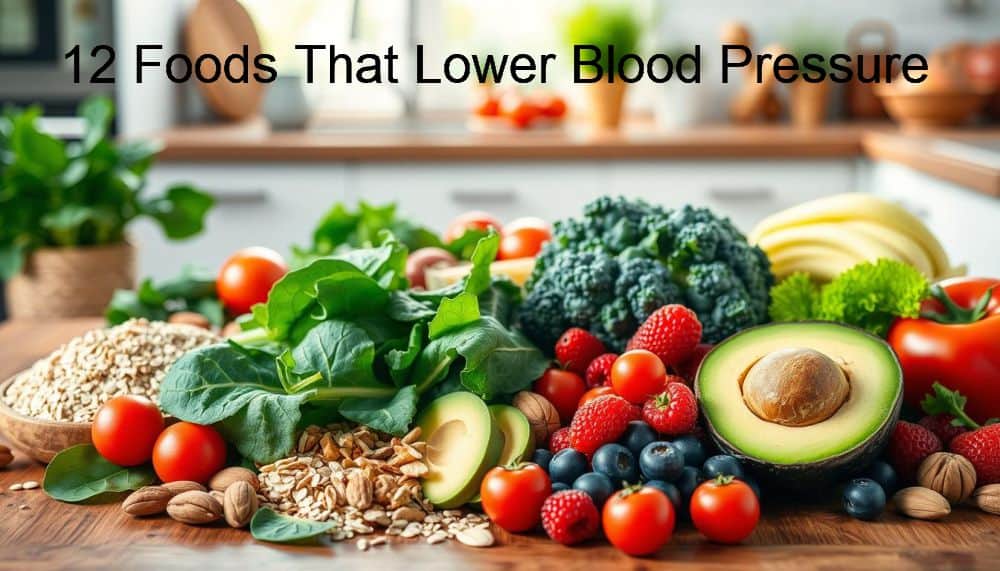
Adopting a heart-healthy diet rich in nutrients can significantly impact your cardiovascular health. Certain foods have been shown to help reduce blood pressure, making it easier to manage hypertension.
By focusing on foods to lower blood pressure, individuals can take a proactive approach to their health, potentially reducing their reliance on medication and improving their overall well-being.
Key Takeaways
- Incorporating specific foods into your diet can help manage blood pressure.
- A heart-healthy diet is crucial for maintaining cardiovascular health.
- Certain nutrients can help lower blood pressure naturally.
- Dietary changes can significantly impact overall health and well-being.
- Managing blood pressure through diet can reduce the need for medication.
Understanding High Blood Pressure and Its Health Risks
Understanding the risks associated with high blood pressure is crucial for maintaining overall health. High blood pressure, or hypertension, is a condition that can lead to severe health complications if not managed properly.
High blood pressure is often referred to as a “silent killer” because it typically doesn’t exhibit symptoms until it has reached a critical stage. The risk of high blood pressure includes heart disease, stroke, and kidney disease, among other health issues.
What Causes Hypertension
Hypertension is caused by a combination of genetic, environmental, and lifestyle factors. Poor diet, lack of physical activity, and excessive alcohol consumption are some of the key lifestyle factors that can contribute to high blood pressure.
A diet high in sodium and low in potassium can lead to hypertension. Additionally, being overweight or obese, smoking, and having a family history of high blood pressure can also increase the risk.
| Risk Factor | Description | Impact on Blood Pressure |
|---|---|---|
| Poor Diet | High sodium, low potassium intake | Increases blood pressure |
| Lack of Physical Activity | Sedentary lifestyle | Contributes to hypertension |
| Excessive Alcohol Consumption | Regularly drinking too much alcohol | Raises blood pressure |
Why Managing Blood Pressure Naturally Matters
Managing blood pressure naturally through lifestyle changes can significantly reduce the risk of developing hypertension-related complications. This includes adopting a balanced diet rich in fruits, vegetables, and whole grains, as well as engaging in regular physical activity.
By making these changes, individuals can help lower blood pressure and improve overall cardiovascular health. It’s also important to monitor blood pressure regularly and work with a healthcare provider to manage hypertension effectively.
The Science Behind Foods That Lower Blood Pressure
Certain foods have been scientifically proven to lower blood pressure by affecting blood vessel function. This is achieved through various nutritional components that influence how blood vessels operate. Nutrition plays a crucial role in maintaining vascular health, and understanding this relationship can help in managing hypertension.
How Nutrition Affects Blood Vessel Function
The function of blood vessels is directly influenced by the nutrients we consume. Nutrients such as potassium, magnesium, and certain antioxidants help to relax blood vessels, improving blood flow and reducing pressure on the vessel walls. For instance, potassium helps to balance sodium levels in the body, which is crucial for maintaining healthy blood pressure.
A diet rich in whole foods, such as fruits, vegetables, and whole grains, provides the necessary nutrients for optimal blood vessel function.
Key Nutrients That Support Healthy Blood Pressure Levels
Several key nutrients have been identified as beneficial for maintaining healthy blood pressure levels. These include potassium, magnesium, calcium, and fiber. Incorporating foods rich in these nutrients into one’s diet can help support blood pressure control. For example, calcium helps to regulate the constriction and dilation of blood vessels, while fiber can help to reduce inflammation and improve overall cardiovascular health.
By understanding the role of these nutrients, individuals can make informed dietary choices to support their cardiovascular health.
Potassium-Rich Fruits That Reduce Blood Pressure
A diet rich in potassium-rich fruits can help mitigate the risks associated with high blood pressure. Potassium is a vital mineral that helps balance the effects of sodium in the body and relaxes the tension in blood vessel walls, leading to lower blood pressure. Incorporating the right fruits into your daily meals can be both delicious and beneficial for your heart health.
Bananas: Nature’s Blood Pressure Regulators
Bananas are one of the most well-known sources of potassium. A medium-sized banana can provide approximately 422 milligrams of potassium, which is about 12% of the recommended daily intake. Regular consumption of bananas can help regulate blood pressure levels by counteracting the effects of sodium and promoting overall cardiovascular health. Moreover, bananas are easily incorporated into daily meals, making them a convenient snack for maintaining healthy blood pressure.
Berries: Antioxidant Powerhouses for Heart Health
Berries, including blueberries, strawberries, and raspberries, are not only rich in antioxidants but also high in potassium. Blueberries, for instance, are packed with anthocyanins, which have been shown to have heart-healthy benefits. Consuming a variety of berries can help reduce inflammation and improve blood vessel function, contributing to lower blood pressure. Berries are versatile and can be enjoyed in smoothies, salads, or as a fresh snack, making it easy to include them in your diet.
Including potassium-rich fruits like bananas and berries in your diet is a simple yet effective way to support heart health and manage blood pressure. By making these fruits a regular part of your meals, you can take a proactive step towards maintaining healthy blood pressure levels and reducing the risk of cardiovascular diseases.
Nitrate-Rich Vegetables That Help Blood Vessels Relax
Nitrate-rich vegetables are gaining attention for their role in relaxing blood vessels and improving cardiovascular health. These vegetables are rich in nitrates, which the body converts into nitric oxide. Nitric oxide is a crucial molecule that helps to relax and dilate blood vessels, improving blood flow and lowering blood pressure.
Leafy Greens: Spinach and Kale Benefits
Leafy greens such as spinach and kale are among the richest sources of nitrates. Incorporating these vegetables into your diet can have a significant impact on your cardiovascular health. Spinach, for example, is not only rich in nitrates but also in antioxidants and other essential nutrients. Consuming spinach regularly can help reduce systolic blood pressure and improve overall heart health.
Kale, another leafy green, is packed with nutrients and has been shown to have a positive effect on blood vessel function. The nitrates in kale help to improve blood flow, which can be particularly beneficial for individuals with hypertension. Adding kale to your salads or blending it into smoothies is an easy way to boost your nitrate intake.

Beets: How They Significantly Lower Systolic Blood Pressure
Beets are another vegetable that is exceptionally high in nitrates. Studies have shown that consuming beets or beet juice can significantly lower systolic blood pressure. The nitrates in beets are converted into nitric oxide, which helps to relax blood vessels and improve blood flow. This can lead to a reduction in blood pressure and a lower risk of cardiovascular disease.
A study on the effects of beet juice on blood pressure found that participants who consumed beet juice daily experienced a significant reduction in systolic blood pressure compared to those who did not. This makes beets a valuable addition to a heart-healthy diet.
| Nitrate-Rich Vegetable | Nitrate Content (mg per 100g) | Health Benefit |
|---|---|---|
| Spinach | 150-200 | Reduces systolic blood pressure |
| Kale | 100-150 | Improves blood vessel function |
| Beets | 200-250 | Lowers systolic blood pressure |
Omega-Rich Seeds and Nuts for Blood Pressure Control
For those looking to lower their blood pressure naturally, omega-rich seeds and nuts are a great addition to a heart-healthy diet. These foods are not only delicious but also packed with nutrients that support cardiovascular health.
Two of the most beneficial types of omega-rich foods are flaxseeds and certain nuts like pistachios and walnuts. Let’s explore how these foods can contribute to better blood pressure management.
Flaxseeds: Daily Consumption Effects on Blood Pressure
Flaxseeds are a rich source of alpha-linolenic acid (ALA), a type of omega-3 fatty acid. Daily consumption of flaxseeds has been shown to have a positive effect on blood pressure levels. The fiber and antioxidants in flaxseeds also contribute to their heart-healthy benefits.
To incorporate flaxseeds into your diet, you can sprinkle ground flaxseeds on your oatmeal or yogurt, or use them in baking. It’s recommended to consume about 1-2 tablespoons of ground flaxseeds per day.
Pistachios and Walnuts: Heart-Healthy Snacking Options
Pistachios and walnuts are not only tasty snacks but also offer significant benefits for heart health. Pistachios are rich in arginine, an amino acid that helps relax blood vessels. Walnuts, on the other hand, are an excellent source of ALA, similar to flaxseeds.
Snacking on a handful of pistachios or walnuts daily can be a simple and effective way to support blood pressure control. These nuts can be enjoyed on their own or added to salads and other dishes for extra nutrition.
Foods to Lower Blood Pressure: Dairy and Alternatives
A well-balanced diet that includes dairy and plant-based alternatives can play a crucial role in maintaining healthy blood pressure levels. The nutritional benefits of these products can contribute significantly to cardiovascular health.
Low-Fat Yogurt: Calcium and Probiotics Benefits
Low-fat yogurt is an excellent source of calcium and probiotics, both of which are beneficial for blood pressure management. Calcium helps regulate the contraction and relaxation of blood vessels, while probiotics support gut health, which is linked to heart health.
Nutritional Benefits of Low-Fat Yogurt:
- High in Calcium: Supports blood vessel function
- Probiotics: Enhances gut health, linked to lower blood pressure
- Protein Content: Can help with satiety and weight management
Studies have shown that consuming low-fat yogurt regularly can lead to a reduction in systolic blood pressure. This is attributed to its rich nutritional profile, including calcium, potassium, and probiotics.
Plant-Based Milks: Oat and Almond Options
For those who are lactose intolerant or prefer plant-based diets, oat and almond milks are excellent alternatives to traditional dairy. These milks are often fortified with calcium and vitamins, making them a nutritious choice for heart health.
| Milk Type | Calcium Content (per cup) | Fortified Nutrients |
|---|---|---|
| Oat Milk | 350 mg | Vitamin D, Vitamin A |
| Almond Milk | 450 mg | Vitamin E, Vitamin D |
| Cow’s Milk | 300 mg | Vitamin D, Vitamin B12 |
Oat and almond milks not only provide a dairy-free alternative but also offer a range of nutrients that can help lower blood pressure. Choosing unsweetened and fortified versions can maximize their health benefits.
Incorporating dairy and plant-based milk alternatives into your diet can be a simple yet effective way to support heart health and manage blood pressure. By making informed choices about the products you consume, you can take a proactive approach to your cardiovascular well-being.
Protein Sources That Support Healthy Blood Pressure
A well-balanced diet that includes specific protein sources can help lower blood pressure. Protein-rich foods are essential for overall health, and certain types have been shown to have a positive impact on blood pressure levels.
Fatty Fish: Omega-3 Effects on Blood Pressure
Fatty fish are an excellent source of omega-3 fatty acids, which have been demonstrated to support heart health and lower blood pressure. Omega-3 fatty acids help to reduce inflammation in the body and improve blood vessel function. Examples of fatty fish that are rich in omega-3s include salmon, mackerel, and sardines.
Incorporating fatty fish into your diet can be simple. Try having grilled salmon for dinner or adding canned sardines to your salads. The benefits of omega-3s on blood pressure are significant, making fatty fish a valuable addition to a heart-healthy diet.
Legumes: Beans and Lentils for Heart Health
Legumes, including beans and lentils, are another protein source that supports healthy blood pressure. They are rich in fiber, potassium, and other nutrients that contribute to their beneficial effects on cardiovascular health. Beans and lentils can help to lower blood pressure by improving blood vessel function and reducing sodium levels in the body.
| Legume Type | Nutritional Benefits | Impact on Blood Pressure |
|---|---|---|
| Lentils | High in fiber and potassium | Helps lower blood pressure |
| Kidney Beans | Rich in fiber and protein | Supports heart health |
| Black Beans | High in antioxidants and fiber | Contributes to overall cardiovascular health |
Adding legumes to your meals can be easy and delicious. Try making a lentil soup or adding black beans to your tacos. The versatility of legumes makes them a great protein source for a variety of dishes.
Foods to Avoid for Better Blood Pressure Management
Effective blood pressure management involves being aware of the foods that can raise your blood pressure and making a conscious effort to avoid them. While incorporating blood pressure-lowering foods into your diet is crucial, it’s equally important to limit or avoid foods that can have a negative impact on your blood pressure.
Certain dietary choices can significantly influence blood pressure levels. Understanding which foods to avoid can help you make informed decisions about your diet and contribute to better overall cardiovascular health.
High-Sodium Processed Foods Impact
High-sodium processed foods are among the top dietary contributors to high blood pressure. These foods, including canned soups, frozen meals, and processed meats, are often high in salt and low in essential nutrients. Consuming high amounts of sodium can lead to fluid retention, putting extra pressure on blood vessels and increasing blood pressure.
To manage blood pressure effectively, it’s recommended to limit the intake of high-sodium foods. Reading food labels and choosing products with lower sodium content can help. Additionally, opting for fresh, unprocessed foods as much as possible can significantly reduce sodium intake.
Added Sugars and Their Effect on Blood Pressure
Consuming high amounts of added sugars can also negatively impact blood pressure. Diets high in sugar can lead to weight gain, insulin resistance, and an increased risk of developing hypertension. Sugary drinks, baked goods, and sweetened yogurts are among the top sources of added sugars in the diet.
Reducing the intake of added sugars can help mitigate these risks. Choosing natural sources of sugar, such as fruits and vegetables, and being mindful of the sugar content in processed foods can help manage blood sugar levels and support healthy blood pressure.
Conclusion: Creating a Sustainable Heart-Healthy Eating Plan
Creating a heart-healthy eating plan is crucial for managing blood pressure and promoting overall cardiovascular health. By incorporating foods that lower blood pressure, such as potassium-rich fruits, nitrate-rich vegetables, and omega-rich seeds and nuts, individuals can take a proactive approach to their health.
A sustainable eating plan focuses on whole, nutrient-dense foods while limiting processed and high-sodium foods. This approach not only helps lower blood pressure but also supports overall well-being. By making informed dietary choices, individuals can effectively manage blood pressure and reduce the risk of cardiovascular disease.
To maintain a heart-healthy diet, it’s essential to be mindful of food choices and develop a balanced eating plan. This includes consuming a variety of foods, being aware of portion sizes, and limiting foods that can negatively impact blood pressure. By adopting a sustainable heart-healthy eating plan, individuals can enjoy long-term benefits and improved overall health.
FAQ
What are some foods that can help lower blood pressure?
Incorporating foods rich in potassium, nitrates, and omega-3 fatty acids can help lower blood pressure. Examples include bananas, leafy greens, beets, flaxseeds, and fatty fish.
How does potassium help in reducing blood pressure?
Potassium helps balance the effects of sodium and relaxes the tension in blood vessel walls, which can help lower blood pressure.
Are there any specific vegetables that can help manage high blood pressure?
Yes, nitrate-rich vegetables like spinach, kale, and beets are beneficial for blood pressure management as they help blood vessels relax.
Can dietary changes alone manage high blood pressure?
While dietary changes are crucial, managing high blood pressure often requires a combination of diet, exercise, stress management, and potentially medication, depending on the severity.
How do omega-3 fatty acids impact blood pressure?
Omega-3 fatty acids, found in fatty fish and certain nuts and seeds, help reduce inflammation and improve heart health, which can contribute to lowering blood pressure.
What foods should be avoided to prevent high blood pressure?
It’s advisable to limit or avoid high-sodium processed foods and foods with added sugars, as they can negatively impact blood pressure.
Can plant-based milks help in managing blood pressure?
Yes, certain plant-based milks like oat and almond milk can be part of a heart-healthy diet that helps manage blood pressure, due to their low sodium and saturated fat content.
How do legumes contribute to heart health?
Legumes, such as beans and lentils, are rich in fiber, potassium, and other nutrients that support heart health and can help lower blood pressure.
Is it necessary to completely eliminate certain foods to manage blood pressure?
While it’s not necessary to completely eliminate certain foods, being mindful of and limiting foods that can raise blood pressure, such as those high in sodium and added sugars, is recommended.
Can a heart-healthy diet help prevent high blood pressure?
Yes, a diet rich in fruits, vegetables, whole grains, and lean proteins, and low in processed and high-sodium foods, can help prevent high blood pressure.