

Gingivitis, a common and mild form of gum disease, is a prevalent issue affecting countless individuals. Understanding its symptoms, causes, and available treatments is crucial for maintaining optimal oral health. Let’s delve into the details of this condition and explore effective strategies for prevention and management.

Understanding Gingivitis
What is Gingivitis?
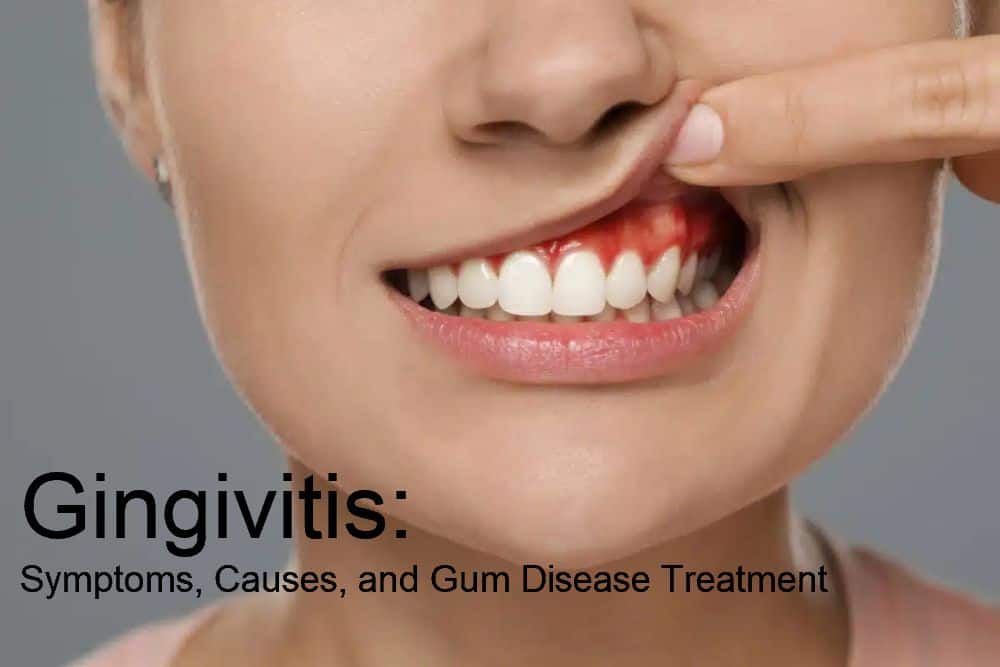
Gingivitis is a mild form of gum disease or a type of gum disease that causes inflammation of the gum tissue. It’s often the initial stage of periodontal disease. Gingivitis is caused by the accumulation of bacteria in dental plaque along the gumline. With proper oral care, gingivitis is reversible.
Symptoms of Gingivitis
Gingivitis presents itself through several noticeable signs. Some of the most common symptoms include:
- Bleeding gums, especially when brushing or flossing.
- Swelling and redness in the gums.
Other indicators may involve persistent bad breath and changes in the gum’s appearance, potentially leading to irritation.
How Gingivitis Affects Gum Health
Gingivitis affects gum health by causing inflammation and irritation of the gum tissue. When left untreated, this mild form of gum disease can progress to periodontitis, a more serious gum disease. It’s essential to understand gum disease information and take steps to prevent gingivitis to maintain good periodontal health.
Causes of Gingivitis
Common Causes of Gingivitis
The cause of gingivitis is primarily poor oral hygiene. When plaque and tartar accumulate along the gumline, they harbor bacteria that cause gingivitis. These bacteria irritate the gums, leading to inflammation and bleeding. Regular brushing and flossing are essential to prevent gingivitis.
Poor Oral Hygiene and Gingivitis
Poor oral hygiene is a significant factor in what causes gingivitis. Inadequate brushing and flossing allow plaque to build up, creating an environment where bacteria thrive. This buildup leads to inflammation and irritation of the gums, resulting in gingivitis. Consistent oral care is vital for oral health.
Other Factors Contributing to Gum Disease
Besides poor oral hygiene, other factors can contribute to gum disease and cause gingivitis. Smoking, certain medications, and systemic diseases can increase the risk of developing periodontal disease. Regular visits to your dentist or dental professional are crucial for early detection and treatment of gingivitis.
Diagnosing Gingivitis
When to See a Dentist
It’s important to see your dentist or dental professional if you experience any signs of gingivitis, such as bleeding gums or persistent bad breath. Early detection and treatment of gingivitis are crucial to prevent the progression of this form of gum disease. Don’t delay seeking professional care, as untreated gingivitis can lead to more serious gum disease called periodontitis.
Dental Exams and Gingivitis Assessment
During a dental exam, your dentist or dental professional will assess your gum health and look for any signs of gingivitis. This evaluation may include checking for swelling, redness, and bleeding in the gums. They may also measure the depth of the pockets between your teeth and gums to determine the severity of any periodontal disease. Regular dental check-ups are vital for early detection and treatment of gingivitis.
Understanding Gingivitis Symptoms
Recognizing the symptoms of gingivitis is essential for prompt treatment. Several common signs can indicate the presence of gingivitis, including:
- Bleeding gums, especially while brushing or flossing
- Red and swollen gums
Other symptoms may involve persistent bad breath and gums that are tender to the touch. If you notice any of these symptoms, it’s crucial to consult your dentist as soon as possible. Untreated gingivitis can progress and become periodontitis.
Treating Gingivitis
Professional Treatments by a Dentist
Professional treatments by a dentist or dental professional are essential for effectively treating gingivitis. These treatments may include scaling and root planing to remove plaque and tartar from below the gumline. Your dentist may also prescribe mouth rinses or medications to help reduce inflammation and bacteria that cause gingivitis. Regular dental visits and professional cleanings are vital for maintaining optimal gum health and oral health.
How to Treat Gingivitis at Home
In addition to professional treatments, you can also take steps at home to treat gingivitis and reverse gingivitis. Practicing good oral hygiene is paramount. This includes brushing your teeth at least twice a day with fluoride toothpaste and flossing daily to remove plaque and bacteria that cause gingivitis from between your teeth and along the gumline. Proper oral care can significantly improve gum health and prevent gingivitis and periodontitis.
Rinse Solutions for Gum Health
Rinse solutions can be a valuable addition to your oral hygiene routine for promoting gum health and oral health. Antimicrobial mouthwashes can help kill bacteria that cause gingivitis and reduce inflammation in the gums. Fluoride mouth rinses can also help strengthen tooth enamel and prevent tooth decay. Be sure to follow your dentist or dental professional’s recommendations for using rinse solutions as part of your treatment of gingivitis and gum disease.
Management
How do you treat gingivitis?
To properly treat gingivitis, it’s essential to consult with your dentist or dental professional to get a customized oral care plan. Professional dental cleanings, including scaling and root planing, remove plaque and tartar that brushing your teeth at home can’t eliminate. In addition to these treatments, your dentist may prescribe antimicrobial rinse solutions to reduce bacteria that cause gingivitis and promote gum health.
Preventing Gingivitis
Daily Oral Hygiene Practices
Practicing consistent daily oral hygiene is crucial to prevent gingivitis and maintain optimal oral health. Brush your teeth at least twice a day with fluoride toothpaste to remove plaque and bacteria that cause gingivitis from tooth surfaces. Floss daily to clean between your teeth and along the gumline, where plaque tends to accumulate. These habits can reverse gingivitis and prevent the progression of more serious gum disease.
Diet and Gum Disease Prevention
A balanced diet plays a vital role in preventing gingivitis and promoting gum health. Consuming foods rich in vitamins and minerals supports your body’s natural defenses against gum disease. Limiting sugary snacks and beverages reduces the amount of fuel available for bacteria that cause gingivitis to thrive in your mouth. Making healthy dietary choices can complement your oral hygiene routine and treat gingivitis.
Regular Dental Checkups
Scheduling regular dental checkups with your dentist or dental professional is essential for the early detection and prevention of gingivitis and periodontitis. During these visits, your dentist can assess your gum health, identify any signs of gingivitis, and provide professional cleanings to remove plaque and tartar. Early intervention can help you treat gingivitis before it progresses to a more serious form of gum disease.
Conclusion
Understanding the symptoms and causes of gingivitis is essential for maintaining gum health and preventing serious gum disease. Poor oral hygiene and bacteria that cause gingivitis are main factors, the common and mild form of gum disease can advance, so brushing your teeth and using floss are imperative. See your dentist or dental professional and prevent gingivitis from turning into periodontitis.