

High blood pressure, also called hypertension, is a common condition in which the force of your blood against your blood vessel walls is high enough that it may eventually cause health problems, such as heart disease. Blood pressure is determined both by the amount of blood your heart pumps and the amount of resistance to blood flow in your arteries.

Understanding Hypertension
What is High Blood Pressure?
High blood pressure or hypertension is a condition where the blood pressure reading consistently measures at or above 130/80 mm Hg. This means that the force of your blood against your artery walls is too high. If left uncontrolled, high blood pressure can cause serious health problems, including heart attack, heart failure, and stroke. It’s essential to have your blood pressure checked regularly.
Types of Hypertension
There are two main types of high blood pressure: primary hypertension and secondary hypertension. Primary hypertension develops over time with no identifiable cause and is the most common type of high blood pressure. Secondary hypertension is caused by an underlying medical condition, such as kidney problems, adrenal gland tumors, or certain medications. Identifying the type of hypertension is crucial for determining the appropriate treatment plan.
Normal vs. Elevated Blood Pressure
A normal blood pressure reading is typically below 120/80 mm Hg. Here’s a breakdown of elevated and high blood pressure stages based on the American Heart Association:
| Category | Systolic Pressure (mm Hg) | Diastolic Pressure (mm Hg) |
|---|---|---|
| Elevated Blood Pressure | 120-129 | Less than 80 |
| High Blood Pressure Stage 1 | 130-139 | 80-89 |
| High Blood Pressure Stage 2 | 140 or higher | 90 or higher |
Causes of High Blood Pressure
Genetic Factors
Genetic factors play a significant role in the risk of high blood pressure. People with a family history of hypertension are more likely to develop high blood pressure. Genes can influence various factors related to blood pressure, such as how your body handles sodium and the function of blood vessels. Understanding your family history can help in early monitoring of your blood pressure and preventive measures.
Lifestyle Factors
Lifestyle factors are major contributors to the causes of high blood pressure. A diet high in sodium, lack of physical activity, obesity, excessive alcohol consumption, and smoking can all lead to hypertension. Making healthy lifestyle changes, such as adopting a balanced diet, exercising regularly, and quitting smoking, can help lower your blood pressure and reduce the risk of heart disease. Managing your weight and stress levels are also crucial for maintaining normal blood pressure.
Medical Conditions Contributing to Hypertension
Certain medical conditions can contribute to the development of high blood pressure. Kidney disease, thyroid problems, sleep apnea, and adrenal gland disorders are some of the conditions that can lead to secondary hypertension. Additionally, some medications, such as decongestants, pain relievers, and birth control pills, can increase blood pressure. It’s important to manage these underlying conditions and discuss any potential medication side effects with your healthcare provider to effectively treat high blood pressure.
Identifying Symptoms of High Blood Pressure
Common Symptoms
Many people with high blood pressure have no symptoms, even if blood pressure readings reach dangerously high levels. For this reason, high blood pressure is often called the “silent killer.” The absence of noticeable symptoms is why regular blood pressure checks are so important. Some people with hypertension might experience headaches, nosebleeds, or shortness of breath, but these symptoms aren’t specific and usually only occur when blood pressure has reached a critical stage.
Symptoms of High Blood Pressure Stage 1
In high blood pressure stage 1, where systolic pressure is between 130-139 mm Hg or diastolic pressure is between 80-89 mm Hg, symptoms are rare. Most people with high blood pressure at this stage are unaware of their condition until it’s detected during a routine medical checkup. Early diagnosis of high blood pressure is crucial to prevent the progression to more severe stages and reduce the risk of high blood pressure related complications like heart disease. Regular monitoring of your blood pressure at home can help in early detection.
Symptoms of High Blood Pressure Stage 2
High blood pressure stage 2 is defined by the American Heart Association as having systolic blood pressure at 140 mm Hg or higher, or diastolic blood pressure at 90 mm Hg or higher. Although many people with high blood pressure still experience no symptoms, the risk of high blood pressure related symptoms increases at this stage. Severe headaches, dizziness, blurred vision, chest pain, and blood in the urine can occur, signaling the urgent need to treat high blood pressure. Immediate medical attention is necessary if these symptoms arise.
Risks Associated with High Blood Pressure
Cardiovascular Risks
The cardiovascular risks associated with hypertension are significant. Uncontrolled high blood pressure can lead to heart attack, stroke, heart failure, and other serious conditions. The constant pressure on the artery walls can cause them to thicken and stiffen, reducing blood flow to the heart and other vital organs. Managing high blood pressure is crucial to protect the cardiovascular system and prevent life-threatening events. Medication to lower your blood pressure can significantly reduce these risks.
Impact on Overall Health
Beyond the cardiovascular system, high blood pressure can impact overall health in various ways. It can cause kidney damage, vision loss, sexual dysfunction, and cognitive impairment. Prolonged hypertension can damage blood vessels in the kidneys, leading to kidney failure. High blood pressure can also damage blood vessels in the eyes, leading to vision problems. Therefore, it’s vital to address high blood pressure promptly to minimize its effects on various aspects of health. Regular blood pressure readings are essential for this.
Managing Risk Factors
Managing risk factors is crucial in preventing and controlling high blood pressure. Lifestyle modifications, such as adopting a healthy diet, regular exercise, maintaining a healthy weight, and limiting alcohol and sodium intake, can significantly lower your blood pressure. Quitting smoking is also essential, as it damages blood vessels and increases blood pressure. For people with hypertension, medication to lower blood pressure, along with lifestyle changes, can help manage blood pressure effectively and reduce the risk of high blood pressure related complications.
Managing and Lowering Blood Pressure
Lifestyle Changes
Lifestyle changes are critical in managing high blood pressure and can often help people with high blood pressure lower their blood pressure without relying solely on medication. Regular physical activity strengthens the heart, enabling it to pump blood more efficiently, which helps lower blood pressure. A diet low in sodium and rich in potassium, magnesium, and calcium, as recommended by the American Heart Association, can also significantly lower blood pressure, reducing the risk of high blood pressure related complications.
Medications for Hypertension
When lifestyle changes alone are not sufficient, medication to lower blood pressure becomes necessary. Various types of medications are available, including diuretics, ACE inhibitors, ARBs, beta-blockers, and calcium channel blockers. These drugs work differently to lower blood pressure, such as by relaxing blood vessels or reducing the amount of fluid in the body. The choice of medication depends on individual health conditions and how well the medication works in lowering blood pressure readings. Regular monitoring of your blood pressure is essential to assess the effectiveness of the treatment plan.
Monitoring Your Blood Pressure Effectively
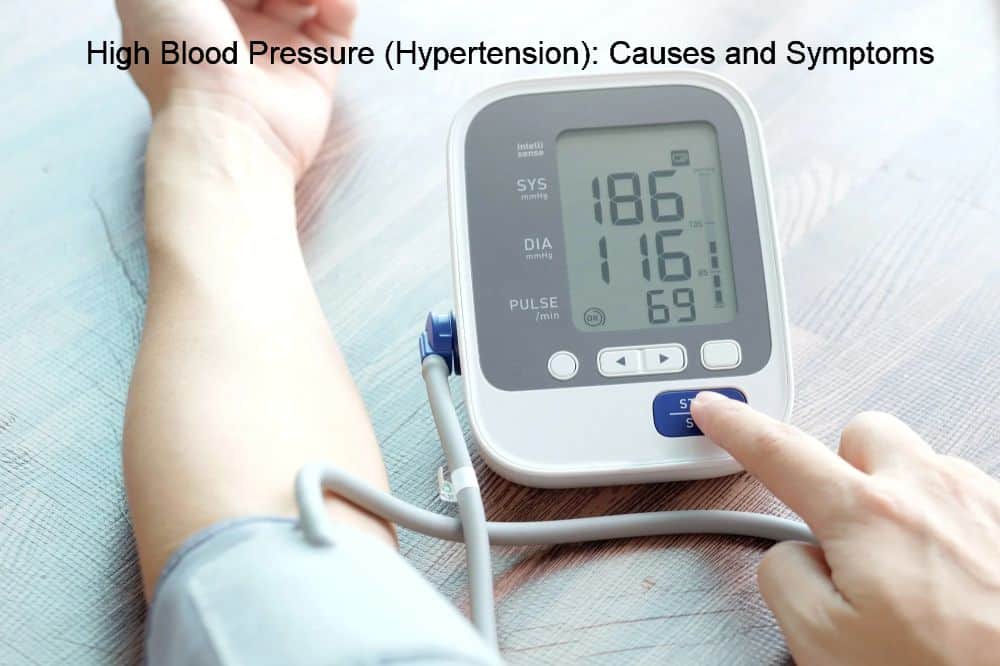
Effective monitoring of your blood pressure is essential for managing hypertension. Regular check-ups with a healthcare provider are important, but a home blood pressure monitor can provide valuable insights into your blood pressure control between visits. Keeping track of your blood pressure at home allows you to detect changes early and work with your doctor to adjust your treatment plan as needed. Consistently monitoring your blood pressure at home is a proactive approach to managing high blood pressure that can cause serious health issues.
Conclusion
In conclusion, high blood pressure, also called hypertension, is a serious condition but can be effectively managed with the right approach. Understanding the causes of high blood pressure, identifying the risk factors, and recognizing the symptoms are the first steps. Managing high blood pressure through lifestyle changes, medication, and regular monitoring of your blood pressure is key to preventing heart disease, heart attack, heart failure, and other high blood pressure related complications. Early diagnosis of high blood pressure, coupled with proactive management, can significantly improve the quality of life for people with hypertension and reduce the risk of high blood pressure related health problems.