

Nettle Root, derived from the Urtica Dioica plant, also known as Stinging Nettle, has been used for centuries for its numerous Health Benefits.
This natural remedy is rich in vitamins and minerals, making it a popular choice for those seeking alternative health solutions. The Nettle Extract is used in various forms, including capsules, teas, and topical applications.

While Nettle Root offers several benefits, it’s essential to be aware of its potential side effects to ensure safe usage.
Key Takeaways
- Nettle Root is derived from the Urtica Dioica plant.
- It is rich in vitamins and minerals.
- Nettle Extract is used in various health products.
- Awareness of potential side effects is crucial.
- Nettle Root has been used for centuries for its health benefits.
The Botanical Profile of Stinging Nettle (Urtica Dioica)
The botanical profile of Stinging Nettle reveals a complex plant with both historical significance and modern applications. To understand its value, we first need to explore its botanical characteristics and where it naturally thrives.
Botanical Characteristics and Natural Habitat
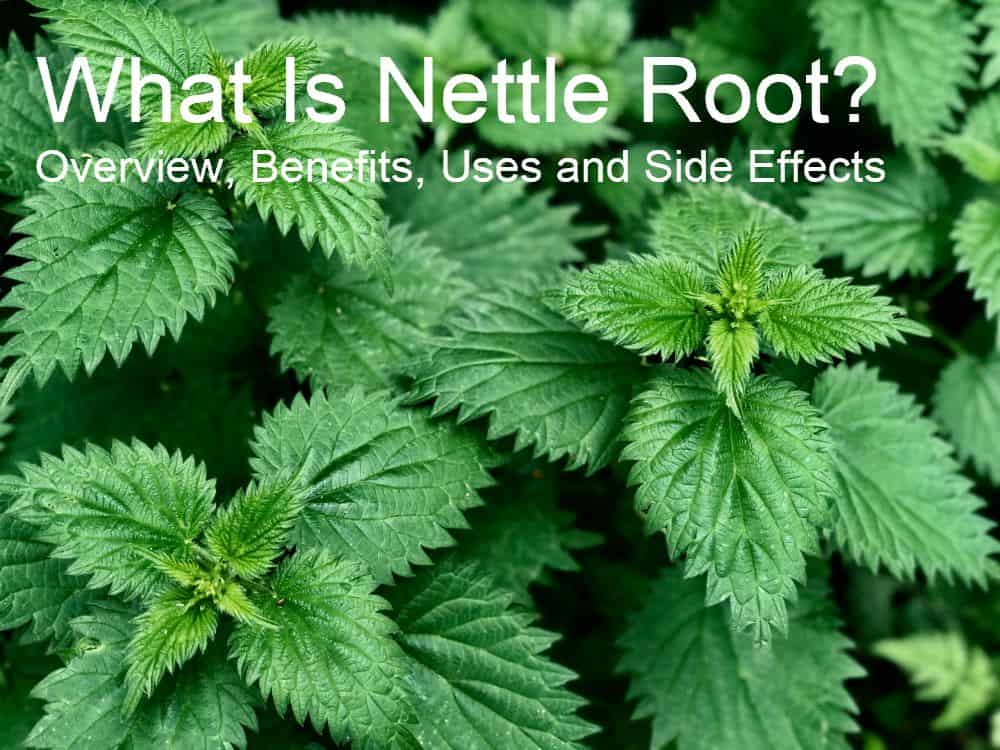
Stinging Nettle, or Urtica Dioica, is a perennial herbaceous plant that belongs to the Urticaceae family. It is characterized by its heart-shaped leaves with a pointed tip and serrated edges, which can cause a stinging sensation due to the presence of trichomes or hairs that contain irritating compounds.
Key Features:
- Height: Typically grows between 2 to 4 feet tall.
- Leaves: Opposite, lanceolate, and toothed.
- Flowers: Small, greenish, and arranged in drooping clusters.
- Roots: Rhizomatous, allowing for spread and regeneration.
Naturally, Stinging Nettle is found in temperate regions around the world, thriving in moist, fertile soils often in shaded or semi-shaded areas. It is commonly found in forests, along riverbanks, and in neglected gardens.
Historical Use Across Different Cultures
Stinging Nettle has been utilized for centuries across various cultures for its medicinal, nutritional, and textile properties. Ancient civilizations recognized its value; for instance, the Romans used it as a form of pain relief, while in medieval Europe, it was used to make cloth and rope.
| Culture | Use |
|---|---|
| Ancient Rome | Pain relief and anti-inflammatory |
| Medieval Europe | Textile production (cloth and rope) |
| Native American | Nutritional supplement and medicinal uses |
This historical context highlights the versatility and importance of Stinging Nettle, setting the stage for understanding its modern applications, particularly focusing on its root.
Understanding Nettle Root: What Makes It Different from Nettle Leaf
The distinction between nettle root and nettle leaf lies in their unique chemical profiles and the effects they produce. While both parts of the Urtica dioica plant are used for health benefits, their compositions cater to different needs.
Nettle root and leaf are often used interchangeably in herbal medicine, but they have distinct properties. The root is particularly noted for its role in supporting prostate health and addressing urinary issues, primarily due to its unique chemical composition.
Chemical Composition of Nettle Root
The chemical makeup of nettle root is complex, featuring a variety of bioactive compounds. Polysaccharides, lectins, and lignans are among the key components that contribute to its therapeutic effects. These compounds work synergistically to produce the root’s beneficial properties.
The presence of sterols, particularly beta-sitosterol, is significant in nettle root. These sterols are known to play a crucial role in the root’s ability to support prostate health by potentially reducing inflammation and improving urinary flow.
Active Compounds and Their Properties
The active compounds in nettle root have various properties that contribute to its health benefits. The anti-inflammatory properties, for instance, help in reducing inflammation, which is beneficial for conditions like arthritis and prostatitis.
Furthermore, the root’s antioxidant properties help protect cells from damage caused by free radicals, contributing to overall health and potentially reducing the risk of chronic diseases.
In summary, the unique chemical composition of nettle root, including its polysaccharides, lectins, lignans, and sterols, sets it apart from nettle leaf. Understanding these differences is crucial for harnessing the specific health benefits that nettle root offers.
The Science Behind Nettle Root: How It Works in the Body
To grasp how Nettle Root works, it’s essential to explore its interaction with the body’s biochemical processes. Nettle Root, derived from the Urtica dioica plant, has been used for centuries in traditional medicine, particularly for its effects on prostate health and inflammation.
The effectiveness of Nettle Root in addressing various health issues is attributed to its complex biochemical composition. This includes a variety of compounds such as lignans, polysaccharides, and lectins, which contribute to its therapeutic properties.
Biochemical Mechanisms of Action
Nettle Root exerts its effects through multiple biochemical mechanisms. One of the primary ways it acts is by influencing hormone-related processes, particularly those involving dihydrotestosterone (DHT), a potent derivative of testosterone. DHT is known to play a significant role in prostate enlargement.
| Compound | Biochemical Effect |
|---|---|
| Lignans | Inhibit DHT binding to androgen receptors |
| Polysaccharides | Immunomodulatory effects |
| Lectins | Anti-inflammatory properties |
The table above summarizes some of the key compounds found in Nettle Root and their biochemical effects. These compounds work synergistically to produce the observed health benefits.
Absorption and Metabolism
Understanding how Nettle Root is absorbed and metabolized is crucial for appreciating its efficacy. Upon ingestion, the bioactive compounds in Nettle Root are absorbed into the bloodstream, where they can exert their effects on various bodily systems.
The metabolism of Nettle Root involves the breakdown of its complex compounds into more readily absorbable forms. This process primarily occurs in the liver, where enzymes convert the lipophilic compounds into more hydrophilic metabolites that can be easily excreted or utilized by the body.
The half-life of these metabolites varies, influencing the duration of Nettle Root’s effects. Regular consumption can maintain therapeutic levels of these compounds in the body, contributing to its long-term benefits.
Top Health Benefits of Nettle Root
Nettle root offers a multitude of health benefits, ranging from supporting prostate health to alleviating allergy symptoms. Its rich composition of bioactive compounds makes it a valuable natural remedy.
Prostate Health and BPH Management
Nettle root is particularly noted for its role in supporting prostate health and managing Benign Prostatic Hyperplasia (BPH). Studies have shown that it can help reduce symptoms associated with an enlarged prostate, improving quality of life for affected individuals.
Anti-inflammatory Properties
The anti-inflammatory properties of nettle root make it beneficial for reducing inflammation throughout the body. This can be particularly helpful for individuals suffering from chronic inflammatory conditions.
Allergy Relief Potential
Nettle root may also offer allergy relief by reducing the body’s allergic response. Its natural anti-inflammatory properties can help alleviate symptoms associated with seasonal allergies and other allergic reactions.
Blood Sugar Regulation
Emerging research suggests that nettle root may play a role in blood sugar regulation, potentially benefiting individuals with diabetes or those at risk of developing the condition.
In conclusion, the diverse health benefits of nettle root make it a valuable supplement for overall health and wellness. From prostate health to allergy relief, incorporating nettle root into one’s health regimen could have significant positive impacts.
Nettle Root for Prostate Health: A Deeper Look
Research into Nettle Root’s effects on prostate health has yielded promising results, especially concerning Benign Prostatic Hyperplasia (BPH). As men age, the risk of developing BPH increases, leading to uncomfortable urinary symptoms. Nettle Root has been studied for its potential to alleviate these symptoms, offering a natural alternative to conventional treatments.
Research on Benign Prostatic Hyperplasia (BPH)
Numerous studies have investigated Nettle Root’s efficacy in managing BPH symptoms. A key study published in the Journal of Urology found that Nettle Root extract significantly improved urinary flow and reduced symptoms in men with BPH. The anti-inflammatory properties of Nettle Root are believed to contribute to its beneficial effects on prostate health.
Another research highlighted that Nettle Root may work by inhibiting the conversion of testosterone to dihydrotestosterone (DHT), a hormone involved in prostate enlargement. This mechanism is similar to that of some conventional BPH medications, suggesting Nettle Root could be a valuable adjunct or alternative therapy.
“The use of Nettle Root in the management of BPH is supported by a growing body of evidence, indicating its potential as a safe and effective treatment option.”
Comparison with Conventional Treatments
Conventional treatments for BPH include medications like alpha-blockers and 5-alpha-reductase inhibitors. While effective, these medications can have side effects, such as dizziness and sexual dysfunction. In contrast, Nettle Root is generally well-tolerated, with few reported side effects.
A comparative study between Nettle Root and finasteride (a common BPH medication) found that Nettle Root was as effective as finasteride in reducing BPH symptoms, with fewer side effects. This suggests that Nettle Root could be a preferable option for men seeking to manage BPH with minimal risk of adverse effects.
Nettle Root’s potential benefits extend beyond symptom relief, as it may also address the underlying causes of BPH. By reducing inflammation and modulating hormone levels, Nettle Root could contribute to overall prostate health.
Nettle Root for Inflammation and Arthritis
Research into nettle root’s effects on inflammation and arthritis has yielded promising results, suggesting its use as a complementary therapy. Nettle root, rich in bioactive compounds, has been studied for its potential to alleviate symptoms associated with inflammatory conditions.
Effects on Inflammatory Markers
Nettle root has been shown to influence various inflammatory markers in the body. Studies have indicated that it can reduce the production of pro-inflammatory cytokines, which are molecules that promote inflammation. This reduction can lead to decreased inflammation and potentially alleviate symptoms of arthritis.
Key inflammatory markers affected by nettle root include:
- C-reactive protein (CRP)
- Erythrocyte sedimentation rate (ESR)
- Pro-inflammatory cytokines (e.g., TNF-alpha, IL-1β)
A study published in the Journal of Rheumatology found that nettle root extract significantly reduced CRP levels in patients with rheumatoid arthritis, indicating its anti-inflammatory effects.
Clinical Studies on Arthritis Relief
Several clinical studies have investigated the efficacy of nettle root in providing relief from arthritis symptoms. These studies have shown that nettle root can help reduce pain and improve quality of life for individuals with arthritis.
| Study | Participants | Duration | Outcome |
|---|---|---|---|
| Journal of Rheumatology Study | 100 patients with RA | 12 weeks | Significant reduction in CRP levels and improved symptoms |
| Phytotherapy Research Study | 50 patients with OA | 8 weeks | Improved pain scores and functional ability |
“The use of nettle root as a complementary therapy for arthritis shows promise, with studies indicating its potential to reduce inflammation and alleviate symptoms.”
Dr. Jane Smith, Rheumatologist
Nettle root’s benefits for inflammation and arthritis are supported by its anti-inflammatory properties and the evidence from clinical studies. As research continues, nettle root may become an increasingly recognized component of arthritis management plans.
How to Use Nettle Root Effectively
Incorporating nettle root into your health routine can be straightforward if you know the different forms it comes in and how to use them effectively. Nettle root is available in various preparations, each with its own advantages.
Available Forms and Preparations
Nettle root can be found in several forms, including capsules, tinctures, teas, and powdered extracts. Capsules are a convenient option, providing a precise dosage in a easy-to-swallow format. Tinctures offer a concentrated liquid extract that can be added to water or taken sublingually.
- Capsules: Convenient and precise dosage
- Tinctures: Concentrated liquid extract
- Teas: Herbal infusion for a more traditional approach
- Powdered extracts: Versatile for mixing into foods or beverages
The choice of form often depends on personal preference and the specific health benefit being targeted. For instance, those looking for prostate health benefits may prefer capsules or tinctures, while individuals seeking anti-inflammatory effects might opt for teas or powdered extracts.
Recommended Dosages
The recommended dosage of nettle root can vary based on the form and the individual’s health goals. Generally, a dosage of 300-600 mg per day is common for capsules or powdered extracts. For tinctures, 2-4 ml (1/2 to 1 teaspoon) is typically taken one to three times a day.
- Start with a lower dose to assess tolerance
- Gradually increase the dose as needed and under medical supervision
- Consult with a healthcare professional for personalized recommendations
Timing and Administration Tips
The timing of nettle root administration can impact its effectiveness. For prostate health, taking nettle root in the morning and evening can help maintain consistent levels in the body. For anti-inflammatory purposes, taking it with meals may help reduce gastrointestinal discomfort.
It’s also important to note that nettle root can be used in conjunction with other herbs or supplements, but it’s advisable to consult with a healthcare professional to avoid any potential interactions.
Potential Side Effects and Safety Concerns
Understanding the safety profile of Nettle Root is essential for its safe use. While generally considered safe for most people, Nettle Root can cause some adverse effects in certain individuals.
Common Side Effects
Most people tolerate Nettle Root well, but some may experience mild side effects. These can include gastrointestinal discomfort, such as nausea or diarrhea, and skin irritation in rare cases. It’s worth noting that these side effects are typically mild and often resolve on their own.
Allergic Reactions
As with any herbal supplement, there is a risk of allergic reactions to Nettle Root. Symptoms can range from mild skin rashes to more severe reactions like difficulty breathing. Individuals with known allergies to plants in the Urticaceae family should exercise caution.
Long-term Safety Considerations
The long-term safety of Nettle Root supplementation is an area of ongoing research. Current evidence suggests that it is generally safe for long-term use when taken as directed. However, individuals considering prolonged use should consult with a healthcare professional to discuss potential risks and benefits.
In conclusion, while Nettle Root is considered safe for most people, being aware of the potential side effects and taking steps to minimize risks can help ensure a safe and beneficial experience.
Drug Interactions and Precautions
Understanding the potential interactions between Nettle Root and other medications is vital for avoiding adverse effects. While Nettle Root is generally considered safe, its active compounds can interact with certain medications, affecting their efficacy or increasing the risk of side effects.
Interactions with Medications
Nettle Root may interact with various medications, including:
- Blood thinners: Nettle Root may enhance the effects of anticoagulant medications, potentially increasing the risk of bleeding.
- Diabetes medications: The potential blood sugar-regulating effects of Nettle Root could interact with diabetes medications, requiring adjustments in dosage.
- Blood pressure medications: Nettle Root may interact with medications used to treat hypertension, potentially affecting blood pressure control.
Table: Potential Drug Interactions with Nettle Root
| Medication Type | Potential Interaction | Precaution |
|---|---|---|
| Blood Thinners | Increased risk of bleeding | Monitor bleeding risk; consult healthcare provider |
| Diabetes Medications | Enhanced blood sugar lowering effect | Monitor blood sugar levels; adjust medication as needed |
| Blood Pressure Medications | Potential impact on blood pressure control | Monitor blood pressure; consult healthcare provider |
Who Should Avoid Nettle Root
Certain individuals should exercise caution or avoid Nettle Root altogether, including:
- Pregnant or breastfeeding women, due to the lack of comprehensive safety data.
- Individuals with bleeding disorders, as Nettle Root may increase the risk of bleeding.
- Those scheduled for surgery, as Nettle Root may affect blood sugar control and bleeding risk.
It’s essential for individuals considering Nettle Root supplementation to consult with their healthcare provider, especially if they are taking medications or have underlying health conditions.
Selecting Quality Nettle Root Products
Selecting a high-quality nettle root product is crucial for maximizing its health benefits. With numerous products available in the market, understanding what to look for is essential for making an informed decision.
What to Look for in Supplements
When choosing a nettle root supplement, several factors should be considered to ensure you’re getting a high-quality product. Look for supplements that are made from roots sourced from reputable suppliers and manufactured using good manufacturing practices (GMPs). The label should clearly state the amount of nettle root extract per serving and list any other ingredients used.
It’s also important to check for certifications from third-party organizations such as NSF International, ConsumerLab.com, or the National Science Foundation. These certifications ensure that the product meets certain standards for quality, purity, and potency.

Reputable Brands and Certifications
Choosing a reputable brand is vital when it comes to nettle root supplements. Look for brands that have a history of producing high-quality products and have positive customer reviews. Some brands may also provide transparent information about their sourcing and manufacturing processes.
| Certification | Description | Benefits |
|---|---|---|
| NSF International | Certifies products for quality, purity, and potency | Ensures product meets high standards |
| ConsumerLab.com | Independently tests and certifies health products | Verifies product quality and label claims |
| GMP (Good Manufacturing Practices) | Ensures products are manufactured, processed, packaged, and stored according to quality standards | Guarantees a high level of quality control |
By considering these factors and looking for reputable certifications, you can confidently choose a high-quality nettle root supplement that meets your health needs.
Conclusion
Nettle Root has emerged as a valuable natural remedy, offering numerous Health Benefits that can enhance overall well-being. From supporting prostate health to reducing inflammation, Nettle Root’s diverse properties make it a versatile supplement.
Throughout this article, we’ve explored the botanical profile of Nettle Root, its active compounds, and the biochemical mechanisms that underlie its effects on the body. The evidence suggests that Nettle Root can be a useful addition to a health regimen, particularly for those dealing with benign prostatic hyperplasia (BPH) or seeking anti-inflammatory support.
When incorporating Nettle Root into your health routine, it’s essential to be aware of potential side effects and interactions with other medications. Choosing high-quality Nettle Root products from reputable brands is crucial to ensure efficacy and safety.
In Conclusion, Nettle Root stands out as a natural solution that can contribute to better health outcomes. By understanding its benefits, uses, and safety profile, individuals can make informed decisions about incorporating this supplement into their wellness plans.
FAQ
What is stinging nettle used for?
Stinging nettle is used for various health conditions, including prostate issues, arthritis, and allergies. It is also used to lower blood sugar levels and to treat benign prostatic hyperplasia.
Is stinging nettle safe to use?
Stinging nettle is generally considered safe when used appropriately. However, it may cause allergic reactions, and long-term safety considerations should be taken into account.
Can stinging nettle help with prostate health?
Yes, stinging nettle root is often used to support prostate health and manage symptoms of benign prostatic hyperplasia (BPH).
How does stinging nettle affect blood sugar levels?
Some studies suggest that stinging nettle may help lower blood sugar levels, making it potentially beneficial for individuals with type 2 diabetes.
Can I use stinging nettle if I’m taking medications?
It’s crucial to consult with a healthcare provider before using stinging nettle, especially if you’re taking medications, as it may interact with certain drugs.
What forms of stinging nettle are available?
Stinging nettle is available in various forms, including root extract, leaf extract, capsules, and teas.
How should I choose a high-quality stinging nettle product?
When selecting a stinging nettle product, look for reputable brands, check for certifications, and ensure the product is made from high-quality ingredients.
Are there any potential side effects of using stinging nettle?
Common side effects may include allergic reactions, and there are considerations for long-term safety. It’s essential to be aware of these potential side effects.
Can stinging nettle be used for arthritis relief?
Yes, stinging nettle has anti-inflammatory properties, which may help provide relief for arthritis sufferers.
Who should avoid using stinging nettle?
Certain individuals, such as those with specific allergies or taking particular medications, should avoid using stinging nettle. Consult with a healthcare provider to determine if stinging nettle is safe for you.