

If you are looking for a delicious way to boost your daily nutrition, look no further than this popular oily fish. Known for its rich flavor and versatile culinary applications, this aquatic staple is a favorite in kitchens across the United States.
Beyond its great taste, this fish is widely celebrated for its impressive health benefits. It serves as a true nutritional powerhouse, packed with essential fatty acids and high-quality protein that support a balanced diet.

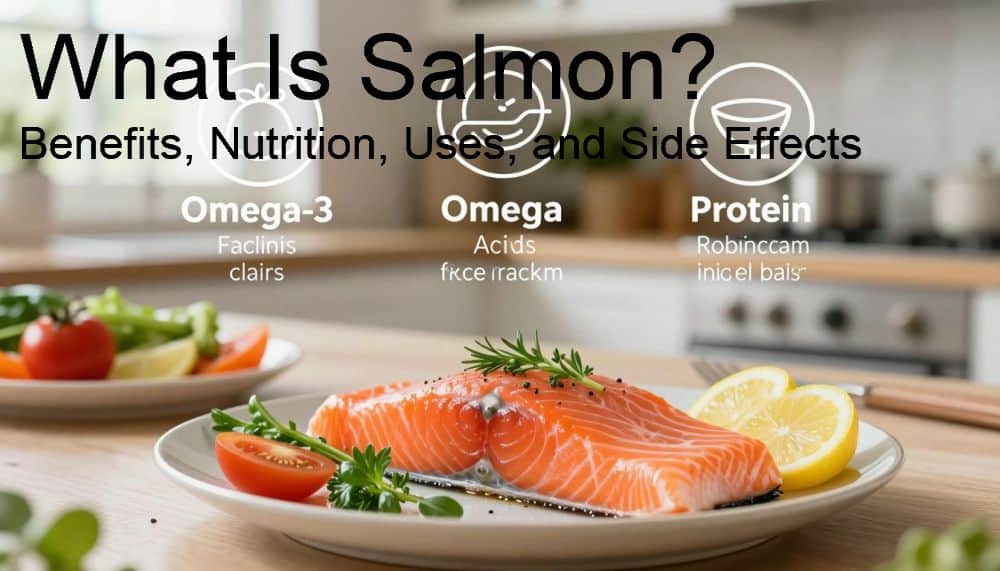
Whether you are grilling a fresh fillet or adding it to a vibrant salad, incorporating salmon into your meals is a simple way to improve your wellness. In this guide, we will explore the different varieties available, how to prepare them safely, and why this nutrient-dense food deserves a permanent spot on your dinner plate.
Key Takeaways
- This fish is a rich source of high-quality protein and essential omega-3 fatty acids.
- Regular consumption supports heart health and cognitive function.
- There are several varieties available in the U.S., each offering unique textures and flavors.
- Proper preparation techniques ensure both safety and maximum nutrient retention.
- It is a versatile ingredient that fits easily into many different dietary patterns.
Defining Salmon and Its Varieties
When you visit the seafood counter, understanding the different types of salmon is essential for making the best choice. This popular fish is widely celebrated for its rich flavor and impressive health profile. Whether you are a home cook or a seafood enthusiast, knowing exactly what you are buying ensures a better culinary experience.
Understanding the Biology of Salmon
Salmon is a fascinating oily fish that undergoes incredible biological transformations throughout its life cycle. Most species are anadromous, meaning they are born in freshwater, migrate to the ocean to mature, and return to freshwater to spawn. This journey requires the fish to adapt to vastly different environments, which influences the quality and composition of their meat.
The flesh of the salmon can vary significantly in color and texture depending on the species and its natural habitat. Factors such as diet and water temperature play a major role in how the fish develops. These biological traits are exactly what make this type of fish so unique compared to other marine life.
Common Types of Salmon Found in the United States
In the United States, consumers encounter a variety of options at the market. Because salmon is often sourced from different regions, it helps to recognize the characteristics of the most common varieties:
- Atlantic Salmon: Primarily farm-raised and widely available.
- Sockeye Salmon: A prized wild salmon known for its deep red color.
- King Salmon: Highly valued for its high fat content and buttery texture.
- Coho Salmon: Known for a milder flavor and firm, orange-red flesh.
Atlantic Salmon
Atlantic salmon is the most common fatty fish found in grocery stores across the country. Because it is largely farm-raised, it is available year-round and offers a consistent, mild flavor that appeals to many palates.
Sockeye Salmon
If you prefer wild salmon, you have likely seen sockeye salmon on the menu. This type of fish is famous for its vibrant, deep-red flesh of the salmon, which comes from its natural diet of krill and crustaceans. It provides a much bolder, richer taste than its farmed counterparts.
King and Coho Varieties
King salmon, also known as Chinook, is often considered the “king” of the species due to its large size and high oil content. Coho salmon, or silver salmon, is another popular fish that offers a delicate balance of flavor. Both varieties are excellent choices for those looking to enjoy a premium fatty fish experience at home.
The Nutritional Profile of Salmon
When you look at the nutritional value of salmon, it becomes clear why this fish is a staple in healthy diets. This fish is a nutritional powerhouse that provides a dense concentration of essential elements necessary for your daily function.
By choosing this protein, you ensure your body receives high-quality fuel. Understanding the specific nutrition facts helps you appreciate why this food is so highly regarded by health experts.
Macronutrient Breakdown
A standard serving of salmon contains a perfect balance of macronutrients. It is an excellent source of high-quality protein, which is essential for muscle repair and growth.
Furthermore, salmon is also rich in healthy fats, specifically omega-3 fatty acids. These fats are vital for maintaining heart health and supporting brain function. When considering the calories in salmon, you will find that it offers a high nutrient density relative to its energy content.
Essential Vitamins and Minerals
Beyond macronutrients, salmon provides a wide array of vitamins and minerals that support overall wellness. It is a good source of micronutrients that are often lacking in the modern diet.
Because salmon contains such a diverse profile of nutrients, it is a smart addition to any meal plan. The following table outlines some of the key components found in a typical fillet:
| Nutrient | Role in Body | Benefit |
|---|---|---|
| Protein | Muscle Maintenance | Supports tissue repair |
| Omega-3s | Heart Health | Reduces inflammation |
| Vitamin B12 | Energy Levels | Supports nerve function |
Vitamin B12 and D Content
Salmon is an excellent source of vitamin B12, which is crucial for maintaining healthy nerve cells and blood cells. Additionally, salmon also contains significant amounts of vitamin D.
Vitamin D is often difficult to obtain through food alone, making this fish a valuable dietary choice. This vitamin helps your body absorb calcium, which is necessary for maintaining strong bones.
Selenium and Potassium Levels
Salmon is also a good source of selenium, a mineral that acts as a powerful antioxidant. This nutrient helps protect your cells from damage and supports thyroid function.
Finally, salmon provides a healthy dose of potassium. This mineral is essential for balancing fluids in the body and supporting proper muscle contractions. Including this fish in your diet ensures you meet your daily requirements for these vital minerals.
Key Health Benefits of Salmon
The health benefits of salmon extend far beyond simple nutrition, impacting everything from your skin to your bones. By choosing this versatile fish, you provide your body with essential nutrients that support long-term wellness. Many health benefits are linked to the unique composition of this popular seafood choice.
Richness in Omega-3 Fatty Acids
Salmon is widely recognized for being rich in omega-3 fatty acids, which are vital for human health. These healthy fats are considered essential because the body cannot produce them on its own. The omega-3 fatty acids in salmon help maintain proper heart function and support brain performance throughout your life.
Support for Skin Health and Complexion
Beyond internal wellness, salmon also plays a role in your external appearance. The healthy fats found in the fish help keep your skin hydrated and supple. Many people notice that regular consumption leads to a clearer, more radiant complexion over time. This is one of the most appreciated potential health benefits for those focused on beauty from within.
Bone Health and Mineral Absorption
Salmon contains important nutrients that contribute to strong bone health. It provides a natural source of Vitamin D, which is necessary for the body to absorb calcium effectively. By improving mineral absorption, salmon helps ensure your skeletal system remains resilient as you age.
| Nutrient | Primary Benefit | Impact on Body |
|---|---|---|
| Omega-3s | Heart Support | Reduces inflammation |
| Vitamin D | Bone Health | Aids calcium absorption |
| Protein | Muscle Repair | Supports tissue growth |
| Selenium | Immune Function | Protects cells from damage |
Incorporating this fish into your routine offers many health benefits that can enhance your daily life. Whether you are looking for possible health benefits for your heart or skin, salmon remains a top-tier dietary choice. Understanding the health benefits of salmon allows you to make informed decisions for a healthier future.
Comparing Wild-Caught and Farmed Salmon
When you stand at the seafood counter, you might wonder about the real differences between wild-caught and farmed options. Making an informed choice requires looking at how these fish are raised or harvested. Understanding the nuances between wild and farmed salmon is essential for making healthy dietary decisions for your family.
Differences in Nutritional Value
The nutritional profile of salmon can vary significantly based on its origin. Generally, wild salmon contains fewer calories and less saturated fat than its farm-raised counterpart. Because it swims in open waters, wild-caught salmon tends to be leaner, which often results in a higher concentration of certain minerals.
Conversely, farmed salmon is often higher in healthy omega-3 fatty acids due to the specific feed provided in controlled environments. While both types offer excellent protein sources, the specific nutrient density depends on the environment and the diet of the fish.
Environmental Impact and Farming Practices
The methods used to bring fish to your plate have distinct ecological footprints. Wild-caught salmon are harvested from natural habitats, which requires strict management to prevent overfishing. This process relies on seasonal availability and natural migration patterns.
In contrast, farm-raised salmon are grown in large pens, often located in coastal waters. Modern aquaculture has made significant strides in sustainability, though concerns regarding waste and disease management remain common topics of discussion. Choosing between these options often involves balancing personal values with environmental sustainability goals.
Flavor and Texture Variations
Culinary enthusiasts often notice a clear difference in how these fish perform in the kitchen. Wild salmon typically features a firmer texture and a more intense, complex flavor profile. This makes it a favorite for those who enjoy a robust taste in their main courses.
On the other hand, farm-raised salmon is prized for its consistent flavor and buttery, tender texture. Because it has a higher fat content, it is very forgiving during the cooking process and stays moist easily. Whether you prefer the lean, firm bite of wild fish or the rich, melt-in-your-mouth quality of farmed varieties, both offer unique benefits for your favorite recipes.
Culinary Uses and Preparation Methods
Whether you are a novice or a pro, learning how to cook salmon properly unlocks a world of flavor. This versatile fish adapts to various heat sources, allowing you to create everything from quick weeknight dinners to elegant weekend feasts.

Techniques to Cook Salmon Perfectly
Achieving the ideal texture depends on your chosen method and the quality of your ingredients. Using fresh salmon is the best way to ensure a moist, flaky result every time you step into the kitchen.
Grilling and Baking Tips
For those who love a smoky flavor, grilled salmon is a fantastic choice. Keep the heat medium-high and oil the grates well to prevent sticking. If you prefer baking, place your fillets on a parchment-lined tray at 400°F for about 12 to 15 minutes. This gentle heat helps maintain the integrity of cooked wild salmon, keeping it tender and succulent.
Pan-Searing for Crispy Skin
If you crave a satisfying crunch, pan-searing is the superior technique. Start by patting the fillet dry to ensure the salmon skin crisps up beautifully in a hot, oiled skillet. Place the fish skin-side down and resist the urge to move it until the edges turn opaque. This simple step guarantees a restaurant-quality crust that contrasts perfectly with the soft, buttery interior.
Using Smoked and Canned Salmon
Beyond raw fillets, preserved options offer incredible convenience for busy schedules. Smoked salmon is a staple for sophisticated appetizers, pairing wonderfully with cream cheese, capers, and fresh dill on a toasted bagel. Meanwhile, canned salmon serves as a brilliant base for protein-packed salads or quick fish cakes.
| Method | Best For | Texture |
|---|---|---|
| Grilling | Summer meals | Smoky and firm |
| Baking | Easy dinners | Moist and flaky |
| Pan-Searing | Crispy skin lovers | Crunchy and rich |
| Cold-Smoking | Appetizers | Silky and delicate |
Potential Side Effects and Health Risks
Although salmon is a nutritional powerhouse, being aware of potential health effects is part of being a smart consumer. While most people enjoy this fish without issue, understanding the potential health risks associated with fish consumption helps you make better choices for your plate. By staying informed, you can keep your meals both delicious and safe.
Mercury Levels and Safe Consumption
Many people worry about heavy metals when they decide to eat salmon. Fortunately, levels in salmon are generally much lower than in larger predatory fish like swordfish or shark. Because salmon is lower on the food chain, it is often considered a safer choice for regular inclusion in your diet.
However, it is still wise to choose high-quality sources to minimize any exposure. While mercury levels in salmon can be high in rare, contaminated environments, most commercially available options are strictly monitored. Being mindful of your overall salmon consumption ensures you reap the benefits without unnecessary worry.
Risks of Eating Raw Salmon
If you enjoy sushi or sashimi, you might wonder about the risks of eating raw salmon. The primary concern involves potential parasites or harmful bacteria that can thrive in uncooked seafood. To make eat raw salmon dishes safe, the fish must be properly frozen at specific temperatures to eliminate these threats.
Always ensure you are purchasing “sushi-grade” fish from a reputable supplier. This label indicates that the product has been handled with the necessary safety protocols to reduce health risks. Never attempt to prepare raw dishes using standard fillets meant for cooking, as they may not have undergone the required freezing process.
Allergic Reactions and Sensitivities
Even though it is a healthy food, some individuals may experience allergic reactions to fish. If you notice symptoms like hives, swelling, or digestive discomfort after you eat salmon, it is important to consult a medical professional. These health risks of eating salmon are similar to those found with other types of seafood.
Sensitivity can sometimes develop later in life, even if you have enjoyed fish in the past. If you have a known allergy to salmon and other fish, strict avoidance is the only way to stay safe. Always read labels carefully, as cross-contamination can occur in kitchens or processing facilities.
Salmon and Heart Health
Eating salmon regularly offers a simple yet effective way to support your heart health. This nutrient-dense fish is packed with essential fatty acids that provide significant health benefits for your cardiovascular system. By making this a staple in your diet, you provide your body with the tools it needs to maintain a strong and resilient heart.
Impact on Blood Pressure
One of the most notable advantages of consuming this fish is its ability to help lower blood pressure. The omega-3 fatty acids found in the meat work to improve blood vessel elasticity. When your arteries are flexible, blood flows more easily, which reduces the strain on your heart.
Salmon also contains potassium, a mineral that plays a vital role in managing fluid balance. By balancing sodium levels, this nutrient helps keep your blood pressure within a healthy range. Consistent intake is key to seeing these positive changes over time.
Reducing the Risk of Heart Disease
Incorporating this fish into your weekly meal plan is a proactive step toward reducing the risk of heart disease. It helps manage inflammation, which is a common trigger for arterial damage. By keeping inflammation in check, you protect your cardiovascular system from long-term stress.
Salmon can also serve as a foundational element in a heart-healthy diet. It provides high-quality protein without the high levels of saturated fat found in many red meats. This makes it an excellent choice for those looking to maintain healthy cholesterol levels.
The Role of Fish Oil in Cardiovascular Wellness
Many people wonder if they should rely on fish oil supplements or eat the whole fish. While supplements are convenient, eating the actual fish provides a broader spectrum of nutrients. You get the benefit of vitamins, minerals, and high-quality protein alongside the healthy fats.
If you choose to use supplements, ensure they are high-quality to support your cardiovascular wellness effectively. However, most experts agree that whole food sources are superior for overall health. Aiming for two servings of fatty fish per week is a great goal for most adults.
Brain Function and Cognitive Support
Many people overlook the powerful connection between their dinner plate and their cognitive performance. While we often focus on physical fitness, the food we consume plays a critical role in how our minds process information and maintain focus.
Incorporating nutrient-dense options like salmon into your routine provides the building blocks necessary for a healthy nervous system. By prioritizing these healthy fats, you are taking a proactive step toward better neurological wellness.
Omega-3s and Mental Clarity
The omega-3 fatty acids found in this fish are vital for maintaining optimal brain function. These essential fats help support the structural integrity of brain cells, ensuring that signals travel efficiently throughout your mind.
When your brain has access to these high-quality nutrients, you may notice improved mental clarity and focus. Consider the following ways these fats assist your daily cognitive tasks:
- Enhancing communication between neurons.
- Supporting the health of cell membranes.
- Reducing inflammation that can cloud thinking.
Long-term Brain Health Benefits
Research suggests that including salmon in your diet may help protect against cognitive decline as you age. Consistent intake of these healthy fats acts as a safeguard for your long-term brain health.
“The brain is a complex organ that thrives on the right fuel, and omega-3s are among the most important nutrients for its sustained performance.”
By making salmon a regular part of your meal plan, you provide your body with the tools it needs to stay sharp. Ultimately, salmon may be one of the most effective dietary choices for preserving your cognitive abilities over time.
Incorporating Salmon into Your Daily Diet
You might be surprised at how easy it is to incorporate more salmon into your daily diet. Many people assume that preparing fish requires advanced culinary skills, but it is actually quite simple. By including salmon in your diet, you provide your body with essential nutrients that support long-term wellness.
Recommended Serving Sizes
To gain the most benefits, experts suggest that a standard serving of salmon is about three to four ounces. This portion size is typically enough to provide a significant amount of protein and healthy fats. You do not need to eat salmon every day to see positive results; enjoying it two to three times a week is often sufficient.
Creative Salmon Recipe Ideas
Finding a new salmon recipe can keep your meals exciting and flavorful. You can bake fillets with lemon and herbs, or try pan-searing them for a crispy texture. Salmon is also incredibly versatile, working well in salads, tacos, or even mixed into pasta dishes. Many families like salmon because it pairs perfectly with roasted vegetables or quinoa.
Meal Planning for Busy Schedules
If you are short on time, including salmon in your weekly meal prep is a smart strategy. You can cook a large batch of fillets on Sunday and store them for quick lunches throughout the week. This approach ensures you always have a healthy salmon option ready when your schedule gets hectic. Use the table below to compare different cooking methods for your busy lifestyle.
| Method | Prep Time | Best For |
|---|---|---|
| Pan-Searing | 10 Minutes | Crispy Skin Lovers |
| Oven Baking | 20 Minutes | Hands-Off Cooking |
| Poaching | 15 Minutes | Light and Moist |
| Air Frying | 12 Minutes | Fast Weeknight Meals |
Understanding Salmon Sustainability and Sourcing
When you shop for salmon, your decisions have a direct impact on the health of marine ecosystems. Making informed choices at the grocery store helps align your personal nutrition with broader environmental stewardship. By prioritizing sustainable options, you support practices that protect the long-term viability of our oceans and contribute to better human health outcomes.
Identifying Sustainable Labels
Navigating the seafood aisle can feel overwhelming, but third-party certifications make it easier to identify responsibly sourced products. Many reputable health organizations recommend looking for specific logos on packaging that verify the fish was caught or farmed using strict environmental standards. These labels act as a guide to ensure your purchase meets high ethical benchmarks.
| Certification Label | Focus Area | Primary Goal |
|---|---|---|
| MSC (Marine Stewardship Council) | Wild-caught fish | Prevent overfishing |
| BAP (Best Aquaculture Practices) | Farmed seafood | Ensure food safety |
| ASC (Aquaculture Stewardship Council) | Farmed salmon | Minimize environmental impact |
The Importance of Responsible Fishing
Responsible fishing is essential for maintaining the delicate balance of our underwater habitats. When fisheries operate with care, they prevent the depletion of fish stocks and protect the biodiversity of the surrounding waters. This commitment to sustainability is not just about the environment; it is also vital for human health, as healthy oceans provide cleaner, more nutritious food sources.
“The health of our oceans is the health of our future. By choosing sustainable seafood, we are investing in the resilience of our planet and the well-being of all who depend on it.”
— Marine Conservation Advocate
Supporting sustainable salmon production encourages the industry to adopt better technology and waste management. When consumers demand transparency, it forces companies to adhere to the guidelines set by global health organizations. Ultimately, your choice to buy responsibly sourced fish helps preserve marine life for future generations to enjoy.
Conclusion
Choosing high-quality fish transforms your daily kitchen routine into a powerful tool for wellness. Salmon serves as a versatile, nutrient-dense foundation that helps you support overall health with every bite.
You now possess the knowledge to select the best varieties and prepare them with confidence. Integrating this protein into your meal plan is a simple way to improve your health while enjoying rich, savory flavors.
Prioritizing sustainable sourcing ensures that your choices benefit both your body and the planet. These mindful habits allow you to maintain optimal health through consistent, informed dietary decisions.
Explore new recipes to experience health in a variety of delicious ways. Making this fish a regular part of your diet creates a lasting impact on your vitality. Start your journey toward better nutrition today by adding a fresh fillet to your next grocery list.
FAQ
Why is salmon considered a nutritional powerhouse for human health?
Salmon is a nutritional powerhouse because it is an excellent source of high-quality protein and essential omega-3 fatty acids. This popular fish provides vital vitamins and minerals, such as vitamin B12 and vitamin D, which support overall health. When you eat salmon, you are consuming a nutrient-dense oily fish that offers many health benefits, including improved brain function and heart health. Because salmon is also rich in antioxidants like astaxanthin, it helps maintain optimal health in a variety of ways.
What are the main differences between wild-caught salmon and farmed salmon?
The primary differences between wild and farmed salmon lie in their diet and environment. Wild-caught salmon, such as sockeye salmon or King salmon, tends to be leaner and contains different levels in salmon of certain minerals. Farmed salmon, or farm-raised salmon, is often higher in total fat, including omega-3s, though the nutritional value of salmon can vary based on the feed used. While atlantic salmon is almost exclusively farmed salmon, it remains a healthy salmon choice that is widely available. Both types provide significant nutritional benefits, though some prefer wild salmon for its natural flesh of the salmon color and firmer texture.
How does including salmon in your diet support heart health and lower blood pressure?
Salmon provides high levels of omega-3 fatty acids in salmon, which are proven to help lower blood pressure and reduce the risk of heart disease. Health organizations like the American Heart Association recommend regular fish consumption—specifically fatty fish—to improve cardiovascular wellness. The fish oil found in a serving of salmon helps reduce inflammation in the arteries. Salmon in your diet may also help manage cholesterol levels, making it a vital type of fish for those looking to improve your health and longevity.
Can eating salmon every day improve brain health and cognitive function?
While you don’t necessarily need to eat salmon every day, including salmon in your diet at least twice a week is highly beneficial for brain health. The omega-3 fatty acids found in fresh salmon are essential for maintaining the structural integrity of brain cells. This helps with mental clarity and may provide possible health benefits against cognitive decline. Because salmon is also a good source of vitamin B12, it plays a crucial role in nerve function and neurological overall health.
What are some tips to cook salmon and incorporate more salmon into your diet?
There are many delicious ways to cook salmon at home! You can prepare grilled salmon for a smoky flavor, or try a salmon recipe that involves pan-searing to get crispy salmon skin, which contains healthy fats. For a quick meal, canned salmon and smoked salmon are excellent options for salads or bagels. If you want to incorporate more salmon, try adding cooked wild salmon to pasta or grain bowls. Using fresh salmon ensures the best flavor, but even preserved varieties like canned salmon retain most of the health benefits of salmon.
What should I know about the nutrition facts and calories in salmon?
According to salmon nutrition facts, a standard 3.5-ounce serving contains roughly 200 to 250 calories in salmon, depending on whether it is wild or farmed. Salmon also contains high amounts of selenium, potassium, and B vitamins. Because salmon is also a great source of protein, it helps with muscle repair and bone health. When comparing salmon and other fish, salmon stands out as being particularly rich in omega-3 fatty acids, making it a superior choice for a balanced diet.
Are there any potential health risks or health effects to consider when eating salmon?
While salmon is a nutritional powerhouse, there are potential health risks to keep in mind. Some types of salmon may contain trace amounts of mercury, though levels in salmon are generally much lower than in larger fish like tuna. There are also risks of eating raw fish, so if you eat raw salmon (like in sushi), ensure it is “sushi-grade” to avoid parasites. Some people may have health risks of eating salmon if they have a specific seafood allergy. However, for most people, the potential health benefits far outweigh the potential health concerns, especially when sourcing from reputable brands like Vital Choice or Whole Foods Market.
Does salmon help with skin health and bone health?
Yes, salmon may significantly benefit your appearance and skeletal system. The omega-3s and vitamin D in salmon also help maintain skin health by keeping it hydrated and reducing inflammation. Furthermore, the combination of vitamin D and selenium found in salmon contains the necessary components to support bone health and mineral absorption. By including salmon in your routine, you are supporting your overall health from the inside out.