

Thyroid disease is a prevalent health issue impacting millions worldwide. It encompasses a range of thyroid disorders that affect the thyroid gland’s ability to produce thyroid hormone, crucial for regulating metabolism and many of your body’s functions. Understanding the signs and symptoms of thyroid disease, its causes, and available treatment options is essential for early detection and effective management.

Understanding Thyroid Disease
What is Thyroid Disease?
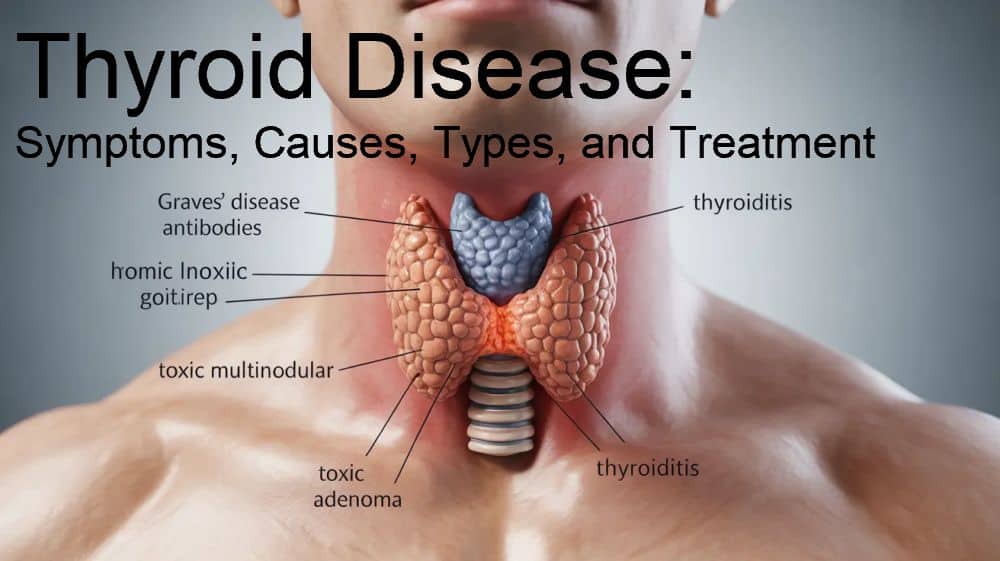
Thyroid disease refers to a variety of thyroid conditions that prevent the thyroid gland from functioning correctly. The thyroid gland, located in the neck, is responsible for producing thyroid hormone, which regulates metabolism, heart rate, and energy levels. When the thyroid gland produces too little or too much thyroid hormone, it leads to various symptoms of thyroid disease.
Types of Thyroid Disorders
The main types of thyroid disease include hypothyroidism, where the thyroid gland doesn’t make enough thyroid hormones, and hyperthyroidism, where the thyroid gland is overactive and produces too much thyroid hormone. Other thyroid disorders include thyroid nodules, thyroid cancer, and inflammation of the thyroid. These conditions can significantly impact the levels of thyroid hormones.
Risk Factors for Thyroid Disease
Several factors can increase the risk of developing thyroid problems. Autoimmune diseases, such as Hashimoto’s disease (a common cause of hypothyroidism), family history of thyroid disorders, certain medications, and exposure to radiation can all contribute to thyroid issues. Being aware of these risk factors can help people take proactive steps for early detection and management.
Symptoms of Thyroid Disease
Common Signs and Symptoms of Thyroid
The symptoms of thyroid disease can vary depending on the specific thyroid condition, but some common signs and symptoms include fatigue, weight changes, mood swings, and changes in heart rate. People experiencing these symptoms should consult a healthcare professional for a thorough evaluation and blood test to check thyroid hormone levels.
Symptoms of Hypothyroidism
Hypothyroidism, or underactive thyroid, occurs when the thyroid gland doesn’t make enough thyroid hormones. The symptoms of hypothyroidism are varied and can include:
- Fatigue
- Weight gain
- Constipation
- Dry skin
- Hair loss
- Sensitivity to cold
Hashimoto’s, an autoimmune disease, is a common cause of hypothyroidism. Treatment typically involves thyroid hormone replacement therapy to restore normal thyroid function.
Signs and Symptoms of Hyperthyroidism
Hyperthyroidism, or overactive thyroid, happens when the thyroid gland produces too much thyroid hormone. As a result, individuals may experience several signs and symptoms, including:
- Weight loss
- Rapid or irregular heart rate
- Anxiety and irritability
- Tremors
- Sweating
- Difficulty sleeping
Treatment options for hyperthyroidism may include medication, radioactive iodine, or thyroid surgery to reduce the amount of thyroid hormone.
Causes of Thyroid Disease
Common Causes of Thyroid Problems
Several factors can contribute to thyroid problems and the development of thyroid disease. Autoimmune diseases, such as Hashimoto’s disease, is a common cause of hypothyroidism, where the immune system mistakenly attacks the thyroid gland, affecting the thyroid’s ability to make thyroid hormone. In contrast, Graves’ disease is a frequent cause of hyperthyroidism, leading to an overactive thyroid. Genetic predispositions also play a significant role in determining an individual’s susceptibility to thyroid disorders.
Environmental and Genetic Factors
Environmental factors, including iodine deficiency or excess, can impact thyroid function and contribute to thyroid issues. Exposure to radiation, whether from medical treatments or environmental sources, can also elevate the risk of thyroid disease and thyroid cancer. Genetic factors influence an individual’s likelihood of developing autoimmune thyroid disorders. A family history of thyroid problems increases the risk of developing similar thyroid conditions.
Other Medical Conditions Affecting Your Thyroid
Certain medical conditions and medications can interfere with thyroid function and contribute to thyroid problems. For example, inflammation of the thyroid, known as thyroiditis, can disrupt thyroid hormone production. Additionally, some medications used to treat heart conditions or psychiatric disorders can affect the thyroid gland’s ability to produce enough thyroid hormones. Such medications affect the levels of thyroid hormone. It is important for people to inform their doctor if they take any medications.
Types of Thyroid Conditions
Hypothyroidism and Its Symptoms
Hypothyroidism, also known as underactive thyroid, occurs when the thyroid gland doesn’t make enough thyroid hormones. This deficiency can manifest in a variety of ways, including:
- Fatigue
- Weight gain
- Constipation
- Dry skin
- Hair loss
- Sensitivity to cold
Hashimoto’s disease is a common cause of hypothyroidism. Diagnosis typically involves a blood test to measure thyroid hormone levels and determine if the thyroid makes enough hormones.
Hyperthyroidism and Its Symptoms
Hyperthyroidism, or overactive thyroid, results from the thyroid gland producing too much thyroid hormone. Symptoms of hyperthyroidism include weight loss, rapid heart rate, anxiety, irritability, tremors, sweating, and difficulty sleeping. Graves’ disease is a frequent cause of hyperthyroidism. Treatment options vary depending on the severity and underlying cause, and may include medication, radioactive iodine, or thyroid surgery.
Thyroid Nodules and Cancer
Thyroid nodules are abnormal lumps that can develop within the thyroid gland. Most thyroid nodules are benign, but a small percentage may be cancerous. Symptoms of thyroid nodules are usually not present but an enlarged thyroid can be noticed. Diagnosis typically involves a physical exam, thyroid ultrasound, and possibly a thyroid scan or biopsy to determine if the nodule is cancerous. Thyroid cancer is a rare but treatable malignancy of the thyroid gland.
Treatment for Thyroid Disease
Medications for Thyroid Disorders
Medications play a crucial role in managing thyroid disorders and restoring normal thyroid function. For hypothyroidism, the primary treatment involves thyroid hormone replacement therapy, typically with synthetic thyroid hormone, to replenish the thyroid hormone levels. The dosage is carefully adjusted based on blood test results to ensure the appropriate amount of thyroid hormones and alleviate symptoms of hypothyroidism. Regular monitoring is essential to fine-tune the treatment plan.
Alternative Treatments and Lifestyle Changes
While conventional medical treatments are essential, some people also explore alternative therapies and lifestyle changes to support thyroid function. These may include dietary modifications, such as ensuring adequate iodine intake, managing stress through relaxation techniques, and engaging in regular physical activity. These approaches can complement medical treatment, however you should consult with a healthcare professional before trying them.
When to Consider Surgery for Thyroid Issues
Thyroid surgery may be considered in certain cases of thyroid problems, particularly when other treatment options are not effective or appropriate. Surgery may be recommended for large thyroid nodules causing compression, thyroid cancer, or severe hyperthyroidism unresponsive to medication or radioactive iodine. The decision to undergo thyroid surgery is made in consultation with a surgeon, considering the specific thyroid condition and overall health.
Diagnosis and Tests
How is thyroid disease diagnosed?
Diagnosing thyroid disease typically involves a thorough medical history, physical exam, and blood tests to assess thyroid function. Blood tests measure thyroid hormone levels, including TSH (thyroid-stimulating hormone) and thyroid hormones like T4 and T3. In some cases, a thyroid ultrasound or thyroid scan may be performed to evaluate the structure and function of the thyroid gland and identify any thyroid nodules or abnormalities.
Prevention
Can I prevent thyroid disease?
While not all types of thyroid disorders are preventable, certain measures can help reduce the risk or manage existing thyroid conditions. Ensuring adequate iodine intake through diet or supplementation is important for thyroid function, especially in areas where iodine deficiency is prevalent. Regular monitoring of thyroid function through blood tests is recommended for people with a family history of thyroid problems or other risk factors.
Conclusion
Thyroid disease encompasses a range of thyroid conditions that can significantly impact overall health and well-being. Recognizing the signs and symptoms of thyroid disease, understanding the different types of thyroid disorders, and seeking timely diagnosis and treatment are essential for effective management. With appropriate medical care, lifestyle modifications, and ongoing monitoring, individuals can lead healthy and fulfilling lives.