

Acid Reflux, commonly known as GERD, or Gastroesophageal Reflux Disease, is a prevalent condition affecting millions worldwide. This article aims to provide a comprehensive understanding of GERD, exploring its symptoms, causes, available treatments, and practical remedies to manage this condition effectively. Understanding GERD empowers individuals to take proactive steps toward relief and improved well-being.

What is GERD?
Definition of Gastroesophageal Reflux Disease
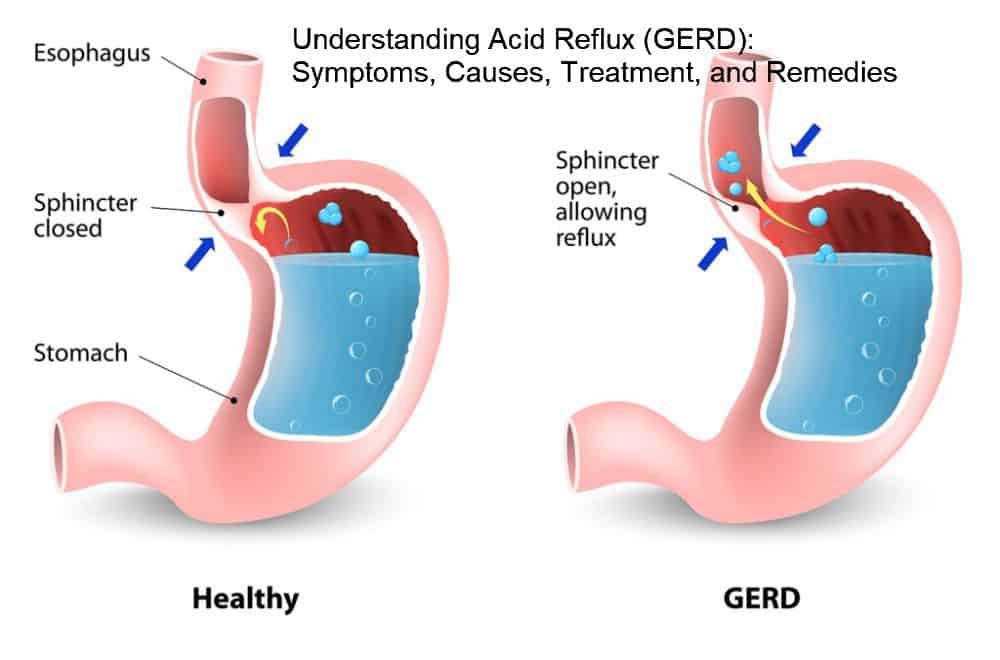
Gastroesophageal Reflux Disease, or GERD, is a chronic digestive disease that occurs when stomach acid or, more precisely, reflux of stomach contents flows back into the esophagus repeatedly. This reflux irritates the lining of the esophagus and causes heartburn or acid indigestion and other reflux symptoms. Understanding the definition of GERD is the first step to identifying and managing this condition effectively to alleviate discomfort.
Chronic Acid Reflux Explained
Chronic acid reflux, a key characteristic of GERD, involves the persistent reflux of stomach acid. This persistent acid reflux leads to frequent irritation of the esophagus. Unlike occasional acid reflux, chronic acid reflux signifies an ongoing issue where the esophageal sphincter doesn’t function correctly, allowing acid in the stomach to escape regularly. This ongoing exposure causes heartburn and other symptoms. Proper management is vital.
How Reflux Affects the Body
Reflux, especially in GERD, significantly affects the body, primarily irritating the esophagus. This irritation leads to heartburn, chest pain, and potential esophagitis. Over time, persistent acid reflux can cause complications of GERD, such as Barrett’s esophagus, increasing the risk of esophageal cancer. Additionally, acid reflux into the windpipe can lead to respiratory issues like coughing and shortness of breath.
Symptoms of GERD
Common Symptoms of Acid Reflux
Common symptoms of acid reflux, particularly in GERD, include heartburn or acid indigestion, a burning sensation in the chest, often after eating. Regurgitation, the sensation of acid reflux, is also a common symptom of GERD. Other frequent reflux symptoms involve bloating, nausea, and a sour taste in the mouth. Recognizing these common symptoms of GERD aids in early diagnosis and management.
Severe GERD Symptoms
Severe GERD extends beyond typical heartburn, featuring symptoms like difficulty swallowing (dysphagia), chronic cough, and worsening of asthma. Chest pain, mimicking a heart attack, can also manifest. These severe GERD symptoms often indicate esophagitis or other complications, necessitating prompt medical treatment. Immediate medical intervention is crucial to mitigate potential long-term health issues related to severe GERD.
Recognizing Symptoms of GERD
Recognizing symptoms of GERD involves identifying frequent heartburn, regurgitation, and a sour taste, all signs of acid reflux. Additional indicators include bloating, nausea, and a persistent sore throat. Being aware of these acid reflux symptoms enables individuals to seek timely medical advice. Early diagnosis and management can prevent complications and improve quality of life, reducing acid reflux.
Causes of GERD
Understanding the Causes of Acid Reflux
Understanding the causes of GERD involves several factors, with a primary contributor being a malfunctioning esophageal sphincter. This sphincter normally prevents reflux of stomach contents into the esophagus. However, when it weakens or relaxes inappropriately, acid reflux occurs. Hiatal hernia, where part of the stomach pushes up through the diaphragm, can also contribute to acid reflux. Recognizing these underlying causes is crucial for effective management.
Risk Factors for Developing GERD
Here are some factors that can contribute to a higher risk of developing GERD. These include:
- Obesity, which puts pressure on the stomach.
- Pregnancy, due to hormonal changes and abdominal pressure.
- Smoking, as it weakens the esophageal sphincter.
- Certain medications, such as NSAIDs.
How Lifestyle Choices Contribute to Reflux
Lifestyle choices significantly impact reflux. A diet high in fatty or spicy foods can increase acid production and lead to heartburn. Consuming large meals or eating close to bedtime can also trigger acid reflux. Alcohol and caffeine can relax the esophageal sphincter, allowing stomach acid to escape into the esophagus and cause heartburn or acid indigestion. Making appropriate lifestyle changes can significantly reduce acid reflux symptoms and the risk of GERD.
Diagnosis of GERD
GERD Diagnosis Process
The GERD diagnosis process typically begins with a review of symptoms and medical history. If common symptoms, like frequent heartburn or acid indigestion, are present, the doctor may recommend lifestyle changes and over-the-counter antacids. If symptoms persist, further testing may be necessary. Additional tests may include an endoscopy to visualize the esophagus or esophageal pH monitoring to measure acid levels. A comprehensive treatment plan can be developed after accurate diagnosis.
Tests Used to Diagnose Acid Reflux
Several tests aid in the diagnosis of GERD. Some of these tests and their purposes are summarized below:
| Test | Purpose |
|---|---|
| Endoscopy | Checks for esophagitis or other abnormalities in the esophagus. |
| Esophageal pH monitoring | Tracks acid levels in the esophagus over 24 hours. |
Esophageal manometry measures the function of the esophageal sphincter. A barium swallow involves drinking a solution that coats the esophagus, allowing for better visualization on an X-ray, aiding in diagnosis and potential complications.
When to Seek Medical Advice
Seeking medical advice is crucial if you experience frequent or severe symptoms, such as persistent heartburn, difficulty swallowing, or unexplained weight loss. If over-the-counter medicines that neutralize acid don’t provide relief, or if you have risk factors like a hiatal hernia, consult a healthcare professional. Ignoring acid reflux symptoms can lead to complications, including esophagitis or, in rare cases, esophageal cancer; hence the need for prompt medical attention.
Treatment Options for GERD
Overview of GERD Treatment Plans
A comprehensive treatment plan typically involves a combination of lifestyle changes, medications, and, in some cases, surgery. The primary goal is to relieve reflux symptoms, heal esophagitis, and prevent complications. Initially, healthcare providers often recommend lifestyle changes, such as dietary modifications and weight loss, alongside over-the-counter antacids or H2 blockers to manage occasional acid reflux. If these measures are insufficient, stronger medications or surgery may be considered.
Medical Treatment Options
Medical treatment options for GERD include several types of medications aimed at reducing acid production and neutralizing acid in the stomach.
| Medication Type | Mechanism of Action |
|---|---|
| Proton Pump Inhibitors (PPIs) | Reduce the amount of acid produced by the stomach. |
| H2 Blockers | Reduce acid production. |
| Prokinetics | Strengthen the esophageal sphincter and speed up stomach emptying. |
These medications help treat GERD and manage acid reflux effectively.
Home Remedies for Acid Reflux
Several home remedies can help manage acid reflux and alleviate mild GERD symptoms. Elevating the head of your bed can reduce acid reflux by using gravity to keep stomach contents in the stomach. Avoiding trigger foods that cause heartburn, such as spicy or fatty foods, can also help. Eating smaller, more frequent meals, and staying upright for a few hours after eating, can reduce acid production and reflux. These lifestyle changes can significantly improve acid reflux symptoms.
Complications of GERD
Potential Complications of Chronic Acid Reflux
Chronic acid reflux, if left untreated, can lead to several potential complications. Esophagitis, inflammation of the lining of the esophagus, is a common complication that can cause pain and difficulty swallowing. Over time, persistent acid reflux can also lead to Barrett’s esophagus, a precancerous condition that increases the risk of esophageal cancer. Additionally, chronic acid can cause esophageal strictures, or narrowing of the esophagus, making it difficult to swallow.
Long-term Effects of Untreated GERD
The long-term effects of untreated GERD can significantly impact an individual’s quality of life. Persistent acid reflux can lead to chronic cough, asthma, and other respiratory problems due to acid reflux into the windpipe. Additionally, ongoing inflammation of the esophagus can increase the risk of developing esophageal cancer. Untreated GERD can also lead to dental problems, such as enamel erosion, due to frequent exposure to stomach acid.
When to Consider Surgery for GERD
Surgery is typically considered when medical treatment and lifestyle changes fail to provide adequate relief from severe symptoms or when complications develop. Nissen fundoplication is a common surgical procedure that strengthens the esophageal sphincter by wrapping the upper part of the stomach around it. This prevents reflux of stomach contents into the esophagus. Surgery can effectively treat GERD in carefully selected patients, reducing the need for long-term medication.
Do you suffer from acid reflux?
If you frequently experience heartburn or acid indigestion, you may be suffering from acid reflux. Symptoms such as regurgitation, difficulty swallowing, or chronic cough, could indicate a more serious condition. It’s essential to monitor these symptoms and consult a healthcare professional for an accurate diagnosis. Early detection and appropriate treatment can prevent complications and improve your overall well-being.
Conclusion
In conclusion, understanding acid reflux, its causes, and available treatments is crucial for managing this prevalent condition. By recognizing the common symptoms and adopting appropriate lifestyle changes, individuals can effectively reduce acid reflux and alleviate discomfort. Medical treatments, including medications and surgery, offer further relief for those with more severe symptoms or complications. Consulting with a healthcare professional is essential for personalized treatment plan and improved quality of life.