

Maintaining optimal wellness requires a deep understanding of the nutrients that fuel our bodies. Vitamin K is an essential compound that serves as a cornerstone for long-term physical health. It plays a critical role in blood coagulation and helps maintain strong skeletal integrity throughout your life.

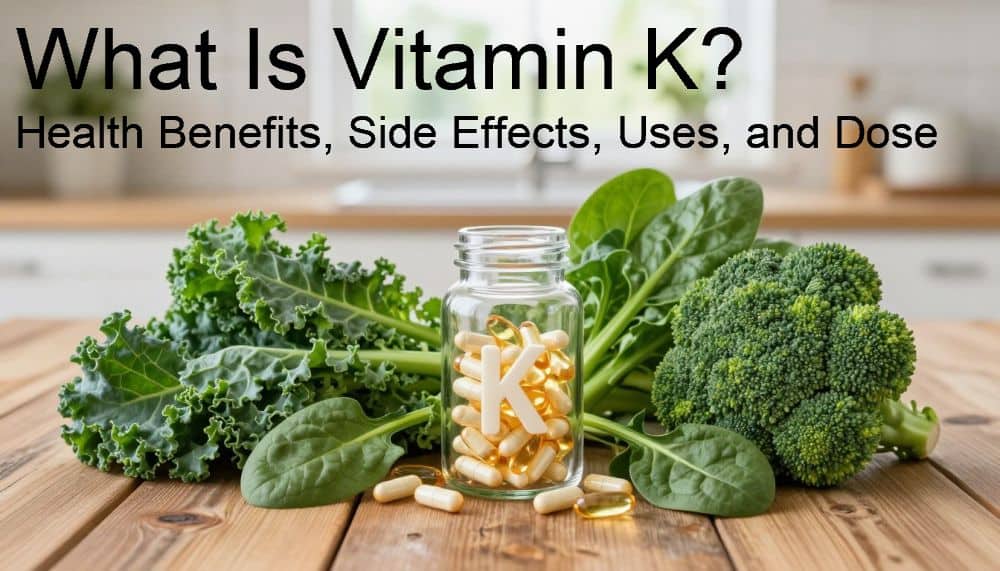
Many people overlook the benefit of vitamin k until they experience issues with bone density or clotting. By incorporating this nutrient into a balanced diet, you support your body’s daily functions effectively. Understanding the proper use of vitamin k ensures you receive the maximum advantage without unnecessary risks.
We will explore the recommended dosage and potential side effects of vitamin k to help you make informed choices. Learning why k is an essential vitamin empowers you to take control of your nutritional journey. Discover how these health benefits of vitamin k contribute to a vibrant and active lifestyle.
Key Takeaways
- This nutrient is vital for proper blood clotting and bone strength.
- Consistent intake supports long-term skeletal health and wellness.
- Understanding the correct dosage prevents potential complications.
- Dietary sources provide the most natural way to meet daily needs.
- Awareness of side effects helps in managing supplement safety.
Understanding What Vitamin K Is
When you explore the world of essential nutrients, you will find that vitamin K is a group of compounds rather than a single substance. This nutrient is vital for various physiological processes that keep your body functioning at its best. By learning how these compounds work, you can make better choices for your long-term wellness.
The Fat-Soluble Nature of Vitamin K
It is important to recognize that vitamin K is a fat-soluble nutrient. This means that your body stores it in fatty tissue and the liver, much like vitamin A and vitamin E. Because it is stored in the body, you do not necessarily need to consume it in large amounts every single day.
Since K is a fat-soluble vitamin, your body absorbs it most effectively when you eat it alongside dietary fats. This unique storage method allows your system to maintain a steady supply for essential tasks. Understanding this mechanism is key to ensuring your body has what it needs to thrive.
Distinguishing Between Vitamin K1 and Vitamin K2
You might be surprised to learn that this is a vitamin that comes in two primary forms. These two forms of vitamin K have different sources and roles within your biology. Distinguishing between vitamin K1 and vitamin K2 helps you understand how to balance your intake through your daily diet.
The following table highlights the primary differences between these two essential types:
| Feature | Vitamin K1 (Phylloquinone) | Vitamin K2 (Menaquinones) |
|---|---|---|
| Primary Source | Green leafy vegetables | Fermented foods and bacteria |
| Main Function | Blood clotting regulation | Bone and heart health |
| Absorption Rate | Generally lower | Generally higher |
Each form of vitamin K plays a distinct role in maintaining your health. While K1 is abundant in plant-based foods, K2 is often produced by bacteria. Incorporating a variety of these sources into your meals is a smart strategy for overall health.
The Role of Vitamin K in Blood Clotting
Often called the coagulation vitamin, vitamin K plays an important role in maintaining our internal balance. The liver utilizes this nutrient to activate specific compounds that stop excessive bleeding after an injury occurs.
When you experience a cut or scrape, your body initiates a complex chain reaction to form a blood clot. Without this vital nutrient, the body would struggle to manage these essential repair mechanisms effectively.
How Vitamin K-Dependent Proteins Function
The primary function of this nutrient involves the activation of vitamin K-dependent proteins. These proteins are synthesized in the liver and are necessary for the coagulation cascade to proceed correctly.
“Nature does not hurry, yet everything is accomplished.” — Lao Tzu
By modifying these proteins, vitamin K helps the body regulate how and when blood thickens. This precise control ensures that we can heal from wounds while preventing dangerous internal clotting.
Vitamin K Prophylaxis and Prevention of Deficiency
In clinical settings, medical professionals prioritize the prevention of vitamin K deficiency through targeted interventions. One common practice is the administration of a vitamin K injection to newborns shortly after birth.
This vitamin K prophylaxis is a standard procedure designed to protect infants from vitamin K deficiency bleeding. Because newborns have limited stores of this nutrient, this early intervention is crucial for their long-term health.
Maintaining adequate levels of this nutrient throughout life remains a cornerstone of preventative medicine. By supporting the liver’s ability to process these proteins, we ensure that our body’s natural defense systems remain strong and responsive.
Vitamin K and Bone Health
Emerging research highlights how vitamin K may be the missing link in your quest for stronger, healthier bones. While many people focus solely on calcium, this nutrient is essential for maintaining the structural integrity of your skeleton. It works behind the scenes to ensure your body uses minerals effectively.
Impact of Vitamin K on Bone Mineral Density
The primary benefit of vitamin K lies in its ability to activate specific vitamin K-dependent proteins. These proteins, such as osteocalcin, are responsible for binding calcium to the bone matrix. Without enough of this nutrient, your body cannot properly mineralize bone tissue, which can lead to a decrease in density over time.
Research shows that vitamin K plays an important role in preventing age-related bone loss. By regulating how calcium is deposited, it helps keep your bones dense and resilient. In fact, k plays an important role in ensuring that calcium stays in your bones rather than accumulating in your arteries.
Synergy Between Vitamin K and Other Nutrients
Achieving optimal bone health requires a team effort from several key nutrients. Vitamin K and vitamin D work in close harmony to support your skeletal system. While vitamin D helps your body absorb calcium, vitamin K ensures that the calcium is directed exactly where it is needed most.
To maximize your vitamin K benefits, consider how these nutrients interact within your daily diet:
- Vitamin D: Enhances the absorption of calcium from your digestive tract.
- Calcium: Provides the raw material necessary for building strong bone tissue.
- Vitamin K-dependent proteins: Act as the “traffic controllers” that guide calcium into the bones.
- Magnesium: Supports the structural development of bone and aids in the activation of vitamin D.
By maintaining a balanced intake of these essential components, you provide your body with the tools it needs for long-term strength. Prioritizing these nutrients is a proactive step toward protecting your mobility as you age.
Dietary Sources of Vitamin K
Understanding which foods contain vitamin K is a simple step toward better long-term health. A balanced diet serves as the primary way to ensure you receive sufficient quantities of this essential nutrient to meet your body’s daily needs.
By focusing on whole, unprocessed ingredients, you can naturally boost your intake. Let us look at how different food groups contribute to your overall nutritional profile.
Foods Rich in Vitamin K1
Vitamin K1, also known as phylloquinone, is primarily found in plant-based foods. Leafy green vegetables are the most potent dietary sources of vitamin K available.
Foods rich in vitamin K include kale, spinach, collard greens, and Swiss chard. These vegetables are staples in many healthy diets and provide a high concentration of the nutrient per serving.
Cruciferous vegetables like broccoli and Brussels sprouts also contain vitamin K in significant amounts. Incorporating these into your meals ensures you maintain optimal levels throughout the week.
“Let food be thy medicine and medicine be thy food.”
Hippocrates
Sources of Vitamin K2 in the Diet
While K1 is abundant in plants, sources of vitamin K2—or menaquinones—are found in different types of food. These sources of vitamin K include fermented products and certain animal-based items.
Natto, a traditional Japanese dish made from fermented soybeans, is widely considered one of the best sources of vitamin K2. Other options include specific types of cheese, egg yolks, and grass-fed butter.
The following table highlights the varying vitamin K content found in common food items:
| Food Item | Type | Nutrient Density |
|---|---|---|
| Kale | Vitamin K1 | Very High |
| Natto | Vitamin K2 | Very High |
| Spinach | Vitamin K1 | High |
| Hard Cheese | Vitamin K2 | Moderate |
Understanding the distinction between vitamin K1 and vitamin K2 helps you make informed dietary choices. By diversifying your plate, you ensure that your body benefits from the unique biological profile of both forms.
Recommended Daily Intake of Vitamin K
Achieving the proper daily intake of vitamin K is simpler than you might think when you follow established guidelines. While many people focus on other nutrients, ensuring you get enough vitamin K is vital for maintaining healthy blood clotting and bone density. By understanding the recommended amounts of vitamin K, you can make informed choices about your meals and overall wellness.
Guidelines from the National Institutes of Health
The National Institutes of Health provides clear recommendations to help the public understand their nutritional requirements. According to the fact sheet for health professionals, the adequate intake for adult men is 120 micrograms per day. This specific vitamin K is 120 micrograms target serves as a baseline for healthy adults.
It is important to note that these figures are based on general population data. While many people get enough vitamin K through a balanced diet, specific health goals may require closer attention to your dietary vitamin K consumption. Always consult with a professional if you are unsure about your specific dosage needs.

Factors Influencing Your Vitamin K Needs
Several variables influence how much vitamin K your body requires on a daily basis. Your age, biological sex, and underlying health conditions play a significant role in how you process this nutrient. For instance, individuals with certain digestive issues may need to adjust their dietary intake of vitamin K to ensure optimal absorption.
Furthermore, vitamin K intakes are associated with your overall lifestyle and food choices. If you consume a diet rich in leafy greens, you are likely to get vitamin K in sufficient quantities naturally. The following table outlines the general recommendations for different groups to help you track your daily vitamin K progress.
| Population Group | Recommended Daily Intake (mcg) | Primary Focus |
|---|---|---|
| Adult Men | 120 mcg | Maintenance |
| Adult Women | 90 mcg | Maintenance |
| Adolescents | 60–75 mcg | Growth Support |
| Children | 30–55 mcg | Development |
By monitoring your intake of vitamin K, you take a proactive step toward better health. Remember that consistency is key when trying to get enough vitamin K throughout the week. Small, intentional changes to your diet can make a significant difference in meeting these nutritional targets.
Identifying Vitamin K Deficiency
Although severe cases are uncommon, identifying the risk factors for low vitamin K levels is a smart health move. While k deficiency is very rare in healthy adults, certain individuals may struggle to maintain adequate amounts of this essential nutrient. Understanding these patterns helps you stay ahead of potential health issues.
Risk Factors for Low Vitamin K Levels
Several conditions can interfere with how your body absorbs or utilizes nutrients. People with low vitamin k often deal with underlying digestive issues that prevent proper absorption. Common risk factors include:
- Chronic malabsorption syndromes like celiac disease or inflammatory bowel disease.
- Long-term use of certain medications, such as antibiotics or blood thinners.
- Liver disease, which can impact the storage and concentrations of vitamin K in the body.
In clinical settings, medical professionals may use vitamin k prophylaxis to support patients who are at a high risk of low vitamin k. This proactive approach ensures that your body maintains the necessary blood levels of vitamin k to function optimally.
Symptoms and Health Consequences of Deficiency
When your body lacks sufficient nutrients, it often sends subtle signals. The most common sign of low levels of vitamin k is an increased tendency to bruise or bleed easily. You might notice that minor cuts take longer to stop bleeding than usual.
“Good health is not something we can buy. However, it can be an extremely valuable savings account.”
— Anne Wilson Schaef
If you ignore these signs, the risk of low vitamin k can lead to more serious complications. Persistent low blood levels of vitamin can negatively impact bone density and cardiovascular health over time. If you suspect you have low vitamin k levels, it is important to speak with a healthcare provider to check your levels of vitamin k through simple testing.
Remember that vitamin k deficiency bleeding is a serious condition that requires immediate medical attention. By monitoring your vitamin k levels, you protect your long-term wellness and ensure your body’s clotting mechanisms remain strong.
Vitamin K Supplementation and Usage
Deciding when to add a vitamin K supplement to your daily routine requires a clear understanding of your personal health needs. While many people obtain sufficient amounts of vitamin K through a balanced diet, certain individuals may find that supplementing with vitamin K is necessary to maintain optimal levels.
This is especially true for those who struggle with vitamin K absorption due to underlying digestive issues or specific medical conditions. If you are considering this path, it is vital to work alongside a healthcare professional to ensure you are using the right approach for your body.
When to Consider a Vitamin K Supplement
Supplementing with vitamin K may be beneficial if you have difficulty consuming enough leafy greens or fermented foods. Some individuals have health goals that require higher levels of this nutrient than what is typically found in a standard diet.
Furthermore, those with malabsorption syndromes, such as celiac disease or gallbladder issues, often face challenges with nutrient uptake. In rare cases, a medical professional might recommend a vitamin K injection to address an acute deficiency quickly. Always consult your doctor to determine if you are taking too much vitamin K or if your current intake is insufficient.
Forms of Vitamin K Available for Consumption
When you decide to take vitamin K, you will encounter different options on the market. The primary form of vitamin K you choose can impact how effectively your body utilizes the nutrient. Common sources of vitamin K include synthetic versions like K1 (phylloquinone) and natural forms like K2 (menaquinone).
Understanding the differences between these types is key to successful supplementation. The following table outlines the primary characteristics of these common forms to help you make an informed choice.
| Form | Primary Source | Bioavailability |
|---|---|---|
| Vitamin K1 | Leafy Green Vegetables | Moderate |
| Vitamin K2 (MK-4) | Animal Products | High |
| Vitamin K2 (MK-7) | Fermented Foods | Very High |
The use of vitamin K in your daily regimen should be guided by your specific health objectives. Whether you choose a natural or synthetic form of vitamin K, consistency and professional oversight remain the most important factors for safety and efficacy.
Interactions Between Vitamin K and Medications
If you are taking blood-thinning medication, understanding the role of nutrients is vital for your safety. Certain dietary components can influence how your body processes specific life-saving drugs. Being aware of these interactions helps you maintain stable health while following your doctor’s orders.
Vitamin K Antagonists and Warfarin Effects
Vitamin K is well-known for its interaction with vitamin K antagonists, such as warfarin. These medications are commonly prescribed to prevent a dangerous blood clot from forming in the body. Warfarin works by blocking the recycling of this nutrient, which effectively slows down the clotting process.
When you take vitamin K, it can counteract the medication’s purpose. High concentrations of vitamin in your system may decrease the effects of warfarin, making the drug less effective at its job. This is why medical professionals closely monitor the blood levels of vitamin K in patients undergoing this specific therapy.
Managing Sudden Changes in Vitamin K Intake
Consistency is the most important factor for patients on blood-thinning medication. Sudden changes in vitamin K intake can lead to unpredictable fluctuations in your clotting time. If you drastically increase or decrease your consumption, your medication may no longer provide the intended protection.
It is essential to keep your daily levels of vitamin K intake relatively stable. You should never make major adjustments to your diet without first speaking to your healthcare provider. They can help you monitor your low vitamin K levels or high intake to ensure your treatment remains safe and effective.
Always remember that small, gradual shifts are easier for your body to manage than sudden changes in vitamin K intake. By working closely with your medical team, you can safely enjoy a balanced diet while managing your health. Open communication with your doctor is the best way to avoid complications related to your vitamin K levels.
Potential Side Effects and Safety Considerations
While vitamin K is essential for maintaining optimal health, understanding its safety profile is vital for anyone considering supplementation. Most individuals obtain sufficient amounts through a balanced diet, but some may choose to use a vitamin K supplement to address specific needs. Being aware of how your body responds to these nutrients helps you distinguish between normal physiological changes and signs that require attention.
Efficacy and Safety of High-Dose Vitamin K
The efficacy and safety of vitamin K are generally well-regarded when consumed in standard amounts. However, taking high-dose supplements can sometimes lead to unexpected adverse effects. It is important to recognize that more is not always better when it comes to fat-soluble nutrients.
Some individuals might experience mild digestive discomfort or skin reactions when starting a high-dose regimen. Monitoring your body for any unusual symptoms is a smart way to ensure your wellness journey remains positive. Understanding the potential side effects of vitamin k allows you to make informed decisions about your health.
When to Consult a Health Care Provider
Before you begin any new supplement routine, it is crucial to speak with a qualified health care provider. They can evaluate your current health status and determine if a supplement is truly necessary for your specific situation. This professional guidance helps minimize risks and ensures that your intake aligns with your overall wellness goals.
You should also reach out to your health care provider if you notice persistent adverse effects after starting a new product. They can help you adjust your dosage or identify if the side effects of vitamin k are related to other medications you might be taking. Prioritizing open communication with your medical team is the safest way to manage your vitamin K intake effectively.
The Importance of Vitamin K for Heart Health
Beyond bone health, recent studies highlight how vitamin K is involved in cardiovascular wellness. While many people associate this nutrient primarily with blood clotting, its influence extends deep into the circulatory system. Researchers are finding that maintaining optimal levels of this nutrient may be a key factor in long-term heart health.
Research on Vitamin K and Cardiovascular Function
Current scientific literature continues to suggest that vitamin K plays a protective role in the body. Large-scale observational studies have tracked participants over several years to see how their intake correlates with heart outcomes. These findings indicate that individuals who regularly contain vitamin K in their diets often exhibit better markers of cardiovascular function.
The data points toward a strong link between adequate intake and the prevention of arterial stiffness. By supporting the proteins that regulate blood vessel integrity, vitamin K helps keep the cardiovascular system functioning smoothly. This makes it a significant focal point in modern preventative medicine.
How Vitamin K Helps Maintain Vascular Health
One of the most fascinating ways vitamin K helps the body is by preventing the calcification of arteries. When calcium is not properly managed, it can deposit in the vessel walls rather than the bones. This process, known as vascular calcification, can lead to reduced flexibility and increased strain on the heart.
By activating specific proteins, vitamin K and vitamin D work in tandem to ensure calcium is directed toward the skeletal system. This synergistic effect is vital for keeping arteries clear and flexible. The following table summarizes how these mechanisms support your overall cardiovascular profile.
| Mechanism | Primary Benefit | Impact on Heart |
|---|---|---|
| Protein Activation | Prevents arterial calcification | Maintains vessel elasticity |
| Calcium Regulation | Directs minerals to bones | Reduces plaque buildup risk |
| Vascular Support | Improves blood flow efficiency | Lowers cardiovascular stress |
Ultimately, k helps the body maintain a delicate balance between bone density and vascular health. Incorporating a variety of nutrient-dense foods into your daily routine is a simple, effective strategy for supporting your heart. Prioritizing these habits today can lead to better heart health outcomes in the future.
Conclusion
Maintaining your vitamin k status is a vital step toward long-term wellness. This fat-soluble vitamin serves as an essential building block for your body, supporting everything from bone health to cardiovascular function. Because vitamin k is a group of compounds, understanding how to get enough through dietary sources of vitamin k is key to a balanced lifestyle.
The National Institutes of Health suggests that the daily intake of vitamin k is 120 micrograms for most adults. While k deficiency is very rare in healthy individuals, those taking vitamin k antagonists like warfarin must monitor their levels closely. Sudden changes in vitamin k intake can alter the effects of warfarin, so consistency remains your best strategy.
You might consider supplementing with vitamin k if your diet lacks variety or if you have specific health goals. Always prioritize whole foods, as sources of vitamin k include many nutrient-dense vegetables. Discussing your needs with a health care provider ensures you avoid adverse effects while maximizing the benefits of this powerful nutrient.
Your journey toward better health involves making informed choices about your daily vitamin k. By tracking your intake and staying aware of how this vitamin interacts with your body, you empower yourself to live a more vibrant life. Start today by incorporating more greens into your meals and keeping your nutrition goals in focus.
FAQ
What exactly is Vitamin K and why is it considered a fat-soluble vitamin?
Vitamin K is an essential nutrient that belongs to a group of fat-soluble vitamins, meaning your body stores it in the liver and fatty tissues for later use, much like vitamin A and vitamin E. It comes in two forms of vitamin k: vitamin K1 (phylloquinone), primarily found in green leafy plants, and vitamin K2 (menaquinones), which is found in fermented foods and animal products. Because k is a fat-soluble vitamin, it is best absorbed when consumed with a healthy source of fat.
How does Vitamin K help with blood clotting?
One of the most vital benefits of vitamin k is its role in coagulation. Vitamin k plays an important role in the synthesis of vitamin k-dependent proteins that allow your blood to thicken and form a blood clot when you are injured. Without a sufficient amount of vitamin k, the body cannot activate these proteins, which could lead to excessive bleeding. This is why a vitamin k injection is often given to newborns as vitamin k prophylaxis to prevent vitamin k deficiency bleeding.
Can vitamin k supplementation improve my bone health?
Yes, research suggests that vitamin k helps maintain strong bones. Specifically, vitamin k on bone mineral density has been a major focus of clinical studies, as the nutrient helps direct calcium into the bone matrix rather than letting it settle in your arteries. By supplementing with vitamin k, especially in combination with Vitamin D, you may support long-term skeletal integrity and reduce the risk of fractures as you age.
What are the best dietary sources of vitamin k?
To ensure you get enough vitamin k, you should focus on a variety of whole foods. Sources of vitamin k include leafy greens like kale, spinach, and collard greens, which are exceptionally high in vitamin K1. For those looking for vitamin k2, foods like natto (fermented soybeans), egg yolks, and certain aged cheeses are excellent options. Maintaining a steady dietary intake of vitamin k through these foods rich in vitamin k is the most natural way to keep your levels stable.
How much vitamin k should I take daily according to experts?
The National Institutes of Health provides a fact sheet for health professionals that outlines specific guidelines. For adult men, the recommended daily vitamin k intake (Adequate Intake) is 120 micrograms, while for women, it is 90 micrograms. Your specific dosage may vary based on your age and overall vitamin k status, so it is always a good idea to check with your health care provider to see if you are meeting these levels of vitamin k intake.
Is a vitamin k deficiency common?
Actually, k deficiency is very rare in healthy adults who eat a balanced diet. However, people with low vitamin k levels are usually those with severe malabsorption issues or those taking certain medications. Symptoms of a vitamin k deficiency include easy bruising, small blood clots under the nails, and mucosal bleeding. If you suspect you have low blood levels of vitamin k, a simple blood test can determine your status.
Does vitamin k have an effect on heart health?
Emerging evidence suggests that vitamin k may play a protective role in heart health. By activating proteins that prevent calcium from building up in the walls of your blood vessels, vitamin k helps maintain vascular flexibility. Maintaining optimal blood levels of vitamin k is increasingly seen as a way to support overall cardiovascular function and long-term wellness.
Can I take vitamin k if I am on blood thinners like Warfarin?
This is a very important safety consideration. Vitamin k antagonists, such as Warfarin, work by blocking the action of Vitamin K to slow down clotting. Therefore, sudden changes in vitamin k intake can significantly decrease the effects of warfarin, making the medication less effective or increasing the risk of a blood clot. If you take vitamin k or change your diet significantly, you must coordinate closely with your doctor to manage your medication dosage safely.
Are there any side effects of vitamin k supplementation?
For most people, vitamin k intake from food or standard supplements does not cause adverse effects. However, very high doses could lead to side effects of vitamin k such as gastrointestinal upset or interactions with other medications. Because the efficacy and safety of vitamin k are dose-dependent, it is best to avoid supplementing with vitamin k in excessive amounts unless specifically directed by a medical professional.
What is the difference between vitamin k1 and vitamin k2 absorption?
While both are essential, vitamin k absorption varies between the two forms. Vitamin K1 is usually cleared by the liver more quickly, whereas vitamin K2 (especially the MK-7 form) tends to circulate in the blood longer, potentially reaching peripheral tissues like bones and vessel walls more effectively. Understanding this form of vitamin k difference can help you choose the right vitamin k supplement if your diet is lacking in specific areas.