

Wildfire smoke may contain polycyclic aromatic hydrocarbons (PAH), which have been linked to respiratory issues like asthma, heart disease and neurological and cognitive issues. It also contains ground-level ozone and other air pollutants that can affect health.
A recent study published in Fertility and Sterility involved 84 men undergoing fertility treatment who provided semen samples before and after major wildfire events occurring in 2018. The researchers found that smoke exposure was associated with a reduction in key measures of sperm quality.

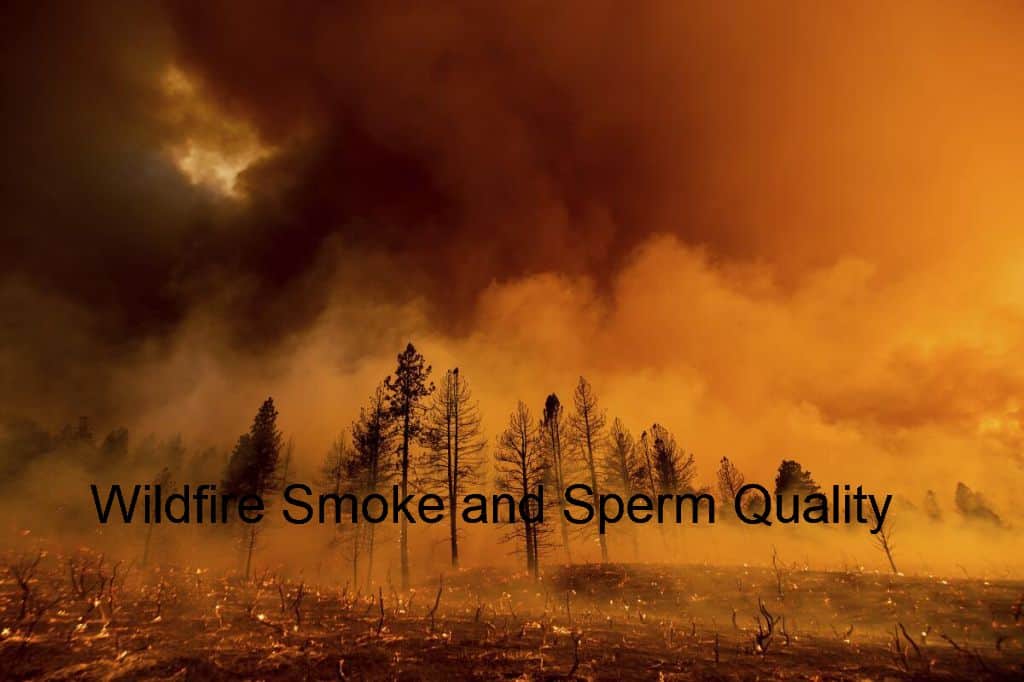
How Wildfire Smoke Might Damage Sperm
As wildfires become more common across the United States, some men may be facing a hidden toll when it comes to fertility. A new study has found that exposure to wildfire smoke can compromise key measures of sperm quality, potentially making it harder for couples trying to conceive.
Researchers in Seattle analyzed semen samples from 84 patients undergoing fertility treatments who were exposed to major wildfire smoke events in 2018 and 2022. The team compared the sperm levels before and after each event, finding that they consistently saw a drop in sperm concentration, total sperm count and sperm movement capability. One measure, the percentage of sperm that was progressively motile, actually showed a slight increase, but it wasn’t enough to offset the overall declines.
Using the RRBS platform to analyze DNA methylation in the sperm, the researchers found that the wildfire smoke caused a shift toward lower methylation, which means genes were less methylated than they were before the exposure. They also noticed a bimodal distribution of the methylation patterns in the sperm, with some genes being more methylated than others, which suggests that not all of the cells are affected equally.
The research builds on previous smaller studies that linked air pollution to reduced fertility, the researchers say. The team is now focusing on how smoke affects different parts of the body and how it might interact with other environmental factors to cause fertility problems.
The results from this study should be interpreted carefully, the authors note. It was not designed to test whether or how the sperm quality impacts fertility outcomes, and it’s not clear whether a person would recover from these effects over time. They are preparing to investigate how these changes might be influenced by other environmental factors, like diet and exercise. The researchers also plan to explore differences in the methylation patterns between wildfire smoke generated from different combustion sources, such as flaming and smoldering Douglas fir needles. This will help determine if the epigenetic effects of different combustion conditions might vary. Further, they plan to look at the differences in methylation patterns between the smoke-exposed mice and their control counterparts after 40 days of exposure.
Precautions During Wildfires
With rising global temperatures creating hotter and drier conditions, wildfires are becoming more common, especially in the United States. These dangerous fires pose an immediate risk to anyone in their path, but they also leave behind long-lasting dangers in the form of smoke pollution. Those who live in areas at risk of wildfires should take precautions during and after the smoke passes, including taking steps to protect their fertility.
The recent study published in Fertility and Sterility wasn’t designed to show how wildfire smoke might impact sperm in general, and it’s unclear whether sperm quality would recover to pre-exposure levels over time or remain low even after the air clears. However, the results support the need for more research on how wildfire smoke might impact fertility treatments and overall sperm health.
If you live in an area prone to wildfires, have an evacuation plan ready for your family to follow if necessary. Be sure to include contact information for each family member, a list of emergency supplies, a map with local shelters, and your medical history. Also, make sure to keep an eye on air quality using mapping tools and stay away from areas where there is still active fires or smoldering debris.
Inhaling the tiny particles in wildfire smoke can aggravate a variety of health problems, so be sure to wear a mask when going outdoors during high-pollution conditions. Additionally, you can keep your home as clean as possible to reduce the amount of pollution you breathe. This includes keeping windows and doors closed as much as possible, running
Taking Precautions After a Wildfire
A wildfire causes profound disruptions to the atmosphere. Its smoke can travel long distances, impacting the air quality and health of communities downwind. The smoke contains a mix of pollutants, including polycyclic aromatic hydrocarbons, nitrogen oxides, sulfur oxides, carbon monoxide and ground-level ozone. These gases can irritate the respiratory tract, lungs, eyes and skin, as well as cause cardiovascular and lung problems. They also contribute to climate change by trapping heat in the atmosphere.
Wildfires are increasingly occurring in “wildland-urban interface” areas, where communities live close to wild vegetation and fire-prone woods. As homes, vehicles and other sources of pollution burn in these areas, they release a dangerous mix of pollutants into the air. These include Volatile Organic Compounds (VOCs), which are organic chemicals with vapor pressures high enough to exist in the atmosphere primarily as gases, and Nitrogen Oxides (NOx), which are subgroups of gaseous pollutants that consist of nitric oxide and nitrogen dioxide. These react with volatile organic compounds and sunlight to produce ozone, a pollutant that can aggravate asthma, bronchitis and other respiratory diseases.
These volatile chemicals can also contain particulates, which can irritate the respiratory tract and lungs, as well as lead to heart disease, lung cancer and cognitive decline. They may also increase the risk of asthma attacks and heart attack in people with preexisting cardiac conditions. The study authors note that while the current research shows a link between wildfire smoke exposure and fertility, more work is needed to determine if these effects are permanent, or if sperm quality might return to its normal state over time.
The researchers used semen samples from men undergoing assisted reproductive technology who lived near the sites of major wildfires in Washington, Oregon and Idaho. They found that semen samples taken after wildfire smoke exposure had lower concentrations of sperm, and a lower percentage of sperm that was able to move effectively to reach an egg for fertilization. The results were consistent across different smoke-event years, and they align with prior smaller studies that have linked wildfire exposure to poorer sperm health.
Precautions to Take During a Wildfire
Wildfires are a growing problem due to global warming, and they pose an immediate risk for people and animals that live in their path. They also create harmful smoke that can travel far, impacting many communities. Fortunately, there are some precautions that you can take to help protect your family during and after wildfires.
During a wildfire, follow all local and state warnings and evacuation orders. Make a plan with your family and be ready to leave at a moment’s notice if needed. Remove combustible items from your property, such as lawn chairs and tables. Close flammable curtains and blinds, and detach any electrical garage doors. Stay away from smoldering stumps and brush. Wait for authorities to give the all-clear to return home.
You should also monitor the air quality and heed any health advisories, especially those related to smoky conditions. Children are especially at risk for respiratory issues, and should be kept indoors as much as possible. If a child feels sick, seek medical attention immediately. If you have sensitive skin, consider wearing a mask to filter out smoke particles. Ideally, this should be an N95 or KN95 mask designed for children, rather than a standard adult-sized mask.
It’s also a good idea to limit your child’s exposure to distressing media coverage about the wildfire. This can increase their stress levels, which can impact their health. Try to spend extra time with them and give them plenty of reassurance.
Despite the negative effects of wildfire smoke, you should remember that fire plays a crucial role in nature and helps to maintain healthy ecosystems. It’s important to remember that and use caution when it comes to burning debris, especially in windy conditions. You should also avoid areas that were recently burned, as the ground might contain hot ash and smoldering embers.
If you’re planning to pursue assisted reproductive technology, such as in vitro fertilization (IVF), it’s wise to talk to your urologist about how the frequent appearance of wildfires might affect sperm quality. These findings support the need for further research on this topic, especially since wildfires are expected to become more frequent due to climate change.