

The apricot is a vibrant stone fruit that has become a staple in kitchens across the United States. Known for its velvety skin and sweet, golden flesh, this fruit offers a refreshing burst of flavor in every bite. It is a popular choice for health-conscious individuals looking to add natural sweetness to their daily meals.
Beyond its delicious taste, this fruit provides many health benefits that support overall wellness. Whether you enjoy them fresh, dried, or baked into a treat, they are a versatile addition to any balanced diet. Understanding the benefits of apricot helps you make informed choices about your nutrition.

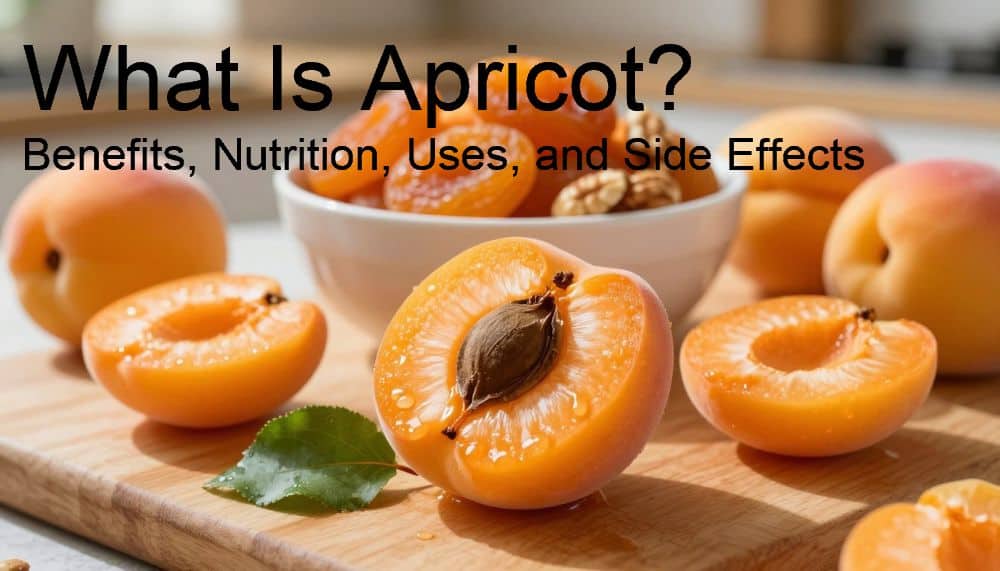
In this guide, we will explore the nutritional profile of this stone fruit. We will also examine the various health benefits it offers and discuss potential side effects to keep in mind. By the end of this article, you will have a complete understanding of why this fruit deserves a spot in your pantry.
Key Takeaways
- This stone fruit is packed with essential vitamins and minerals.
- It serves as a versatile ingredient for both sweet and savory dishes.
- Regular consumption supports digestive health and immune function.
- The fruit is widely available in both fresh and dried forms.
- Moderation is key to avoiding potential digestive side effects.
Understanding the Apricot: Origins and Characteristics
Few fruits carry as much history and charm as the golden-hued apricot. This stone fruit has traveled across continents to become a beloved staple in kitchens throughout the United States.
“The apricot is a sun-drenched treasure that bridges the gap between ancient tradition and modern nutrition.”
Botanical Profile of Prunus armeniaca
Scientifically known as Prunus armeniaca, this fruit belongs to the Rosaceae family, which also includes peaches and plums. It originated in the temperate regions of Central Asia, where it adapted to diverse climates over thousands of years.
The apricot fruit is characterized by its velvety skin and a single, hard pit at its center. The unique properties of apricot varieties often depend on the specific soil and sunlight conditions where the tree grows.
Varieties and Seasonal Availability in the United States
In the United States, you can find many delicious types of sweet apricot, such as the Blenheim or the Moorpark. These varieties are prized for their juicy texture and balanced flavor profile.
Most fresh apricot harvests occur during the warmer months, typically from May through August. During this peak window, high-quality apricots can be purchased at local farmers’ markets and grocery stores across the country.
Planning your shopping around these months ensures you enjoy the fruit at its absolute peak of ripeness. By understanding these seasonal patterns, you can make the most of this nutritious and versatile treat.
The Comprehensive Nutrition Profile of Apricots
Apricots are more than just a sweet treat; they are a powerhouse of essential nutrients. Understanding the nutrition profile of this fruit helps you make informed choices for your daily health. Whether you enjoy them straight from the tree or as a pantry staple, these fruits provide a significant boost to your wellness.
Key Vitamins and Minerals Found in Fresh Apricots
A fresh apricot is a fantastic source of vitamins that support your body’s daily functions. Apricots are rich in vitamin A, which is vital for maintaining healthy vision and immune system strength. Additionally, one cup of apricots provides a substantial amount of fiber and antioxidants.
Apricots also contain significant levels of vitamin C and vitamin E. These nutrients work together to protect your cells from oxidative stress. Because apricots are naturally high in potassium, they also play a key role in maintaining healthy blood pressure levels throughout the day.
Comparing Fresh Versus Dried Apricot Nutrition
When you examine the nutrition facts, you will notice distinct differences between fresh and dried varieties. Dried fruit is much more calorie-dense because the water content has been removed. While this concentrates the natural sugars, it also makes the nutrients more potent by volume.
Commercially dried apricots are a good source of iron and fiber, making them a convenient snack for sustained energy. However, it is important to be mindful of portion sizes due to the higher sugar concentration. The following table highlights the key differences in their nutritional makeup:
| Nutrient | Fresh Apricot (1 cup) | Dried Apricots (1/2 cup) |
|---|---|---|
| Calories | 74 kcal | 156 kcal |
| Fiber | 3.1g | 4.7g |
| Vitamin A | High | Very High |
| Iron | Low | Moderate |
Ultimately, both forms offer unique dried apricot benefits and fresh fruit advantages. By incorporating both into your diet, you ensure a diverse intake of essential vitamins. Apricots are a versatile addition to any healthy lifestyle, providing a delicious way to meet your nutritional goals.
Top Health Benefits of Adding Apricots to Your Diet
Discovering the top health benefits of apricots reveals why this fruit is a nutritional powerhouse. Adding apricots to your daily routine provides significant wellness benefits that support your body from the inside out. These small fruits offer a wide range of properties of apricot that contribute to a balanced lifestyle.
Antioxidant Properties and Fighting Oxidative Stress
Apricots are packed with powerful compounds that act as a shield for your cells. These antioxidant properties help neutralize harmful free radicals that cause oxidative stress in the body. By reducing this stress, you lower the risk of developing chronic diseases such as cancer.
The nutrient profile of this fruit is impressive, making it a smart choice for anyone focused on long-term health. Many health benefits stem from these protective qualities, which keep your internal systems functioning at their best.
Promoting Digestive Health and Regularity
If you struggle with an irregular system, you will be happy to know that apricots are rich in fiber. This essential nutrient is key to maintaining a healthy digestive tract. Rich in fiber, the fruit helps prevent constipation by adding bulk to your stool and encouraging smooth bowel movements.
Apricot helps keep your gut environment stable and efficient. Regular consumption is a natural way to support your digestive wellness without relying on harsh supplements.
Supporting Eye Health Through Essential Nutrients
Your vision requires specific vitamins to stay sharp as you age. Apricots are an excellent source of nutrients that promote eye health, including beta-carotene and vitamins A and E. These components work together to protect your eyes from environmental damage.
By including this fruit in your diet, you take a proactive step toward maintaining your sight. The benefits of apricot extend to your overall ocular wellness, ensuring your eyes receive the support they need to thrive.
Apricots and Skin Health: Achieving a Natural Glow
If you are looking for a natural way to boost your skin health, look no further than the humble apricot. These vibrant fruits are packed with essential nutrients that work from the inside out to support a radiant complexion. By adding them to your daily diet, you provide your body with the building blocks necessary for healthy skin.
How Vitamin C and Vitamin E Protect the Skin
Apricots are rich in vitamin C and vitamin E, two powerhouses that offer significant antioxidant properties. These nutrients are vital because they help neutralize free radicals, which are unstable molecules that can harm your cells. When your body is exposed to environmental stressors like pollution or UV rays, it experiences oxidative stress.
The vitamin C in apricots plays a crucial role in collagen synthesis, which keeps your skin firm and bright. Meanwhile, vitamin E acts as a protective shield, locking in moisture and preventing dryness. Together, they form a defensive team that helps protect the skin from damage caused by daily environmental exposure.
“True beauty is a reflection of internal wellness, and nourishing your body with antioxidant-rich foods is the first step toward a lasting, natural glow.”
Improving Skin Elasticity and Preventing Damage
Maintaining skin elasticity is essential for a youthful appearance, and the nutrients found in these fruits make that goal much easier to achieve. Regular consumption helps improve skin texture and resilience over time. Consider these key ways that apricots support your skin:
- Collagen Support: Vitamin C helps maintain the structural integrity of your skin.
- Hydration Boost: The natural vitamins help keep the skin barrier hydrated and supple.
- Damage Repair: Antioxidants assist in repairing the skin from damage caused by external factors.
Because apricots are rich in vitamin content, they serve as a simple, delicious addition to any beauty-focused diet. Whether you eat them fresh or dried, you are giving your skin the tools it needs to stay vibrant. Embracing these small dietary changes can lead to noticeable improvements in your overall skin health.
The Role of Apricots in Heart and Metabolic Health
Apricots are more than just a tasty snack; they play a vital role in maintaining metabolic balance. These fruits provide a dense source of vitamin content that supports overall bodily functions. By understanding how these nutrients interact with your system, you can make informed choices for your long-term wellness.
Potassium in Apricots and Healthy Blood Pressure
Potassium in apricots helps regulate fluid balance and nerve signals throughout the body. This mineral is essential for maintaining healthy blood pressure levels, which reduces the strain on your cardiovascular system. Because apricots are rich in this electrolyte, they serve as a heart-friendly addition to any meal plan.
When you consume enough potassium, your blood vessels can relax more effectively. This process is crucial for preventing hypertension and supporting long-term heart function. Furthermore, apricots also contain antioxidants that protect the skin and body from oxidative stress, which indirectly supports metabolic efficiency.
Managing Blood Sugar and Natural Sugars
Many people worry about fruit intake, but apricots contain natural sugars that are balanced by high fiber content. This combination ensures a slower release of glucose into your bloodstream. Because apricots are naturally high in water and fiber, they help you feel full without causing rapid spikes in insulin.
Maintaining stable blood sugar is a key component of metabolic health. Apricot helps stabilize these levels, making it a safe choice for most diets. Beyond metabolic benefits, the nutrients found in this fruit also improve skin health and maintain skin elasticity, shielding your skin from damage caused by environmental factors. Achieving healthy skin is often a reflection of a balanced internal metabolism.
| Nutrient | Heart Benefit | Metabolic Impact |
|---|---|---|
| Potassium | Supports healthy blood pressure | Regulates fluid balance |
| Fiber | Lowers cholesterol | Stabilizes blood sugar |
| Vitamin C | Reduces inflammation | Boosts immune response |
| Antioxidants | Protects arterial walls | Reduces oxidative stress |
Culinary Uses: How to Enjoy Apricots in Your Daily Meals
Discover how to elevate your daily meals with the vibrant flavor of the apricot. This versatile fruit brings a unique balance of tartness and sweetness to both savory and sweet dishes. Whether you are a home cook or a busy professional, adding apricots to your routine is a simple way to enhance your culinary creations.
Incorporating Fresh Sliced Apricots into Breakfasts
Starting your morning with fresh fruit is a fantastic habit. Sliced apricots add a burst of color and natural sweetness to your morning bowl of oatmeal or Greek yogurt. Because apricots can be eaten raw, they provide a refreshing crunch that pairs perfectly with crunchy granola or a drizzle of honey.
You can also blend them into smoothies for a quick nutrient boost. The vitamin C in apricots helps kickstart your immune system early in the day. This simple addition makes your breakfast feel like a gourmet treat without any extra effort.
Using Dried Apricots for Healthy Snacking and Baking
When fresh fruit is out of season, dried varieties are an excellent pantry staple. They are perfect for on-the-go snacking, providing a concentrated source of energy. You can also use them in your favorite muffin or cookie recipes to add a chewy texture and a sweet apricot flavor.
Many people enjoy eating apricot pieces mixed with nuts and seeds for a balanced trail mix. This combination offers a healthy dose of vitamin E, which is essential for skin health. Baking with these dried gems allows you to enjoy the fruit’s benefits all year round.
Creative Ways to Use Apricot Oil and Purees
Beyond the whole fruit, you can explore using apricots to make delicious sauces and dressings. Pureed fruit works beautifully as a glaze for roasted meats or as a base for vibrant salad dressings. It adds a subtle sweetness that complements savory herbs like rosemary or thyme.
Additionally, you can use apricot oil in your kitchen for light sautéing or as a finishing touch on roasted vegetables. This oil is prized for its delicate flavor profile and nutritional properties. By experimenting with these forms, you can maximize the potential of this incredible fruit in every meal.
Storage and Selection Tips for Fresh and Dried Fruit
Bringing home the perfect harvest requires a keen eye for quality and a bit of storage know-how. Because apricots can be purchased in various stages of ripeness, understanding how to pick the best fresh apricot is essential for enjoying the best flavor and texture.
How to Select the Best Fruit at the Grocery Store
When you are at the store, look for an apricot fruit that has a uniform, golden-orange color. Avoid fruits that appear pale or greenish, as these were likely picked too early and will not ripen properly at home.
Gently press the fruit to check for a slight give. A firm yet soft texture indicates that the fruit is ready to eat, which is perfect if you plan on using sliced apricots for a morning meal or a quick snack.
Remember that potassium in apricots helps support healthy blood pressure levels, so choosing high-quality fruit ensures you get the most nutritional value. Always inspect the skin for any bruises or soft spots that might indicate the fruit is past its prime.
Proper Storage Techniques to Maintain Freshness
Once you bring your haul home, knowing how fresh apricots can be stored will help you minimize waste. If your fruit is still a bit firm, keep it on the counter at room temperature until it reaches your desired level of softness.
To slow down the ripening process, place ripe fruit in the refrigerator. Keeping them in a plastic bag or a sealed container helps maintain their moisture, ensuring you have a steady supply of potassium-rich snacks throughout the week.
If you have purchased dried varieties, store them in a cool, dark place in an airtight container. This simple step prevents them from drying out further and keeps them delicious for months.
Understanding Potential Side Effects and Precautions
Enjoying fresh fruit is generally healthy, but being aware of potential side effects of apricots ensures a better experience. While apricots can be eaten safely by most people, it is wise to monitor your body’s reaction when you first start regular apricot consumption. Understanding these warnings is essential for anyone looking to add the fruit to their daily diet.
Digestive Sensitivity and Fiber Intake
Apricots are a fantastic source of dietary fiber, which is excellent for your health. However, an apricot might cause discomfort if you are not used to high-fiber foods. Rapidly increasing your intake can lead to issues within your digestive tract, such as bloating or gas.
To support healthy digestion, it is best to introduce the fruit slowly. If you notice any digestive sensitivity, simply reduce your portion size until your system adjusts. Keeping your intake moderate allows you to enjoy the benefits without the unwanted side effects.
Safety Concerns Regarding Apricot Kernels and Seeds
While the flesh of the fruit is nutritious, the inner part of the pit requires caution. The apricot kernel, found inside the hard shell, contains a compound that can release cyanide when ingested. Because of this, you should avoid apricot seeds entirely to prevent potential toxicity.
When taking apricot products, always ensure they are processed correctly and do not contain ground pits. Follow these safety tips to keep your snacking experience positive:
- Avoid eating the pits: Never crack open the shell to consume the seed inside.
- Check labels: Ensure that any apricot-based supplements or oils are sourced from reputable manufacturers.
- Listen to your body: If you feel unwell after eating, stop consumption and consult a healthcare professional.
Apricots in the Context of Weight Management
Achieving a healthy weight requires a balanced approach to nutrition and exercise, and the right snacks can make a big difference. Integrating whole foods into your daily routine helps you stay satisfied while meeting your body’s needs. Apricots are a fantastic addition to any wellness plan because they provide essential nutrients without excessive energy intake.
Why Apricots Are Low in Calories and High in Water
One of the primary health benefits of this fruit is its impressive volume-to-calorie ratio. Because apricots are low in calories and possess a high water content, they allow you to consume a larger portion size compared to processed snacks. This helps you feel full and satisfied, which is a key factor in preventing overeating.
When you look at the nutrition facts, you will see that one cup of apricots provides a significant amount of fiber and vitamins. This nutrition profile supports your overall goals, including the ability to promote eye health through beta-carotene. By choosing fresh options, you keep your caloric intake manageable while enjoying a sweet, refreshing treat.
“Mindful eating is not just about what you eat, but how you listen to your body’s signals of hunger and fullness.”
The Importance of Portion Control for Dried Fruit
While fresh fruit is excellent, it is important to understand the dried apricot benefits when managing your weight. Dried fruit is much more calorie-dense because the water has been removed, concentrating the natural sugars. Although apricots contain natural sugars, the lack of water means you can easily consume more calories than intended if you are not careful.
To maximize the health benefits of apricots, consider the following comparison to help you plan your snacks effectively:
| Fruit Type | Calorie Density | Water Content | Portion Suggestion |
|---|---|---|---|
| Fresh Apricots | Low | High | 1-2 Cups |
| Dried Apricots | High | Low | 1/4 Cup |
| Apricot Puree | Moderate | Moderate | 1/2 Cup |
Always remember that apricot nutrition is most effective when consumed as part of a varied diet. By practicing portion control with dried varieties, you can enjoy their concentrated flavor while staying on track with your fitness journey. Keeping these simple guidelines in mind ensures you get the best results for your long-term health.
The Science of Gut Health and Fiber Content
Apricots are more than just a sweet treat; they are a powerhouse for your internal ecosystem. When you focus on your digestive tract, the quality of your food intake becomes the most important factor. Apricots are rich in fiber, making them an excellent choice for anyone looking to improve their daily wellness routine.

Soluble and Insoluble Fiber Benefits
To understand how this fruit aids digestion, we must look at the two types of fiber it contains. Soluble and insoluble fiber work together to keep your system moving smoothly. Soluble fiber dissolves in water to form a gel-like substance, which helps soften your stool and supports healthy cholesterol levels.
On the other hand, insoluble fiber adds bulk to your diet and helps food pass more quickly through the stomach and intestines. Because apricots are rich in fiber, regular apricot consumption provides a balanced mix of both types. This combination is essential for preventing discomfort and maintaining a healthy digestive tract.
Supporting Beneficial Gut Bacteria
Your gut health relies heavily on the balance of microorganisms living in your system. These beneficial gut bacteria thrive when you provide them with the right fuel, such as the natural fibers found in fresh fruit. By taking apricot into your diet, you are essentially feeding these good microbes, which in turn strengthens your immune system.
While many people focus on the fruit, it is important to note that other parts of the plant, such as the apricot kernel or apricot seeds, are not typically used for their fiber content. Instead, focus on using apricots to make fresh snacks or smoothies to maximize your intake. While you might see products like apricot oil on the market, they do not offer the same digestive benefits as the whole fruit. Consistent fiber intake is the key to long-term gut health and overall vitality.
Conclusion
Adding Prunus armeniaca to your pantry offers a simple way to boost your daily nutrition. These fruits provide impressive wellness benefits that support your body from the inside out. You can easily enjoy apricots as a snack or a flavorful addition to your favorite recipes.
The top 10 health benefits of this fruit stem from its rich profile of vitamins and minerals. Because apricots are low in calories and possess a high water content, they fit perfectly into a balanced diet. Proper nutrition and exercise remain the best path toward reaching your personal health goals.
Your gut health relies on a steady intake of fiber to function at its best. The soluble and insoluble fiber found in this fruit helps feed beneficial gut bacteria. While an apricot might seem like a small snack, its impact on your digestive system is significant.
Be mindful of the potential side effects of apricots if you have a sensitive stomach. Always remember that fresh apricots can be stored properly to maintain their peak quality. Making smart food choices today leads to a healthier tomorrow. Start incorporating this vibrant stone fruit into your meals to experience the difference for yourself.
FAQ
What are the main health benefits of apricots?
The top 10 health benefits of this fruit include its ability to promote eye health, improve digestion, and support healthy skin. Apricots are rich in vitamin A, C, and E, which provide powerful antioxidant properties to combat oxidative stress. These essential nutrients help protect the skin from damage and may even reduce the risk of chronic diseases such as cancer.
How does a fresh apricot compare to dried apricots in terms of nutrition?
When looking at the apricot nutrition profile, a fresh apricot is low in calories and has a high water content, making it great for hydration. However, dried apricots contain a more concentrated source of vitamin counts and minerals per serving. While dried fruit is more calorie-dense, it offers excellent dried apricot benefits like a quick energy boost, though apricots contain natural sugars that require portion control.
Can eating apricot help with digestive issues like constipation?
Yes, apricot helps significantly with gut health. Apricots are rich in fiber, specifically both soluble and insoluble fiber, which increases the bulk of your stool and stimulates regular bowel movements. This fiber also feeds beneficial gut bacteria in your digestive tract, making apricot consumption a natural way to prevent constipation and maintain a digestive balance.
How do the nutrients in apricots improve skin health?
To achieve glowing skin, many people use apricot oil or eat the fruit daily because apricots also contain high levels of vitamin C and vitamin E. These vitamins help improve skin by boosting collagen production, which enhances skin elasticity and helps protect the skin from damage caused by free radicals and UV exposure.
Is the potassium in apricots helps with heart health?
Absolutely. The potassium found in apricots is a good source of electrolytes that help maintain healthy blood pressure. This mineral works to balance fluid levels in the body and eases tension in the blood vessels, providing vital cardiovascular wellness benefits.
Are there any side effects of apricots or safety concerns regarding apricot seeds?
While the apricot fruit is safe and healthy, you should be careful with apricot seeds or the apricot kernel. These can contain amygdalin, which the body converts to cyanide. Additionally, commercially dried apricots often contain sulfites to preserve their color, which apricot might cause sensitivity in some individuals. Always monitor your intake to avoid the potential side effects of apricots related to excessive fiber or sulfite exposure.
How can I best enjoy apricots in my daily meals?
There are so many ways to enjoy apricots! You can add sliced apricots to your morning Greek yogurt or oatmeal for a sweet apricot flavor. Fresh apricots can be stored on the counter until they are soft and then moved to the fridge. For a savory twist, apricots can be eaten in salads or using apricots to make a glaze for roasted chicken or pork. High-quality fruit from brands like Sun-Maid or Mariani can be found wherever apricots can be purchased in the dried fruit aisle.
How do apricots fit into a plan for nutrition and exercise?
Because apricots are low in fat and one cup of apricots provides a wealth of essential nutrients, they are an ideal snack for weight management. When you combine proper nutrition and exercise, the soluble fiber in the fruit helps you feel full longer, preventing overeating. This makes taking apricot as a pre-workout or post-workout snack a smart, healthy choice.