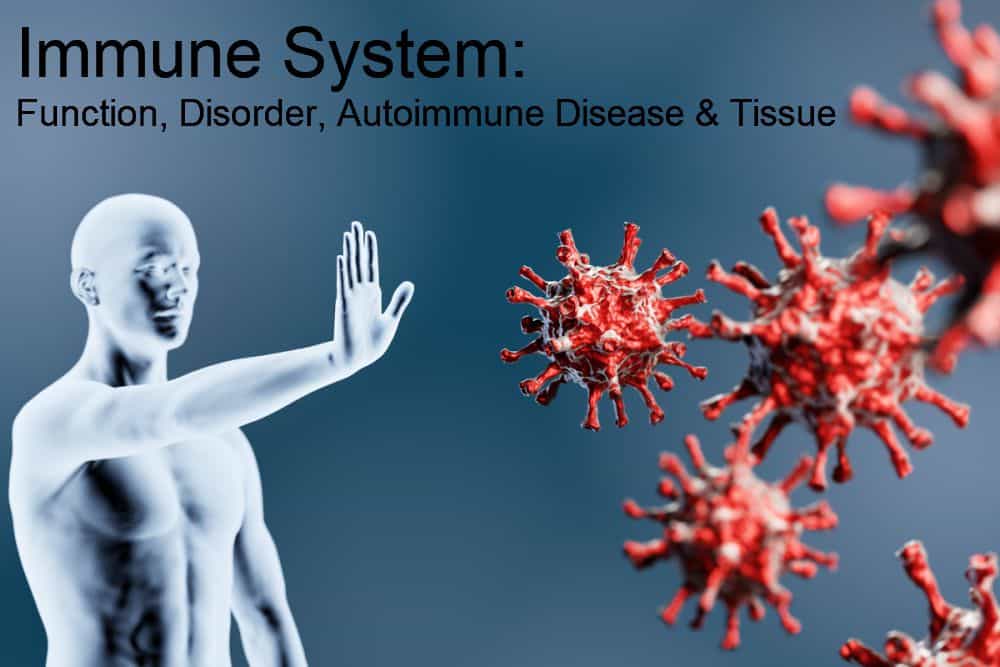
The immune system is a complex network of organs, tissues, and cells that work together to protect the body from harm. It is essential for survival, as it defends against a constant barrage of potential threats, ranging from bacteria and viruses to parasites and fungi. When the immune system functions properly, it can recognize and eliminate these invaders, preventing infections and diseases. However, when the immune system is compromised or malfunctions, it can lead to a variety of health problems.
Understanding the Immune System
What is the Immune System?
The immune system is a complex network of cells, tissues, and organs that defends the body against harmful invaders. It is the body’s primary defense mechanism against infections and diseases, working tirelessly to maintain overall health. The immune system recognizes and attacks foreign substances, such as bacteria or viruses, while distinguishing them from the body’s own tissues. This recognition process is crucial for preventing the immune system from attacking healthy cells, which can lead to autoimmune disease.
Components of the Immune System
The components of the immune system include a variety of organs, tissues, and cells. Among the key players, we find:
- The bone marrow, where lymphocytes are produced.
- The thymus, an organ responsible for T-cell maturation.
- The spleen, which filters blood and removes damaged cells.
- Lymph nodes, which filter lymph.
The lymphatic system plays a vital role in transporting immune cells and facilitating the immune response.
The Role of White Blood Cells
White blood cells, also known as leukocytes, are essential components of the immune system and play a critical role in defending the body from invaders. There are several types of white blood cells, each with specific functions. Lymphocytes, including T cells and B cells, are responsible for adaptive immunity, while other types of white blood cells, such as neutrophils and macrophages, are part of the innate immune system. These cells work together to identify and eliminate pathogens, ensuring a functional immune system and preventing infections.
Immune System Function
How the Immune System Responds to Infection
When the body is faced with an invader, such as bacteria or viruses, the immune system mounts an immune response to eliminate the threat. This complex process involves multiple types of immune cells, including white blood cells called lymphocytes, that work together to identify and neutralize the pathogen. The innate immune system provides an immediate, non-specific response, while the adaptive immune system develops a more targeted and long-lasting immunity.
The Mechanism of Antibody Production
Antibodies are proteins produced by B cells, a type of lymphocyte, in response to the presence of an antigen, a foreign substance that triggers an immune response. The immune system remembers previous encounters with antigens, allowing for a faster and more effective antibody response upon subsequent exposure. Antibody production is a crucial mechanism of adaptive immunity, providing long-term protection against specific infections and diseases.
Types of White Blood Cells and Their Functions
White blood cells, also known as leukocytes, are essential components of the immune system and play diverse roles in defending the body from invaders. T-cells, B cells, and natural killer cells are lymphocytes involved in adaptive immunity, while neutrophils, macrophages, and other types of white blood cells contribute to the innate immune system. These various types of white blood cells work together to identify and eliminate pathogens, maintain health, and ensure a functional immune system.
Disorders of the Immune System
Common Immune Disorders
Disorders of the immune system can range from relatively mild conditions like allergy to severe autoimmune diseases and immunodeficiency diseases. Allergies occur when the immune system overreacts to harmless substances, such as pollen or food, triggering an inappropriate immune response. Autoimmune diseases arise when the immune system attacks the body’s own tissues, leading to chronic inflammation and tissue damage. Immunodeficiency disorders, such as HIV and X-linked agammaglobulinemia, weaken the immune system, increasing the risk of infection.
Understanding Immunodeficiency
Immunodeficiency occurs when the immune system is unable to function properly, leaving the body vulnerable to infections and diseases. Immunodeficiency can be congenital, meaning it is present from birth, or acquired, resulting from factors such as HIV infection or immunosuppressant drugs. Individuals with immunodeficiency are at increased risk of infection and may require specialized medical care to manage their condition and prevent complications. Proper care is key to maintaining health and bolstering the body’s natural function.
Impact of Autoimmune Diseases
Autoimmune diseases are conditions in which the immune system attacks the body’s own tissues, leading to chronic inflammation and tissue damage. These disorders can affect various organs and systems, including the joints, skin, and nervous system. Treatment typically involves medications to suppress the immune system and manage symptoms. The exact cause of autoimmune diseases is not fully understood, but genetic and environmental factors are believed to play a role. Some common autoimmune diseases are:
| Disease | Affected Areas (Examples) |
|---|---|
| Rheumatoid Arthritis | Joints |
| Lupus | Various organs and systems |
| Multiple Sclerosis | Nervous system |
Autoimmune Disease
What Are Autoimmune Diseases?
An autoimmune disease is a condition in which the immune system attacks the body’s own tissues. The immune system recognizes the body’s cells as foreign and triggers an immune response against them. This can result in chronic inflammation and damage to various tissues and organs. Autoimmune diseases are often chronic and can significantly impact a person’s quality of life. Early diagnosis and treatment are vital to manage symptoms and prevent further tissue damage.
Symptoms and Diagnosis of Autoimmune Disorders
Symptoms of autoimmune disorders vary widely depending on the specific disease and the tissues affected. Common symptoms include fatigue, fever, joint pain, skin rashes, and inflammation. Diagnosis typically involves a combination of medical history, physical examination, and laboratory tests. Blood tests can detect the presence of specific antibodies or other markers of immune system dysfunction. Early and accurate diagnosis is essential for effective management of autoimmune disorders and supporting health.
Treatment Options for Autoimmune Diseases
Treatment for autoimmune diseases primarily aims to suppress the overactive immune response and reduce inflammation. While there is currently no cure for autoimmune diseases, treatment can help control symptoms and prevent further tissue damage. Physical therapy and lifestyle modifications may also be recommended to manage symptoms and improve quality of life. Ongoing research is focused on developing more targeted and effective therapies.
The following medications are commonly used:
| Medication Type | Purpose |
|---|---|
| Corticosteroids | Suppress the overactive immune response and reduce inflammation. |
| Immunosuppressants and Biologic Agents | Suppress the overactive immune response. |
Maintaining a Healthy Immune System
Importance of Nutrition and Lifestyle
Maintaining a healthy immune system is crucial for overall health and well-being. Nutrition and lifestyle play significant roles in supporting immune function. A balanced diet rich in fruits, vegetables, and lean proteins provides essential nutrients that immune cells need to function properly. Regular exercise, adequate sleep, and stress management also contribute to a robust immune system and can help the body fight off infections and diseases.
Strategies to Boost Immunity
Several strategies can help boost immunity and enhance the body’s natural defenses. Vaccination is a highly effective way to protect against infectious diseases by stimulating the immune system to produce antibodies. Maintaining good hygiene practices, such as frequent handwashing, can reduce exposure to pathogens. Consuming a diet rich in vitamins and minerals, such as vitamin C and zinc, can also support immune system function. Probiotics may help improve gut health, which plays a role in the body’s innate immunity. A healthy immune system helps the body fight off viruses and bacteria.
When to Seek Medical Advice
It is important to seek medical advice if you experience frequent infections, severe or persistent symptoms, or signs of immune system dysfunction. Symptoms such as fever, fatigue, unexplained weight loss, or swollen lymph nodes warrant medical evaluation. Individuals with known immune disorders or those taking immunosuppressant medications should consult their healthcare provider regularly. Early detection and management of immune-related problems can prevent complications and improve overall health and prevent disorders. If the immune system attacks the body’s tissue, seek medical advice.