





Discover the power of Astaxanthin, a potent antioxidant that has been gaining attention for its numerous health benefits. This naturally occurring compound is found in certain microalgae and aquatic animals, and is known for its ability to combat oxidative stress.
As a dietary supplement, Astaxanthin has been linked to improved skin health and overall well-being. But what exactly are the benefits and potential risks associated with its use? In this article, we’ll delve into the world of Astaxanthin and explore its effects on human health.
Key Takeaways
- Understand the role of Astaxanthin in combating oxidative stress.
- Explore the potential health benefits of Astaxanthin supplementation.
- Learn about the potential risks and side effects associated with Astaxanthin use.
- Discover how Astaxanthin can support skin health.
- Get insights into the current research and future prospects of Astaxanthin.
What is Astaxanthin?
The vibrant red pigment known as Astaxanthin is not just a coloring agent; it’s a powerful carotenoid with numerous health benefits. It is a type of carotenoid, a class of pigments found in plants and animals that are responsible for various colors, including the red hue seen in salmon and flamingos.
Astaxanthin is primarily found in aquatic organisms, including microalgae, salmon, and krill. Its presence in these organisms is not just for show; it plays a crucial role in protecting them from oxidative stress.
The Science Behind This Powerful Carotenoid
Astaxanthin’s antioxidant properties are rooted in its unique molecular structure, which allows it to span across cell membranes, providing protection from oxidative stress. This potent antioxidant capability makes it stand out among other carotenoids. The science behind Astaxanthin’s effectiveness lies in its ability to quench free radicals and reduce oxidative damage.
Natural vs. Synthetic Astaxanthin
Astaxanthin can be derived from natural sources, such as Haematococcus pluvialis algae, or produced synthetically. While both forms have antioxidant properties, natural Astaxanthin is generally considered more effective due to its bioavailability and the presence of other beneficial compounds.
| Characteristics | Natural Astaxanthin | Synthetic Astaxanthin |
|---|---|---|
| Source | Haematococcus pluvialis algae | Chemical synthesis |
| Bioavailability | Higher | Lower |
| Antioxidant Effectiveness | More effective | Less effective |
Natural Sources of Astaxanthin
Understanding the natural sources of Astaxanthin is crucial for harnessing its health benefits. Astaxanthin is primarily derived from microalgae and aquatic animals that feed on these algae.
Haematococcus Pluvialis: The Primary Source
Haematococcus pluvialis is recognized as the richest source of natural Astaxanthin. This microalgae produces Astaxanthin as a protective mechanism when exposed to stress conditions such as intense light or nutrient deficiency. The Astaxanthin extracted from Haematococcus pluvialis is considered superior due to its high bioavailability and potency.
Seafood and Other Natural Sources
Astaxanthin is also found in various seafood and aquatic animals, including:
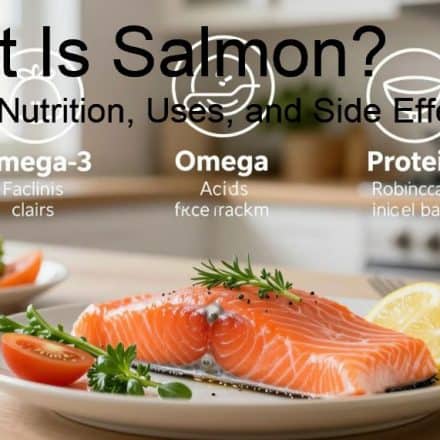
- Salmon
- Trout
- Krill
- Crayfish
These organisms accumulate Astaxanthin by consuming Astaxanthin-rich microalgae or other Astaxanthin-containing prey. While seafood is a natural source of Astaxanthin, the amount obtained through diet alone may not be sufficient to achieve the desired health benefits.
Bioavailability of Different Astaxanthin Sources
The bioavailability of Astaxanthin varies depending on its source. Astaxanthin from Haematococcus pluvialis has been shown to have higher bioavailability compared to synthetic Astaxanthin or Astaxanthin from other sources. Factors influencing bioavailability include the form of Astaxanthin (free vs. esterified), the presence of other nutrients, and individual digestive efficiency.
A list of key factors affecting Astaxanthin bioavailability includes:
- Source of Astaxanthin
- Form of Astaxanthin (free or esterified)
- Presence of other nutrients or dietary components
How Astaxanthin Works in the Body
Understanding how astaxanthin operates in the body provides insight into its potential health benefits. Astaxanthin is known for its powerful antioxidant properties, which play a crucial role in its mechanism of action.
Astaxanthin as a Potent Antioxidant
Astaxanthin stands out among antioxidants due to its unique molecular structure, which allows it to span across cell membranes, providing protection from both the inside and outside of the cell.
This potent antioxidant capability is crucial in neutralizing harmful free radicals, thereby reducing oxidative stress and inflammation in the body.
Fighting Free Radicals and Oxidative Stress
Oxidative stress occurs when there’s an imbalance between free radicals and the body’s ability to counteract their harmful effects. Astaxanthin helps mitigate this condition by effectively neutralizing free radicals.
| Antioxidant | Free Radical Neutralization | Oxidative Stress Reduction |
|---|---|---|
| Astaxanthin | Highly effective | Significant reduction |
| Vitamin C | Moderately effective | Moderate reduction |
| Vitamin E | Effective | Some reduction |
By reducing oxidative stress and inflammation, astaxanthin contributes to overall health and may help in preventing various chronic diseases.
Proven Health Benefits of Astaxanthin
The potent antioxidant properties of Astaxanthin contribute to its numerous health benefits, making it a valuable supplement for overall wellness.
Skin Health and UV Protection
Astaxanthin has been shown to improve skin health by protecting it from UV damage and enhancing its elasticity. Studies have demonstrated that it can reduce the appearance of fine lines and wrinkles, promoting a more youthful appearance.
UV Protection: Astaxanthin’s antioxidant properties help shield the skin from harmful UV radiation, reducing the risk of sunburn and skin damage.
Heart and Cardiovascular Benefits
Astaxanthin supports heart health by improving cardiovascular function and reducing inflammation. It has been found to lower triglycerides and improve blood lipid profiles.
| Cardiovascular Benefits | Description |
|---|---|
| Improves Blood Lipid Profiles | Reduces triglycerides and LDL cholesterol |
| Antioxidant Effects | Protects against oxidative stress |
| Anti-Inflammatory | Reduces inflammation in blood vessels |
Eye Health and Macular Degeneration
Astaxanthin is beneficial for eye health, particularly in reducing the risk of macular degeneration. Its antioxidant properties protect the retina and improve vision health.
By incorporating Astaxanthin into one’s health regimen, individuals can potentially safeguard their eye health and maintain their vision as they age.
Emerging Research on Astaxanthin
As scientific inquiry into Astaxanthin deepens, novel applications are coming to light. Researchers are exploring its potential benefits across various health domains, offering promising insights into its multifaceted effects on human health.
Brain Health and Cognitive Function
Astaxanthin’s neuroprotective properties are being investigated for their potential to support brain health and cognitive function. Studies suggest that Astaxanthin may help protect against neurodegenerative diseases by reducing oxidative stress and inflammation in the brain.
Athletic Performance and Recovery
Astaxanthin is gaining attention in the sports community for its potential to enhance athletic performance and aid in recovery. Research indicates that it may help reduce muscle damage and fatigue after exercise, potentially improving overall athletic performance.
Male Fertility and Reproductive Health
Emerging evidence suggests that Astaxanthin may have a positive impact on male fertility. Studies have shown that it can improve sperm quality and protect against oxidative stress in the reproductive system.
Anti-Inflammatory Properties
Astaxanthin’s potent anti-inflammatory properties are being explored for their potential to mitigate various inflammatory conditions. Research has shown that it can reduce inflammation by inhibiting pro-inflammatory cytokines and enzymes.
| Area of Research | Potential Benefits | Key Findings |
|---|---|---|
| Brain Health | Neuroprotection, cognitive support | Reduced oxidative stress, inflammation |
| Athletic Performance | Improved performance, faster recovery | Reduced muscle damage, fatigue |
| Male Fertility | Improved sperm quality | Protection against oxidative stress |
| Anti-Inflammatory | Reduced inflammation | Inhibition of pro-inflammatory pathways |
How to Use Astaxanthin Supplements
To maximize the benefits of Astaxanthin, it’s crucial to understand how to use its supplements effectively. Astaxanthin supplementation has gained popularity due to its potent antioxidant properties, but like any supplement, its effectiveness depends on proper usage.
Recommended Dosages and Timing
The optimal dosage of Astaxanthin can vary based on individual health goals and current health status. Generally, studies have used doses ranging from 2 to 12 mg per day. It’s recommended to start with a lower dose and gradually increase as needed and under the guidance of a healthcare professional.
Timing can also play a role in the effectiveness of Astaxanthin supplementation. Taking it with a meal that contains healthy fats can enhance its absorption, as Astaxanthin is fat-soluble.
Absorption Considerations
Astaxanthin’s bioavailability is influenced by several factors, including the formulation of the supplement and individual digestive health. Microencapsulation and emulsification are technologies used to improve the bioavailability of Astaxanthin.
| Factor | Effect on Absorption |
|---|---|
| Formulation | Microencapsulation and emulsification enhance bioavailability |
| Digestive Health | Healthy digestive system improves absorption |
| Meal Composition | Presence of healthy fats enhances absorption |
Combining with Other Supplements
Astaxanthin can be combined with other supplements to enhance its benefits or to support overall health. For instance, combining it with omega-3 fatty acids may provide synergistic benefits for heart health.
However, it’s essential to consult with a healthcare professional before starting any new supplement regimen or combining supplements to avoid potential interactions or adverse effects.
Choosing Quality Astaxanthin Products
When it comes to astaxanthin supplements, quality matters significantly due to the varying sources and production methods. With numerous products available, consumers need to be informed to make the best choice.
What to Look for in Supplements
To select a high-quality astaxanthin supplement, consider the following factors:
- Source: Look for products derived from reputable sources, such as Haematococcus pluvialis, known for its high astaxanthin content.
- Concentration: Check the concentration of astaxanthin in the supplement. Higher concentrations may be more effective.
- Bioavailability: Opt for products that enhance bioavailability, such as those combined with lipids or formulated for better absorption.
- Certifications: Choose supplements that have been certified by third-party organizations, ensuring purity and potency.
Natural vs. Synthetic Options
The debate between natural and synthetic astaxanthin is ongoing. Natural astaxanthin, typically derived from Haematococcus pluvialis, is considered more effective due to its bioavailability and the presence of other beneficial compounds. Synthetic astaxanthin, on the other hand, is produced through chemical synthesis and may lack these additional benefits.
As Dr. John Smith, a renowned nutrition expert, notes, “The natural form of astaxanthin is generally preferred due to its superior bioavailability and potential synergistic effects with other compounds present in the natural source.”
When choosing between natural and synthetic astaxanthin, consider the following:
- Look for clear labeling indicating the source of astaxanthin.
- Check for certifications that verify the product’s natural origin.
- Consult with a healthcare professional to determine the best option for your specific needs.
Potential Side Effects and Safety Concerns
While Astaxanthin is generally considered safe, it’s crucial to be aware of potential side effects and safety concerns. Astaxanthin supplementation has been studied extensively, and overall, it has shown a good safety profile. However, like any supplement, it’s not without potential risks and interactions.
Common Side Effects
Most people tolerate Astaxanthin well, but some may experience mild side effects. Common side effects can include changes in bowel movements or stomach discomfort. These effects are typically mild and transient, resolving on their own without the need to discontinue supplementation.
Notably, a study published in the Journal of Clinical Biochemistry and Nutrition found that high doses of Astaxanthin (up to 40 mg per day) were well-tolerated over a period of three weeks.
Drug Interactions and Contraindications
Astaxanthin may interact with certain medications, and there are specific conditions where caution is advised. For instance, Astaxanthin may potentially interact with blood thinners like warfarin, as it may have antiplatelet effects. Individuals on anticoagulant therapy should consult their healthcare provider before starting Astaxanthin supplementation.
Additionally, people with autoimmune diseases or those taking immunosuppressive drugs should exercise caution, as Astaxanthin’s immune-modulating effects could potentially interfere with these conditions or treatments.
Safety During Pregnancy and Breastfeeding
The safety of Astaxanthin during pregnancy and breastfeeding is not fully established. While there’s no concrete evidence of harm, there’s also limited research on its use in these populations. As a precaution, pregnant or breastfeeding women should consult their healthcare provider before taking Astaxanthin supplements.
It’s always best to err on the side of caution when it comes to pregnancy and breastfeeding, and to discuss any supplement plans with a healthcare professional.
Conclusion: Weighing the Benefits and Risks of Astaxanthin
Astaxanthin is a powerful carotenoid that offers numerous health benefits, from antioxidant properties to potential improvements in skin, heart, and eye health. When considering Astaxanthin supplementation, it’s essential to weigh the benefits of astaxanthin against the risks of astaxanthin.
The benefits of astaxanthin include its potent antioxidant properties, which can help protect against oxidative stress and inflammation. Astaxanthin may also support skin health by reducing the appearance of fine lines and wrinkles, improve heart health by reducing triglycerides, and promote eye health by protecting against macular degeneration.
However, like any supplement, astaxanthin carries potential risks. Some individuals may experience side effects, and certain groups, such as pregnant or breastfeeding women, should exercise caution. To minimize risks, it’s crucial to choose high-quality astaxanthin products from reputable manufacturers and follow recommended dosages.
In conclusion, astaxanthin can be a valuable addition to a health regimen when used responsibly. By understanding the benefits and risks of astaxanthin, individuals can make informed decisions about incorporating this supplement into their daily routine, ultimately weighing the benefits and risks to achieve optimal health.
FAQ
What is the recommended daily dosage of astaxanthin?
The recommended daily dosage of astaxanthin varies, but typically ranges from 2-12 mg per day. It’s essential to consult with a healthcare professional to determine the best dosage for your specific needs.
Is astaxanthin safe to take with other supplements?
Astaxanthin is generally considered safe to take with other supplements, but it’s crucial to consult with a healthcare professional to avoid potential interactions. Certain combinations may enhance or reduce the effectiveness of astaxanthin or other supplements.
Can astaxanthin help with skin health and UV protection?
Yes, astaxanthin has been shown to have beneficial effects on skin health and UV protection. Its antioxidant properties help protect the skin from damage caused by UV radiation, promoting healthier and more youthful-looking skin.
Are there any potential side effects of taking astaxanthin?
While astaxanthin is generally considered safe, some individuals may experience mild side effects, such as stomach upset or allergic reactions. High doses may also increase the risk of certain side effects. Consult with a healthcare professional to discuss potential risks.
Can astaxanthin be taken during pregnancy or breastfeeding?
There is limited research on the safety of astaxanthin during pregnancy and breastfeeding. As a precaution, it’s recommended to consult with a healthcare professional before taking astaxanthin during these periods to discuss potential risks and benefits.
How long does it take to notice the benefits of astaxanthin supplementation?
The time it takes to notice the benefits of astaxanthin supplementation varies depending on individual factors, such as dosage and health status. Some people may experience benefits within a few weeks, while others may take longer. Consistency and patience are key when supplementing with astaxanthin.
Is natural astaxanthin better than synthetic astaxanthin?
Natural astaxanthin, derived from sources like Haematococcus pluvialis, is generally considered more effective and safer than synthetic astaxanthin. Natural astaxanthin has a more complex molecular structure, which may contribute to its superior antioxidant properties.
Can astaxanthin interact with medications?
Astaxanthin may interact with certain medications, such as blood thinners, and affect their efficacy or increase the risk of side effects. Consult with a healthcare professional to discuss potential interactions and ensure safe use.