

Choosing healthy food is a great way to boost your daily energy. This popular whole grain is a staple in many American kitchens because of its natural goodness. This unpolished brown rice provides a nutty flavor and lasting fullness.
It keeps its bran and germ, which provide vital nutrients. Reviewing the nutrition facts reveals high levels of fiber and magnesium.

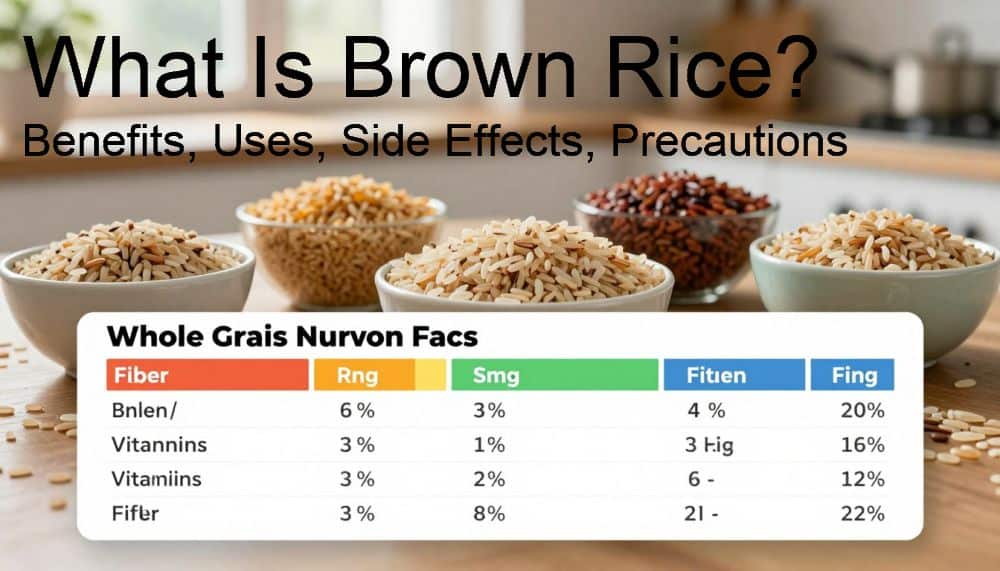
Eating unpolished kernels offers several health benefits. They can help with digestion and keep your heart strong.
However, some people may need to watch out for specific side effects. Learning about these precautions helps you eat safely every day.
Key Takeaways
- High fiber content aids regular digestion.
- Natural nutrients support better heart health.
- Retains essential vitamins and minerals during processing.
- Helps lower the risk of certain chronic diseases.
- Contains vital minerals like magnesium and selenium.
- Important to monitor arsenic levels in the diet.
Understanding Brown Rice: A Whole Grain Overview
The nutritional superiority of brown rice is rooted in its status as a whole grain, retaining all three parts of the grain kernel. This characteristic distinguishes it from refined grains, which often have parts of the grain removed during processing.
The Anatomy of the Grain: Bran, Germ, and Endosperm
A grain of rice, like other grains, is composed of three main parts: the bran, germ, and endosperm. The bran is the outermost layer, rich in fiber, vitamins, and minerals. It acts as a protective barrier for the grain.
The germ is the sprouting part of the grain, packed with healthy fats, vitamins, and antioxidants. It’s the reproductive part of the grain that would grow into a new plant if the grain were allowed to sprout.
The endosperm is the largest part of the grain, providing carbohydrates and some proteins. It’s primarily responsible for the energy content of the grain.
Why Brown Rice Is Considered a Whole Grain
Brown rice is considered a whole grain because it retains all three parts of the grain: bran, germ, and endosperm. Unlike white rice, which is stripped of its bran and germ during processing, brown rice is minimally processed, preserving its nutritional content.
This minimal processing ensures that brown rice retains its nutritional value, including fiber, vitamins, and minerals found in the bran and germ. As a result, brown rice is higher in fiber and nutrients compared to refined grains.
Incorporating whole grains like brown rice into your diet can have numerous health benefits, from supporting digestive health to reducing the risk of chronic diseases.
Brown Rice Nutrition Facts and Composition
The nutritional profile of brown rice is impressive, featuring a rich mix of vitamins, minerals, and fiber that contribute to its numerous health benefits. Brown rice is a whole grain that includes the bran, germ, and endosperm, making it a nutrient-dense food choice.
Essential Vitamins and Minerals Found in Brown Rice
Brown rice is a good source of several essential vitamins and minerals. It contains manganese, a mineral that plays a crucial role in the body’s enzyme systems, and selenium, an antioxidant that helps protect cells from damage.
- Manganese: important for bone health and metabolism
- Selenium: acts as an antioxidant, protecting cells from damage
- Magnesium: vital for muscle and nerve function, as well as bone health
The Role of Dietary Fiber in Brown Rice
Dietary fiber is a key component of brown rice, contributing to its numerous health benefits. Fiber helps promote digestive health by preventing constipation and supporting healthy gut bacteria.
Dietary fiber in brown rice also plays a role in satiety and weight management, as it helps individuals feel fuller for longer. This can be particularly beneficial for those looking to manage their weight.
Protein Content and Nutritional Value
While not as high in protein as some other grains, brown rice still contains a notable amount of protein. It is considered a good source of plant-based protein, making it a valuable component of a balanced diet, especially for vegetarians and vegans.
The nutritional value of brown rice is further enhanced by its content of various vitamins and minerals. It is a good source of B vitamins, including thiamin, niacin, and vitamin B6, which are important for energy production and other bodily functions.
Comparing Brown Rice vs. White Rice
Brown rice and white rice are two of the most consumed types of rice globally, but they differ significantly in terms of nutritional value and processing. This difference is primarily due to the processing methods and the parts of the grain that are retained or removed.
Processing Differences: Why Brown Rice Retains More Nutrients
The processing of brown rice and white rice varies significantly. Brown rice is considered a whole grain because it includes all three parts of the grain: the bran, germ, and endosperm. In contrast, white rice is milled and polished, removing the bran and germ, which are rich in fiber, vitamins, and minerals. This processing difference is why brown rice retains more nutrients compared to white rice.
The bran layer in brown rice is rich in antioxidants and fiber, while the germ contains healthy fats and vitamins. By retaining these parts, brown rice maintains a higher nutritional value. On the other hand, white rice is primarily composed of the starchy endosperm, which, although providing energy, lacks the nutrient-dense components found in the bran and germ.
Texture and Flavor Profiles
The texture and flavor of brown rice and white rice also differ due to their processing. Brown rice has a chewier texture and a nuttier flavor because it retains the bran and germ. White rice, being more processed, is softer and has a milder flavor.
The texture and flavor profiles can significantly impact consumer preference and culinary use. Brown rice is often preferred in health-conscious diets due to its nutritional benefits and is used in a variety of dishes where its texture and flavor are appreciated.
Glycemic Index Comparison
Another critical difference between brown rice and white rice is their glycemic index (GI). The GI is a measure of how quickly foods raise blood sugar levels. Brown rice has a lower GI compared to white rice because it contains more fiber and nutrients, which slow down the digestion and absorption of its carbohydrates.
| Rice Type | Glycemic Index | Nutritional Value |
|---|---|---|
| Brown Rice | 50 | High in fiber, vitamins, and minerals |
| White Rice | 80 | Lower in fiber, vitamins, and minerals |
This comparison highlights the nutritional and processing differences between brown rice and white rice, making it clearer why brown rice is often considered the healthier option.
Key Health Benefits of Brown Rice
Brown rice is a nutrient-rich food that offers several key health benefits, making it a great addition to a balanced diet. Consuming brown rice can lead to various improvements in overall health due to its richness in essential nutrients, fiber, and antioxidants.
Antioxidants in Brown Rice and Their Protective Effects
Brown rice contains a variety of antioxidants, including phenolic compounds and flavonoids, which play a crucial role in protecting the body against oxidative stress and inflammation. These antioxidants help in neutralizing free radicals, thereby reducing the risk of chronic diseases such as heart disease, cancer, and neurodegenerative disorders.
Supporting Digestive Health Through Fiber
The high dietary fiber content in brown rice is beneficial for maintaining a healthy digestive system. Fiber helps in promoting regular bowel movements, preventing constipation, and supporting the growth of beneficial gut bacteria. A healthy gut microbiome is essential for a strong immune system and overall well-being.
| Fiber Benefits | Description |
|---|---|
| Promotes Regular Bowel Movements | Helps prevent constipation and maintains a healthy digestive tract. |
| Supports Gut Health | Aids in the growth of beneficial gut bacteria, enhancing immune function. |
| Enhances Satiety | Contributes to feeling fuller for longer, aiding in weight management. |
Weight Management and Satiety
Brown rice is also beneficial for weight management due to its high fiber content, which contributes to increased satiety. Foods high in fiber take longer to digest, keeping you feeling fuller for longer and reducing the likelihood of overeating. This makes brown rice an excellent choice for those seeking to manage their weight as part of a balanced diet.
Furthermore, the fiber in brown rice can help in slowing down the digestion of carbohydrates, thereby preventing a sudden spike in blood sugar levels. This can be particularly beneficial for individuals monitoring their carbohydrate intake.
Managing Blood Sugar and Diabetes
Brown rice, a whole grain rich in fiber and nutrients, has been studied for its potential benefits in managing blood sugar and diabetes. Its impact on blood sugar levels is a critical area of interest for individuals living with diabetes.
How Brown Rice Affects Blood Sugar Levels
Brown rice has a lower glycemic index compared to white rice, meaning it digests more slowly and releases glucose into the bloodstream at a slower rate. This can help in managing blood sugar spikes.
The fiber content in brown rice also plays a significant role in slowing down the absorption of sugar, thereby aiding in the regulation of blood sugar levels.

Why Brown Rice Is Often Recommended for Diabetes
Brown rice is often recommended for individuals with diabetes due to its nutrient-rich profile and lower glycemic index. The complex carbohydrates and fiber in brown rice help in achieving better glycemic control.
- Rich in fiber, which slows down sugar absorption
- Contains magnesium, a mineral that helps regulate blood sugar levels
- Has a lower glycemic index compared to refined grains
The Impact of Glycemic Index on Insulin Response
The glycemic index (GI) is a measure of how quickly foods raise blood sugar levels. Foods with a low GI, like brown rice, cause a gradual increase in blood sugar, which in turn leads to a more controlled insulin response.
This can be particularly beneficial for individuals with diabetes, as it helps in managing insulin levels and improving overall glycemic control.
Heart Health and Cholesterol Management
Incorporating whole grains like brown rice into your meals can have a profound impact on your cardiovascular well-being. Brown rice, rich in nutrients and fiber, plays a significant role in maintaining heart health and managing cholesterol levels.
Lowering Cholesterol with Brown Rice
Brown rice helps in lowering cholesterol due to its high fiber content. The soluble fiber in brown rice binds to bile acids and removes them from the body, which in turn reduces the cholesterol levels in the blood. This process not only helps in managing cholesterol but also supports overall heart health.
The fiber in brown rice also aids in reducing the absorption of cholesterol into the bloodstream, further contributing to healthier cholesterol levels. A diet rich in fiber can lead to a reduction in LDL (low-density lipoprotein) cholesterol, often referred to as “bad” cholesterol.
The Role of Whole Grains in Heart Health
Whole grains, including brown rice, are known to reduce the risk of heart disease. The nutrients and fiber in whole grains work together to improve cardiovascular health by reducing inflammation, improving blood lipid profiles, and helping to regulate blood pressure.
- Reducing Inflammation: Whole grains contain antioxidants and other nutrients that help reduce inflammation in the body, a key factor in the development of heart disease.
- Improving Blood Lipid Profiles: The fiber and nutrients in whole grains like brown rice can help improve the balance of different types of cholesterol in the blood.
- Regulating Blood Pressure: Regular consumption of whole grains has been associated with lower blood pressure levels, further reducing the risk of heart disease.
Nutrients Supporting Cardiovascular Function
Brown rice is a rich source of several nutrients that are crucial for cardiovascular health. These include magnesium, selenium, and manganese, among others. Magnesium, for instance, helps in regulating heart rhythm and supporting overall cardiovascular function.
The combination of these nutrients, along with the fiber content, makes brown rice an excellent choice for those looking to support their heart health. By incorporating brown rice into a balanced diet, individuals can take a proactive step towards maintaining healthy cholesterol levels and reducing the risk of heart disease.
Culinary Uses and How to Prepare Brown Rice
Cooking brown rice is an easy and rewarding process that can be customized to suit various culinary needs. Brown rice is a versatile ingredient that can be used in a wide range of dishes, from simple side dishes to complex main courses.
Best Practices for Cooking Rice
To cook brown rice perfectly, it’s essential to follow a few best practices. First, use the right water ratio; typically, a 2:1 water-to-rice ratio is recommended. Second, rinse the rice before cooking to remove any impurities and excess starch, which can make the rice stick together. Finally, cook it on low heat once it starts boiling to prevent burning and ensure even cooking.
Soaking Rice Before Cooking for Better Texture
Soaking brown rice before cooking can significantly improve its texture. By soaking, you can reduce the cooking time and make the rice grains cook more evenly. Soaking also helps in reducing phytic acid, a compound that can inhibit the absorption of minerals. Simply soak the rice in water for about 30 minutes before cooking for better results.
Creative Ways to Add Brown Rice to Meals
Brown rice can be a great addition to various meals, enhancing both the nutritional value and the flavor. Try using it in stuffed bell peppers by filling bell peppers with a mixture of cooked brown rice, vegetables, and your choice of protein. You can also make a hearty brown rice bowl topped with grilled chicken, roasted vegetables, and a drizzle of your favorite sauce. Additionally, brown rice can be used in salads and soups, adding texture and nutrition.
Experimenting with different seasonings and ingredients can also elevate your brown rice dishes. For instance, cooking brown rice with broth instead of water can add a rich flavor. You can also mix in herbs and spices during cooking to give it an extra boost of flavor.
Different Types of Brown Rice
The world of brown rice is diverse, offering a range of options for consumers looking to incorporate this nutritious grain into their diets. Brown rice is categorized into different types based on grain length, processing methods, and nutritional enhancements.
Long-Grain Brown Rice Characteristics
Long-grain brown rice is known for its long, slender grains that remain separate and fluffy after cooking. This type is particularly popular in many cuisines due to its light texture and mild flavor. It is ideal for dishes where distinct grains are desired, such as in pilaf or as a side dish.
The cooking time for long-grain brown rice can vary, but it generally takes about 40-45 minutes to cook. It is also known for its ability to absorb flavors, making it a versatile ingredient in various recipes.
Short-Grain and Medium-Grain Varieties
Short-grain and medium-grain brown rice have a shorter and plumper shape compared to long-grain rice. These varieties are known for their sticky texture when cooked, making them ideal for dishes like sushi or risotto. Short-grain brown rice, in particular, is clingy and moist, while medium-grain falls somewhere in between long-grain and short-grain in terms of texture.
These types of brown rice are rich in fiber and nutrients, similar to their long-grain counterparts. They are also more suited to certain culinary traditions, such as Asian cuisine, where sticky rice is a staple.
Benefits of Germinated Brown Rice
Germinated brown rice, also known as sprouted brown rice, is made by soaking brown rice in water until it begins to sprout. This process activates enzymes that break down some of the starches, making the rice easier to digest. Germinated brown rice is also believed to have a higher nutritional value due to the increased bioavailability of nutrients.
The germination process can enhance the levels of certain nutrients, including vitamins and minerals. It is considered a healthier option by some due to its potential health benefits, including improved digestion and nutrient absorption.
| Type of Brown Rice | Grain Length | Texture After Cooking | Culinary Uses |
|---|---|---|---|
| Long-Grain | Long and slender | Fluffy and separate | Pilaf, side dishes |
| Short-Grain | Short and plump | Sticky and clingy | Sushi, desserts |
| Medium-Grain | Medium length | Moderately sticky | Risotto, paella |
| Germinated | Varies | Can be sticky or fluffy | Health-conscious meals |
Potential Side Effects and Precautions
As with any food, brown rice has its advantages and disadvantages, and understanding these is crucial for a balanced diet. While brown rice is generally considered a healthy choice due to its high fiber and nutrient content, there are certain aspects to be aware of to maximize its benefits and minimize potential drawbacks.
Understanding Arsenic Content in Brown Rice
One concern associated with brown rice consumption is its potential arsenic content. Arsenic is a naturally occurring element in the environment, and rice, particularly brown rice, can absorb it from soil and water. Long-term consumption of brown rice with high arsenic levels may pose health risks, including increased risk of cancer and other health issues.
To mitigate this risk, it’s advisable to:
- Vary your grain intake to include other types of rice and whole grains.
- Choose brown rice from regions known to have lower arsenic levels, such as California or India.
- Rinse brown rice thoroughly before cooking to reduce arsenic content.
- Cook brown rice with excess water and drain it, which can help reduce arsenic levels.
Digestive Sensitivity and Fiber Intake
Brown rice is high in dietary fiber, which is beneficial for digestive health but can also cause issues in some individuals. High fiber intake can lead to digestive discomfort, including bloating, gas, and abdominal pain, especially in those who are not accustomed to a high-fiber diet.
To manage digestive sensitivity:
- Gradually increase your fiber intake to allow your digestive system to adjust.
- Drink plenty of water to help fiber move through your digestive system.
- Consider soaking brown rice before cooking to make it easier to digest.
Who Should Exercise Caution When Consuming Brown Rice
While brown rice is a nutritious addition to most diets, certain individuals should exercise caution. People with digestive issues such as irritable bowel syndrome (IBS) may need to limit their intake of high-fiber foods like brown rice or take steps to make it more digestible.
Additionally, those with gluten intolerance or sensitivity should be aware that while brown rice is gluten-free, it may be processed in facilities that also handle gluten-containing grains, potentially leading to cross-contamination.
In conclusion, while brown rice is a healthy choice for many, being aware of its potential side effects and taking precautions can help maximize its nutritional benefits while minimizing risks.
Tips for Incorporating Brown Rice into Your Diet
Adopting brown rice as a primary grain can be achieved with a gradual and informed approach. Incorporating this nutritious food into your daily meals not only enhances the nutritional value of your diet but also supports overall health and well-being.
Gradual Transition to Brown Rice
Switching to brown rice doesn’t have to be an abrupt change. Start by mixing it with white rice and gradually increase the proportion of brown rice over time. This gradual transition helps your taste buds and digestive system adjust to the new grain.
- Begin with a 25% brown rice and 75% white rice mix.
- Gradually increase the brown rice proportion over the next few weeks.
- Eventually, you can switch entirely to brown rice.
Pairing Brown Rice with Balanced Nutrients
To maximize the nutritional benefits of brown rice, it’s essential to pair it with a variety of other nutrient-dense foods. Combining brown rice with lean proteins, vegetables, and healthy fats creates a well-rounded meal.
For example, a meal consisting of brown rice, grilled chicken, steamed vegetables, and a drizzle of olive oil provides a balanced mix of carbohydrates, proteins, and fats.
Proper Storage to Maintain Freshness
To keep brown rice fresh for a longer period, it’s crucial to store it properly. Brown rice can become rancid if exposed to air, moisture, or heat. Store it in an airtight container in a cool, dry place.
For longer storage, consider keeping it in the refrigerator or freezer to prevent the oil in the germ from going bad. When stored correctly, brown rice can remain fresh for up to 6 months at room temperature and longer when refrigerated or frozen.
Conclusion
Incorporating brown rice into your meals can have a significant impact on your overall health and wellbeing. As a whole grain, brown rice provides essential nutrients, fiber, and antioxidants that are often lost in refined grains.
The benefits of brown rice, including its role in supporting digestive health, managing blood sugar levels, and promoting heart health, make it an excellent addition to a healthy diet.
By choosing whole grains like brown rice, individuals can make informed decisions about their grain consumption and take a significant step towards a balanced diet.
Making the switch to brown rice can be simple; start by substituting it for white rice in your favorite recipes and exploring the various types of brown rice available.
FAQ
What exactly makes brown rice a whole grain?
Brown rice is a whole grain because, unlike its refined counterparts, it consists of all three parts of the kernel: the bran and germ, and the endosperm. Since brown rice retains these layers, it is less processed than white rice, ensuring the grain is a rich source of fiber and essential vitamins and minerals. Because rice is a whole grain in its brown form, it provides significantly more nutritional value than polished grains.
Is brown rice better than white rice for people managing diabetes?
Yes, brown rice has a lower glycemic profile, which is why brown rice for diabetes management is highly recommended. Because rice has a lower glycemic index in its whole form, brown rice intake can lead to steadier blood sugar levels and a better insulin response. Choosing brown rice over white helps prevent the rapid spikes often associated with white rice nutrition, making it a smart choice for those with type 2 diabetes.
What are the key nutritional components found in brown rice?
When looking at brown rice nutrition facts, you’ll find it is packed with dietary fiber, magnesium, and B vitamins. Brown rice also contains powerful antioxidants in brown rice that protect cells from damage. Beyond just carbs, brown rice protein and rice bran contribute to the overall health benefits of brown rice, making it a nutrient-dense staple for any pantry.
Can consuming brown rice regularly help with heart health?
Absolutely! Whole grains like brown rice are known to reduce the risk of cardiovascular issues. Brown rice helps lower cholesterol because the fiber helps clear out LDL (the “bad” cholesterol) from the dietary tract. Regular consumption of brown rice supports long-term heart health by providing the minerals needed for optimal blood pressure and heart function.
How does the fiber in brown rice benefit digestion and weight management?
The fiber in brown rice is essential for maintaining a healthy digestive system. By including brown rice in your meals, you increase your intake of dietary fiber, which promotes satiety. This feeling of fullness means brown rice can help with weight management by reducing the urge to overeat. Brown rice is a good source of bulk that helps brown rice support regular bowel movements.
What is the difference between long-grain brown rice and other varieties?
Long-grain brown rice is known for its firm, distinct grains that stay fluffy after cooking rice. In contrast, short and medium-grain different types of rice tend to have a stickier texture of brown rice. You might also encounter germinated brown rice (also known as GABA rice), which has been soaked to begin sprouting, further increasing the nutrients found in brown rice and making it even easier to digest.
Are there any precautions I should take when I eat brown rice?
While brown rice is safe for the vast majority of people and rice is naturally gluten-free, some consumers are concerned about the arsenic content in brown rice. To mitigate this, you can rinse your rice before cooking or use a higher water-to-rice ratio. Most health experts agree that consuming brown rice as part of a varied diet is very healthy and that the brown rice benefits far outweigh the potential risks.
How can I easily start switching to brown rice in my daily meals?
Switching to brown rice is simple! You can start by incorporating brown rice into your favorite stir-fries, soups, or salads. To prepare brown rice for the best flavor, try cooking brown rice in vegetable broth instead of water. If you are used to the soft texture of white rice, you might try mixing brown and white rice together initially to help your palate adjust to the nutty flavor and chewy texture of brown rice’s whole grain.
Does brown rice provide a good source of protein for plant-based diets?
Yes, brown rice provides a respectable amount of rice protein. While it is not a complete protein on its own, when you eat brown rice alongside beans or lentils, it creates a complete amino acid profile. Brown rice protein is often used in health supplements because it is hypoallergenic and easy on the stomach, proving that brown rice is also a great fuel source for active individuals.