

This versatile, nutrient-dense vegetable has served as a dietary staple across the globe for centuries. Many people enjoy this cruciferous plant for its impressive vitamin profile and its potential role in supporting long-term wellness.

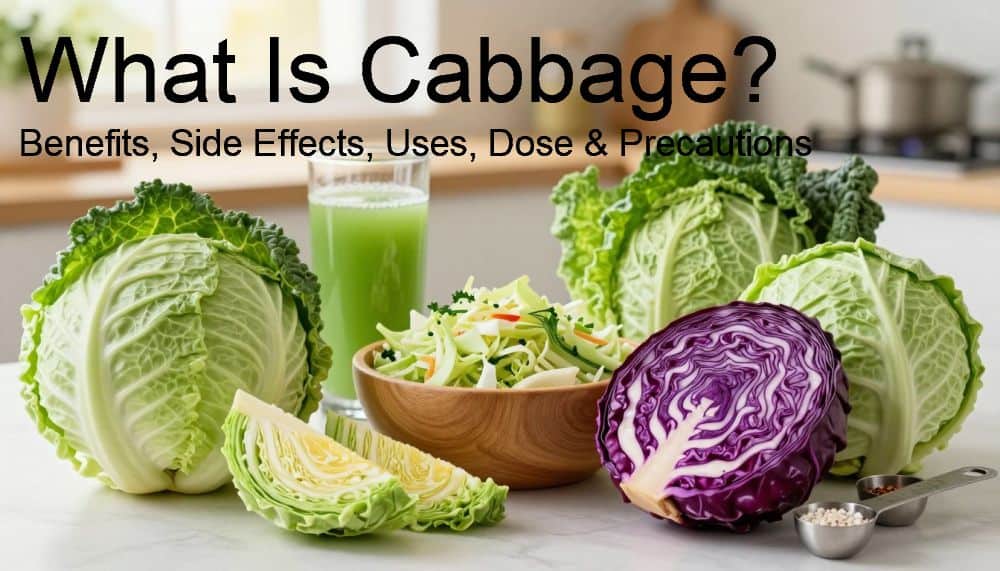
Understanding the health benefits of cabbage allows you to make informed choices about your daily nutrition. By exploring the various advantages of eating this leafy green, you can easily incorporate it into your meals to boost your overall health.
We will examine how to safely add this vegetable to your diet while highlighting necessary precautions. This guide acts as a friendly resource for anyone looking to improve their vitality through simple, effective dietary adjustments.
Key Takeaways
- This vegetable is a nutrient-dense staple known for its high vitamin content.
- Regular consumption may support chronic disease prevention and overall wellness.
- The health benefits of cabbage include improved digestion and immune support.
- It is important to understand proper preparation to maximize nutritional intake.
- Always consider individual health precautions when adding new foods to your diet.
Understanding the Nutritional Profile of Cabbage
Exploring the nutritional profile of cabbage reveals why this humble vegetable is a staple in healthy kitchens. One cup of raw chopped cabbage contains approximately 22 calories, making it an ideal choice for those who want to eat well while keeping their intake low in calories. Because cabbage is low in energy density, it allows you to enjoy larger portions without compromising your health goals.
Key Vitamins and Minerals Found in Cabbage
When you examine what is found in cabbage, you will discover a wide array of essential nutrients. Cabbage is rich in vitamin C, which plays a vital role in supporting your immune system and maintaining healthy skin. Furthermore, cabbage contains significant amounts of vitamin K and manganese, which are necessary for various bodily functions.
The content in cabbage also includes trace minerals that contribute to overall wellness. Many health experts agree that cabbage is a good source of these micronutrients, especially when consumed fresh. Because it is rich in vitamin C, it serves as a simple way to meet your daily requirements for this powerful antioxidant.
“Cruciferous vegetables like cabbage are nutritional powerhouses that provide unique health benefits through their diverse profile of vitamins and minerals.”
— Nutritionist Perspective
Why Cabbage Is Considered a Nutrient-Dense Vegetable
Cabbage is an excellent source of fiber and phytonutrients, which is why it is often recommended for improving dietary quality. Since cabbage is good for your body, it acts as a foundational food for long-term health. Cabbage also contains sulfur-based compounds that support natural detoxification processes.
To understand the value of this plant, consider the following nutritional breakdown per one cup of raw, chopped cabbage:
| Nutrient | Amount | Daily Value (%) |
|---|---|---|
| Vitamin C | 32.6 mg | 54% |
| Vitamin K | 67.6 mcg | 85% |
| Fiber | 2.2 g | 9% |
| Calories | 22 kcal | 1% |
Ultimately, cabbage good habits start with choosing nutrient-dense foods that provide high value for every bite. By integrating this vegetable into your meals, you ensure your body receives the support it needs to thrive every day.
The Diverse Varieties of Cabbage
Exploring the many varieties of cabbage reveals a treasure trove of textures and flavors for your kitchen. While many shoppers stick to the familiar, branching out allows you to experiment with unique culinary applications. Each type brings its own distinct profile to the table, making healthy eating feel like a fresh adventure.
Green Cabbage: The Kitchen Staple
The classic green cabbage is the most recognizable member of the family. It serves as a reliable kitchen staple, prized for its dense, tightly packed leaves. This variety is incredibly versatile, working perfectly in everything from crunchy slaws to hearty, slow-cooked soups.
Red Cabbage and Its Anthocyanin Content
Often referred to as purple cabbage, this vibrant variety adds a beautiful pop of color to any dish. It is particularly notable for its high anthocyanin content, which provides its deep hue. These natural pigments act as powerful antioxidants, offering extra health benefits beyond basic nutrition. Because of its firm texture, it holds up well in salads and pickled preparations.
Savory and Napa Cabbage: Texture and Culinary Uses
If you prefer something different, Savoy and Napa varieties offer unique textures that can elevate your cooking. Savoy is easily identified by its beautifully crinkled, ruffled leaves that are tender and mild. In contrast, Napa provides an elongated shape with a delicate crunch, making it the ideal choice for stir-fries and Asian-inspired recipes. By incorporating these diverse types into your diet, you can enjoy a wider range of flavors while maximizing your intake of essential nutrients.
What Is Cabbage and Its Role in a Healthy Diet
Adding a cruciferous vegetable like cabbage to your daily meals is a smart move for your long-term health. This leafy plant serves as a foundational food that supports wellness through its dense concentration of essential nutrients.
By making this versatile vegetable a staple in your kitchen, you provide your body with the tools it needs to thrive. It is not just a side dish; it is a nutritional powerhouse that fits perfectly into any balanced eating plan.
Cabbage as a Cruciferous Vegetable
Cabbage belongs to the Brassica genus, which includes many of the most health-promoting plants on the planet. As a cruciferous vegetable, it contains unique sulfur-containing compounds that contribute to its distinct flavor and potent health benefits.
These plants are widely recognized by nutritionists for their ability to support cellular health. When you consume cabbage and other cruciferous vegetables, you are fueling your body with high levels of antioxidants and fiber.
The true beauty of the cruciferous family lies in their ability to provide maximum nutrition with minimal caloric impact.
— Nutritionist Perspective
Comparing Cabbage to Broccoli, Kale, and Brussels Sprouts
When comparing cruciferous vegetables like cabbage to their counterparts, you will find that they share a similar profile of vitamins and minerals. While each plant has a unique taste, they all function in a way that is like cabbage to support your immune system.
The following table highlights how these popular choices compare in terms of their general nutritional contribution:
| Vegetable | Primary Benefit | Texture |
|---|---|---|
| Cabbage | Digestive Support | Crunchy |
| Broccoli | Vitamin C Boost | Firm |
| Kale | Vitamin K Density | Fibrous |
| Brussels Sprouts | Antioxidant Power | Dense |
Integrating a variety of these plants ensures you get a broad spectrum of nutrients. Consider these benefits of rotating your greens:
- Broccoli offers excellent fiber for satiety.
- Kale provides a massive dose of vitamins A and C.
- Brussels sprouts are perfect for roasting and adding depth to meals.
Ultimately, choosing any vegetable from this family is a win for your health. Whether you prefer the crunch of raw cabbage or the heartiness of cooked broccoli, your body will benefit from these nutrient-dense choices.
Promoting Heart Health with Cabbage
If you are looking for a simple way to boost your heart health, look no further than the humble cabbage. This versatile vegetable is more than just a salad staple; it is a powerful ally for your cardiovascular health. By incorporating it into your meals, you provide your body with unique compounds that support long-term wellness.
How Cabbage Helps Manage Cholesterol Levels
One of the most impressive ways cabbage can help is by managing your cholesterol levels. Research suggests that this vegetable works by binding to bile acids in the digestive tract. When these acids are excreted, the liver must use existing cholesterol to create more, which effectively lowers the amount circulating in your blood.
Because cabbage offers such a natural mechanism for regulation, it is a smart addition to any diet. Many people find that cabbage can also assist in maintaining better markers of health when eaten consistently. It is a simple, effective strategy for those monitoring their lipid profiles.
“Let food be thy medicine and medicine be thy food.”
Hippocrates
Reducing the Risk of Heart Disease Through Diet
Making small changes to your daily intake can significantly reduce the risk of developing chronic conditions. Because cabbage may protect your arteries from damage, it is a valuable tool in your kitchen. Choosing nutrient-dense foods is a proactive step toward lowering the overall risk of heart disease.
Ultimately, the impact of this vegetable on your well-being is a compelling reason to keep it on your grocery list. When you prioritize cabbage, help for your heart is always just a meal away. A balanced diet featuring these cruciferous greens is a cornerstone of a healthy lifestyle.
The Anti-Inflammatory and Antioxidant Power of Cabbage
Your body constantly battles internal stressors, and cabbage provides the tools to fight back effectively. This humble vegetable is far more than a simple salad ingredient; it serves as a natural shield for your cells. By choosing an antioxidant and anti-inflammatory approach to your daily meals, you can leverage the natural power of this plant to support your internal defense systems.
Combating Oxidative Stress with Glucosinolates
At the heart of this vegetable’s health profile are sulfur-containing substances known as glucosinolates. When you consume these compounds, your body converts them into active forms that work to neutralize harmful free radicals. This process is essential for combating oxidative stress, which is a primary driver of cellular damage.
Because cabbage contains such a high concentration of these potent compounds, it acts as a reliable ally for your long-term health. Regularly including it in your diet helps maintain the balance required for optimal cell function. By reducing the impact of free radicals, you protect your body from the wear and tear of daily life.
How Cabbage Helps Reduce Chronic Inflammation
Chronic inflammation is a silent precursor to many modern health concerns. Fortunately, the anti-inflammatory properties of this vegetable are well-documented in nutritional science. These natural compounds help calm the body’s response to stress, keeping your systems running smoothly.
Adopting a diet rich in these nutrients is a proactive step toward better wellness. When you prioritize anti-inflammatory foods, you provide your body with the resources it needs to stay resilient. Making this simple dietary change is an effective way to support your overall health and vitality for years to come.
Supporting Digestive Health and Regularity
Your gut health plays a vital role in your overall well-being, and cabbage is a fantastic tool to support it. By providing a combination of essential nutrients and natural compounds, this vegetable helps maintain a balanced internal environment. Many people find that adding this simple food to their meals leads to noticeable improvements in their daily comfort.
High Fiber Content and Its Impact on Digestion
One of the primary reasons this vegetable is so effective is that it is high in fiber. The specific fiber found in cabbage acts as a natural broom for your system, helping to keep things moving smoothly. This process is essential for promoting regular bowel movements and preventing the discomfort associated with sluggish digestion.

When you consume enough fiber, you support the muscles in your digestive tract. This helps your body process food more efficiently and reduces the likelihood of bloating. By making this vegetable a staple in your kitchen, you are taking a proactive step toward better digestive health.
The Benefits of Fermented Cabbage for Gut Health
Beyond its raw form, fermented cabbage offers unique advantages for your microbiome. The fermentation process transforms the vegetable into a source of beneficial bacteria that thrive in your gut. This probiotic support is crucial for maintaining a healthy balance of flora, which aids in both nutrient absorption and immune function.
Why Sauerkraut Is a Probiotic Powerhouse
Sauerkraut is perhaps the most well-known example of fermented cabbage. It serves as a probiotic powerhouse because it introduces live, active cultures directly into your system. Regularly eating sauerkraut can help diversify your gut bacteria, which is a key factor in long-term digestion and overall health.
Potential Cancer Prevention Properties
Could your favorite coleslaw ingredient be a secret weapon for your cellular health? While no single food acts as a miracle cure, adding a cruciferous vegetable like cabbage to your plate is a smart move for anyone focused on long-term wellness.
The potential health benefits of this humble plant are rooted in its unique chemical makeup. Scientists are increasingly interested in how these nutrients interact with our bodies to maintain balance and protect our systems.
Research on Cruciferous Vegetables and Cancer Risk
Extensive studies have consistently linked the regular intake of cruciferous vegetables to a reduced risk of developing certain types of cancer. These plants contain specific sulfur-rich substances that appear to play a protective role in human biology.
Researchers suggest that these foods help the body manage oxidative stress more effectively. By incorporating cabbage into your weekly meals, you are choosing a simple, natural way to support your body’s potential health defenses.
“The evidence suggests that a diet rich in vegetables, particularly those from the cruciferous family, is a cornerstone of a proactive approach to health and disease prevention.”
— Nutritional Science Review
Compounds in Cabbage That Support Cellular Health
One standout compound found in cabbage is sulforaphane. This powerful antioxidant is widely studied for its ability to support healthy cell function and inhibit the growth of damaged cells.
Beyond sulforaphane, cabbage provides a variety of other phytonutrients that work together to promote overall vitality. These elements contribute to the potential health benefits that make cabbage a staple in a cancer-conscious diet. By focusing on these natural sources, you provide your body with the tools it needs to thrive.
Bone Health and Blood Clotting Functions
Did you know that your favorite leafy green plays a vital role in how your blood clots and your bones stay strong? While many people focus on calcium for their skeletal needs, other nutrients are equally essential for maintaining structural integrity. Cabbage acts as a reliable source of vitamin k, which is a key player in these complex biological processes.
The Importance of Vitamin K in Cabbage
Vitamin K is a fat-soluble nutrient that serves as a primary regulator for your body’s coagulation system. When you experience a minor injury, this vitamin helps your body form a blood clot to stop bleeding efficiently. Without sufficient levels of this nutrient, the body struggles to manage these critical repair functions.
Beyond its role in coagulation, this vitamin acts as a silent guardian for your internal systems. By incorporating cabbage into your meals, you provide your body with the tools it needs to keep these processes running smoothly. It is a simple, natural way to support your overall well-being.
How Cabbage Supports Long-Term Bone Density
Your bones are constantly undergoing a process of remodeling, where old tissue is replaced by new, stronger material. Vitamin K is crucial for the carboxylation of specific proteins that help bind calcium to the bone matrix. This process is fundamental for maintaining high bone density as you age.
If you do not consume enough of this nutrient, your bones may lose their strength and become more susceptible to fractures over time. Regularly eating cabbage ensures that your skeletal system receives the support it requires to remain resilient. Prioritizing bone health through your diet is one of the most effective ways to protect your mobility for years to come.
Practical Ways to Add Cabbage to Your Diet
Adding cabbage to your diet offers a delicious path toward better wellness through simple culinary habits. This versatile vegetable fits easily into almost any meal plan, providing a significant boost of vitamin C and vitamin K. Whether you are a novice in the kitchen or a seasoned cook, you will find that it is quite easy to add cabbage to your daily routine.
Preparing Raw Cabbage for Salads and Slaws
One of the most popular ways to eat cabbage is in its fresh, uncooked state. You can create a crunchy slaw by using shredded cabbage mixed with a light vinaigrette or Greek yogurt dressing. This method preserves the natural enzymes and crisp texture that make raw cabbage so refreshing.
For a more substantial meal, try using chopped cabbage as a base for vibrant salads. Adding a variety of colorful vegetables and nuts can turn a simple bowl of greens into a nutrient-dense powerhouse. You can even experiment with cabbage juice for a concentrated dose of health-promoting compounds.
Cooking Techniques: Cabbage Soup, Steaming, and Sautéing
If you prefer warm dishes, cooking this vegetable is a fantastic way to soften its texture and deepen its flavor. Cabbage soup is a classic choice, often highlighted in the famous cabbage soup diet for its lightness and ability to satisfy hunger. Simply simmering the leaves with broth and herbs creates a comforting meal that is both low in calories and high in nutrients.
Steaming and sautéing are also excellent methods to use cabbage in your cooking. These techniques help retain the vegetable’s integrity while making it easier to digest. A quick sauté with garlic and olive oil can transform a humble head of cabbage into a gourmet side dish.
Using Whole Cabbage Leaves for Wraps
For those looking to reduce their carbohydrate intake, whole cabbage leaves serve as a perfect substitute for bread or tortillas. These sturdy leaves are flexible enough to hold your favorite fillings, such as lean proteins, grains, or other vegetables. Using cabbage leaves as wraps is a creative way to add cabbage to your diet while enjoying a handheld, nutritious meal.
Recommended Dosage and Consumption Guidelines
Determining the ideal amount of cabbage for your daily routine requires a bit of personal experimentation. Because every person has a unique digestive system, there is no single rule that fits everyone perfectly. However, understanding general guidelines can help you make the most of this nutrient-dense food.
How Much Cabbage Should You Eat Daily?
For most adults, one cup of cabbage is considered a standard serving size. Whether you prefer a cup of raw cabbage in a salad or cooked in a warm dish, this amount provides a significant boost of vitamins and minerals. Cabbage is also a low-calorie option that fits easily into almost any meal plan.
When you measure out one cup of cabbage, you are getting a concentrated dose of fiber and antioxidants. Consistent consumption of cabbage allows your body to absorb these nutrients effectively over time. Keeping your daily cabbage intake within this range helps you avoid potential digestive strain while enjoying the vegetable’s many health perks.
Integrating Cabbage Regularly Without Digestive Discomfort
If you want to eat cabbage regularly, it is best to start with smaller portions. Your gut bacteria need time to adapt to the high fiber content found in cruciferous vegetables. By introducing cabbage regularly in small amounts, you can prevent the bloating that sometimes occurs with sudden dietary changes.
Consuming cabbage in frequent, smaller portions is often more effective than eating large amounts at once. This approach helps your digestive system process the fiber more efficiently. When you eat cabbage in this mindful way, you can maintain digestive harmony while reaping the long-term benefits of a healthy diet.
Side Effects and Precautions to Consider
Understanding the potential effects of cabbage helps you make informed decisions about your diet. While this vegetable is packed with vitamins, it is not suitable for every person in every situation. Being aware of how your body reacts to cruciferous vegetables ensures you can enjoy them safely.
When to Consult Your Healthcare Provider
If you are currently taking blood-thinning medications, you should speak with your healthcare provider before making significant changes to your intake of leafy greens. Cabbage is rich in Vitamin K, which plays a vital role in blood clotting. A sudden increase in your consumption could potentially interfere with the effectiveness of your prescribed medication.
Interactions with Medications and Thyroid Health
The National Institutes of Health notes that high intake of cruciferous vegetables may interfere with thyroid function in individuals with severe iodine deficiency. Certain compounds found in raw cabbage can affect how your body absorbs iodine. If you have a known thyroid condition, it is wise to monitor your intake and discuss your dietary habits with a medical professional.
Managing Gas and Bloating from High Fiber Intake
Many people experience gas and bloating when they suddenly increase their fiber intake. Cabbage contains complex sugars that are fermented by bacteria in the gut, which can lead to discomfort. You can minimize these symptoms by introducing the vegetable into your meals slowly and drinking plenty of water.
| Condition | Precaution | Recommended Action |
|---|---|---|
| Blood Thinners | Vitamin K content | Consult your healthcare provider |
| Thyroid Issues | Iodine absorption | Limit raw consumption |
| Digestive Sensitivity | High fiber content | Increase intake gradually |
Conclusion
Adding this leafy vegetable to your kitchen routine creates a simple path toward better nutrition. You gain access to vital nutrients that support your body every single day.
Choosing cabbage means you prioritize your long-term wellness. Whether you prefer the crunch of green varieties or the deep color of red cabbage, you provide your system with essential fuel. These choices directly impact your heart health and keep your body functioning at its best.
Many people find that small changes lead to big results for their overall health. You can experiment with new recipes to keep your meals exciting and fresh. This vegetable offers impressive health benefits that fit perfectly into any balanced diet.
Start your journey toward better eating habits today. Share your favorite ways to prepare these greens with friends or family members. Your commitment to quality food choices makes a lasting difference in how you feel.
FAQ
What are the primary health benefits of cabbage?
Cabbage offers an impressive array of nutrients that support overall health. As a cruciferous vegetable, it is a good source of vitamin k and vitamin c. The health benefits of cabbage include improved heart health, support for bone health, and a reduced risk of chronic illness thanks to its high antioxidant content. Because cabbage is low in calories but high in fiber, it is an excellent addition to any weight-management plan.
How does cabbage help with digestion and gut health?
The fiber found in cabbage plays a vital role in maintaining digestive regularity. When you eat cabbage regularly, the high in fiber content helps promote regular bowel movements and prevents constipation. Furthermore, fermented cabbage—such as sauerkraut—acts as a probiotic, which is fantastic for gut health. This combination of raw and fermented cabbage ensures your digestion stays on track while nourishing your microbiome.
Why is cabbage considered a heart-healthy vegetable?
Cabbage can help lower cholesterol levels by binding with bile acids in the digestive tract. Specifically, red cabbage (also known as purple cabbage) contains a compound called anthocyanin, which has been linked to a reduced risk of heart disease. By managing cholesterol and providing antioxidant and anti-inflammatory protection, cabbage intake is a great way to support long-term cardiovascular health.
What is the nutritional content in cabbage?
Cabbage is an excellent source of essential nutrients. One cup of raw cabbage contains only about 22 calories, making it very low in calories. Found in cabbage are high levels of vitamin k (essential for blood clot function) and vitamin c (vital for immune support). It is also rich in vitamin c, folate, and manganese, confirming that cabbage is a good source of fuel for your body’s cells.
Can consuming cabbage help reduce inflammation?
Yes, cabbage may significantly lower inflammation in the body. Like other cruciferous vegetables like cabbage, such as broccoli, kale, and brussels sprouts, it contains glucosinolates. These compounds are antiinflammatory and help protect the body from oxidative stress. By choosing to eat cabbage, you are providing your body with the tools it needs for cancer prevention and cellular repair.
Are there different benefits between green cabbage and red cabbage?
While green cabbage is a versatile kitchen staple, red cabbage offers some unique advantages. Red cabbage contains about ten times more vitamin A and double the iron compared to green cabbage. The most notable difference is the anthocyanin found in the purple variety, which provides extra antioxidant power to help reduce the risk of heart disease and improve overall health.
How much cabbage should I add to my diet daily?
A standard serving is typically one cup of chopped cabbage. To get the most benefits of eating cabbage, you can add cabbage to your meals a few times a week. Whether you enjoy shredded cabbage in a salad, one cup of cabbage in a stir-fry, or even a glass of cabbage juice, consistency is key. If you are new to eating cabbage regularly, start slowly to allow your body to adjust to the fiber.
What are some easy ways to use cabbage in recipes?
There are endless ways to use cabbage! You can eat raw cabbage in a crisp slaw, or add cabbage to your diet by making a nutrient-dense cabbage soup. Many people follow the cabbage soup diet for short-term goals, but it is better to integrate it as a long-term staple. You can also use whole cabbage leaves as low-carb wraps for tacos or sandwiches. From fermented cabbage to cabbage help in stews, it is a very flexible vegetable.
Are there any side effects or precautions I should know about?
While cabbage is good for most people, there are a few effects of cabbage to monitor. Because it is a source of vitamin k, those on blood-thinning medication should consult their healthcare provider to ensure they maintain stable levels. Additionally, the National Institutes of Health suggests that very high consumption of cabbage could potentially interfere with thyroid function in those with iodine deficiencies. Some may also experience temporary gas when they first add cabbage to their meals due to the high fiber.
Is cabbage juice as beneficial as eating the whole vegetable?
Cabbage juice is a concentrated way to get the potential health benefits of the plant, particularly for soothing the stomach lining. However, when you drink the juice, you lose the fiber found in cabbage, which is essential for regular bowel movements and cholesterol management. For the best cabbage benefits, it is often recommended to eat cabbage in its whole, shredded cabbage or cooked form to get the full nutritional profile.