

Have you ever wondered about the versatile plant often found in your morning coffee or garden? This unique herb has served as a culinary staple and a functional food ingredient for centuries. When you learn more about chicory, you discover a plant rich in history and nutritional value.

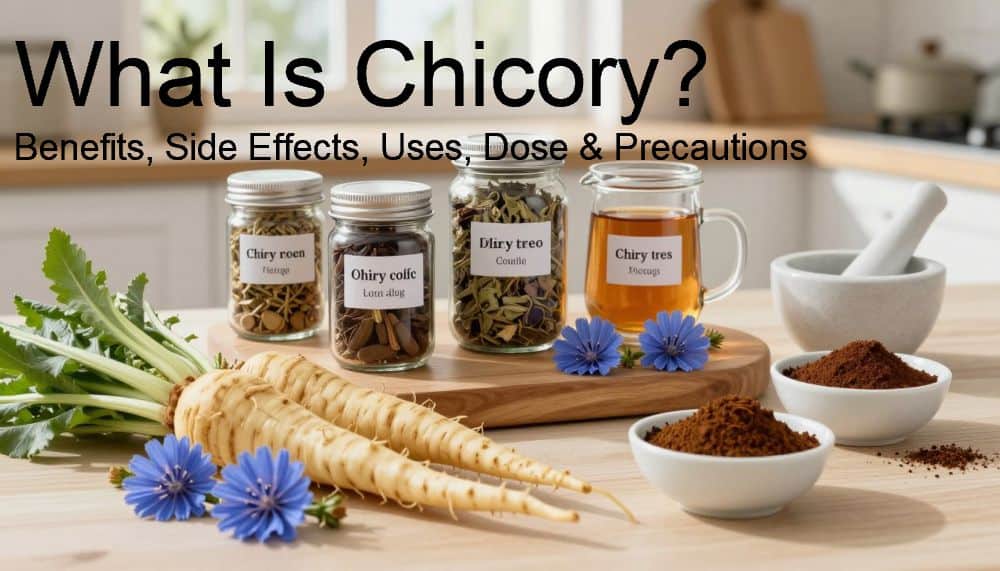
Many people enjoy this root for its distinct flavor and potential health benefits. Scientific evidence highlights how it supports digestion and gut wellness. However, understanding the effects of chicory requires a balanced look at both its advantages and limitations.
In this guide, we explore the benefits of chicory and how to use it safely. We also address the side effects of chicory and other possible side effects to ensure you can incorporate it into your daily routine with confidence.
Key Takeaways
- This plant acts as both a culinary staple and a functional food ingredient.
- It is widely recognized for supporting digestive health and gut wellness.
- Scientific research provides evidence for its nutritional composition and usage.
- Users should be aware of potential side effects before adding it to their diet.
- Proper dosage and precautions are essential for safe daily consumption.
Defining the Chicory Plant (Cichorium intybus L.)
If you have ever walked through a field in late summer, you might have spotted the bright blue flowers of the chicory plant. Scientifically classified as Cichorium intybus L., this hardy perennial is a member of the dandelion family. It is widely recognized for its vibrant petals and its deep, taproot system that anchors it firmly in the soil.
Botanical Characteristics and Origins
The chicory plant is native to Europe, Western Asia, and North Africa, though it now grows wild across much of the United States. It thrives in various environments, often appearing along roadsides and in meadows. The plant is highly resilient, capable of surviving in poor soil conditions where other crops might struggle.
The root of the chicory plant is perhaps its most famous feature. It is thick, fleshy, and packed with inulin, a type of prebiotic fiber. This unique composition is what makes the plant so valuable for both culinary and health-related purposes.
Historical Use in Traditional Medicine
For centuries, the medicinal properties of this herb have been documented by healers across different cultures. Ancient Romans and Greeks valued the use of chicory for its ability to support digestive health and soothe minor ailments. These early chicory uses were often centered on decoctions made from the leaves or the roasted root.
“The earth provides us with simple, bitter roots that hold the power to restore balance to the body and spirit.”
Today, we continue to explore the Cichorium intybus L. species to understand how its ancient applications align with modern science. The root of the chicory plant remains a focal point for researchers interested in natural wellness. Below is a summary of how different parts of the plant are utilized.
| Plant Part | Primary Use | Key Benefit |
|---|---|---|
| Leaves | Culinary (Salads) | Nutrient-dense greens |
| Root | Coffee Substitute | Prebiotic fiber source |
| Flowers | Garnish/Herbal | Aesthetic and mild tonic |
As we look closer at the medicinal history of this plant, it becomes clear that its chicory uses have evolved significantly. While once a simple folk remedy, the use of chicory is now backed by a growing body of evidence regarding its impact on human health.
Nutritional Profile and Key Constituents
Exploring the nutritional profile of the chicory plant reveals a complex array of health-boosting compounds. This versatile plant offers significant value through both its foliage and its underground structures. By examining the constituents of Cichorium intybus L., we can better understand how this botanical wonder supports human health.
Vitamins and Minerals in Chicory Leaves
The green parts of the plant are packed with essential micronutrients that contribute to a balanced diet. Chicory leaves are particularly rich in Vitamin A, Vitamin K, and Vitamin C, which are vital for immune function and bone health. These leaves also provide a good source of manganese and potassium, supporting overall metabolic processes.
When you incorporate whole chicory into your meals, you gain access to these concentrated vitamins. The leaves offer a crisp texture and a slightly bitter profile that pairs well with other nutrient-dense vegetables. Consuming these greens regularly ensures you receive a steady supply of antioxidants found naturally in the plant.
The Role of Root Extract Compounds
While the leaves provide vitamins, the root of the chicory plant is famous for its unique chemical composition. The most notable component is inulin, a type of prebiotic fiber that remains undigested until it reaches the colon. This chicory root extract serves as a primary fuel source for beneficial gut bacteria.
Beyond inulin, the compounds in chicory include sesquiterpene lactones, which contribute to the plant’s characteristic bitterness and potential health-promoting effects. Whether you use dried chicory root or a concentrated root extract, these elements work together to provide benefits that go beyond basic caloric intake. The extract of chicory is widely studied for its ability to stabilize internal biological functions.
Understanding the synergy between chicory leaves and roots allows for a more holistic approach to nutrition. By utilizing the full spectrum of cichorium intybus l., you can maximize the intake of bioactive substances. This chicory root profile remains a cornerstone of its reputation as a functional food ingredient.
Understanding Chicory Inulin as a Prebiotic
When we look at the science of digestion, chicory inulin stands out as a premier prebiotic for the human body. This natural substance is a type of dietary fiber that offers significant advantages for your internal health. By choosing to include this plant-based fiber in your diet, you provide your system with the tools it needs to thrive.
How Inulin Functions in the Gut
The primary reason this compound acts as a prebiotic is its unique resistance to human digestive enzymes. Because it remains undigested in the upper gastrointestinal tract, it travels safely to the colon. Once it reaches this destination, it becomes a primary fuel source for the beneficial bacteria residing there.
“The gut microbiome is the command center for our overall health, and feeding it the right fuel is essential for long-term wellness.”
This fermentation process is where the effects of chicory inulin truly shine. As the bacteria break down the fiber, they produce short-chain fatty acids that support the lining of the colon. This process is a fundamental aspect of how inulin in chicory maintains a healthy digestive environment.
Impact on Microbiome Diversity
A diverse microbiome is the hallmark of a resilient digestive system. By consistently consuming chicory root fiber, you encourage the growth of healthy microflora, such as Bifidobacteria. This shift in bacterial populations helps crowd out less desirable organisms, fostering a more balanced internal ecosystem.
Maintaining this balance is vital for your overall well-being. When you prioritize dietary fiber from sources like chicory, you are actively investing in your gut health. The consistent use of chicory inulin serves as a simple yet effective strategy to keep your microbiome flourishing every single day.
Health Benefits of Chicory Root
Modern science is finally catching up to what traditional herbalists have long known about chicory root. This versatile plant offers a wide range of potential benefits that support overall physical wellness. By integrating the chicory plant into your routine, you can tap into a natural source of bioactive substances that promote long-term vitality.
Anti-inflammatory Properties
Systemic inflammation is often at the root of many chronic health issues. The compounds in chicory work effectively to modulate the body’s inflammatory response. These beneficial effects help maintain cellular integrity and support healthy tissue function throughout the body.
When we look at the properties of chicory, it becomes clear that its impact is far-reaching. Regular consumption may assist in calming internal stress, which is one of the primary health benefits of chicory. Many users find that these natural qualities provide a gentle way to manage daily physical discomfort.
Nature provides us with a pharmacy of healing plants, and the benefits of chicory are a testament to the power of botanical support in maintaining a balanced internal environment.
Antioxidant Capacity of the Plant
The health benefits of chicory root are largely driven by its impressive ability to neutralize free radicals. These unstable molecules can cause significant damage to cells if left unchecked. By providing a high concentration of antioxidants, the plant helps reduce oxidative stress, which is essential for healthy aging.
The following table highlights how the chicory root benefits compare to other common sources of antioxidants in a standard diet:
| Source | Primary Benefit | Antioxidant Level |
|---|---|---|
| Chicory Root | Cellular Protection | High |
| Green Tea | Metabolic Support | Moderate |
| Blueberries | Cognitive Health | High |
| Dark Chocolate | Heart Health | Moderate |
Understanding the health benefits of chicory allows you to make informed choices about your nutrition. As you explore the chicory root benefits, remember that consistency is key to experiencing these positive changes. Embracing the chicory plant as a functional food is a simple step toward a healthier lifestyle.
Potential Role in Blood Sugar Control
Emerging research suggests that chicory may offer significant support for those monitoring their metabolic health. By influencing specific metabolic pathways, this plant extract helps the body maintain more stable blood sugar levels throughout the day.
Many individuals are now exploring how the properties of chicory can be integrated into a balanced lifestyle. These potential benefits are particularly relevant for those who need to manage their glucose intake carefully.
Mechanisms for Managing Blood Sugar Levels
The primary way dietary chicory influences glucose metabolism is through its high inulin content. This prebiotic fiber slows down the rate at which food is digested, which prevents rapid spikes in glucose after eating.
By delaying gastric emptying, the plant helps ensure a more gradual release of sugar into the bloodstream. This blood sugar control is essential for maintaining steady energy levels and reducing the strain on insulin production.
Scientific Evidence on Dietary Chicory
A study published in Food Sci Nutr provides compelling data regarding these beneficial effects. The research indicates that chicory root may help improve glycemic control in patients living with type 2 diabetes.
These findings suggest that chicory serves as a useful tool when combined with standard medical care. While more large-scale trials are needed, current evidence highlights the positive impact of this root on long-term metabolic health for those managing diabetes.
Digestive Health and Constipation Relief
If you are looking for a gentle way to improve your digestion, the root of the chicory plant might be the answer. Many people struggle with occasional discomfort, but natural solutions can offer significant relief. By focusing on gut health, you can enhance your overall quality of life and daily comfort.

Improving Bowel Regularity
One of the most notable health benefits of chicory root is its ability to support a healthy bowel rhythm. When your system feels sluggish, the natural compounds in this plant help stimulate movement. This makes it a popular choice for those seeking relief from constipation without relying on harsh synthetic alternatives.
Regular consumption of dietary chicory helps maintain a consistent schedule for your body. By supporting the natural contractions of the colon, it ensures that waste moves through the system more effectively. This simple addition to your routine can lead to lasting improvements in your daily comfort.
Fiber Content and Digestive Efficiency
The secret behind these positive effects lies in the high dietary fiber content found within the root. This fiber acts as a prebiotic, feeding the beneficial bacteria that reside in your gut. A thriving microbiome is essential for maintaining high levels of digestive efficiency throughout the day.
When you prioritize fiber-rich foods, you provide your body with the tools it needs to process nutrients properly. The chicory root benefits extend beyond simple regularity, as they also help create a balanced internal environment. Embracing this dietary habit is a proactive step toward long-term gastrointestinal wellness.
Liver Protection and Non-Alcoholic Fatty Liver Disease
Your liver performs vital functions every day, and recent studies suggest that chicory may play a supportive role in maintaining its health. Many researchers are now exploring how a natural chicory extract can help protect the liver from common metabolic challenges.
Research on Liver Health Support
Current scientific interest is focused on how chicory root may assist those dealing with non-alcoholic fatty liver disease. This condition often involves the buildup of excess fat in the liver, which can lead to long-term complications if left unmanaged.
By incorporating specific plant-based compounds into a diet, individuals might support their hepatic function more effectively. Evidence indicates that the root extract of this plant helps regulate lipid metabolism, which is essential for preventing fat accumulation.
Protecting the Liver from Oxidative Stress
Oxidative stress is a primary driver of inflammation and tissue damage within the liver. Recent findings, often featured in journals like Food Sci Nutr, highlight that chicory root extract acts as a powerful antioxidant.
This extract of chicory works by neutralizing harmful free radicals that cause cellular stress. By reducing this internal pressure, the plant helps maintain the structural integrity of liver cells and promotes overall wellness.
| Liver Health Factor | Impact of Chicory | Primary Benefit |
|---|---|---|
| Oxidative Stress | Reduction | Cell Protection |
| Lipid Metabolism | Improvement | Fat Regulation |
| Inflammation | Suppression | Tissue Repair |
Culinary Uses and Chicory Coffee
Exploring the culinary versatility of chicory reveals why this plant is a staple in many global pantries. Beyond its well-known medicinal applications, the plant serves as a dynamic ingredient that adds depth to various dishes. Whether you are looking to change your morning routine or add a bitter crunch to your salad, the use of chicory offers endless creative potential.
Roasted and Ground Chicory as a Coffee Substitute
Many people turn to chicory coffee as a caffeine-free alternative that still provides a robust experience. The roasted and ground root is prized for its dark, nutty flavor profile. Because chicory root has a mild, earthy taste, it serves as an excellent substitute for coffee for those sensitive to stimulants.
To prepare this beverage, you can use ground chicory root on its own or as an addition to coffee to mellow out the acidity. Many enthusiasts prefer a blend of roasted chicory and traditional beans to create a balanced cup. Using dried chicory root ensures you have a shelf-stable option ready for your morning brew.
Incorporating Chicory Leaves into Daily Meals
While the roots are famous for beverages, the chicory leaves are a nutritious addition to any kitchen. These greens offer a sharp, peppery bite that pairs beautifully with sweet dressings or rich meats. You can easily use chicory in fresh salads or sauté them with garlic and olive oil for a savory side dish.
When selecting your ingredients, look for whole chicory that appears crisp and vibrant. Combining chicory leaves and roots in your cooking allows you to enjoy the full spectrum of the plant’s flavor. Whether you choose to roast the roots or serve the leaves raw, this plant is a fantastic way to elevate your home cooking.
| Chicory Part | Primary Use | Flavor Profile |
|---|---|---|
| Roasted Root | Coffee Substitute | Nutty and Earthy |
| Fresh Leaves | Salads and Sautéing | Bitter and Peppery |
| Ground Chicory | Beverage Additive | Deep and Robust |
Dosage and Consumption Guidelines
Whether you enjoy it as a coffee alternative or a prebiotic, knowing the proper intake is essential for your wellness. Because chicory is generally recognized as safe, it fits easily into many diets, but moderation remains the best approach for long-term success.
Determining the Appropriate Dose of Chicory
There is no single universal dose of chicory that applies to everyone. Your appropriate dose of chicory often depends on your specific health goals, such as seeking blood sugar control or simply wanting a caffeine-free coffee experience.
If you are taking chicory to support your gut health, it acts as a prebiotic effectively even in small amounts. Most experts suggest starting with a small quantity, such as half a teaspoon of ground chicory, to see how your body reacts. You can gradually increase this amount as your digestive system adjusts to the added fiber.
Safe Practices for Daily Intake
When consuming chicory, consistency is more important than high volume. Many people find that an addition to coffee is the easiest way to incorporate it into their morning routine. By mixing roasted and ground chicory with your regular beans, you can enjoy a rich flavor while reducing your overall caffeine intake.
If you are managing diabetes, always monitor your body’s response when introducing new supplements. Using chicory root coffee as a daily ritual is a popular choice, but ensure you do not exceed recommended culinary amounts. Keeping a simple log of your intake can help you identify the perfect balance for your lifestyle.
| Consumption Method | Suggested Daily Amount | Primary Benefit |
|---|---|---|
| Chicory Coffee Blend | 1-2 teaspoons | Caffeine reduction |
| Prebiotic Supplement | 1/2 to 1 teaspoon | Gut health support |
| Roasted Chicory Root | Up to 1 tablespoon | Blood sugar management |
Always remember that roasted chicory is a potent plant-based ingredient. Whether you prefer a light roast or a dark blend, listening to your body is the most reliable way to determine your personal limit.
Possible Side Effects and Precautions
While chicory is generally recognized as safe for most people, it is important to be aware of how your body reacts to new dietary additions. Understanding the possible side effects of chicory is a key part of maintaining a healthy and balanced diet. By staying informed, you can enjoy the benefits of this plant while minimizing any discomfort.
Gastrointestinal Sensitivity and Bloating
The primary effects of chicory often relate to the digestive system. Because the root is rich in chicory inulin, a type of prebiotic fiber, it can significantly impact your digestion. If you are not accustomed to a high-fiber diet, the effects of chicory inulin may include temporary bloating, gas, or abdominal discomfort.
These symptoms typically occur when the inulin in chicory ferments in the gut. To help your bowel adjust, consider starting with a small amount and gradually increasing your consumption of chicory over time. This approach allows your system to adapt to the increased fiber intake without causing unnecessary distress.
When to Consult a Healthcare Provider
If you have pre-existing digestive conditions, such as irritable bowel syndrome, you should be extra cautious when taking chicory. It is wise to avoid chicory or speak with a professional if you notice persistent issues after consuming chicory. A doctor can help you determine the appropriate dose of chicory that fits your specific health needs.
Always remember that the right dose of chicory varies from person to person. If you experience severe constipation or other digestive changes that do not resolve, seek medical guidance immediately. Prioritizing your comfort ensures that your experience with this natural supplement remains positive and effective.
Allergies and Interactions with Birch Pollen
Understanding the potential for an allergic reaction is a key part of safely enjoying the benefits of the chicory plant. While most people consume this root without any issues, a small number of individuals may experience sensitivity. Being aware of these risks helps you make informed choices about your diet.
Understanding Allergy Syndrome to Chicory
Some people may encounter an allergy syndrome to chicory associated with specific immune responses. This condition is often referred to as oral allergy syndrome. It typically manifests as mild itching or tingling in the mouth and throat shortly after consumption.
These symptoms occur because the immune system mistakenly identifies proteins in the plant as harmful invaders. While usually mild, it is important to monitor your body’s response when trying this food for the first time. If you notice persistent discomfort, it is best to stop consumption immediately.
Cross-Reactivity with Birch Pollen
The primary reason for this sensitivity is that chicory is often associated with birch pollen allergy. This happens because the proteins found in the plant are structurally similar to those found in birch tree pollen. When your body is already sensitized to birch, it may react to the plant as well.
Because of this chicory associated with birch pollen connection, those with severe seasonal hay fever should exercise extra caution. If you have a known history of reacting to birch trees, you may want to avoid chicory to prevent any unwanted immune triggers. Always listen to your body and consult a healthcare provider if you have concerns about your specific allergy profile.
Conclusion
Chicory serves as a versatile plant that offers significant health benefits for your daily routine. You can harness the medicinal properties of this herb to support your digestive system and blood sugar levels. It may even help protect the liver against non-alcoholic fatty liver disease when used as part of a balanced lifestyle.
Understanding the unique constituents of Cichorium intybus L. allows you to make informed choices about your wellness. You should learn more about chicory to see how it fits your specific dietary needs. This knowledge helps you maximize the health benefits of chicory while maintaining your safety.
Be mindful of your body when adding new plants to your diet. Some people experience an allergic reaction if they have an allergy syndrome to chicory associated with birch pollen. If you notice symptoms, stop consumption and speak with a professional. This specific chicory associated with birch pollen allergy risk is manageable with awareness.
Integrating this herb responsibly lets you enjoy its culinary and wellness advantages. Explore how this plant improves your vitality today. Your journey toward better health starts with small, informed steps.
FAQ
What exactly is chicory root coffee, and is it a good coffee alternative?
Chicory root coffee is made from the root of the chicory plant that has been roasted and ground to mimic the flavor and aroma of traditional coffee beans. It is a highly popular caffeine-free coffee option often used as a substitute for coffee because of its deep, nutty, and slightly earthy profile. Well-known brands like Cafe Du Monde and Luzianne have utilized ground chicory root for decades, either as a standalone brew or a flavorful addition to coffee. Since chicory root has a mild, woodsy taste, it provides a satisfying experience for those looking to reduce their caffeine intake.
How does the consumption of chicory support digestive health and regularity?
The health benefits of chicory root are largely centered on its high concentration of inulin, which is a powerful prebiotic and dietary fiber. This fiber acts as a prebiotic by feeding the beneficial bacteria in your gut, specifically in the bowel. The effects of chicory inulin are known to improve digestion and help alleviate constipation. Regular dietary chicory intake promotes regularity and helps maintain a balanced microbiome, which is essential for overall wellness.
Does research suggest that chicory can help manage diabetes and blood sugar levels?
Yes, emerging research, including studies published in Food Sci Nutr, suggests that chicory may play a supportive role in blood sugar control. The chicory root extract contains specific compounds in chicory that may help stabilize blood sugar levels by improving insulin sensitivity. This makes the use of chicory a promising medicinaldietary addition for individuals looking to manage their glucose levels naturally through chicory root fiber.
What is the appropriate dose of chicory for daily use?
While the chicory plant is generally recognized as safe, the appropriate dose of chicory can vary based on individual tolerance. Most experts recommend starting with a small dose of chicory, such as one to two teaspoons of ground chicory, to see how your body reacts. When taking chicory as a supplement or chicory root coffee, moderation is key to enjoying the potential benefits without overstimulating the digestive system. If you are unsure, it is always best to consult your healthcare provider.
What are the possible side effects of chicory root consumption?
While there are many benefits of chicory, some individuals may experience possible side effects. Because of the high inulin in chicory, consuming chicory in large amounts can lead to gas, bloating, or abdominal discomfort. These side effects of chicory are typically mild and often occur when a person is not accustomed to a high-fiber dietary intake. Gradually increasing your chicory consumption can help your system adjust to the effects of chicory inulin.
Can chicory root extract help protect the liver?
Recent studies into the constituents of Cichorium intybus L. suggest that the extract of chicory may protect the liver from oxidative stress. Specifically, research indicates that chicory root extract may offer beneficial effects for those dealing with non-alcoholic fatty liver disease by reducing inflammation and preventing fat accumulation in the liver. This makes chicory root benefits particularly interesting for long-term metabolic and hepatic health.
Is there a risk of an allergic reaction to the chicory plant?
Although rare, an allergic reaction can occur. This is most common in individuals who have an allergy syndrome to chicory associated with a birch pollen allergy. Because chicory associated with birch pollen can cause cross-reactivity, those associated with birch pollen allergy should avoid chicory or use it with caution. If you experience itching or swelling after taking chicory, stop use immediately and speak with a healthcare provider to learn more about chicory allergies.
How can I use chicory leaves and roots in my daily meals?
There are many versatile chicory uses in the kitchen! You can use chicory leaves (like endive or radicchio) in fresh salads for a slightly bitter, gourmet touch. For the roots, you can find dried chicory root that has been roasted to make roasted chicory tea or coffee. You can also incorporate chicory root extract or whole chicory into smoothies and high-fiber recipes to enjoy the health benefits of chicory root throughout the day.