

Living with a chronic inflammatory bowel disease can feel overwhelming, but you are not alone. This condition causes persistent inflammation in your digestive tract, which often leads to significant discomfort and daily challenges.
Many people compare this health issue to ulcerative colitis, yet it remains a distinct form of IBD. While there is currently no known cure for this specific ailment, modern medicine provides effective treatment options to help you regain control of your life.

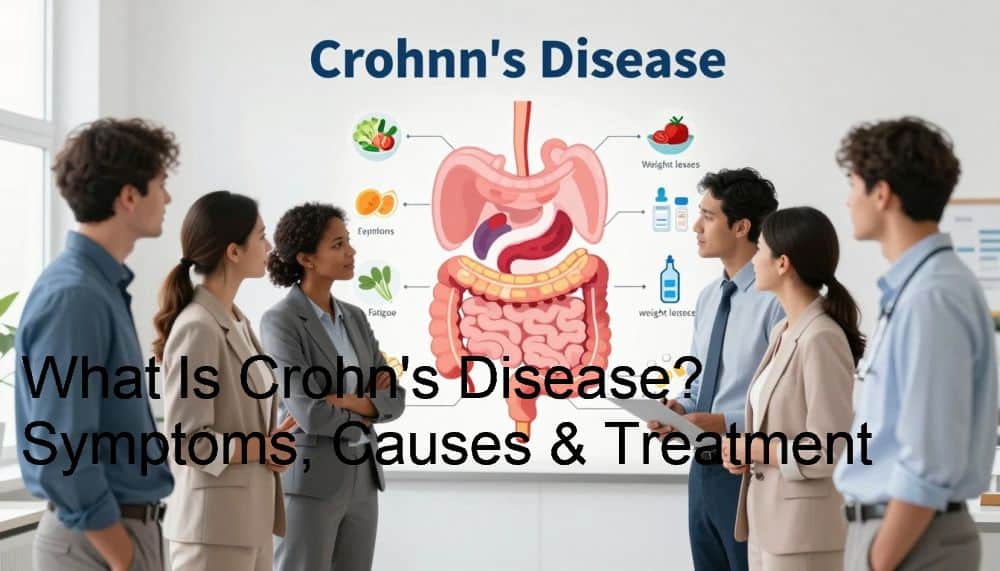
Our goal is to offer a friendly, clear guide for those navigating this journey. By understanding your body better, you can work closely with your medical team to manage symptoms and improve your overall well-being.
Key Takeaways
- This condition is a chronic form of inflammatory bowel disease affecting the digestive system.
- Common symptoms include abdominal pain, fatigue, and digestive distress.
- While no permanent cure exists, various therapies help manage flare-ups effectively.
- Early diagnosis and consistent care are vital for maintaining a high quality of life.
- Working with a specialist ensures you receive the best personalized medical support.
Understanding Crohn’s Disease
Crohn’s disease is a chronic condition that requires careful attention to the digestive tract. It is a type of inflammatory bowel disease (IBD) that causes long-term inflammation in the digestive system. Because this condition is complex, learning the basics is essential for anyone seeking clarity on their health journey.
Defining the Condition
At its core, crohn’s disease is a chronic illness that can affect any part of the digestive tract. Unlike some conditions that are localized, this disease can affect the entire path from the mouth to the anus. People with crohn’s disease often experience periods of active illness followed by times of remission.
How Crohn’s Differs from Ulcerative Colitis
It is common for patients to confuse crohn’s disease and ulcerative colitis because they share similar symptoms. Both are forms of IBD, but they behave in distinct ways within the body. While ulcerative colitis is limited to the colon, crohn’s disease can affect any segment of the gastrointestinal tract.
| Feature | Crohn’s Disease | Ulcerative Colitis |
|---|---|---|
| Affected Area | Anywhere (Mouth to Anus) | Large Intestine Only |
| Inflammation Pattern | Patchy (Skip lesions) | Continuous |
| Tissue Depth | Full thickness of wall | Inner lining only |
The Impact on the Digestive Tract
The way disease and ulcerative colitis manifest differs significantly in the intestines. In people with crohn’s disease, the inflammation often creates “skip lesions,” where healthy tissue exists between inflamed areas. This can occur in the small intestine or the large intestine, leading to unique complications.
Because the inflammation can penetrate deep into the bowel wall, it often leads to more severe structural changes. Understanding these differences helps medical professionals provide the right care for every patient.
Recognizing the Symptoms of Crohn’s Disease
From the mouth to the anus, the symptoms of Crohn’s disease often present in unpredictable ways. Because this type of inflammatory bowel disease can affect any part of the digestive tract, identifying its unique signs is essential for patients. Recognizing these indicators early allows individuals to work with their doctors to better manage symptoms.
Common Digestive Signs
The most frequent indicators of this condition involve the digestive tract. Many people with Crohn’s disease report persistent diarrhea and frequent, urgent bowel movements. These changes in stool frequency are often accompanied by significant abdominal pain and cramping.
Inflammation in the small intestine or colon can lead to these uncomfortable digestive issues. While some people may mistake these for other conditions, the chronic nature of the pain is a hallmark of the disease. If you notice blood in your stool, it is important to seek medical evaluation immediately.
Systemic Symptoms Beyond the Gut
Crohn’s disease symptoms are not limited to the digestive system. Because the inflammation can trigger a systemic response, many patients experience fatigue and unexplained weight loss. These signs and symptoms often occur even when digestive distress seems minimal.
Some individuals may also notice issues outside the gut, such as joint pain, skin rashes, or eye irritation. These systemic effects occur because the immune system is actively fighting inflammation throughout the body. Recognizing these broader signs is a key part of understanding the full impact of the condition.
Distinguishing Between Mild and Severe Symptoms
The severity of the disease can vary greatly between individuals. While some experience only mild symptoms that come and go, others may face severe Crohn’s disease that requires intensive medical intervention. The following table outlines the differences between these presentations.
| Symptom Category | Mild Presentation | Severe Presentation |
|---|---|---|
| Abdominal Pain | Occasional, manageable cramping | Constant, intense, debilitating pain |
| Bowel Habits | Less than 4 stools per day | More than 6 stools per day |
| Systemic Impact | Minimal fatigue | High fever and significant weight loss |
| Complications | Rarely requires surgery | High risk of abscesses or fistulas |
It is important to remember that severe Crohn’s disease requires a specialized treatment plan. By tracking your symptoms and causes, you can provide your healthcare team with the data needed to adjust your therapy. Consistent monitoring is the best way to maintain your quality of life.
Exploring the Causes and Risk Factors
While the exact cause of Crohn’s disease is not fully known, researchers have identified several key risk factors. Understanding these elements helps explain why this inflammatory bowel disease affects some individuals more than others. By looking at the interplay between biology and the environment, we can better grasp how this condition develops.
The Role of the Immune System
In a healthy body, the immune system fights off harmful bacteria and viruses. However, for people with Crohn’s disease, the immune system mistakenly attacks healthy cells in the digestive tract. This abnormal response leads to chronic inflammation, which is a hallmark of the condition.
When the immune system remains overactive, it can cause swelling and damage to the intestinal lining. This persistent immune activity is one of the primary possible causes of the tissue damage seen in patients. Scientists continue to study how this internal defense mechanism goes awry in those with IBD.
Genetic Predisposition and Family History
Genetics play a significant role in the risk of Crohn’s disease. If you have a close relative with the condition, your likelihood of developing it increases. Researchers have identified specific gene mutations that may trigger Crohn’s in susceptible individuals.
It is important to note that having these genes does not guarantee you will develop the illness. Many people with Crohn’s disease do not have a family history of the condition. This suggests that while genetics provide a foundation, other factors are necessary to initiate the disease process.
Environmental Triggers and Lifestyle Factors
External influences often act as catalysts for the disease. Certain environmental factors, such as smoking or exposure to specific bacteria, cause Crohn’s disease symptoms to flare up. These triggers can cause inflammation in the gut, even in people who were previously asymptomatic.
Lifestyle choices also influence how the disease may progress over time. While diet alone does not cause Crohn’s disease, certain foods can exacerbate existing symptoms and causes. Managing stress and maintaining a healthy environment are vital steps for anyone looking to reduce the impact of this complex condition.
The Diagnostic Process for Crohn’s Disease
Navigating the path to a crohn’s disease diagnosis requires a series of specialized medical tests. Because many conditions share similar signs and symptoms, doctors must carefully rule out other issues like ulcerative colitis. This clinical evaluation serves as the vital first step toward effective management and long-term care.
Clinical Evaluation and Physical Exams
The process usually begins with a thorough review of your medical history and a physical exam. Your doctor will ask detailed questions about your bowel habits, pain levels, and family history to identify possible causes of your discomfort. This initial assessment helps narrow down the potential for inflammatory bowel disease.
During the physical exam, the physician checks for abdominal tenderness or masses. They may also request a stool sample to check for hidden blood or signs of infection. These simple, non-invasive steps are essential for people with crohn’s disease to begin their journey toward relief.
The Role of Colonoscopy and Endoscopy
To get a clear view of the digestive tract, doctors often rely on endoscopic procedures. A colonoscopy allows the specialist to examine the entire colon and the end of the small intestine. This procedure is highly effective at identifying inflammation and tissue damage.
During these exams, the doctor may take small tissue samples, known as biopsies. These samples are analyzed in a lab to confirm the presence of inflammation characteristic of the condition. Visualizing the gut directly is often the most reliable way to distinguish between various forms of IBD.
Imaging Techniques and Blood Work
Beyond direct visualization, blood work plays a key role in diagnosing crohn’s disease. Blood tests can reveal signs of anemia or elevated markers of inflammation in the body. While these tests cannot confirm the condition on their own, they provide crucial data for your medical team.
Advanced imaging techniques, such as CT scans or MRI enterography, are also frequently used. These tools help doctors see deeper into the digestive tract to detect complications like strictures or abscesses. By combining these diagnostic methods, your healthcare provider can create a personalized plan for your diagnosis and treatment.
Medical Treatment Options for Crohn’s Disease
Effective treatment for Crohn’s disease focuses on calming the immune system and healing the gut. Doctors work closely with patients to create a plan that helps control symptoms and achieve long-term remission. By choosing the right treatment options, individuals can significantly improve their quality of life.
Anti-Inflammatory Medications
The first line of defense often involves medications designed to reduce inflammation in the digestive tract. These drugs are particularly helpful for mild to moderate cases of inflammatory bowel disease. They work locally to soothe the lining of the intestines and prevent the causes swelling that leads to discomfort.
While these medications are similar to those used for ulcerative colitis, they are tailored specifically for the needs of people with Crohn’s disease. Consistent use is essential to maintain health and prevent flare-ups. Your healthcare provider will monitor your progress to ensure the dosage remains effective.
Biologic Therapies and Targeted Treatments
Biologic therapies represent a major advancement in the treatment for Crohn’s disease. These drugs are engineered to target specific proteins in the body that cause inflammation. By blocking these pathways, biologics help the body heal and reduce symptoms more effectively than traditional options.
“The goal of modern therapy is not just to mask symptoms, but to achieve deep mucosal healing, which changes the long-term course of the disease.”
— Gastroenterology Specialist
Immunomodulators and Corticosteroids
Immunomodulators are often prescribed to help the immune system function more normally. These medications are vital for people with Crohn’s disease who need to maintain remission over a long period. They work by suppressing the overactive immune response that triggers chronic inflammation.
Corticosteroids are typically used for short-term relief during active flares. They are highly effective at quickly reducing symptoms, but they are not intended for long-term use due to potential side effects. The following table summarizes how these different classes of medication support your health journey.
| Medication Class | Primary Goal | Usage Frequency |
|---|---|---|
| Anti-inflammatories | Reduce mild inflammation | Daily |
| Corticosteroids | Rapid symptom relief | Short-term |
| Immunomodulators | Maintain remission | Long-term |
| Biologics | Targeted immune suppression | Periodic infusions/injections |
Understanding your crohn’s disease treatment plan is a powerful step toward wellness. Always discuss any concerns about side effects or changes in your condition with your medical team. With the right approach, you can successfully manage your IBD and lead a full, active life.
Surgical Interventions and When They Are Necessary
While medical management is the first line of defense, surgery sometimes becomes a necessary step for those living with Crohn’s disease. When inflammation becomes too severe for medication to handle, surgical intervention offers a path to relief. This approach is often considered when medical therapies are no longer sufficient to manage the condition effectively.
Addressing Bowel Obstructions
Over time, chronic inflammation can lead to the buildup of scar tissue in the small intestine or colon. This narrowing, known as a stricture, can cause painful bowel obstructions. Surgery is often required to remove the damaged section or widen the narrowed area to restore normal function.
By addressing these blockages, surgeons can significantly reduce abdominal pain. This procedure helps improve the quality of life for people with Crohn’s disease who struggle with frequent digestive distress. It remains a key component of treatment for Crohn’s disease when non-invasive options fail.
Treating Fistulas and Abscesses
One of the more challenging complications of Crohn’s disease involves the development of a fistula. This is an abnormal tunnel that connects the bowel to other organs or the skin, often near the anus. If an abscess forms, it requires immediate medical attention to prevent infection.
Surgeons may perform procedures to drain the abscess and repair the tissue. These interventions are essential to treat Crohn’s disease effectively when it manifests in these complex ways. Proper surgical care prevents further damage to the surrounding abdominal tissues.
Recovery and Post-Surgical Care
Recovery after surgery for severe Crohn’s disease requires patience and careful monitoring. Patients typically spend several days in the hospital to ensure the digestive system is healing correctly. Following the surgeon’s guidance on diet and activity is crucial for a smooth transition back to daily life.
Long-term Crohn’s disease treatment often continues after surgery to maintain remission. Regular check-ups help monitor for any signs of recurrence. Staying connected with a healthcare team ensures that people with Crohn’s disease receive the best possible support during their recovery.
| Procedure Type | Primary Goal | Target Area |
|---|---|---|
| Strictureplasty | Widen narrowed bowel | Small intestine |
| Resection | Remove damaged tissue | Small intestine or colon |
| Fistula Repair | Close abnormal tunnels | Anus or abdominal wall |
| Abscess Drainage | Clear infection | Abdominal cavity |
Lifestyle Changes and Dietary Management
Many people with Crohn’s disease find that small adjustments to their routine make a significant difference in their comfort. While medical interventions are vital, treatments and lifestyle changes work best when used together to help you feel your best. By taking a proactive approach, you can better control symptoms and improve your daily quality of life.
Identifying and Avoiding Trigger Foods
Diet plays a major role in how you feel when living with Crohn’s disease. Because every person is unique, what causes diarrhea or discomfort for one person may be perfectly fine for another. Keeping a detailed food diary is a highly effective way to track what you eat and how your body reacts.
Common items that may trigger Crohn’s symptoms include high-fiber foods, dairy products, and spicy meals. Once you identify these specific items, you can work to remove them from your diet to reduce symptoms. Focusing on gentle, nutrient-dense foods can help you maintain your energy levels while keeping your digestive system calm.
The Importance of Stress Management
It is well-known that the brain and the gut are closely connected. High levels of stress can often lead to increased inflammation, which may worsen your condition. Finding healthy ways to relax is essential for anyone living with Crohn’s.
Practicing mindfulness, deep breathing, or light exercise can help you reduce inflammation and manage your overall health. When you prioritize your mental well-being, you are better equipped to handle the challenges of inflammatory bowel disease. Remember that taking time for yourself is not a luxury; it is a necessary part of your care plan.
Finding Support Groups and Community Resources
You do not have to navigate this journey alone. Connecting with others who are living with Crohn’s disease provides a sense of community and shared understanding. Many organizations, such as the Colitis Foundation, offer valuable tools and educational materials to help you stay informed.
Joining a support group allows you to share experiences and learn new ways to manage symptoms from people who truly understand your situation. Whether you are looking for advice on diet or just need someone to talk to, these resources are there to support you. Building a strong network is a powerful step toward feeling more confident in your health journey.
Managing Complications and Long-Term Outlook
While being diagnosed with Crohn’s disease brings life changes, it does not define your future potential. Many people with Crohn’s disease find that consistent care leads to a high quality of life over time. By staying informed and working closely with your medical team, you can effectively manage the symptoms of Crohn’s disease.

Navigating Flare-ups and Remission
The journey of inflammatory bowel disease is often characterized by periods of active symptoms, known as a flare-up, followed by times of relative health called remission. Achieving and maintaining remission is the primary goal of your treatment plan. Consistent monitoring helps you recognize early warning signs before they escalate into severe disease symptoms.
It is helpful to keep a personal health journal to track your progress. This record can assist your doctor in adjusting medications to keep your condition stable. Remember that even when you feel well, continuing your prescribed therapy is vital to prevent the return of inflammation.
Preventing Long-Term Complications
Proactive medical follow-up is the best way to reduce the risk of Crohn’s disease complications. Over time, chronic inflammation may lead to structural changes in the digestive tract, such as a stricture or a fistula. Regular screenings and imaging tests allow your healthcare provider to detect these issues early.
- Schedule routine check-ups even during periods of remission.
- Report any new or unusual symptoms to your gastroenterologist immediately.
- Adhere strictly to your medication schedule to minimize long-term damage.
- Maintain open communication with your care team regarding your crohn’s disease diagnosis.
Living a Full Life with Crohn’s
Many people with Crohn’s disease lead full, active lives by balancing their health needs with their personal goals. While the condition requires attention, it does not have to stop you from pursuing your passions or career. Living with Crohn’s disease is a manageable process when you have the right support system in place.
Focusing on a healthy lifestyle, including stress management and proper nutrition, complements your medical treatment. You are not alone in this experience, as millions of others are also living with Crohn’s. With modern advancements in care, the outlook for those diagnosed with Crohn’s disease remains very positive.
Conclusion
Managing Crohn’s Disease requires a dedicated partnership between you and your medical team. While researchers work toward a cure for Crohn’s disease, current therapies offer effective ways to reduce inflammation and maintain remission.
Living with this inflammatory bowel disease often feels overwhelming at times. You are not alone in this experience, as millions of people with Crohn’s disease navigate similar challenges every day. Resources from the Crohn’s & Colitis Foundation provide essential tools to help you manage your symptoms and improve your quality of life.
Connecting with a local support group can offer emotional relief and practical advice. Sharing your story with others who understand IBD helps build a strong network of encouragement. Many people with Crohn’s disease find that community involvement makes a significant difference in their daily outlook.
Focus on consistent care and open communication with your gastroenterologist to keep your health on track. Although there is no permanent cure for Crohn’s disease right now, modern medicine continues to evolve. Stay proactive, prioritize your well-being, and remain hopeful about the future of treatment for this condition.
FAQ
What is the main difference between Crohn’s disease and ulcerative colitis?
While both are forms of inflammatory bowel disease (IBD), they affect the body differently. Ulcerative colitis is limited to the colon (large intestine), whereas Crohn’s disease can affect any part of the digestive tract, from the mouth to the anus. Additionally, Crohn’s often affects the full thickness of the bowel wall and can appear in patches, while colitis is typically continuous in the lining of the colon.
Is there currently a permanent cure for Crohn’s disease?
At this time, there is no known medical cure for Crohn’s disease. However, modern treatment options are incredibly effective. Many people with Crohn’s disease are able to reduce inflammation, manage symptoms, and achieve long-term remission, allowing them to lead full and active lives.
What are some of the most common symptoms of Crohn’s disease to watch for?
The signs and symptoms can vary, but most people experience chronic diarrhea, persistent abdominal pain, and changes in stool frequency. You might also notice mild symptoms like fatigue or more severe Crohn’s disease indicators like unexplained weight loss, fever, or the development of a fistula near the anus.
What exactly causes Crohn’s disease to develop?
The exact cause of Crohn’s disease is still being researched, but it is believed to be a combination of a genetic predisposition, environmental factors, and an overactive immune system. These factors work together to cause inflammation and causes swelling within the small intestine and other parts of the gut.
How do doctors go about diagnosing Crohn’s disease?
Diagnosing Crohn’s disease usually begins with a physical exam and blood work to check for signs of infection or anemia. The most definitive step is often a colonoscopy or endoscopy, which allows your doctor to visualize the digestive tract and take biopsies to confirm the type of inflammatory bowel disease present.
What are the primary medical treatment for Crohn’s disease options?
Doctors use a variety of medications to control symptoms and reduce inflammation. This includes anti-inflammatory medications, corticosteroids, and immunomodulators. In many cases, biologic therapies such as Humira or Stelara are used to target specific proteins in the immune system that cause Crohn’s disease flares.
When is surgery necessary for someone living with Crohn’s disease?
Surgery is typically considered when medical treatment for Crohn’s disease is no longer managing symptoms or when complications arise. This might include treating a bowel obstruction, draining an abscess, or repairing a fistula. For some, removing a damaged portion of the small intestine or colon provides significant long-term relief from abdominal pain.
Can lifestyle changes help manage the symptoms of Crohn’s disease?
Absolutely! Treatments and lifestyle changes go hand-in-hand. Identifying your specific trigger foods, staying hydrated, and practicing stress management can help reduce symptoms and prevent a flare-up. Many people find it helpful to connect with the Crohn’s & Colitis Foundation for dietary guides and emotional support.
Is it possible to live a normal life after being diagnosed with Crohn’s disease?
Yes! While living with Crohn’s disease presents challenges, many people with Crohn’s disease maintain successful careers, families, and hobbies. By staying consistent with your Crohn’s disease treatment and joining a support group, you can effectively navigate the ups and downs of the condition and stay in remission for long periods.