Heartburn is a common condition affecting millions. This article provides insights into understanding, managing, and seeking appropriate care for heartburn. From causes to relief options, empower yourself with knowledge about heartburn to improve your digestive health and overall well-being.
Understanding Heartburn
What is Heartburn?
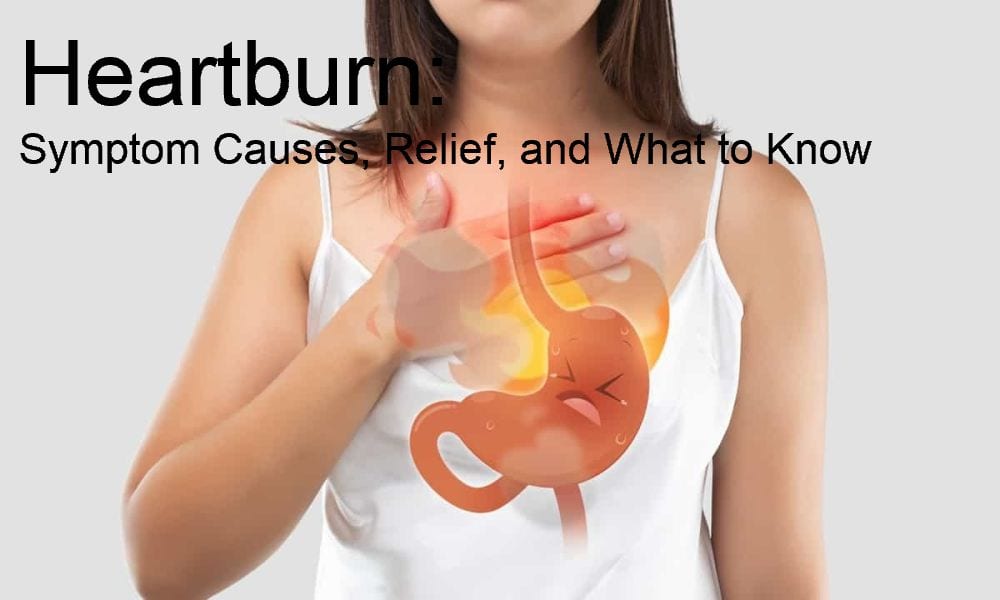
Heartburn is a burning sensation in your chest, often caused by stomach acid flowing back into the esophagus. This acid reflux occurs when the lower esophageal sphincter, which normally prevents stomach contents from re-entering the esophagus, malfunctions. Heartburn is a symptom of acid reflux.
Symptoms of Heartburn
Symptoms of heartburn include a burning pain in the middle of your chest, often after eating or at night. Heartburn feels like a burning sensation, and it may be accompanied by a sour taste in your mouth. Experiencing symptoms of heartburn occasionally is common, but frequent heartburn may indicate GERD.
Common Causes of Heartburn
Heartburn causes are varied, with spicy foods, acidic foods, and large meals being common triggers. Other factors that can cause heartburn include obesity, pregnancy, and certain medications. Lifestyle changes, such as eating smaller meals and avoiding trigger foods, can provide heartburn relief. Occasional heartburn is common.
Heartburn Symptoms and Diagnosis
Identifying Heartburn Symptoms
Identifying heartburn symptoms involves recognizing the characteristic burning sensation in your chest, which may radiate up to your throat. Heartburn is a burning pain that often occurs after eating or when lying down. Recognizing these symptoms of heartburn is the first step toward seeking appropriate heartburn relief.
When to Seek Medical Help
If you experience heartburn more than twice a week, or if home remedies and over-the-counter (OTC) antacids and H2 blockers don’t provide adequate heartburn relief, seek medical attention. Persistent heartburn may be a symptom of gastroesophageal reflux disease (GERD) or other underlying conditions.
Diagnosis of Heartburn
The diagnosis of heartburn typically involves a review of your symptoms and medical history. In some cases, your doctor may recommend an endoscopy to examine the esophagus and stomach. They may also suggest other tests to rule out other conditions and confirm the heartburn causes. Proton pump inhibitors (PPIs) are prescribed.
Heartburn Relief Strategies
Over-the-Counter Medications
For those experiencing symptoms of heartburn, over-the-counter (OTC) medications can provide quick relief. Antacids are commonly used to neutralize stomach acid and alleviate the burning sensation in your chest. H2 blockers reduce acid production in the stomach, offering longer-lasting heartburn relief. When heartburn is a symptom, these medications can manage symptoms.
Home Remedies for Heartburn Relief
Several home remedies can help manage occasional heartburn. Elevating your head while sleeping can prevent stomach acid from flowing back up into your esophagus. Chewing gum stimulates saliva production, which helps neutralize stomach acid. Such lifestyle changes may decrease heartburn symptoms. If heartburn is a burning sensation, these remedies can help.
Long-term Heartburn Management
Long-term heartburn management often involves a combination of lifestyle changes and medication. Proton pump inhibitors (PPIs) are effective in reducing stomach acid production and allowing the esophagus to heal. However, it’s essential to consult with a healthcare professional to determine the most appropriate treatment plan and address the heartburn causes effectively.
Lifestyle Changes to Prevent Heartburn
Dietary Modifications
Dietary modifications are crucial in preventing heartburn. Avoiding spicy foods, acidic foods, and fatty meals can reduce the likelihood of experiencing symptoms of heartburn. Eating smaller, more frequent meals can also help prevent stomach acid from backing up into your esophagus. It is important to know about heartburn to avoid it.
Exercise and Physical Activity
Regular exercise and physical activity can contribute to overall digestive health and prevent heartburn. However, it’s essential to avoid strenuous activities immediately after eating, as this can trigger heartburn symptoms. Maintaining a healthy weight can also reduce pressure on the stomach and lower the risk of acid reflux. Heartburn is a common issue and this can reduce it.
Avoiding Triggers
Identifying and avoiding personal heartburn triggers is essential for prevention. Common triggers include caffeine, alcohol, chocolate, and peppermint. Keeping a food diary can help you pinpoint specific foods and beverages that cause heartburn. This strategy helps manage heartburn if you experience heartburn frequently or occasional heartburn.
Risk Factors for Heartburn
Identifying Risk Factors
Identifying risk factors is crucial in preventing heartburn and managing its symptoms effectively. Certain lifestyle choices and medical conditions can increase the likelihood of experiencing heartburn. By recognizing these factors, individuals can take proactive steps to minimize their risk and improve their digestive health.
Understanding GERD and its Connection to Heartburn
Understanding gastroesophageal reflux disease (GERD) and its connection to heartburn is essential for those who experience frequent heartburn. GERD is a chronic condition characterized by persistent acid reflux, which can lead to inflammation and damage of the esophagus. Heartburn is a primary symptom of GERD.
Managing Risk Factors Effectively
Effectively managing risk factors involves adopting lifestyle changes and, in some cases, seeking medical intervention. Dietary modifications, such as avoiding spicy foods and acidic foods, can reduce the likelihood of heartburn. Maintaining a healthy weight and quitting smoking can also help prevent heartburn and its complications.
What to Know About Heartburn
Common Myths About Heartburn
There are several common myths surrounding heartburn that can lead to misunderstandings and improper management. One myth is that heartburn is solely caused by overeating. While large meals can trigger heartburn, other factors such as certain foods, medications, and medical conditions can also contribute to heartburn.
Consulting Healthcare Professionals
Consulting healthcare professionals is crucial for individuals experiencing persistent or severe heartburn. A doctor can accurately diagnose the underlying cause of heartburn and recommend appropriate treatment options. They may also perform tests such as an endoscopy to assess the condition of the esophagus and rule out other medical conditions.
Resources for Further Information
Numerous resources are available for those seeking further information about heartburn. Medical websites, patient education materials, and support groups can provide valuable insights into managing heartburn and improving digestive health. Consulting with a healthcare professional is always the best way to obtain personalized advice and treatment recommendations.
Conclusion
Heartburn is a common condition, but understanding its causes, symptoms, and management strategies can significantly improve your quality of life. By adopting lifestyle changes, seeking medical advice when necessary, and staying informed, you can effectively manage heartburn. Occasional heartburn is a symptom that can be tackled.