










Have you been feeling unusually tired or sluggish lately? You might be dealing with a common thyroid problem. When your thyroid gland fails to produce enough hormones, it can significantly impact your metabolic health and daily energy levels.
According to the American Thyroid Association, millions of Americans live with this thyroid condition. Understanding the underlying symptoms and causes is the first step toward feeling like yourself again. Because this thyroid disease affects so many, knowing how to spot the signs early is vital.
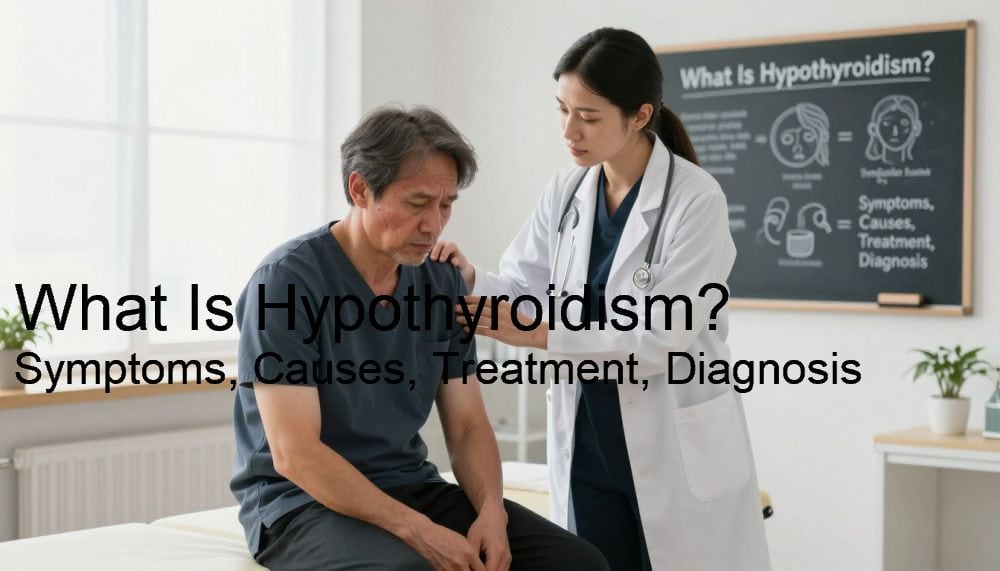
Hypothyroidism is a condition that requires careful attention. By exploring the primary causes of hypothyroidism, we can better navigate the path to wellness. We will also look at the standard diagnosis and treatment options available today. Taking charge of your health starts with getting the right information about hypothyroidism.
Key Takeaways
- The thyroid gland regulates essential metabolic functions in the body.
- Millions of people in the United States manage this common health issue.
- Recognizing early warning signs helps in seeking timely medical care.
- Professional diagnosis is necessary to confirm hormone imbalances.
- Effective treatment plans can restore energy and improve quality of life.
Understanding the Thyroid Gland and Its Function
Tucked away in your neck, the thyroid gland serves as a vital command center for your energy levels. This organ is a small, butterfly-shaped structure that acts as the body’s master metabolic switch. Because it influences nearly every cell, maintaining proper thyroid function is essential for your overall well-being.
How the Thyroid Produces Hormones
The thyroid gland makes specific chemicals that travel through your bloodstream to reach various organs. These thyroid hormones help regulate how your body uses energy throughout the day. When the system works correctly, your body maintains a steady balance of activity and rest.
The process begins when the gland captures raw materials from your blood. It then converts these materials into stored thyroid hormone, which is released whenever your body requires a boost. Sometimes, the thyroid gland may struggle to synthesize these hormones, which can lead to noticeable changes in your daily energy.
The Importance of Iodine in Thyroid Function
Iodine is a critical nutrient that your body needs to make thyroid hormones effectively. Since your body cannot produce iodine on its own, you must obtain it through your diet. This mineral is a fundamental part of the thyroid production cycle.
Without enough iodine to make thyroid hormones, the gland cannot perform its duties efficiently. The following table outlines how these hormones impact different areas of your health:
| Hormone Type | Primary Function | Impact on Body |
|---|---|---|
| T4 (Thyroxine) | Metabolic Regulation | Controls energy usage |
| T3 (Triiodothyronine) | Cellular Activity | Supports organ function |
| Calcitonin | Calcium Balance | Maintains bone health |
Defining Hypothyroidism
At its core, hypothyroidism represents a significant shift in how your body manages its metabolic needs. This condition, often called underactive thyroid, occurs when the thyroid gland fails to function at its optimal capacity. When this happens, the body struggles to maintain the energy levels required for daily life.
What Happens When Your Thyroid Gland Doesn’t Make Enough Hormones
Hypothyroidism occurs when the thyroid gland doesn’t make enough thyroid hormones to meet the body’s metabolic demands. Essentially, your metabolism slows down because there is not enough thyroid hormone to meet the needs of your cells. When your thyroid gland doesn’t make enough of these vital chemicals, you may feel sluggish or cold.
“The thyroid gland is the master regulator of the body’s metabolism, and when it falters, every system feels the impact.”
It is important to recognize that when the gland doesn’t make enough thyroid hormones, the entire body experiences a ripple effect. This is why it is vital to ensure your system can make enough thyroid hormone to keep you feeling your best. If your thyroid gland doesn’t make enough, your doctor will need to investigate the underlying cause.
Distinguishing Between Primary and Secondary Hypothyroidism
Medical professionals categorize this condition based on where the failure originates. Primary hypothyroidism is the most common form, and it happens when the thyroid gland itself is damaged or unable to produce hormones. In these cases, the gland is the direct source of the problem.
In contrast, secondary hypothyroidism originates outside of the thyroid gland, typically involving the pituitary gland. This happens when your thyroid gland is healthy but does not receive the proper signals to release hormones. Understanding these differences is essential for determining the correct approach to restoring hormone balance in the body.
Common Symptoms of Hypothyroidism
Because hypothyroidism develops slowly, you might not notice the subtle changes in your health for quite some time. Many individuals live with the disease for months or even years before they realize something is wrong. It is important to stay vigilant, as you may not immediately notice symptoms of the disease until they become more pronounced.
Physical Signs and Changes in Metabolism
When your thyroid gland produces fewer hormones, your body’s metabolism begins to shift into a lower gear. Hypothyroidism may manifest through physical changes that affect your daily comfort. Common symptoms of hypothyroidism include persistent weight gain, even when your diet remains unchanged, and a noticeable sensitivity to cold temperatures.
Other physical hypothyroidism include dry skin, brittle nails, and thinning hair. Because an underactive thyroid slows down bodily processes, you might also experience constipation or muscle weakness. These physical indicators often cause symptoms that patients initially attribute to aging or stress.
Cognitive and Emotional Symptoms
The impact of low hormone levels extends far beyond your physical health. Hypothyroidism can cause significant shifts in how you think and feel on a daily basis. Many patients report that their mental clarity is not what it used to be.
Fatigue and Brain Fog
One of the most frequent hypothyroidism symptoms is a deep, lingering exhaustion that does not improve with rest. This is often accompanied by symptoms like “brain fog,” which makes it difficult to focus or remember simple tasks. Hypothyroidism also makes it challenging to stay productive throughout the day.
Mood Changes and Depression
Emotional well-being is closely tied to your endocrine health. Many people with this condition experience unexplained mood swings or feelings of sadness. If you find yourself struggling with persistent low moods, it is worth discussing these symptoms may be related to your thyroid function with a healthcare provider.
| Symptom Category | Common Manifestations | Impact on Daily Life |
|---|---|---|
| Metabolic | Weight gain, cold sensitivity | High |
| Physical | Dry skin, hair loss | Moderate |
| Cognitive | Brain fog, memory issues | High |
| Emotional | Depression, mood swings | High |
Primary Causes of Hypothyroidism
Several distinct pathways can cause hypothyroidism, impacting how your body regulates energy. While some individuals face challenges from birth, others develop this condition due to medical interventions or external factors that affect the thyroid.
Congenital Hypothyroidism and Being Born Without a Thyroid
Some infants are born without a thyroid gland or with one that is underdeveloped. This condition, known as congenital hypothyroidism, is a common cause of hypothyroidism in newborns. If a child is born with no thyroid gland, early detection is vital to ensure proper growth and development.
Screening programs in the United States help identify these cases shortly after birth. When a baby is born with a thyroid that does not function, doctors provide hormone replacement therapy immediately. This proactive approach prevents long-term developmental delays.
Impact of Thyroid Surgery and Radiation
Medical procedures are another frequent reason the thyroid becomes less active. For instance, patients undergoing thyroid surgery to remove thyroid nodules or treat thyroid cancer may find that their remaining tissue cannot produce enough hormones. Consequently, the thyroid can no longer make the necessary supply for the body.
“The thyroid gland is a delicate engine; when it is surgically altered or exposed to radiation, the body must often rely on external hormone support to maintain balance.”
Medical Endocrinology Journal
Radiation therapy directed at the neck area can also damage the gland over time. This damage may lead to hypothyroidism, requiring lifelong monitoring. It is important to discuss these risks with your healthcare provider if you are facing such treatments.
Medications That Interfere with Thyroid Hormone Production
Certain prescription drugs can interfere with thyroid hormone production, which causes hypothyroidism in some patients. These medications can alter how the gland functions, leading to a gradual decline in hormone output. If you notice that your symptoms may be worsening while on new medication, consult your doctor immediately.
| Cause Category | Primary Mechanism | Clinical Impact |
|---|---|---|
| Congenital | Gland absence or malformation | Requires early intervention |
| Surgical | Removal of thyroid tissue | Permanent hormone deficiency |
| Medication | Hormone synthesis interference | Reversible if managed |
Understanding these factors is the first step toward effective management. Whether you were born with a thyroid that failed or developed issues later, modern medicine offers reliable ways to restore your health.
The Role of Autoimmune Disease in Thyroid Health
When your body turns against itself, the thyroid gland often becomes the primary target. In the United States, autoimmune disease is recognized as the most common cause of hypothyroidism. This occurs when the body’s defense system mistakenly identifies healthy thyroid tissue as a foreign threat.
Managing this type of thyroid disorder requires a deep understanding of how internal inflammation impacts hormone production. By identifying these patterns early, patients can work with their doctors to protect their long-term well-being.
Understanding Hashimoto’s Disease
The most frequent condition linked to an underactive thyroid is called Hashimoto’s disease. This specific hashimoto’s disease occurs when the immune system creates antibodies that slowly destroy the thyroid’s ability to function. Over time, this leads to a significant decline in the hormones necessary for your metabolism to run smoothly.
How the Immune System Attacks Your Thyroid
The process begins when your immune system attacks your thyroid through chronic inflammation. As the body attacks your thyroid, the healthy tissue is gradually replaced by fibrous material. This damage prevents the gland from producing enough hormones, which eventually results in the symptoms associated with hypothyroidism.
Types of autoimmune thyroid disorders
While Hashimoto’s is the most prevalent, there are several types of autoimmune thyroid disorders that can affect your health. Each autoimmune thyroid condition presents unique challenges for the body. Common examples include:
- Hashimoto’s Thyroiditis: The most common form of autoimmune thyroid disease causing hypothyroidism.
- Atrophic Thyroiditis: A variant where the thyroid gland shrinks without the presence of a goiter.
- Ord’s Thyroiditis: A condition similar to Hashimoto’s that often leads to rapid thyroid failure.
Risk Factors and Who Is Most Likely to Develop Hypothyroidism
Understanding who is most at risk for thyroid disease is a vital step in maintaining long-term health. While anyone can experience an underactive thyroid, certain populations are statistically more likely to develop hypothyroidism than others. Recognizing these patterns allows patients and healthcare providers to monitor symptoms more effectively.
Age and Gender Considerations
Gender plays a significant role in the prevalence of this thyroid disorder. Women are notably more susceptible to thyroid issues than men, often due to complex hormonal interactions. This risk increases significantly as individuals age, particularly for women over the age of 60.
Because the symptoms can sometimes mimic other conditions, it is important for older adults to remain vigilant. Regular screenings are often recommended for those in high-risk categories to ensure early detection. Being aware of these trends is specific to thyroid disease management and prevention.
Family History and Genetic Predisposition
Genetics also play a major part in your overall risk profile. If you have close relatives who have struggled with an autoimmune disease, your own likelihood of developing a similar condition increases. This genetic link is a common factor when doctors evaluate patients who may develop hypothyroidism.
It is helpful to share your family medical history with your primary care physician. Knowing if your relatives have dealt with thyroid disease or other types of endocrine issues helps your doctor create a better wellness plan. Proactive communication is the best way to manage your health journey.
| Risk Factor | Impact Level | Primary Concern |
|---|---|---|
| Gender | High | Women are more susceptible |
| Age | Moderate | Risk rises after age 60 |
| Family History | High | Genetic predisposition |
| Autoimmune Status | High | Existing immune conditions |
Hypothyroidism During Pregnancy and Its Risks
Protecting your baby’s growth starts with maintaining optimal thyroid hormone levels throughout your pregnancy. When you are expecting, your body undergoes significant physiological shifts that place extra demands on your endocrine system. It is essential to ensure that your system is functioning correctly to support the needs of your developing child.
Why Thyroid Hormone Levels Matter for Fetal Development
During the first trimester, your baby relies entirely on the thyroid hormone provided by your body. This chemical messenger is critical for the healthy development of the fetal brain and nervous system. Without enough thyroid hormone, the baby may face challenges in cognitive growth and physical development.
Because the fetus cannot produce its own hormones early on, your levels act as the primary fuel for their maturation. Maintaining a stable balance is not just a health goal; it is a vital step in securing a healthy start for your little one. Consistent monitoring helps prevent potential complications that could arise from an underactive thyroid.
Managing Thyroid Health for Expectant Mothers
If you are dealing with hypothyroidism during pregnancy, the most important step is to maintain a close partnership with your healthcare provider. You will likely need more frequent blood tests to ensure your thyroid hormone levels remain within the target range. Doctors often adjust medication dosages to compensate for the increased metabolic demands of pregnancy.
Do not hesitate to discuss any new symptoms or concerns with your medical team immediately. By staying proactive, you can ensure you have enough thyroid hormone to support both your own health and your baby’s needs. Proper management is the key to a successful pregnancy and a healthy outcome for both mother and child.
The Process of Hypothyroidism Diagnosis
The journey to a hypothyroidism diagnosis involves a combination of clinical observation and laboratory data. While a doctor may suspect the condition based on symptoms you describe, they must confirm it through objective testing. This ensures that the thyroid gland is indeed the source of your health concerns.
Utilizing Thyroid Blood Tests
Physicians rely on specific thyroid blood tests to gain a clear picture of your metabolic health. These tests are the gold standard used to diagnose hypothyroidism accurately. By measuring hormone concentrations in your bloodstream, medical professionals can rule out other conditions that might mimic thyroid disease.
These diagnosis and tests are typically simple and require only a standard blood draw. Once the lab processes your sample, your doctor will review the results to see if your hormone production is within the expected range. This objective data is vital for creating an effective, personalized treatment plan.
Interpreting TSH and T4 Levels
The two primary markers doctors examine are Thyroid Stimulating Hormone (TSH) and Thyroxine (T4). When your body detects low levels of thyroid hormones, the pituitary gland releases more TSH to signal the thyroid to work harder. Consequently, a high TSH level often indicates that your thyroid is struggling to keep up.
Conversely, low T4 levels confirm that the gland is not producing enough hormone to meet your body’s needs. Even in cases of mild thyroid dysfunction, these two markers provide the necessary evidence to start therapy. Understanding these numbers helps you and your healthcare provider track your progress over time.
Standard Treatment for an Underactive Thyroid
If you have been diagnosed with hypothyroidism, you are likely wondering about the standard path to feeling like yourself again. When your body does not make enough thyroid hormone, it affects nearly every system in your body. Fortunately, effective treatment for an underactive thyroid is widely available and highly successful for most patients.
Thyroid Hormone Replacement Therapy
The primary method to address this condition is thyroid hormone replacement. This involves taking thyroid hormone medicine on a daily basis to mimic the natural hormones your body is missing. By providing the body with the necessary thyroid hormone, you can restore your metabolism to a healthy state.
Most patients find that they can easily incorporate this medication into their morning routine. It is essential to take the pill consistently to ensure your body can make enough thyroid activity to function properly throughout the day.
Finding the Right Dosage for Your Needs
Determining the correct medication level is a highly personalized process. Doctors must carefully calculate the amount of thyroid hormone required based on your specific blood work and symptoms. This approach helps to treat hypothyroidism effectively without causing side effects from too much medication.
Your healthcare provider will start with a baseline dose and adjust it as needed. It is common to undergo a few rounds of testing to find the perfect balance for your unique physiology.
Monitoring Progress with Regular Checkups
Consistency is the key to long-term success. People with an underactive thyroid should schedule regular checkups to ensure their hormone levels remain within the target range. These visits typically involve simple blood tests to measure your TSH levels.
Regular monitoring allows your doctor to make small adjustments to your dosage if your body’s needs change over time. By staying proactive with your health, you can maintain a stable hormone balance and enjoy a high quality of life.
Managing Lifestyle and Diet for Thyroid Health
Living with an underactive thyroid requires more than just medication; it demands a mindful approach to your daily habits. While medical treatment remains the primary path to wellness, your lifestyle choices play a significant role in supporting your overall thyroid function. Making informed decisions about what you eat can help you manage symptoms and potentially prevent hypothyroidism complications from impacting your quality of life.
Foods That May Interfere with Thyroid Medication
For people with hypothyroidism, the timing of your daily medication is crucial for proper absorption. Certain foods and supplements can create a barrier that prevents your body from utilizing the hormone replacement effectively. It is generally recommended to take your medication on an empty stomach, usually 30 to 60 minutes before breakfast.
You should be particularly cautious with substances like calcium, iron, and high-fiber foods. These items can bind to the medication in your digestive tract, reducing its potency. If you enjoy coffee or soy-based products, try to space them out by several hours to ensure your thyroid activity remains stable throughout the day.
The Impact of Iodine Intake on Thyroid Activity
Iodine is a vital mineral that your body uses to produce hormones, but balance is key. While a deficiency can lead to issues, consuming excessive amounts of iodine can make hypothyroidism worse in some individuals. This is especially true for those with underlying autoimmune conditions, as high levels of iodine may trigger an inflammatory response.
It is best to focus on a balanced diet rather than relying on heavy supplementation. Always consult with your healthcare provider before making significant changes to your iodine intake. The following table outlines common dietary factors to consider for maintaining a healthy balance.
| Dietary Factor | Impact on Thyroid | Recommended Action |
|---|---|---|
| Calcium Supplements | Reduces absorption | Wait 4 hours after meds |
| Soy Products | Interferes with hormone | Consume in moderation |
| Iodized Salt | Supports hormone synthesis | Use in small, steady amounts |
| Cruciferous Vegetables | May affect uptake | Cook thoroughly to reduce |
Potential Complications of Untreated Hypothyroidism
While many people manage their thyroid levels easily, untreated hypothyroidism can lead to dangerous health outcomes. When your body lacks sufficient thyroid hormones, it struggles to maintain normal metabolic processes. Over time, this neglect can impact multiple organ systems and create significant challenges for your overall well-being.
Long-term Effects on Heart Health
Your cardiovascular system is particularly sensitive to changes in hormone levels. Hypothyroidism can lead to elevated cholesterol levels, which may increase the risk of plaque buildup in your arteries. This condition often forces the heart to work harder than it should.
If left unmanaged, hypothyroidism can cause the heart muscle to weaken over time. This strain significantly raises the risk of heart failure. Maintaining consistent care is essential to protect your heart and ensure it continues to function efficiently.
The Risk of Myxedema Coma
In rare and severe instances, untreated hypothyroidism may progress into a life-threatening state known as myxedema coma. This emergency occurs when the body’s functions slow down to a dangerous degree. It requires immediate medical intervention to stabilize the patient.
Recognizing the early signs of a thyroid imbalance is the best way to prevent such extreme outcomes. Hypothyroidism may seem manageable, but it is never a condition to ignore. Staying proactive with your health plan is the most effective way to avoid these serious complications.
| Complication Type | Primary Risk | Severity Level |
|---|---|---|
| Cardiovascular | Heart Failure | High |
| Metabolic | High Cholesterol | Moderate |
| Emergency | Myxedema Coma | Critical |
Conclusion
Managing your wellness starts with understanding the signals your body sends every day. You hold the power to improve your quality of life by staying informed about any potential thyroid condition.
Proactive care remains the best strategy for long-term vitality. Seeking guidance from the American Thyroid Association provides you with reliable resources to navigate your specific health needs. These evidence-based practices help you partner effectively with your doctor to reach your wellness goals.
Early detection is vital when you suspect a thyroid problem. Addressing symptoms quickly prevents future complications and keeps your metabolism functioning at its best. Consistent medication and regular blood work ensure your hormone levels stay within a healthy range.
Living with thyroid disease does not mean you have to sacrifice your daily energy or happiness. Small, steady steps toward better habits create lasting changes for your body. You deserve to feel your best, and taking charge of your health journey is the first step toward that goal.
FAQ
What exactly is hypothyroidism and how does it affect the body?
Hypothyroidism is a condition where your thyroid gland doesn’t make enough thyroid hormones to keep the body running normally. When you have low levels of thyroid hormone, your body’s metabolism slows down. According to the American Thyroid Association, this thyroid condition affects millions of people, often causing them to feel sluggish or cold. Essentially, hypothyroidism happens when the thyroid can no longer produce enough thyroid hormone to meet the metabolic demands of your organs.
What are the most common symptoms of hypothyroidism I should look out for?
Because hypothyroidism develops slowly, you might not notice symptoms of the disease for months or even years. Common hypothyroidism symptoms include persistent fatigue, weight gain, sensitivity to cold, and dry skin. You may also experience symptoms like “brain fog,” depression, or a slower heart rate. Since these symptoms include issues that overlap with other conditions, it is important to seek a professional hypothyroidism diagnosis through proper testing.
What is the most common cause of hypothyroidism in the United States?
The most common cause of hypothyroidism is an autoimmune disease known as Hashimoto’s disease. In this condition, your immune system attacks your thyroid gland as if it were a foreign invader, causing chronic inflammation. Over time, this damage means the gland doesn’t make enough thyroid hormone to sustain your health. While there are other types of autoimmune thyroid disorders, called Hashimoto’s disease is the most frequent diagnosis for an underactive thyroid.
Can you be born with an underactive thyroid?
Yes, some infants are born without a thyroid gland or with a gland that is malformed. This is known as congenital hypothyroidism. If a baby is born with no thyroid gland or one that doesn’t function, they require immediate thyroid hormone replacement to ensure proper growth and brain development. Most states mandate screening for newborns to catch this thyroid problem early.
How do doctors diagnose hypothyroidism?
Doctors perform a hypothyroidism diagnosis primarily through thyroid blood tests. These tests measure thyroid hormone levels, specifically TSH (thyroid-stimulating hormone) and T4. If the tests show high TSH and low T4, it typically indicates that your thyroid gland doesn’t make enough hormone. While a doctor might suspect a problem based on symptoms, the blood work is the definitive way to diagnose hypothyroidism.
What is the difference between primary and secondary hypothyroidism?
Primary hypothyroidism is the most common form and occurs when the problem is within the thyroid gland itself, such as damage from Hashimoto’s disease or thyroid surgery. Secondary hypothyroidism is rarer and happens when your thyroid is actually healthy, but the pituitary gland fails to send the signal (TSH) to tell the thyroid to make thyroid hormones. Both results in the body having an amount of thyroid hormone that is too low.
How is an underactive thyroid typically treated?
The standard treatment for an underactive thyroid is daily use of the thyroid hormone medicine levothyroxine, such as Synthroid or Tirosint. This medication replaces the hormone your thyroid gland makes naturally to restore your metabolism. After starting thyroid hormone replacement, most people find that their symptoms of hypothyroidism improve significantly. Regular checkups are necessary to ensure you are receiving the correct amount of thyroid hormone.
Why is thyroid health so important during pregnancy?
Managing hypothyroidism during pregnancy is crucial because thyroid hormones help support the development of the baby’s brain and nervous system. If the mother doesn’t make enough thyroid hormone, it can lead to hypothyroidism complications for the fetus. Expectant mothers with a known thyroid disorder should have their thyroid function monitored frequently by a healthcare provider to adjust medication as the pregnancy progresses.
Can diet or iodine intake affect my thyroid function?
The thyroid is a small, butterfly-shaped gland that requires iodine to make thyroid hormones. However, it is a delicate balance; while an iodine deficiency can cause hypothyroidism, taking too much extra iodine can make hypothyroidism worse in some people. Additionally, certain supplements or high-fiber foods can interfere with thyroid hormone production or absorption of your medication, so it is best to discuss your diet with a doctor.
What are the risks of leaving hypothyroidism untreated?
Untreated hypothyroidism can lead to serious health problems, including heart disease, enlarged heart, and heart failure. In extreme cases, a long-term underactive thyroid can lead to a life-threatening condition called myxedema coma, which involves intense cold intolerance and drowsiness followed by profound lethargy and unconsciousness. Consistent diagnosis and treatment are essential to prevent hypothyroidism from reaching these dangerous stages.