

You likely see this vibrant leafy green everywhere today, from local farmers’ markets to trendy smoothie shops. This popular cruciferous vegetable has truly become a staple in kitchens across the United States. It offers a unique texture that many people find both delicious and hearty.

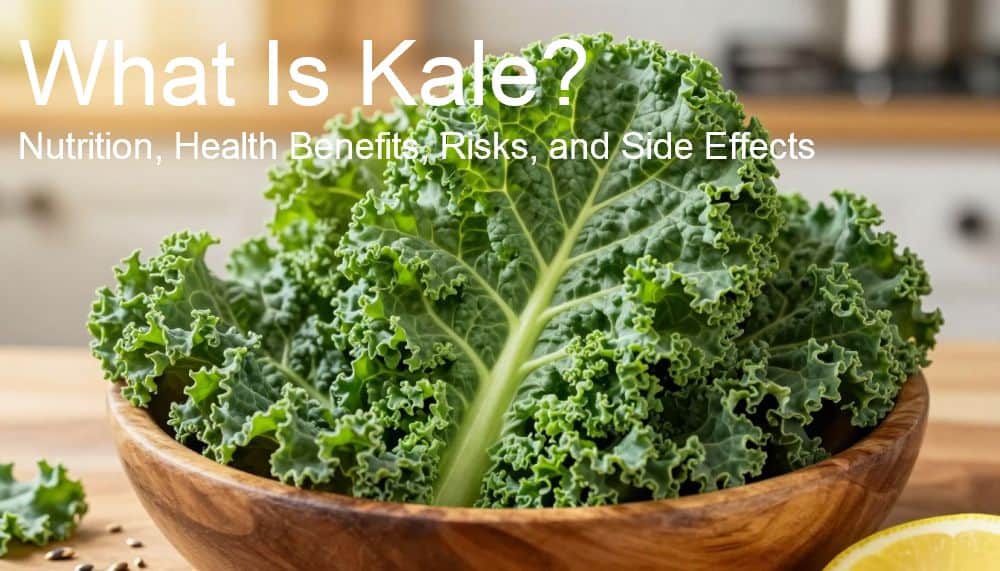
Understanding the nutrition facts of your meals is a great step toward a healthier lifestyle. This plant serves as a dense nutrient source, providing vitamins that support your daily energy. Each serving also delivers a powerful antioxidant boost to help your body stay strong.
While the health benefits are quite impressive, it is also smart to be aware of any potential risks. Some individuals might experience minor side effects when adding large amounts of certain greens to their diet. Learning how to enjoy kale safely helps you get the most value from your food.
Key Takeaways
- Rich in vitamins A, C, and K for immune and bone support.
- Contains high levels of fiber to improve digestive health.
- Supports heart health by helping to manage cholesterol levels.
- Low in calories, making it an excellent choice for weight management.
- Provides essential minerals like calcium, potassium, and magnesium.
- Could interfere with blood-thinning medications for some patients.
What Is Kale and Why Is It So Popular?
As a dark leafy green vegetable, kale has garnered significant attention for its health benefits. This vegetable has not only become a staple in health-conscious diets but has also been celebrated for its versatility in various culinary preparations.
Understanding This Dark Leafy Green Vegetable
Kale is often referred to as a superfood due to its high nutritional value. It is a type of leafy green that belongs to the Brassica family, which includes other nutritious vegetables like broccoli and cauliflower.
The popularity of kale can be attributed to its rich nutrient profile. It is low in calories but high in nutrients, making it an ideal addition to a healthy diet.
Kale as a Member of the Cruciferous Vegetable Family
Kale is classified as a cruciferous vegetable, a group known for its potential health benefits. These vegetables contain compounds that have been shown to have anti-inflammatory properties and support overall health.
Being part of the cruciferous family, kale shares many health-promoting characteristics with its relatives, such as broccoli and cabbage. These vegetables are known for their potential to support heart health and provide essential vitamins and minerals.
Why Kale Is Low in Calories but High in Nutrients
One cup of raw kale contains a mere 5 calories but is packed with vitamins A, C, and K, along with minerals like calcium and iron. This nutrient-dense profile makes kale an excellent choice for those looking to enhance their diet without consuming excessive calories.
The nutritional benefits of kale can be further understood by examining its vitamin and mineral content. The table below highlights the key nutrients found in kale.
| Nutrient | Amount per Cup (Raw) | Benefits |
|---|---|---|
| Vitamin A | 200% DV | Supports eye health and immune function |
| Vitamin C | 134% DV | Boosts immunity and fights oxidative stress |
| Calcium | 9% DV | Essential for bone health |
| Iron | 10% DV | Crucial for healthy red blood cells |
Different Types and Varieties of Kale
Kale, a nutrient-dense leafy green, comes in a variety of types, each with its unique characteristics and uses. This diversity allows consumers to choose the type that best suits their culinary preferences and nutritional needs.
Curly Kale
Curly kale is one of the most commonly available types of kale. It is characterized by its curly, ruffled leaves and mild flavor. Curly kale is versatile and can be used in salads, smoothies, and as a cooking green.
Lacinato Kale (Dinosaur Kale)
Lacinato kale, also known as dinosaur kale, has a more robust flavor than curly kale and a distinctive texture. Its leaves are narrower and more wrinkled, giving it a unique appearance. This type of kale is particularly popular in Italian cuisine.
Red Russian Kale
Red Russian kale is known for its flat, tender leaves and sweet flavor. It has a reddish-purple stem and is often used in salads and sautéed dishes. This variety is rich in antioxidants and adds a pop of color to any dish.
Other Popular Kale Varieties Available
Apart from the aforementioned types, there are several other popular kale varieties. These include Redbor kale, known for its deep red color, and Siberian kale, which is hardy and cold-resistant.
| Type of Kale | Characteristics | Culinary Uses |
|---|---|---|
| Curly Kale | Mild flavor, curly leaves | Salads, smoothies, cooking |
| Lacinato (Dinosaur) Kale | Robust flavor, narrow wrinkled leaves | Italian dishes, soups, stews |
| Red Russian Kale | Sweet flavor, flat tender leaves | Salads, sautéed dishes |
Kale Nutrition Facts and Nutritional Profile
Kale stands out as a nutrient-dense food, offering a rich source of essential vitamins and minerals. Understanding its nutritional profile is crucial for appreciating its health benefits.
What One Cup of Raw Kale Contains
One cup of raw kale is remarkably low in calories but high in nutrients. It contains:
- Calories: 5
- Protein: 0.3 grams
- Fat: 0.1 grams
- Carbohydrates: 1.3 grams
- Fiber: 0.7 grams
Additionally, raw kale is rich in vitamins and minerals, making it an excellent dietary choice.
What One Cup of Cooked Kale Provides
Cooking kale can alter its nutritional profile. One cup of cooked kale provides:
| Nutrient | Amount |
|---|---|
| Calories | 55 |
| Protein | 2.8 grams |
| Fat | 0.9 grams |
| Carbohydrates | 11 grams |
| Fiber | 5 grams |
Cooking kale increases its calorie content but also makes some of its nutrients more bioavailable.
Key Vitamins and Minerals in Kale
Kale is a powerhouse of essential vitamins and minerals. Some of the key nutrients include:
Vitamin K and Blood Clotting
Vitamin K plays a critical role in blood clotting. Kale is an excellent source of vitamin K, with one cup providing more than the daily recommended intake.
“Vitamin K is essential for the production of clotting factors in the liver, and its deficiency can lead to bleeding complications.”
Powerful Antioxidants in Kale
Kale contains powerful antioxidants, including quercetin and kaempferol, which help protect cells from damage.
Other Essential Nutrients Kale Provides
In addition to vitamin K and antioxidants, kale is a good source of vitamins A, C, and B6, as well as minerals like calcium and potassium.
Top Health Benefits of Kale
Kale is a nutrient-dense food that provides several health benefits, from supporting heart health to promoting digestive well-being. Its rich nutritional profile makes it an excellent addition to a healthy diet.
Kale May Help Support Heart Health
Kale is rich in fiber, vitamins, and minerals that contribute to heart health. The fiber in kale can help lower cholesterol levels, while the potassium content can aid in maintaining healthy blood pressure.
Key heart health benefits of kale include:
- Lowering cholesterol levels
- Aiding in maintaining healthy blood pressure
- Reducing inflammation
Benefits for Bone Health and Strength
Kale is an excellent source of calcium, vitamin K, and other minerals that are crucial for bone health. These nutrients help in maintaining bone density, reducing the risk of osteoporosis.
| Nutrient | Benefit for Bone Health |
|---|---|
| Calcium | Essential for bone density |
| Vitamin K | Aids in bone mineralization |
| Magnesium | Regulates bone metabolism |
Eye Health Protection from Kale
The antioxidants in kale, particularly lutein and zeaxanthin, play a significant role in protecting eye health. They help in reducing the risk of age-related macular degeneration and cataracts.
Lutein and zeaxanthin are crucial for:
- Protecting the macula
- Reducing the risk of cataracts
- Maintaining overall eye health
Digestive Health Advantages
Kale is high in dietary fiber, which is essential for healthy digestion. Fiber helps in preventing constipation, promoting regular bowel movements, and supporting the growth of beneficial gut bacteria.
Kale Benefits for Hair Health
The vitamins and minerals in kale, such as vitamin A, vitamin C, and iron, contribute to healthy hair growth. These nutrients help in nourishing the scalp and promoting strong, healthy hair.
Support for Overall Health and Wellness
Kale’s rich nutritional profile supports overall health and wellness by providing essential vitamins, minerals, and antioxidants. Regular consumption of kale can enhance overall well-being and support a healthy lifestyle.
How Kale May Help Reduce the Risk of Certain Health Conditions
Kale is rich in nutrients and compounds that may help reduce the risk of various diseases. Its high content of vitamins, minerals, and antioxidants makes it a valuable addition to a healthy diet. Consuming kale regularly can contribute to overall wellness and potentially lower the risk of certain health issues.
Cancer Prevention Properties of Kale and Other Cruciferous Vegetables
Kale, being a cruciferous vegetable, contains glucosinolates, compounds that have been researched for their potential to prevent cancer. These compounds are broken down into isothiocyanates during digestion, which have been shown to have anti-cancer properties. Studies suggest that consuming cruciferous vegetables like kale may reduce the risk of certain types of cancer, including colon, breast, and prostate cancer.

Blood Sugar Management Benefits
The fiber content in kale can help slow down the absorption of sugar into the bloodstream, potentially aiding in blood sugar management. Additionally, kale’s antioxidant properties may help reduce oxidative stress, which is associated with diabetes and metabolic syndrome. Incorporating kale into a balanced diet may support overall glucose metabolism and contribute to better health outcomes for individuals managing blood sugar levels.
Anti-Inflammatory Effects
Kale is rich in antioxidants and other anti-inflammatory compounds that can help mitigate inflammation in the body. Chronic inflammation is associated with various health conditions, including cardiovascular disease, diabetes, and certain cancers. The consumption of kale, with its anti-inflammatory properties, may help reduce the risk of these conditions and promote overall health and well-being.
How to Prepare and Cook Kale Properly
To get the most out of kale, it’s essential to know how to prepare and cook it properly. Kale is a nutrient-rich food that can be enjoyed in a variety of dishes, from salads to soups. Proper preparation is key to bringing out its best flavor and nutritional benefits.
How to Wash Kale Thoroughly
Washing kale is crucial before consumption to remove any dirt or pesticides. Start by filling a large bowl with cold water and submerging the kale leaves. Let them soak for a few minutes to loosen any dirt. Then, gently agitate the leaves with your hands to dislodge any remaining dirt. Rinse the kale under running water to remove any impurities. Using a salad spinner can help dry the leaves thoroughly, making them ready for use in salads or cooking.
Removing the Kale Leaf from the Stem
To remove the kale leaf from the stem, hold the stem with one hand and strip the leaf away with the other. You can also chop the leaves away from the stem using a knife. The stems can be quite tough and fibrous, so it’s generally recommended to discard them or save them for making vegetable broth. The leaves are where most of the nutrients are concentrated, making them the most desirable part for eating.
Best Methods to Cook Kale
Kale can be cooked in several ways to bring out its natural sweetness and tenderize it. One popular method is sautéing. Simply heat some olive oil in a pan, add minced garlic for flavor, and then add chopped kale. Cook until the kale is tender, seasoning with salt and pepper to taste. Another method is steaming, which helps retain kale’s nutrients. You can also boil kale, but be aware that this method can result in a loss of water-soluble vitamins.
As
“Kale is a superfood that can be easily incorporated into a variety of dishes, from soups to salads, providing a boost of nutrients and flavor.”
Steaming or sautéing are generally considered the best methods to preserve its nutritional value.
Making Massaged Kale Salad
Massaged kale salad is a delicious and healthy way to enjoy kale. Start by removing the stems and chopping the leaves into bite-sized pieces. In a large bowl, drizzle a bit of olive oil over the kale and sprinkle with salt. Then, using your hands, massage the kale leaves for about 2-3 minutes until they become tender and slightly wilted. You can add various ingredients like chopped nuts, dried fruits, or a homemade vinaigrette to enhance the flavor. Massaging kale breaks down its fibers, making it more palatable and enjoyable to eat.
Delicious Ways to Use Kale and Add Kale to Your Diet
With its rich nutritional profile, kale is a great addition to any meal, and there are many tasty ways to prepare it. Incorporating kale into your diet can be easy and fun, whether you’re looking to boost the nutritional value of your meals or simply want to try something new.
How to Eat Kale Raw
Eating kale raw is one of the simplest ways to enjoy its nutritional benefits. You can add raw kale to salads, blend it into smoothies, or use it as a garnish for soups and other dishes. To prepare raw kale, simply wash the leaves thoroughly, remove the stems, and chop or tear them into bite-sized pieces.
Tip: Massaging raw kale with a bit of olive oil and lemon juice can make it more tender and palatable.
How to Make Kale Chips
Kale chips are a delicious and healthy snack that can be made at home with just a few ingredients. Simply tear kale leaves into bite-sized pieces, toss with olive oil and your favorite seasonings, and bake in the oven until crispy.
Using Kale in Smoothies and Kale Juice Daily
Adding kale to your smoothies or juicing it can be a great way to boost the nutritional content of your beverages. Kale pairs well with fruits like bananas and berries, and can be blended with your favorite milk or yogurt for a quick and easy breakfast or snack.
“Drinking kale juice can be a great way to get a concentrated dose of vitamins and minerals. It’s a simple way to support overall health and wellness.”
Adding Kale to Soups, Stir-Fries, and Other Dishes
Kale can be added to a variety of cooked dishes to boost their nutritional value. It can be sautéed with garlic as a side dish, added to soups and stews, or stir-fried with your favorite vegetables and proteins.
| Dish | How to Add Kale | Benefits |
|---|---|---|
| Soups | Add chopped kale towards the end of cooking time | Boosts nutritional value |
| Stir-Fries | Add kale towards the end of cooking, stir-frying until wilted | Adds flavor and nutrients |
| Pasta Dishes | Toss cooked kale with pasta, olive oil, and garlic | Enhances flavor and nutrition |
Enjoying Kale with Greens Like Spinach
Kale can be combined with other leafy greens like spinach to create delicious and nutritious salads or sautéed dishes. Mixing different greens can provide a broader range of vitamins and minerals.
Experimenting with different combinations of greens and ingredients can help you find your favorite ways to enjoy kale.
Possible Side Effects of Eating Kale
Eating kale can be highly beneficial, but it’s not without potential side effects. While kale is rich in nutrients and offers numerous health benefits, excessive consumption can lead to several adverse effects.
Digestive Issues from Eating Too Much Kale
Consuming large amounts of kale can lead to digestive issues due to its high fiber content. This can cause bloating, gas, and stomach discomfort in some individuals. To minimize these effects, it’s recommended to start with small portions and gradually increase the amount.
Potential Thyroid Function Concerns
Kale contains compounds that may interfere with thyroid function, particularly for individuals with pre-existing thyroid conditions. It’s essential to be aware of this potential interaction, especially for those consuming kale in large quantities or as part of a juice cleanse.
Kidney Stone Risk Factors
The high oxalate content in kale can increase the risk of developing kidney stones in susceptible individuals. Moderation is key to minimizing this risk. It’s also advisable to balance kale consumption with other vegetables to maintain a varied diet.
Interactions with Medications
Kale is rich in vitamin K, which can interact with blood thinners like warfarin. Individuals on such medications should be cautious and consult their healthcare provider to understand how kale might affect their specific situation.
In conclusion, while kale is a nutritious addition to a balanced diet, being aware of the potential side effects can help individuals enjoy its benefits while minimizing risks.
Risks and Who Should Be Cautious When Eating Kale
While kale is a nutrient-rich food, certain individuals should be cautious when consuming it due to potential health risks. Kale is generally considered safe to eat, but its high nutrient content can be problematic for people with specific health conditions or those taking certain medications.
Important Information for People Who Take Blood Thinners
Individuals taking blood thinners, such as warfarin, should be cautious when consuming kale due to its high vitamin K content. Vitamin K can counteract the effects of blood thinners, making it essential to maintain a consistent intake of kale to avoid fluctuations in vitamin K levels. It’s crucial to consult with a healthcare provider to determine a safe amount of kale to consume while taking blood thinners.
Considerations for Those with Thyroid Health Conditions
People with thyroid health conditions, such as hypothyroidism, should be aware that kale contains compounds that may interfere with thyroid function. Raw kale, in particular, contains goitrogens, which can affect thyroid hormone production. Cooking kale can reduce its goitrogenic effects, but it’s still important for individuals with thyroid conditions to consult with their healthcare provider about safe consumption levels.
Cautions for Individuals with Kidney Problems
Individuals with kidney problems or those at risk of developing kidney stones should be cautious when consuming kale due to its high oxalate content. Oxalates can increase the risk of kidney stone formation and may exacerbate existing kidney issues. It’s recommended that individuals with kidney problems consult with their healthcare provider to determine a safe amount of kale to include in their diet.
Understanding the Appropriate Dose of Kale
The appropriate dose of kale varies depending on individual health needs and circumstances. As a general guideline, a serving size of one cup of cooked kale is considered safe for most adults. However, it’s essential to consider individual factors, such as overall diet and health status, when determining a safe and beneficial amount of kale to consume.
When to Consult Your Health Care Provider
If you’re considering adding kale to your diet, especially if you have a pre-existing health condition or are taking medications, it’s crucial to consult with your healthcare provider. They can provide personalized guidance on safe consumption levels and help you weigh the potential benefits against potential risks.
Conclusion
Kale is a nutrient-rich leafy green that offers numerous health benefits when consumed as part of a balanced diet. With its high content of vitamins, minerals, and antioxidants, kale is safe for most people to eat and can support overall health.
As discussed, incorporating kale into your diet can be done in various ways, from salads and smoothies to cooked dishes. However, it’s essential to be aware of the potential side effects and risks, particularly for individuals with certain health conditions or those taking specific medications.
Consulting with a health care professional can provide personalized guidance on safely adding kale to your diet. By understanding the benefits and potential risks of leafy greens like kale, you can make informed decisions to support your overall health and well-being.
FAQ
What exactly is kale and why has it become so popular?
Kale is a leafy green and a prominent member of the cruciferous vegetable family, much like broccoli and Brussels sprouts. It has surged in popularity because it is incredibly low in calories yet packed with a dense variety of health-boosting compounds. As a nutrient powerhouse, kale provides a high concentration of vitamins and minerals in every bite, making it a staple for anyone looking to improve their overall health.
What are the different types of kale available at the grocery store?
There are several varieties of kale you might encounter. The most common is curly kale, known for its ruffled edges and bright green color. You may also find lacinato kale, often called dinosaur kale or Tuscan kale, which has dark, bumpy leaves. For a slightly sweeter profile, look for red russian kale or russian kale, which features reddish-purple stems and flat, fringed leaves.
What are the nutrition facts for one cup of raw kale?
According to standard kale nutrition facts, one cup of raw kale contains very few calories but is loaded with vitamins A, C, and K. Kale also contains essential minerals like calcium and potassium. It is especially famous for being a rich source of antioxidants like quercetin and kaempferol, which help reduce the risk of oxidative stress in the body.
Does the nutritional value change if I cook it?
Yes, there is a slight difference between raw and cooked kale. For instance, one cup of cooked kale provides a more concentrated dose of certain minerals because the leaves shrink during the heating process. While cooking can slightly reduce vitamin C levels, cooked kale provides a massive amount of vitamin k, which is vital for bone health and proper blood clotting.
What are the top health benefits of kale for the body?
The health benefits of kale are extensive! Kale may help support heart health by lowering cholesterol levels and can significantly boost eye health due to high levels of lutein and zeaxanthin. Additionally, the nutrients in kale support digestive health through fiber and promote vibrant hair health thanks to its iron and vitamin content.
Is it safe to eat kale daily?
For most people, eating kale daily is perfectly safe and a great way to ensure you get your daily greens. You can enjoy kale in salads, soups, or even drink kale juice daily. However, it is important to maintain a balanced diet; eating too much kale—specifically in massive raw quantities—could potentially interfere with thyroid function in sensitive individuals due to certain chemicals kale contains.
How should I prepare kale to make it taste better in a salad?
To make kale more palatable and tender, many chefs recommend making a massaged kale salad. First, wash kale thoroughly and remove the tough kale leaf from the woody stem. Then, use your hands to “massage” the leaves with a bit of olive oil and lemon juice for a few minutes. This breaks down the fibrous structure of the raw kale, making it much easier to chew and digest.
How do I make a crispy batch of kale chips?
To make kale chips, start by drying your kale leaf pieces completely after washing. Toss them with a little oil and your favorite seasonings, then bake them at a low temperature until crisp. A fresh batch of kale chips is a fantastic, nutrient-dense alternative to potato chips that even kids tend to love!
Are there any risks for people who take blood thinners?
Yes, individuals who take blood thinners, such as Warfarin, need to be cautious. Because kale is a good source of vitamin k, which aids in blood clotting, a sudden increase in kale consumption can interfere with how the medication works. If you are on these medications, it is vital to consult your health care provider or health care professional to determine the appropriate dose of kale for your specific health conditions.
How does kale compare to other greens like spinach?
Both kale and spinach are nutritional superstars, but they offer different perks. While spinach is higher in folate and vitamin A, kale is also a good source of vitamin C and contains more calcium. Many people like to mix greens like kale and spinach together in smoothies to get a broad spectrum of nutrients in kale may provide for the body.
Can kale help prevent serious health conditions?
Research suggests that kale and other cruciferous vegetables contain compounds that may help protect against certain types of cancer. Kale also has anti-inflammatory properties that may help manage blood sugar and support a healthy cardiovascular system. To learn more about kale and how it fits into your specific lifestyle, you can always add kale to your weekly meal prep and observe the positive changes in your energy and digestion.