

This vibrant, fermented vegetable dish serves as a cornerstone of Korean cuisine. Known for its bold, tangy flavor, this traditional staple has gained global popularity as a functional food. Many people now incorporate it into their daily meals to support overall wellness.

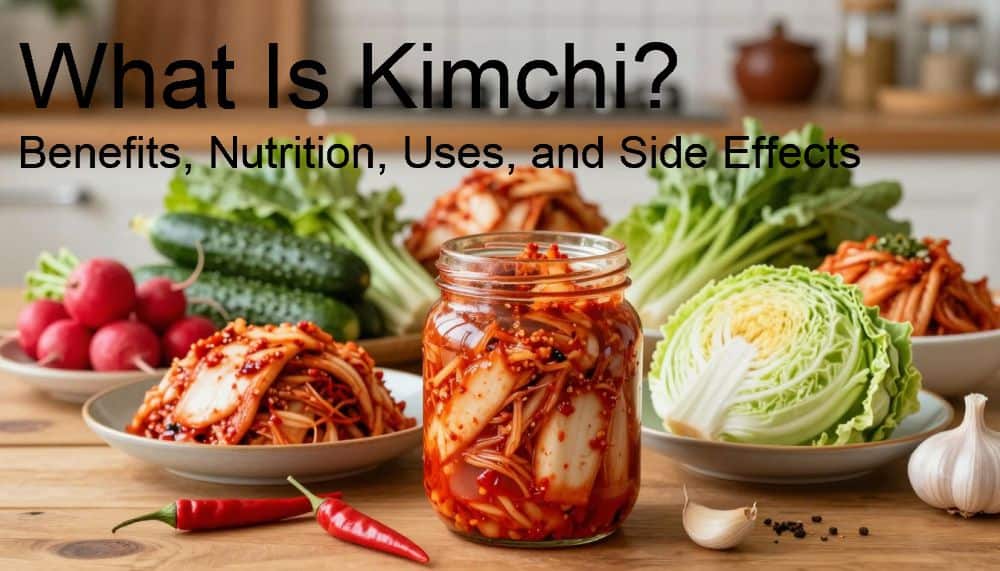
Understanding the variety of health benefits is essential for anyone looking to improve their diet. While this dish offers many potential health benefits, it is important to consider the possible benefits and risks before making it a regular habit. Because kimchi has numerous health benefits, it is widely celebrated for its nutritional profile. By exploring the benefits and risks of kimchi, you can make informed choices that align with your personal wellness journey. Learning about these potential health benefits helps you enjoy this spicy, probiotic-rich food safely and effectively.
Key Takeaways
- This fermented dish is a nutrient-dense staple in Korean culture.
- Regular consumption may support digestive health through natural probiotics.
- It provides a wide range of vitamins and essential minerals.
- Understanding the balance of nutrients is key to a healthy diet.
- Moderation is recommended to manage sodium intake effectively.
Understanding What Kimchi Is
At its core, kimchi is a fermented vegetable preparation that defines Korean culinary heritage. This vibrant dish has evolved over centuries, transforming from simple salted greens into a complex, nutrient-dense powerhouse. It serves as a cornerstone of Korean identity, appearing on tables at nearly every meal.
The Traditional Korean Roots of Kimchi
Kimchi is a traditional Korean staple that dates back thousands of years. Originally, it began as a way to preserve vegetables during the harsh winter months when fresh produce was unavailable. Early versions were simple, consisting mostly of radishes or cabbage preserved in brine.
Over time, the recipe evolved significantly as trade routes introduced new spices. The addition of red chili pepper in the 17th century revolutionized the dish, giving it the iconic heat and color we recognize today. This korean fermented specialty remains a beloved cultural icon that connects modern diners to their ancestors.
The Fermentation Process Explained
The magic behind this dish lies in the science of lacto-fermentation. Kimchi is a fermented food that relies on naturally occurring lactic acid bacteria to develop its signature tangy taste. These beneficial microbes thrive in the salty environment, breaking down sugars and starches within the vegetables.
As the bacteria work, they produce lactic acid, which acts as a natural preservative. This process not only creates a unique, zesty flavor profile but also enhances the nutritional value of the ingredients. By choosing this fermented food, you are enjoying a product that has been perfected through generations of culinary wisdom.
Nutritional Profile of Kimchi
Beyond its bold flavor, kimchi offers a remarkable array of nutrients that support your daily wellness goals. This traditional dish is a good source of essential micronutrients that help your body function at its best. By incorporating this fermented staple into your diet, you gain access to a variety of health-promoting elements.
Key Vitamins and Minerals Found in Kimchi
The content of kimchi is impressive because it retains many nutrients from its raw vegetable base while adding beneficial compounds through fermentation. Each serving of kimchi provides a significant boost to your daily intake of vital vitamins.
Here are some of the primary nutrients you can expect to find:
- Vitamin K: Essential for bone health and proper blood clotting.
- Vitamin C: A powerful antioxidant that supports immune function and skin health.
- B Vitamins: Including riboflavin and folate, which are crucial for energy production.
- Iron and Calcium: Important minerals that support oxygen transport and structural strength.
“Fermented vegetables like kimchi are not just condiments; they are nutrient-dense powerhouses that provide a unique profile of bioactive compounds.”
Caloric Content and Macronutrient Breakdown
One of the most appealing aspects of this dish is that kimchi is low in calories, making it an ideal addition to almost any meal plan. When you analyze the kimchi nutrition profile, you will find that it provides high volume with minimal energy density.
Every compound in kimchi works together to support a healthy metabolism. The following table outlines the typical macronutrient breakdown for a standard portion:
| Nutrient | Approximate Amount |
|---|---|
| Calories | 15-20 kcal |
| Dietary Fiber | 2-3 grams |
| Protein | 1-2 grams |
| Carbohydrates | 3-4 grams |
This balance of fiber and protein helps keep you feeling satisfied without adding unnecessary weight to your diet. It is a simple way to enhance the nutritional quality of your lunch or dinner.
The Role of Kimchi in Gut Health
The secret to a vibrant gut microbiome often lies in the fermented foods we choose to include in our daily meals. Among these, kimchi stands out as a nutritional powerhouse that offers significant health benefits for your digestive system.
By incorporating this traditional dish into your diet, you provide your body with a good source of essential nutrients. It is a simple, delicious way to maintain a balanced internal environment.
Probiotics and the Gut Microbiome
The fermentation process creates a rich environment for beneficial microorganisms. These probiotics in kimchi are live cultures that actively support the diversity of your gut flora.
When you consume these active cultures, they help crowd out harmful pathogens. This process ensures that your digestive tract remains efficient and resilient against common issues.
How Good Bacteria Support Overall Health
The good bacteria found in every serving do more than just aid digestion. They play a critical role in strengthening your immune system and enhancing nutrient absorption.
Many people find that eating fermented foods regularly leads to improved energy levels and better mood regulation. It is clear that keeping your gut happy is a fundamental step toward achieving better overall health.
| Benefit Category | Mechanism | Impact on Wellness |
|---|---|---|
| Digestive Support | Enzyme production | Reduced bloating |
| Immune Function | Microbiome balance | Stronger defenses |
| Nutrient Intake | Bioavailability | Better absorption |
Ultimately, making kimchi a regular part of your routine is a smart choice. Whether you enjoy it as a side dish or a main ingredient, you will find that kimchi good for your long-term wellness goals.
Kimchi and Heart Health Benefits
Emerging research suggests that regular kimchi consumption could be a powerful ally for your heart. Many people enjoy this fermented staple for its bold taste, but its health benefits extend far beyond the palate. By incorporating this dish into your routine, you may find a natural way to support heart health.
Association Between Kimchi Consumption and Cholesterol
The association between kimchi consumption and improved lipid profiles has become a subject of great interest. Studies indicate that the association between kimchi and health by lowering cholesterol is linked to its unique fermentation process. This process creates bioactive peptides that help maintain healthy blood pressure levels.
“Fermented foods are not just about digestion; they are foundational elements that contribute to the long-term resilience of our cardiovascular system.”
When you focus on consuming kimchi, you provide your body with nutrients that assist in managing systemic markers. The following table highlights how specific components in the diet influence cardiovascular wellness:
| Component | Primary Benefit | Impact |
|---|---|---|
| Probiotics | Gut-Heart Axis | Improved Lipid Profile |
| Garlic/Ginger | Blood Pressure | Vascular Support |
| Bioactive Peptides | Cholesterol | Reduced Plaque Risk |
Anti-inflammatory Effects on the Cardiovascular System
Chronic inflammation is a known driver of heart-related issues. Fortunately, the anti-inflammatory effects of this traditional dish help protect your arteries from oxidative stress. A specific compound in kimchi, often derived from the fermentation of garlic and chili, works to neutralize harmful free radicals.
Consistent kimchi intake is a proactive step for those looking to maintain a strong heart. Because kimchi may help reduce systemic inflammation, it serves as a functional food for long-term wellness. Ultimately, kimchi may be one of the most accessible ways to prioritize your cardiovascular future.
Exploring Different Varieties of Kimchi
Kimchi is a traditional Korean art form that transforms simple seasonal harvests into complex, flavorful masterpieces. While many people recognize the iconic red cabbage version, this fermented vegetable is actually a vast culinary landscape. By adapting to local climates and seasonal availability, the dish has evolved into countless unique forms.
Common Types of Kimchi Beyond Napa Cabbage
The world of types of kimchi extends far beyond the standard supermarket offerings. Many enthusiasts find joy in exploring textures and flavors that differ significantly from the classic Napa cabbage variety.
- Kkakdugi: A crunchy, cubed radish kimchi that offers a satisfying snap with every bite.
- Oi Sobagi: A refreshing cucumber kimchi often stuffed with chives and spices, perfect for warmer months.
- Pa Kimchi: Made from green onions, this version provides a pungent and bold flavor profile that pairs well with grilled meats.
Regional Differences in Ingredients and Spiciness
Geography plays a massive role in how korean fermented dishes are prepared. In the northern regions, the climate is cooler, leading to milder, less salty, and less spicy varieties of kimchi. Conversely, southern regions often utilize more salt and chili powder to preserve the vegetables in the warmer, humid weather.
“The beauty of Korean cuisine lies in its ability to turn the humblest ingredients into a symphony of flavor through the patient art of fermentation.”
These regional nuances ensure that every fermented vegetable experience is distinct. Whether you prefer a mild, watery broth or an intensely spicy and pungent kick, there are many types of kimchi to suit your palate. Embracing these differences allows you to appreciate the true depth of this historic culinary tradition.
Culinary Uses for Kimchi
Exploring the culinary potential of this traditional dish opens up a world of savory possibilities in your kitchen. Whether you are a beginner or a seasoned home cook, you will find that Kimchi is an incredibly versatile ingredient. It brings a unique depth of flavor that can brighten even the simplest meals.
Incorporating Kimchi as a Side Dish
The most common way to eat kimchi is to serve it as a traditional side dish. A small serving of kimchi alongside steamed rice or grilled meats provides a refreshing, tangy contrast that balances rich flavors. Many people enjoy keeping a bowl on the table to pair with various components of their meal.
When you choose to serve kimchi as a side dish, you allow its natural crunch and spice to shine. It acts as a palate cleanser, making every bite of your main course feel fresh and exciting. You do not need a large amount to enjoy these benefits; even a modest portion adds significant character to your plate.

Creative Ways to Add Kimchi to Main Courses
Beyond its role as a condiment, kimchi can also be used as a star ingredient in your favorite recipes. You can easily add kimchi to fried rice for a quick, flavorful dinner that packs a punch. The heat from the fermentation process mellows out when cooked, creating a savory base that pairs perfectly with eggs or proteins.
If you want to get more creative, try adding it to hearty stews or even grilled cheese sandwiches. The acidity cuts through melted cheese, resulting in a gourmet experience that is both comforting and bold. When you decide to include kimchi in your cooking, you elevate the complexity of your dishes effortlessly.
Do not be afraid to experiment with different heat levels and textures. Whether you add kimchi to a stir-fry or use it as a topping for tacos, it is a fantastic way to eat kimchi more frequently. Start small, and you will soon discover how this vibrant ingredient transforms your daily cooking routine.
How to Make Kimchi at Home
You can easily transform fresh cabbage into a tangy, probiotic-rich staple right in your own kitchen. Making your own batch of fermented kimchi is a rewarding culinary adventure that gives you full control over the spice level and flavor profile. By choosing to make kimchi at home, you ensure that your final product is free from unwanted additives.
Essential Ingredients for Homemade Kimchi
To create an authentic kimchi recipe, you need to gather high-quality components. The foundation of this dish relies on fresh vegetables and aromatic spices that provide its signature depth.
- Napa Cabbage: The crisp, leafy base for your project.
- Gochugaru: Korean red chili flakes that provide heat and color.
- Aromatics: Fresh garlic, ginger, and scallions for a pungent kick.
- Sea Salt: Essential for drawing out moisture and starting the fermentation process.
- Fish Sauce or Soy Sauce: Used to add umami and depth to the mixture.
Step-by-Step Guide to Fermenting Kimchi
Once you have your ingredients, the process of creating homemade kimchi is straightforward. Follow these steps to ensure your vegetables develop the perfect tangy crunch.
- Salt the Cabbage: Chop the cabbage and toss it thoroughly with sea salt. Let it sit for two hours to draw out excess water, then rinse and drain well.
- Prepare the Paste: Mix your gochugaru, garlic, ginger, and sauce into a thick, spicy paste.
- Combine: Massage the paste into the cabbage leaves until every piece is coated.
- Pack the Jar: Press the mixture firmly into a clean glass jar, leaving a little space at the top.
- Ferment: Store the jar at room temperature for 24 to 48 hours before moving it to the refrigerator.
When you make your own kimchi, you learn to appreciate the subtle changes in flavor as it ages. You can add kimchi to soups, rice bowls, or even grilled cheese sandwiches. It is simple to include kimchi in your daily diet once you have a steady supply of homemade kimchi ready in your fridge. Learning to make kimchi is a skill that will serve your health and your palate for years to come.
Storing and Preserving Your Kimchi
Whether you buy your jars from health food stores or prefer to make kimchi yourself, proper storage is essential. Keeping your fermented vegetables in the right environment ensures they remain both delicious and safe to eat. Following these simple steps will help you maintain the peak flavor of your favorite probiotic snack.
Best Practices for Refrigeration
The most important rule when you store kimchi is to keep the vegetables fully submerged in their own brine. Exposure to air can lead to unwanted mold growth or spoilage. Use a clean spoon to press the ingredients down after every serving to ensure they stay covered by the liquid.
Temperature control is also vital for your homemade kimchi. Always keep your jars in the coldest part of your refrigerator, ideally between 35°F and 40°F. Consistent cold temperatures slow down the fermentation process, which prevents the flavor from becoming too sour too quickly.
Signs That Your Kimchi Is Still Safe to Eat
It is natural for your kimchi recipe to develop a strong, tangy aroma as it ages. A bubbly texture and a sharp, acidic smell are usually signs that the beneficial bacteria are active and doing their job. However, you should know when a batch is no longer safe to eat.
If you notice fuzzy mold on the surface or an off-putting, putrid odor, it is time to discard the batch. While store-bought kimchi often has a printed expiration date, your own creations rely on your senses. Trust your judgment to ensure your food remains a healthy addition to your diet.
| Storage Method | Ideal Temperature | Shelf Life |
|---|---|---|
| Glass Jar (Sealed) | 35°F – 40°F | 3 – 6 Months |
| Plastic Container | 35°F – 40°F | 1 – 2 Months |
| Room Temperature | 68°F – 72°F | 24 – 48 Hours |
Potential Side Effects and Risks
Understanding the possible benefits and risks of kimchi is essential for maintaining a balanced and healthy diet. While this traditional dish is celebrated for its probiotic properties, it is not entirely without drawbacks for every person.
By learning about the effects of kimchi on your body, you can make informed decisions about your daily habits. Moderation remains the key to enjoying this flavorful food safely.
Sodium Content Considerations
The primary concern regarding the content of kimchi is its high sodium level. Because salt is a vital component of the fermentation process, regular consumption can lead to a high intake of sodium.
For individuals managing hypertension, excessive kimchi intake may counteract the positive impact of other heart-healthy foods. While kimchi may help support heart health by lowering cholesterol, those with salt sensitivity should monitor their portions carefully.
When Kimchi Isn’t the Right Choice for Everyone
There are specific scenarios where kimchi isn’t the ideal addition to your plate. If you suffer from chronic digestive issues like gastritis or acid reflux, the spicy and acidic nature of the dish might cause discomfort.
Furthermore, those on strict low-sodium diets should be cautious when they eat kimchi. It is important to determine the appropriate amounts of kimchi that fit your specific health needs.
If you choose to consume kimchi, consider balancing it with low-sodium whole foods throughout the day. By being mindful of your kimchi daily habits, you can enjoy the health benefits without unnecessary risks of kimchi. Integrating kimchi every day is a personal choice that should always align with your unique medical requirements.
Comparing Kimchi to Other Fermented Foods
Exploring the world of fermented products reveals why kimchi stands in a league of its own. While many people enjoy various cultured items, not every fermented food provides the same nutritional density or complexity as this traditional Korean staple.
How Kimchi Differs from Sauerkraut and Pickles
Many common fermented foods like kimchi, such as sauerkraut and pickles, rely on simple salt-brine processes. Sauerkraut is typically just cabbage and salt, while pickles often use vinegar, which may lack the live cultures found in natural ferments.
In contrast, kimchi is a fermented dish that incorporates a diverse blend of aromatics like garlic, ginger, and chili peppers. This unique spice profile does more than just add flavor; it creates a complex environment that supports a wider variety of good bacteria during the aging process.
Why Probiotic-Rich Foods Like Kimchi Stand Out
When you focus on gut health, the diversity of your intake matters significantly. Consuming fermented foods like kimchi provides a broader spectrum of beneficial microbes compared to simpler ferments that only contain one or two strains.
The synergy between the vegetables and the specific probiotics in kimchi makes it a gold standard for your gut microbiome. Because of this, foods like kimchi may offer superior support for your digestive system compared to other options.
Ultimately, eating fermented foods is a great habit, but choosing options with high microbial diversity is key. You will find that kimchi good for your daily routine because it combines culinary tradition with powerful, health-promoting properties.
Scientific Research on Kimchi Consumption
Modern science is finally catching up to what Korean culture has known for centuries regarding the power of fermented vegetables. Researchers have conducted extensive trials to understand how these traditional foods influence our bodies. By examining the variety of health benefits, experts have provided an evidence-based perspective on why this dish is a nutritional powerhouse.
Key Findings from Studies on Human Health
Clinical trials have consistently found that kimchi consumption leads to positive physiological changes. Many studies highlight the significant anti-inflammatory effects observed in participants who regularly include this food in their diet. These findings suggest that the association between kimchi consumption and improved markers of wellness is quite strong.
When looking at the effects of kimchi on human health, researchers often point to improved metabolic profiles. Consuming fermented foods like kimchi may help regulate blood sugar levels and support healthy cholesterol management. It is clear that kimchi has numerous health benefits that extend far beyond its bold, spicy flavor.
The Impact of Specific Strains Like Plantarum 200655
A major focus of recent research involves identifying the specific bacteria responsible for these positive outcomes. Scientists have successfully isolated from kimchi various probiotic strains that thrive in the human gut. One notable example is Lactobacillus plantarum 200655, which has been shown to support metabolic wellness in controlled settings.
The plantarum 200655 isolated from kimchi is particularly effective at surviving the digestive process. This allows it to exert its potential health benefits of kimchi directly within the microbiome. As we continue to study these unique cultures, it becomes evident that foods like kimchi may play a vital role in long-term health maintenance.
Conclusion
Adding fermented vegetables to your plate offers a simple way to boost your wellness. Kimchi is low in calories and packs a punch of flavor that transforms any meal. You can enjoy kimchi as a side dish to elevate your favorite proteins or grains.
Research on the effects of kimchi on human health highlights the power of probiotics. Scientists found that kimchi contains beneficial microbes, such as plantarum 200655 isolated from kimchi, which support your internal balance. These findings show why eating kimchi daily can be a smart move for your body.
You might wonder if you should eat kimchi every day. Small amounts of kimchi provide enough nutrients to make a difference without overwhelming your sodium intake. If you choose store-bought kimchi, check the labels to ensure quality ingredients.
Exploring different types of kimchi helps keep your palate excited. Whether you prefer spicy or mild varieties of kimchi, there is a version for everyone. Kimchi isn’t just a trend; it is a time-tested staple that fits into a modern lifestyle.
Learning how to store kimchi properly keeps it fresh and safe for longer periods. Kimchi can also serve as a base for soups or stews when you want to experiment in the kitchen. Start your journey with this vibrant food today to see how it improves your overall vitality.
FAQ
What exactly is kimchi and what are its primary health benefits?
Kimchi is a traditional Korean dish made from fermented vegetables, most commonly Napa cabbage and Korean radishes. The health benefits of kimchi are vast, ranging from improved digestion to enhanced immune function. Because it is a fermented food, it is rich in good bacteria that support your overall health. Many find that kimchi has numerous health benefits when integrated into a balanced diet, making it a true global “superfood.”
How does kimchi support my gut health?
The probiotics in kimchi are the stars of the show when it comes to your gut microbiome. During the fermentation process, lactic acid bacteria—like those found in high-quality brands such as Jongga—flourish. Eating fermented foods like kimchi helps maintain a healthy balance of bacteria in your digestive tract. By consuming fermented foods like kimchi, you are actively nourishing your gut with live cultures that aid in nutrient absorption and regularity.
Can eating kimchi improve my heart health?
Yes, there is a strong association between kimchi consumption and improved cardiovascular markers. Kimchi may help support heart health by lowering cholesterol and reducing inflammation. Research on the effects of kimchi on human health suggests that the anti-inflammatory effects of its ingredients, such as garlic and ginger, contribute to better blood pressure management. Regular kimchi intake is a delicious way to support heart health naturally.
What does the nutritional profile of a typical serving of kimchi look like?
Kimchi nutrition is excellent for those watching their weight because kimchi is low in calories but very high in nutrients. A standard serving of kimchi is a good source of Vitamin C, Vitamin K, and riboflavin. Additionally, the fiber content of kimchi supports healthy digestion. Every compound in kimchi, from the capsaicin in the chili peppers to the organic acids produced during fermentation, contributes to its variety of health benefits.
Are there different varieties of kimchi I can try?
Absolutely! While Napa cabbage is the most famous, there are hundreds of types of kimchi. Popular varieties of kimchi include *Kkakdugi* (cubed radish kimchi), *Oi Sobagi* (cucumber kimchi), and *Pa Kimchi* (green onion kimchi). These fermented foods like kimchi vary by region in Korea and by season, offering a variety of health benefits and unique flavor profiles ranging from refreshing and crisp to deep and pungent.
How can I include kimchi in my daily meals?
It is very easy to add kimchi to your diet. While it is traditionally served as a side dish, you can also include kimchi in creative ways. Try adding it to grilled cheese sandwiches, folding it into savory pancakes, or using it as a topping for grain bowls. Many people love to eat kimchi with fried rice or in a warm stew known as *kimchi jjigae*. Whether you use store-bought kimchi from Cleveland Kitchen or your own homemade kimchi, the culinary possibilities are endless.
Is it easy to make kimchi at home?
Yes, you can definitely make your own kimchi! A basic kimchi recipe involves salting your vegetables to draw out moisture, then coating them in a paste made of gochugaru (Korean chili flakes), garlic, ginger, and fish sauce (or a vegan alternative). When you make kimchi at home, you can control the fermentation time to suit your taste. Many find that homemade kimchi has a fresher, more vibrant flavor than some store-bought kimchi options.
How should I store kimchi to keep it safe to eat?
To properly store kimchi, keep it in an airtight glass jar in the refrigerator. It is essential to keep the vegetables pressed down so they stay submerged in the brine; this prevents spoilage and keeps it safe to eat. Over time, fermented kimchi will become more sour and soft, which is perfect for cooking. You can find high-quality fermentation crocks at health food stores or specialty kitchen retailers to help you make kimchi and store it perfectly.
What are the potential risks of kimchi consumption?
When discussing the benefits and risks of kimchi, the primary concern is usually the sodium levels. Because salt is necessary for the fermentation process, amounts of kimchi should be monitored by those with high blood pressure. Additionally, kimchi isn’t always suitable for people with extreme digestive sensitivities to spicy foods or cabbage. However, for most people, the potential health benefits of kimchi far outweigh the risks when consumed in moderation as part of a diverse diet.
What does scientific research say about the effects of kimchi?
Modern science has found that kimchi has a measurable impact on wellness. Researchers have specifically identified strains like plantarum 200655 isolated from kimchi, which show promise in supporting metabolic health and reducing fat accumulation. Studies on kimchi on human health continue to highlight its role as a premier probiotic-rich food like kimchi, confirming that foods like kimchi may offer protection against various lifestyle-related ailments.