









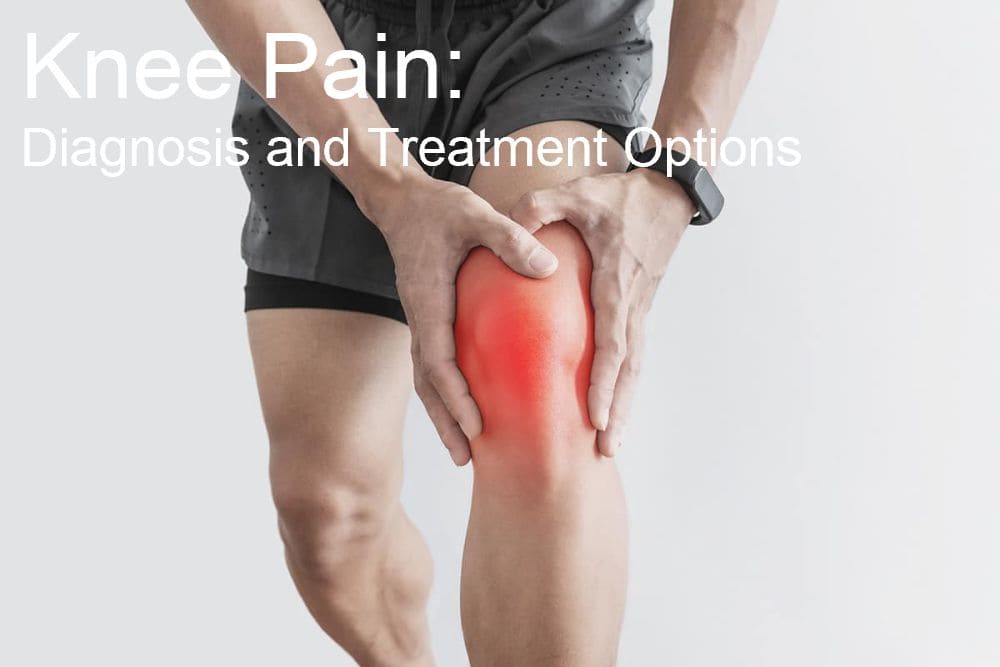

Knee pain is a widespread issue that can significantly impact one’s quality of life. Understanding the potential causes, symptoms, and available treatments for knee pain is crucial for effective management and pain relief. This article explores the diagnosis and treatment options for various knee problems, aiming to provide comprehensive information for individuals experiencing knee pain.
Understanding Knee Pain
What is Knee Pain?
Knee pain refers to discomfort in or around the knee joint. The knee may experience a range of sensations, from a dull ache to a sharp, stabbing pain. It can be caused by a multitude of factors, including knee injuries, arthritis, or overuse. Knee pain can significantly limit mobility and affect daily activities. Seeking a proper diagnosis is the first step in developing an effective treatment plan to ease pain and improve knee function. The location and intensity of knee pain can also vary depending on the underlying cause.
Common Causes of Knee Pain
The common causes of knee pain are varied and can affect individuals of all ages. Osteoarthritis of the knee, a degenerative joint disease, is a frequent culprit, leading to the breakdown of cartilage and subsequent pain and inflammation. Knee injuries, such as ligament tears (ACL, MCL), meniscus tears, and tendon strains, are also common causes of knee pain, especially among athletes. Patellofemoral pain syndrome, affecting the kneecap, is another potential cause, as well as referred pain from hip pain. Understanding the cause of knee pain is vital for determining the most appropriate treatment for knee pain.
Symptoms Associated with Knee Pain
Symptoms of knee pain vary based on the cause, but there are several common indicators. You might experience:
- Swelling and stiffness
- A popping or clicking sensation in the knee joint
The location and nature of the pain can also differ. Some might feel it in the front, inside, or outside of the knee. Other symptoms include difficulty straightening or bending the knee, or instability. Recognizing these symptoms is essential for accurate diagnosis and treatment.
Diagnosis of Knee Pain
Medical History and Physical Examination
Diagnosing the cause of knee pain starts with a thorough review of the patient’s medical history and a comprehensive physical examination. The doctor will inquire about the onset, location, and intensity of the pain, as well as any associated symptoms. They will also examine the knee joint for swelling, tenderness, range of motion, and stability. A physical exam can help identify the possible cause of knee pain. Assessing the patient’s medical history and performing a physical examination are essential first steps in developing an effective treatment plan for knee problems.
Imaging Tests for Knee Diagnosis
Imaging tests are essential for diagnosing the cause of knee pain. Several types of imaging can be used, including:
- X-rays, which visualize the bones to identify fractures, arthritis, or structural abnormalities.
- MRI (magnetic resonance imaging), providing detailed images of soft tissues like ligaments, tendons, and cartilage to detect tears or other damage.
Ultrasound is another option for assessing the knee joint, identifying fluid accumulation or tendon problems. These tests help healthcare professionals accurately diagnose knee pain and guide treatment decisions.
Common Diagnostic Procedures
In addition to medical history, physical examination, and imaging tests, certain diagnostic procedures may be necessary to determine the source of knee pain. Arthrocentesis, or joint aspiration, involves removing fluid from the knee joint for analysis, which can help identify infection, gout, or other inflammatory conditions. Arthroscopy is a minimally invasive procedure that allows the doctor to visualize the inside of the knee joint using a small camera. These diagnostic procedures can provide valuable information for accurate diagnosis and treatment planning for knee pain.
Treatment Options for Knee Pain
Non-Surgical Treatments for Knee Pain
Many individuals find relief from knee pain through non-surgical treatment options. These options often address different aspects of the condition and may include approaches such as:
- Physical therapy, focusing on strengthening the muscles around the knee, improving flexibility, and enhancing joint stability.
- Pain management strategies, such as over-the-counter pain relievers or prescription medications, to help reduce pain and inflammation.
Injections, such as corticosteroid injections, may provide temporary pain relief, and lifestyle modifications, such as weight loss and avoiding activities that aggravate pain, can also help manage knee pain. These nonsurgical treatment options are a great way to relieve pain.
Surgical Treatment Options
When conservative treatments fail to provide adequate pain relief, surgical treatment options may be considered for knee pain. Arthroscopic surgery can be used to address certain knee problems, such as meniscus tears or cartilage damage. In cases of severe knee arthritis, knee replacement surgery, either partial or total knee replacement, may be recommended to relieve pain and restore function. Knee surgery is a big step and should be considered after exhausting all nonsurgical treatment. Recovery from surgery is gradual with the help of physical therapy.
Alternative Remedies for Knee Pain
Some individuals explore alternative remedies to help relieve knee pain. Acupuncture, a traditional Chinese medicine technique, involves inserting thin needles into specific points on the body to reduce pain and promote healing. Herbal supplements, such as turmeric or ginger, are believed to have anti-inflammatory properties that may help alleviate knee pain. Other alternative therapies include massage, yoga, and mindfulness techniques. It’s important to discuss these options with a healthcare professional to ensure they are safe and appropriate for individual circumstances to prevent knee pain from worsening.
Preventing Knee Pain
Exercises to Strengthen the Knee
Strengthening the muscles around the knee is crucial to stabilize your knee and prevent knee pain. Physical therapy often incorporates exercises targeting the quadriceps, hamstrings, and calf muscles to provide better support for the knee joint. Low-impact activities like swimming or cycling can strengthen muscles without putting excessive stress on your knee. Regular exercise not only helps stabilize the knee but also helps reduce pain and promote overall joint health. A well-structured exercise program, often guided by a physical therapist or sports medicine professional, can greatly improve knee function and prevent knee injuries.
Lifestyle Changes to Prevent Knee Pain
Lifestyle changes can significantly contribute to preventing knee pain. Maintaining a healthy weight is important, as excess weight can place additional stress on your knee, leading to osteoarthritis of the knee and other knee problems. Avoiding activities that cause pain on the outside or inside of your knee can also help prevent further knee injuries and inflammation. Proper footwear can also help with pain relief. Incorporating low-impact exercises and stretching into your daily routine can improve flexibility and reduce the risk of knee pain caused by osteoarthritis. Prioritizing joint health through these lifestyle adjustments can help prevent knee pain and improve the overall function of the knee.
When to Seek Medical Attention
Knowing when to seek medical attention for knee pain is vital for timely diagnosis and treatment. If you experience severe pain, swelling, or instability in the knee joint, it’s important to consult a doctor. Persistent pain that doesn’t improve with home treatment, as well as the inability to bear weight on the knee, warrants medical evaluation. Symptoms such as locking of the knee joint or a noticeable deformity should also prompt immediate medical attention to rule out serious knee injuries. Early intervention can prevent knee pain from becoming chronic and lead to more effective treatment for knee pain. It is important to consult with a sports medicine professional.
Conclusion
Knee pain can significantly impact daily life, but understanding its causes, symptoms, and available treatments is essential for effective pain relief. From conservative nonsurgical treatment options like physical therapy and pain management to surgical interventions like knee replacement or total knee replacement surgery, various approaches can address different knee problems. Lifestyle changes and alternative remedies can also contribute to prevent knee pain. Seeking prompt medical attention for persistent or severe symptoms is crucial for accurate diagnosis and treatment planning. By taking a proactive approach to knee health, individuals can help relieve pain and improve knee function.