

Lavender essential oil has been a cornerstone in natural health practices for centuries, renowned for its calming and therapeutic properties. Derived from the flowers of the lavender plant, this oil is a versatile and potent remedy for various health concerns.

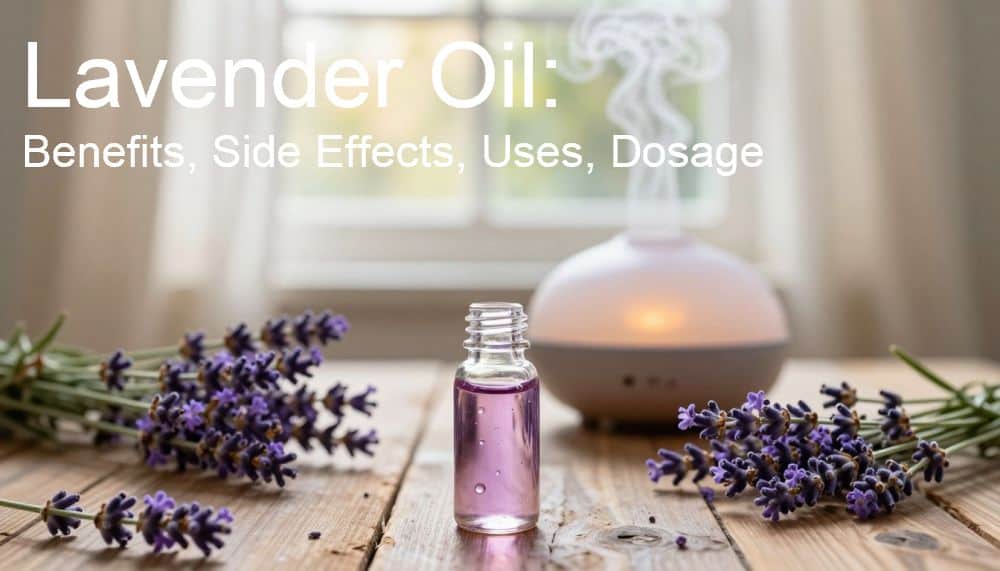
The benefits of lavender oil are numerous, ranging from promoting relaxation and improving sleep quality to alleviating anxiety and stress. As a natural remedy, it is also used to soothe skin irritations and promote overall well-being.
This article will explore the uses and dosage of lavender oil, as well as its potential side effects, to provide a comprehensive understanding of its role in health and wellness.
Key Takeaways
- Understanding the benefits and uses of lavender essential oil
- Learning the appropriate dosage for safe and effective use
- Identifying potential side effects and precautions
- Exploring the role of lavender oil in promoting relaxation and sleep
- Discovering its applications in skin care and overall wellness
What is Lavender Oil?
Lavender oil, derived from the lavender plant, is one of the most versatile and widely used essential oils in the world. It is cherished for its calming properties and diverse applications in aromatherapy, wellness, and natural health practices.
Origin and History of Lavender
Lavender has a rich history that dates back thousands of years, originating in the Mediterranean region. The ancient civilizations of Egypt, Greece, and Rome used lavender for its fragrance and medicinal properties. Over time, lavender cultivation spread across Europe, becoming a staple in traditional medicine and herbalism.
Types of Lavender Plants and Oils
There are several varieties of lavender, each with unique characteristics and uses. The most common types are distinguished by their fragrance, color, and oil composition.
English Lavender (Lavandula Angustifolia)
English Lavender, also known as Lavandula Angustifolia, is one of the most popular and widely cultivated lavender species. It is prized for its high-quality oil, which is used in aromatherapy and skincare products due to its calming and anti-inflammatory properties.
Other Lavender Varieties
Other notable lavender varieties include Lavandula Latifolia and Lavandula Stoechas. These varieties are also used for their essential oils, which have different profiles and applications. For instance, Lavandula Latifolia has a camphoraceous scent and is often used in industrial applications.
How Lavender Oil is Produced
To create lavender oil, manufacturers employ various extraction methods that impact the oil’s quality and chemical composition. The production process is crucial in determining the final product’s therapeutic properties and effectiveness.
Extraction Methods
The most common method used for extracting lavender oil is steam distillation. This process involves passing steam through the lavender flowers, causing the oil glands to rupture and release their essential oil. The steam and oil mixture are then cooled and separated, resulting in the essential oil. Steam distillation is preferred for its ability to preserve the delicate compounds found in lavender. Other methods, such as solvent extraction, are less common for lavender oil due to the potential for solvent residues in the final product.
Chemical Composition
The chemical composition of lavender oil is complex, primarily consisting of linalool and linalyl acetate. These compounds are responsible for the oil’s therapeutic effects, including its calming and anti-inflammatory properties. The exact composition can vary depending on the lavender species, growing conditions, and extraction method used. High-quality lavender oil will have a balanced composition that maximizes its therapeutic potential. Understanding the chemical makeup is essential for evaluating the oil’s quality and potential uses.
The Science Behind Lavender Oil’s Effects
The therapeutic effects of lavender oil are backed by scientific research that explores its efficacy and mechanisms of action. Lavender oil’s complex composition is key to understanding its impact on human health.
Research on Lavender’s Efficacy
Numerous studies have investigated the efficacy of lavender oil in various therapeutic applications. Research has shown that lavender oil can have a positive effect on anxiety, stress, and sleep quality. A study published in the Journal of Alternative and Complementary Medicine found that lavender oil supplementation reduced anxiety and improved sleep in patients with anxiety disorders.
| Study | Sample Size | Outcome |
|---|---|---|
| Journal of Alternative and Complementary Medicine | 60 patients | Reduced anxiety and improved sleep |
| Phytotherapy Research | 120 patients | Improved sleep quality and reduced symptoms of insomnia |
| Journal of Clinical Psychopharmacology | 45 patients | Reduced anxiety and stress |
How Lavender Oil Works in the Body
Lavender oil’s therapeutic effects are primarily attributed to its interaction with the body’s limbic system, which is involved in emotion, motivation, and memory. The oil’s active compounds, such as linalool and linalyl acetate, are absorbed through the skin or inhaled, and then interact with the brain’s neurotransmitters to produce a calming effect.
The efficacy of lavender oil in reducing anxiety and stress can be attributed to its ability to modulate the body’s stress response, promoting relaxation and calmness.
Health Benefits of Lavender Oil
With its calming properties, lavender oil offers various health advantages, from alleviating anxiety to enhancing sleep quality. The versatility of lavender oil makes it a popular choice for those seeking natural remedies for a range of health issues.
Anxiety and Stress Reduction
Lavender oil is renowned for its ability to reduce anxiety and stress. The oil’s calming scent can help soothe the mind and body, promoting relaxation. Studies have shown that inhaling lavender oil can decrease cortisol levels, the hormone associated with stress.
Sleep Quality Improvement
Improving sleep quality is another significant benefit of lavender oil. By promoting a calm and relaxed state, lavender oil can help individuals fall asleep faster and enjoy a more restful sleep. This is particularly beneficial for those suffering from insomnia or other sleep disorders.
Pain Relief Properties
Lavender oil also possesses pain-relieving properties, making it a useful natural remedy for various types of pain, including headaches and muscle aches. The oil’s anti-inflammatory properties can help reduce swelling and alleviate pain.
Skin Health Benefits
In addition to its internal health benefits, lavender oil is also beneficial for the skin. Its antiseptic and anti-inflammatory properties can help heal minor cuts and scrapes, reducing the risk of infection and promoting healthier skin.
| Health Benefit | Description |
|---|---|
| Anxiety and Stress Reduction | Reduces cortisol levels, promoting relaxation |
| Sleep Quality Improvement | Promotes a calm state, improving sleep duration and quality |
| Pain Relief Properties | Relieves headaches and muscle aches through anti-inflammatory action |
| Skin Health Benefits | Heals minor cuts and scrapes, reducing infection risk |
In conclusion, the health benefits of lavender oil are diverse and well-documented. From reducing anxiety and stress to improving sleep quality, relieving pain, and enhancing skin health, lavender oil is a valuable addition to any natural health regimen.
Lavender Oil for Mental Wellbeing
Lavender oil has been increasingly recognized for its benefits to mental wellbeing. The calming and soothing properties of lavender oil make it an excellent natural remedy for various mental health issues.

The mental health benefits of lavender oil are multifaceted, ranging from reducing anxiety and stress to improving sleep quality. Its effects on anxiety disorders are particularly noteworthy.
Effects on Anxiety Disorders
Lavender oil has been shown to have a positive impact on individuals suffering from anxiety disorders. Studies have indicated that the inhalation of lavender oil can reduce anxiety levels and promote relaxation.
A study comparing the effects of lavender oil and a placebo on anxiety found that participants who inhaled lavender oil experienced a significant reduction in anxiety.
| Study Group | Anxiety Reduction |
|---|---|
| Lavender Oil | Significant Reduction |
| Placebo | Minimal Reduction |
Depression and Mood Enhancement
In addition to its anxiolytic effects, lavender oil is also believed to have antidepressant properties. It can help enhance mood and reduce symptoms of depression.
The aroma of lavender oil can uplift and calm the mind, making it a useful tool for managing depression. Its mood-enhancing properties can be attributed to its ability to influence the brain’s neurotransmitters.
By incorporating lavender oil into their daily routine, individuals can potentially experience an improvement in their overall mental wellbeing.
Physical Health Applications of Lavender Oil
Beyond its calming properties, lavender oil has several physical health uses. Its therapeutic benefits extend to various physical ailments, making it a versatile addition to one’s health regimen.
Headache and Migraine Relief
Lavender oil is known to provide relief from headaches and migraines. Its calming properties help in reducing the severity and frequency of these conditions. A study found that inhaling lavender oil can significantly reduce headache symptoms.
Key benefits: Reduces headache severity, alleviates migraine symptoms.
Antibacterial and Antifungal Properties
Lavender oil exhibits significant antibacterial and antifungal properties, making it effective against a range of pathogens. Research has shown that it can inhibit the growth of various bacteria and fungi, contributing to its potential in wound healing and infection control.
| Property | Description |
|---|---|
| Antibacterial | Inhibits bacterial growth |
| Antifungal | Effective against fungal infections |
Wound Healing and Skin Conditions
Lavender oil promotes wound healing and is beneficial for various skin conditions. Its antiseptic properties help prevent infection, while its anti-inflammatory properties reduce redness and swelling. A quote from a study highlights its efficacy:
“Lavender oil has been shown to accelerate wound healing by promoting collagen synthesis and improving tissue strength.”
Lavender oil’s benefits for physical health are multifaceted, ranging from headache relief to wound healing. Its natural properties make it a valuable resource for overall wellbeing.
Different Ways to Use Lavender Oil
With its calming effects and pleasant scent, lavender oil can be incorporated into daily routines in various ways. Lavender oil’s versatility makes it a popular choice for those seeking natural remedies for relaxation, pain relief, and skin care.
Aromatherapy Methods
Aromatherapy is one of the most common ways to use lavender oil. It involves inhaling the oil’s vapor to promote relaxation and reduce anxiety.
Inhalation Techniques
Inhalation techniques involve directly inhaling lavender oil vapor from a cloth or handkerchief. This method is quick and effective for immediate relief from stress.
Diffuser Usage
Using a diffuser is another popular method for aromatherapy. It disperses the oil particles into the air, creating a calming atmosphere.
Topical Applications
Lavender oil can be applied topically to the skin to benefit from its anti-inflammatory and antimicrobial properties.
With Carrier Oils
Mixing lavender oil with carrier oils like coconut or jojoba oil can help dilute its potency and prevent skin irritation.
In Massage Therapy
Lavender oil is often used in massage therapy to enhance relaxation and reduce muscle tension.
Oral Consumption (Silexan)
Silexan is a proprietary lavender oil extract that is taken orally to reduce anxiety and improve sleep quality. It’s essential to consult a healthcare professional before consuming lavender oil orally.
Home and Beauty Uses
Lavender oil can be used in various home and beauty applications, such as in natural cleaning products, skincare routines, and hair care.
| Method | Benefits | Precautions |
|---|---|---|
| Aromatherapy | Reduces stress and anxiety | Use in well-ventilated areas |
| Topical Application | Relieves pain and inflammation | Dilute with carrier oil to avoid skin irritation |
| Oral Consumption (Silexan) | Improves sleep quality and reduces anxiety | Consult a healthcare professional before use |
Proper Dosage of Lavender Oil
Understanding the correct dosage of lavender oil is crucial for its safe and effective use. Lavender oil can be utilized in various ways, including aromatherapy, topical application, and oral supplementation, each requiring different dosage considerations.
Aromatherapy Dosage Guidelines
For aromatherapy, the typical dosage involves using a few drops of lavender oil in a diffuser. The standard recommendation is 5-7 drops, but this can be adjusted based on personal preference and the size of the room. It’s essential to start with a lower dose and increase as needed.
Topical Application Amounts
When applying lavender oil topically, it’s crucial to dilute it with a carrier oil to avoid skin irritation. A common dilution ratio is 2-3% lavender oil to carrier oil. For example, for every 1 teaspoon of carrier oil, you can add 5-7 drops of lavender oil.
| Carrier Oil Amount | Lavender Oil Drops | Dilution Ratio |
|---|---|---|
| 1 teaspoon | 5-7 drops | 2-3% |
| 2 teaspoons | 10-14 drops | 2-3% |
Oral Supplement Dosage
For oral supplementation, Silexan is a well-studied form of lavender oil, typically dosed at 80 mg per day. It’s essential to consult with a healthcare professional before starting any oral supplement regimen, as they can provide personalized guidance based on individual health needs.
In conclusion, the dosage of lavender oil varies significantly depending on its intended use. By following these guidelines, individuals can safely harness the therapeutic benefits of lavender oil.
Potential Side Effects and Precautions
While lavender oil is generally considered safe, it’s crucial to be aware of its potential side effects to use it effectively. Lavender oil can be used in various ways, including aromatherapy, topical application, and oral consumption, but each method carries its own risks and benefits.
Common Adverse Effects
Some individuals may experience common adverse effects when using lavender oil, such as headaches, nausea, or dizziness. These effects are typically mild and temporary, but it’s essential to be aware of them to avoid any discomfort.
Allergic Reactions
Allergic reactions to lavender oil are rare but can occur. Symptoms may include skin irritation, rashes, or itching. If you experience any of these symptoms, discontinue use and consult a healthcare professional.
Drug Interactions
Lavender oil may interact with certain medications, such as sedatives or antidepressants. If you’re taking any prescription medications, consult with your healthcare provider before using lavender oil.
Who Should Avoid Lavender Oil
Certain individuals should exercise caution or avoid using lavender oil altogether. This includes pregnant or breastfeeding women, as well as children and pets.
Pregnancy and Breastfeeding
Pregnant or breastfeeding women should consult their healthcare provider before using lavender oil, as it may affect hormone levels or interact with other medications.
Children and Pets
Children and pets may be more susceptible to the effects of lavender oil due to their smaller body size. Always dilute lavender oil with a carrier oil for topical application, and keep it out of reach of children and pets.
Buying Guide: How to Choose Quality Lavender Oil
When it comes to choosing lavender oil, there are several key considerations to keep in mind to ensure you select a pure and effective product. With the growing popularity of essential oils, the market has become saturated with various options, making it challenging to distinguish between high-quality and subpar products.
What to Look for in Pure Lavender Oil
To ensure you’re getting pure lavender oil, look for the following characteristics:
- Lavandula angustifolia or Lavandula vera as the botanical name, indicating true lavender
- Clear labeling of the oil’s origin, such as France or Bulgaria
- Concentration and purity information, often represented by a GC/MS (Gas Chromatography/Mass Spectrometry) report
- Organic or sustainably sourced farming practices
A quality lavender oil should have a distinct, floral, and slightly sweet aroma. Be wary of oils with strong, unpleasant odors or those that smell more like camphor, as they may be adulterated or of poor quality.
Storage and Shelf Life
Proper storage of lavender oil is crucial to maintaining its shelf life. Here are some tips:
| Storage Tip | Benefit |
|---|---|
| Keep in a cool, dark place | Prevents degradation from light and heat |
| Use glass containers | Avoids chemical reactions with plastic |
| Tightly seal the container | Prevents oxidation and contamination |
The shelf life of lavender oil typically ranges from 2 to 5 years if stored correctly. However, the exact duration depends on factors like the oil’s quality, storage conditions, and handling practices.
Conclusion
Lavender oil has been extensively discussed in this article, highlighting its numerous benefits and versatile uses. From its calming effects on anxiety and stress to its potential in improving sleep quality and relieving pain, lavender oil proves to be a valuable natural remedy.
The various methods of using lavender oil, including aromatherapy, topical applications, and oral consumption, offer a range of options for individuals to incorporate it into their daily lives. However, it’s essential to be aware of the proper dosage and potential side effects to ensure safe usage.
In conclusion on lavender oil, the benefits of lavender oil are multifaceted, making it a popular choice for those seeking natural solutions for health and wellbeing. As you consider incorporating lavender oil into your routine, remember to choose high-quality products and consult with a healthcare professional if necessary.
By understanding the uses of lavender oil and its potential benefits, you can make informed decisions about how to harness its therapeutic properties effectively.
FAQ
What is the recommended dosage of lavender oil for aromatherapy?
The recommended dosage for aromatherapy varies, but typically a few drops (2-5 drops) of lavender essential oil are sufficient for inhalation or diffusion.
Can lavender oil be used topically on the skin?
Yes, lavender oil can be used topically, but it is recommended to dilute it with a carrier oil to avoid skin irritation. A typical dilution ratio is 1-3% essential oil to carrier oil.
Is lavender oil safe for oral consumption?
Oral consumption of lavender oil is not recommended unless in the form of a specific, clinically-tested product like Silexan. Always consult a healthcare professional before ingesting any essential oil.
Can lavender oil help with anxiety and stress?
Yes, lavender oil has been shown to have anxiolytic effects and can help reduce anxiety and stress when used in aromatherapy or taken orally in the form of Silexan.
How does lavender oil affect sleep quality?
Lavender oil can promote relaxation and improve sleep quality. It is often used in aromatherapy before bedtime to enhance sleep.
What are the potential side effects of using lavender oil?
Common side effects include skin irritation, allergic reactions, and gastrointestinal upset if ingested undiluted or in large quantities. Always use lavender oil as directed.
Can lavender oil interact with other medications?
Yes, lavender oil may interact with certain medications, including sedatives and antidepressants. Consult a healthcare professional before using lavender oil, especially if you are on medication.
Is lavender oil safe for pregnant or breastfeeding women?
Pregnant or breastfeeding women should consult a healthcare professional before using lavender oil, as it may affect hormone levels or interact with other health conditions.
How should lavender oil be stored?
Lavender oil should be stored in a cool, dark place, away from children and pets, and in a tightly sealed container to preserve its potency and shelf life.
What should I look for when buying lavender oil?
When purchasing lavender oil, look for products that are labeled as 100% pure, specify the botanical name (Lavandula angustifolia), and provide information on the country of origin and extraction method.