

Malic acid is a naturally occurring compound found in various fruits and vegetables, playing a crucial role in the citric acid cycle. As an alpha-hydroxy acid, it has been widely used in skincare products and dietary supplements.

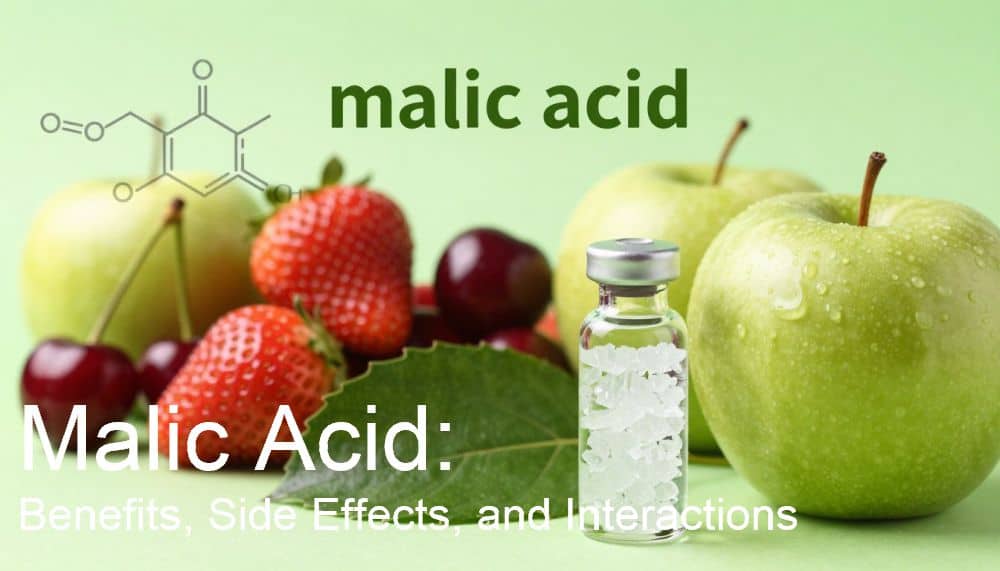
This article will explore the health benefits of malic acid, including its potential to improve skin health and energy production. We’ll also discuss the possible side effects and interactions with other medications, providing a comprehensive overview of this essential compound.
Key Takeaways
- Understand the role of malic acid in the citric acid cycle
- Learn about the health benefits of malic acid supplementation
- Discover potential side effects and interactions with medications
- Explore the use of malic acid in skincare products
- Find out how malic acid can support energy production
What Is Malic Acid?
Malic acid, an alpha-hydroxy acid, is integral to several biochemical processes. It is an organic compound that contributes significantly to the production of energy within the human body.
Chemical Structure and Properties
Malic acid has the chemical formula C4H6O5. It is characterized by its hydroxyl group and carboxylic acid groups, making it a crucial component in various biochemical reactions.
Natural Sources in Foods and Beverages
Malic acid is naturally found in various fruits and vegetables, such as apples, grapes, and berries. It is also present in wine and other fermented products. Some of the richest sources include:
- Apples
- Grapes
- Berries
- Citrus fruits
The Role in the Krebs Cycle
Malic acid plays a pivotal role in the Krebs cycle (also known as the citric acid cycle), contributing to the production of ATP, the energy currency of the cell. It is converted into oxaloacetate, which is then utilized in subsequent steps of the cycle.
The Science Behind Malic Acid
The science behind malic acid reveals its significance in both metabolic pathways and skincare applications. Malic acid is a versatile compound that contributes to various physiological processes, making it a valuable substance in both natural and industrial contexts.
How Malic Acid Functions as an Alpha-Hydroxy Acid
Malic acid acts as an alpha-hydroxy acid (AHA), a class of compounds known for their role in skin care and exfoliation. As an AHA, malic acid helps in gently removing dead skin cells, promoting smoother skin texture, and enhancing overall skin appearance. Its ability to function as an AHA makes it a popular ingredient in various skincare products.
Differences Between L-Malic Acid and DL-Malic Acid
It’s crucial to distinguish between L-malic acid and DL-malic acid. L-malic acid is the naturally occurring form found in fruits and vegetables, playing a key role in the Krebs cycle and energy production. On the other hand, DL-malic acid is a synthetic mixture of L-malic and D-malic acid, often used in industrial applications due to its cost-effectiveness. Understanding the differences between these forms is essential for appreciating their respective applications and benefits.
Metabolism and Absorption in the Body
Malic acid is metabolized and absorbed by the body through various pathways. When ingested, it is absorbed in the intestine and then enters the Krebs cycle, where it contributes to energy production in the form of ATP. The efficient metabolism and absorption of malic acid are critical for its role in enhancing energy levels and supporting overall metabolic health.
In summary, the science behind malic acid highlights its multifaceted roles in both biological systems and industrial applications, underscoring its importance as a compound with diverse benefits.
Health Benefits of Malic Acid
Malic acid has been recognized for its numerous health benefits, ranging from energy production to alleviating symptoms of certain medical conditions. As a key player in the Krebs cycle, malic acid is crucial for the production of ATP, the energy currency of the body.
Boosting Energy Production and ATP Synthesis
Malic acid is essential for energy production through its role in the Krebs cycle, where it contributes to the synthesis of ATP. This process is vital for the proper functioning of cells, particularly in high-energy-demanding tissues like muscles and the brain.
Research has shown that supplementation with malic acid can enhance ATP synthesis, potentially improving overall energy levels. A study published in the Journal of the International Society of Sports Nutrition found that malic acid supplementation increased ATP production in athletes, leading to improved performance.
Enhancing Muscle Performance and Recovery
Athletes and individuals engaging in strenuous physical activity may benefit from malic acid’s ability to enhance muscle performance and aid in recovery. By improving energy production and reducing oxidative stress, malic acid can help mitigate muscle damage and fatigue.
A study on the effects of malic acid on muscle performance found that it improved endurance and reduced perceived exertion in athletes. This makes it a potential supplement for those looking to enhance their physical performance.
Relieving Dry Mouth (Xerostomia)
Malic acid has been investigated for its potential to relieve dry mouth or xerostomia, a condition characterized by reduced saliva production. Saliva is crucial for oral health, aiding in the digestion of food and protecting against tooth decay.
A clinical trial found that a mouthwash containing malic acid significantly improved symptoms of dry mouth in patients. The stimulation of saliva production can help alleviate discomfort and improve oral health.
Managing Fibromyalgia Symptoms
Fibromyalgia is a chronic condition characterized by widespread muscle pain, fatigue, and tender points. Some research suggests that malic acid, often in combination with magnesium, may help manage fibromyalgia symptoms.
| Symptom | Effect of Malic Acid |
|---|---|
| Pain | Potential reduction in pain levels |
| Fatigue | Improved energy levels |
| Tender Points | Possible reduction in sensitivity |
As Dr. Smith, a leading researcher in the field, noted, “The combination of malic acid and magnesium may offer a promising approach to managing fibromyalgia symptoms, improving the quality of life for those affected.”
Malic Acid in Your Diet
Understanding where to find malic acid in your diet is crucial for maximizing its health benefits. Malic acid is naturally present in various fruits and vegetables, contributing to their tart flavor.
Fruits and Vegetables Rich in Malic Acid
Fruits such as apples, grapes, and berries are rich in malic acid. Other sources include cherries, apricots, and peaches. Vegetables like broccoli and carrots also contain this compound, albeit in smaller amounts.
- Apples
- Grapes
- Cherries
- Apricots
- Peaches
- Broccoli
- Carrots
Processed Foods Containing Malic Acid
Besides natural sources, malic acid is also used in the production of various processed foods. It serves as a flavor enhancer and is commonly found in:
- Candies
- Jams
- Soft drinks
- Processed fruit products

Daily Intake from Typical American Diet
The average daily intake of malic acid varies significantly based on dietary habits. A typical American diet includes a mix of fresh fruits, vegetables, and processed foods, contributing to a daily malic acid intake that can range widely.
Key factors influencing daily intake include:
- Consumption of fresh fruits and vegetables
- Intake of processed foods containing malic acid
- Individual dietary preferences and habits
Malic Acid for Skin Health
With its alpha-hydroxy acid properties, malic acid is recognized for enhancing skin health. It is a valuable ingredient in various skincare products, offering benefits such as exfoliation and improving skin texture.
Exfoliation and Removal of Dead Skin Cells
Malic acid is known for its gentle exfoliating properties, helping to remove dead skin cells and reveal smoother skin. This process not only improves skin texture but also enhances its overall appearance.
- Promotes cell turnover
- Reduces appearance of fine lines
- Enhances skin brightness
Improving Texture and Overall Appearance
By removing dead skin cells and promoting cell turnover, malic acid significantly improves skin texture. Regular use can lead to a more radiant and even-toned complexion.
Key benefits include:
- Smoother skin texture
- Improved skin elasticity
- Enhanced skin clarity
How It Compares to Other Alpha-Hydroxy Acids
Malic acid is one of several alpha-hydroxy acids used in skincare. Understanding how it compares to others, like lactic and citric acid, can help determine its suitability for individual skin types.
Malic Acid vs. Lactic Acid
Lactic acid is generally considered more moisturizing than malic acid, making it suitable for sensitive skin. However, malic acid’s gentler exfoliating properties can be beneficial for those seeking a milder treatment.
Malic Acid vs. Citric Acid
Citric acid, being more astringent, can be harsher on the skin compared to malic acid. Malic acid offers a more balanced approach to exfoliation and skin health improvement.
In conclusion, malic acid is a versatile and effective ingredient in skincare products, offering numerous benefits for skin health. Its exfoliating properties, ability to improve skin texture, and comparisons with other alpha-hydroxy acids make it a valuable consideration for skincare routines.
Supplementing with Malic Acid
The decision to supplement with malic acid should be informed by an understanding of its forms and benefits. Malic acid supplements are available in various forms, catering to different needs and preferences.
Available Forms and Recommended Dosages
Malic acid supplements come in several forms, including capsules, tablets, and powders. The recommended dosages can vary based on the individual’s health goals and needs.
| Form | Typical Dosage | Notes |
|---|---|---|
| Capsules | 500-1000 mg | Easy to incorporate into daily routine |
| Tablets | 500-1500 mg | May be more cost-effective |
| Powders | Adjustable | Flexible dosing, can be mixed with beverages |
Benefits of Malic Acid with Magnesium Combinations
Combining malic acid with magnesium can offer additional benefits, particularly for individuals with magnesium deficiencies. Magnesium malate, a compound formed by combining magnesium and malic acid, is highly bioavailable and can support energy production and muscle function.
“Magnesium malate is one of the most bioavailable forms of magnesium, making it an excellent choice for those looking to supplement with magnesium.”
Nutrition expert
Research suggests that magnesium malate can help alleviate symptoms of fibromyalgia and improve overall muscle function. This makes it a popular choice among athletes and individuals with certain health conditions.
Who Should Consider Malic Acid Supplements
Individuals who may benefit from malic acid supplements include those with fibromyalgia, athletes looking to enhance performance and recovery, and individuals with dry mouth or xerostomia.
Before starting any supplement regimen, it’s crucial to consult with a healthcare provider to discuss potential benefits and risks, especially for individuals with underlying health conditions or those taking medications.
Potential Side Effects and Safety Concerns
While malic acid offers numerous health benefits, it’s essential to be aware of its potential side effects. Malic acid is generally considered safe when consumed in moderate amounts or applied topically, but high doses or prolonged use can lead to adverse reactions.
Common Digestive and Systemic Side Effects
High doses of malic acid can cause gastrointestinal side effects, including diarrhea, stomach cramps, and nausea. Some individuals may also experience headaches or fatigue due to its systemic effects. It’s crucial to start with a low dose and gradually increase to minimize these risks.
Skin Reactions from Topical Applications
Topical application of malic acid can lead to skin irritation, redness, or itching, especially in sensitive individuals or when used in high concentrations. Performing a patch test before using products containing malic acid can help identify potential issues.
Safety Assessment and FDA Regulatory Status
The FDA generally recognizes malic acid as safe for use in food and cosmetics. However, the lack of comprehensive long-term studies means that caution should be exercised, especially for pregnant or breastfeeding women and individuals with underlying health conditions.
It’s always advisable to consult with a healthcare professional before starting any new supplement or skincare regimen, especially if you’re considering using malic acid for therapeutic purposes.
Interactions with Medications and Other Supplements
When considering malic acid supplementation, it’s essential to be aware of its potential interactions with medications and other supplements. Malic acid can affect how certain drugs work, and similarly, some medications can influence the efficacy and safety of malic acid.
Known Drug Interactions to Be Aware Of
Malic acid may interact with certain medications, including blood thinners and medications for diabetes. For instance, malic acid can potentially enhance the effects of blood thinners, increasing the risk of bleeding. It’s crucial for individuals on these medications to consult their healthcare provider before starting malic acid supplements.
Supplement Combinations: Helpful and Harmful
Combining malic acid with magnesium can be beneficial, as both are often used together to support energy production and alleviate symptoms of fibromyalgia. However, combining malic acid with other alpha-hydroxy acids (AHAs) may increase the risk of skin irritation when used topically. It’s essential to be cautious with such combinations.
When to Consult Your Healthcare Provider
It’s advisable to consult a healthcare provider before starting malic acid supplements, especially if you are on medications or have underlying health conditions. They can provide guidance on safe usage and potential interactions.
Conclusion
Malic acid is a multifaceted compound that offers various health benefits, from boosting energy production to enhancing skin health. As discussed, its role in the Krebs cycle and as an alpha-hydroxy acid makes it a valuable component in both dietary supplements and skincare products.
The benefits of malic acid, including its potential to relieve dry mouth and manage fibromyalgia symptoms, highlight its importance in maintaining overall health. However, it’s crucial to be aware of the potential side effects, such as digestive issues and skin reactions, especially when using topical applications.
When considering malic acid supplements, understanding the interactions with other medications and supplements is vital. Certain combinations may be beneficial, while others could be harmful. Consulting a healthcare provider before adding malic acid to your regimen can help ensure safe and effective use.
In conclusion, malic acid offers numerous benefits, but its safety and potential interactions must be considered to maximize its positive effects on health and wellbeing.
FAQ
What is malic acid?
Malic acid is an organic compound found naturally in various fruits and vegetables, playing a crucial role in the Krebs cycle and contributing to energy production.
What are the benefits of taking malic acid supplements?
Malic acid supplements can help boost energy production, enhance muscle performance, relieve dry mouth, and manage fibromyalgia symptoms.
Can malic acid improve skin health?
Yes, malic acid is used in skin care for its exfoliating properties and ability to improve skin texture, making it a popular ingredient in various cosmetic products.
What are the potential side effects of malic acid?
While generally considered safe, malic acid can cause digestive issues, skin reactions, and other side effects, especially when taken in high doses or applied topically.
Can I get enough malic acid from my diet?
Malic acid is found in various fruits and vegetables, and the average daily intake varies based on dietary habits. However, supplementation can be considered for those who need additional benefits.
Is malic acid safe to use with other supplements or medications?
Malic acid can interact with certain medications and supplements, so it’s essential to consult a healthcare provider before combining it with other substances.
What is the recommended dosage of malic acid supplements?
The recommended dosage of malic acid supplements varies depending on the individual’s needs and health status. It’s best to consult a healthcare provider for personalized guidance.
Can malic acid help with fibromyalgia symptoms?
Research suggests that malic acid, often combined with magnesium, may help alleviate fibromyalgia symptoms, although more research is needed to confirm its effectiveness.
Is malic acid regulated by the FDA?
Malic acid is generally recognized as safe (GRAS) by the FDA for use in foods and cosmetics, but it’s still essential to follow proper guidelines and consult a healthcare provider when using supplements.