

The humble potato is a staple vegetable found in kitchens across the United States. While these tubers are often misunderstood in modern diets, they remain a foundational food for millions of families.
Many people wonder if potatoes are healthy. When prepared correctly, they offer a remarkable balance of health and nutrition that supports an active lifestyle. Understanding the true health benefits of potatoes can help you make better choices at the dinner table.

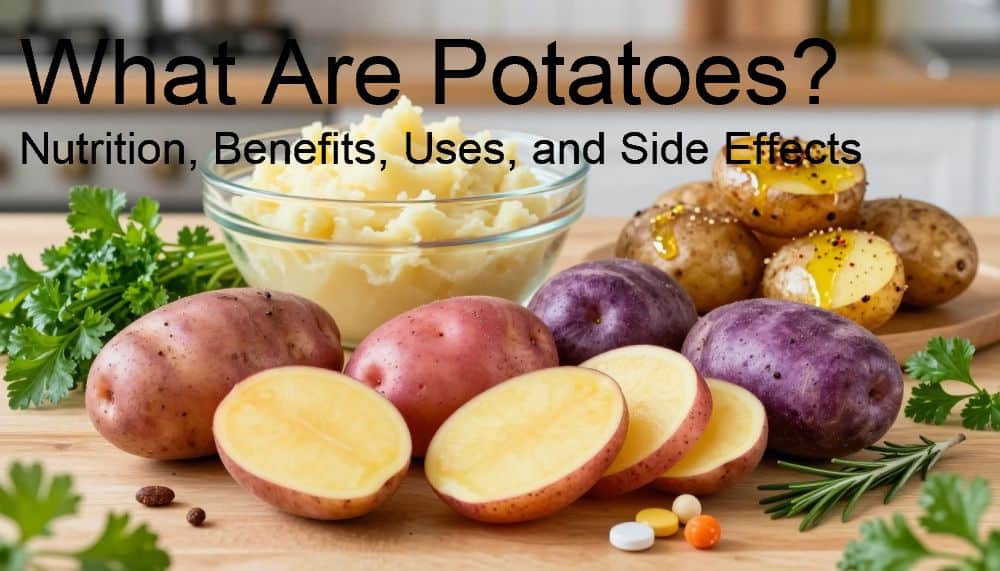
In this guide, we explore why potatoes are considered a dietary powerhouse. We will look at the benefits of potatoes and how to include them in your daily meals effectively. By the end, you will see why potatoes deserve a permanent spot in your pantry.
Key Takeaways
- Potatoes are a versatile and nutrient-dense vegetable staple.
- They provide essential vitamins and minerals for daily health.
- Preparation methods significantly impact the overall nutritional value.
- Understanding portion control helps integrate them into balanced diets.
- They are often unfairly criticized despite their natural health benefits.
Understanding Potatoes: Botany and Varieties
Exploring the world of the potato reveals a diverse range of shapes, colors, and culinary possibilities. This humble vegetable is far more than a simple side dish; it is a botanical marvel that has sustained civilizations for centuries.
The Botanical Profile of the Potato
Botanically, the potato belongs to the Solanaceae family, which also includes tomatoes and peppers. It grows as a tuber, which is an enlarged underground stem that stores energy for the plant.
The growth cycle begins with the planting of a seed potato, eventually leading to the development of leafy greens above ground and nutrient-rich tubers below. This unique structure makes the potato a highly efficient vegetable for farmers and gardeners alike.
Common Varieties of Potatoes in the United States
When you shop for fresh potatoes, you will encounter a wide array of choices. Understanding the different types of potatoes ensures you pick the right one for your recipe.
White Potatoes and Russets
Russets are the most iconic potato varieties in the United States. They are known for their high starch content, which makes them perfect for baking or creating fluffy mashed potatoes.
White potatoes are slightly creamier and hold their shape better than Russets. They are excellent for roasting or adding to hearty stews.
New Potatoes and Waxy Varieties
New potatoes are harvested early in the season before the skins have fully set. These fresh potatoes have a thin, delicate skin and a naturally sweet, creamy texture.
Waxy varieties, such as Red Bliss, contain less starch and more moisture. They are ideal for:
- Potato salads
- Soups and chowders
- Boiling whole
Purple Potatoes and Sweet Potatoes
Purple potatoes offer a striking visual appeal and a slightly nutty flavor. They are packed with antioxidants, making them a colorful addition to any meal.
While often grouped with other tubers, sweet potatoes are technically a different botanical species. They are famous for their vibrant orange flesh and high vitamin A content, providing a distinct sweetness that works well in both savory and dessert dishes.
Comprehensive Potato Nutrition Facts
When you look at the humble potato, you might be surprised by its impressive nutritional profile. Many people view this vegetable simply as a side dish, but it actually provides a wide range of essential nutrients that support your body. Understanding these potato nutrition facts can help you appreciate why this food is a staple in many healthy diets.
Essential Nutrients Found in Potatoes
Potatoes are a good source of several vitamins and minerals that your body needs to function properly. A medium potato is packed with complex carbohydrates, which provide the steady energy you need throughout the day. Furthermore, potatoes contain vitamins like B6, which is vital for brain health and metabolism.
The Role of Potassium and Vitamin C
One of the most notable aspects of potato nutrition is its high mineral content. Potatoes are an excellent source of potassium, which helps maintain healthy blood pressure levels and supports muscle function. In fact, they often contain more potassium than a banana.
Additionally, potatoes are a reliable source of vitamin C. This nutrient acts as a powerful antioxidant, helping to protect your cells from damage. By including this vegetable in your meals, you easily boost your daily intake of these critical components.
Carbohydrate Content and Energy Density
Many individuals worry about the carbohydrate content in their food, but potatoes offer high-quality fuel. Because they have a moderate energy density, one potato can keep you feeling full and satisfied for longer periods. This makes them a smart choice for those looking to manage their hunger while maintaining a balanced diet.
Fiber and Micronutrients in the Potato Skin
If you want to maximize the health and nutrition of your meal, never discard the outer layer. The potato skin is a concentrated source of fiber, which is essential for smooth digestion. When you eat a potato with skin, you also consume a variety of trace minerals that are otherwise lost during peeling.
Potatoes with the skin on provide a more complete nutritional package. By keeping the skin intact, you ensure that you are getting the most out of every bite. This simple habit is an easy way to improve your overall intake of vital plant-based nutrients.
Key Health Benefits of Potatoes
Discovering the many health benefits of potatoes reveals why this humble vegetable deserves a place on your dinner plate. While often misunderstood, potatoes are a source of essential nutrients that contribute to your overall well-being. When prepared correctly, they serve as a versatile foundation for a balanced lifestyle.
Potatoes and Heart Health
Potatoes are a good source of potassium, a mineral that plays a critical role in maintaining healthy blood pressure levels. By helping to counteract the effects of sodium, potatoes can help support cardiovascular function. Furthermore, the vitamin C found in these tubers acts as an important nutrient for heart health.
Supporting Bone Health Through Mineral Intake
Beyond heart support, potatoes provide essential minerals like magnesium and phosphorus. These nutrients are vital for maintaining strong bone structure throughout your life. Incorporating this vegetable into your meals is a simple way to ensure your body receives the support it needs for skeletal strength.
Antioxidant Properties of Colored Potatoes
While white varieties are popular, colored potatoes are rich in unique compounds that offer additional advantages. Varieties with purple or red flesh contain high levels of anthocyanins and carotenoids. These antioxidant properties help protect your cells from oxidative stress, showcasing the numerous health benefits of choosing diverse produce.
Potatoes as a Source of Sustained Energy
If you need a reliable fuel source, potatoes are an excellent choice for your daily routine. They provide complex carbohydrates that the body breaks down into glucose for steady energy. Because of this, potatoes may assist in keeping you feeling satisfied and energized for longer periods.
- Potassium for blood pressure management.
- Vitamin C for immune and heart support.
- Complex carbohydrates for lasting energy.
- Antioxidants in colored varieties for cellular protection.
Ultimately, the potential health benefits of this vegetable are significant when you focus on healthy preparation methods. By choosing to bake or boil rather than fry, you can maximize the nutritional value in every bite. Embracing these benefits of potatoes allows you to enjoy a delicious, nutrient-dense food that supports your long-term health goals.
The Role of Resistant Starch in Digestive Health
Potatoes are more than just a comfort food; they are a surprising source of gut-friendly nutrients. While many people focus on their carbohydrate content, these vegetables offer unique properties that can improve your overall well-being. By understanding how to prepare them, you can turn a standard side dish into a powerful tool for your body.
What is Resistant Starch?
Resistant starch is a type of carbohydrate that escapes digestion in your small intestine. Instead of being broken down into sugar, it travels to the large intestine where it acts much like soluble fiber. This process is why resistant starch in potatoes is so beneficial for your metabolic health.
Because it resists digestion, it does not cause the same rapid spikes in blood glucose that other starches do. This unique behavior makes the starch in potatoes a valuable addition to a balanced diet. Many people find that incorporating these foods helps them feel fuller for longer periods.
How Cooling Potatoes Increases Resistant Starch
You can easily boost the nutritional profile of your meal through a simple cooling process. When you cook potatoes and then let them cool in the refrigerator, a physical change occurs called retrogradation. This process significantly increases the amount of resistant starch in potatoes.
Potatoes are also more effective when eaten cold, such as in a potato salad. Even if you reheat them later, a portion of that resistant starch remains intact. This simple kitchen hack allows you to enjoy your favorite vegetable while supporting your digestive health.
Impact on Gut Microbiome and Digestion
Once the resistant starch reaches your colon, it serves as a prebiotic. It feeds the beneficial bacteria living in your gut, which is essential for maintaining a healthy microbiome. A thriving gut environment is linked to better immunity and improved digestion.
By choosing to include cooled potato starch in your diet, you provide your body with several key advantages:
- Improved regularity and bowel function.
- Better support for a diverse gut microbiome.
- Enhanced satiety, which helps with weight management.
- Lower glycemic response compared to hot, freshly cooked potatoes.
Ultimately, potatoes also play a vital role in long-term wellness when prepared correctly. By leveraging the power of resistant starch, you can optimize how your body processes energy. Making small adjustments to your cooking habits can lead to significant improvements in your daily gut health.
Culinary Uses and Best Cooking Methods
Learning how to cook potatoes properly can transform a simple side dish into a nutritional powerhouse. Because they are so versatile, you can easily include potatoes in a wide variety of meals throughout the week. By choosing the right techniques, you ensure that your potatoes remain healthy and flavorful.
Healthy Ways to Enjoy Potatoes
There are many ways to enjoy potatoes without compromising your wellness goals. Whether you prefer them as a base for a meal or a quick snack, the preparation method makes all the difference.
Boiled Potato vs. Baked Potato
A boiled potato is a fantastic option if you want to keep calories low while retaining moisture. Simply boiling them in their skins helps lock in essential vitamins that might otherwise leach into the water. On the other hand, a baked potato offers a wonderful texture and a natural, earthy sweetness. Baking allows the starch to develop a fluffy interior, making it a perfect vessel for healthy toppings like fresh herbs or Greek yogurt.
Preparing Potato Salad and Mashed Potatoes
When making potato salad, try using a vinaigrette base instead of heavy mayonnaise to keep the dish light. For those who love mashed potatoes, you can create a creamy mash by using olive oil or vegetable broth instead of butter and heavy cream. This simple swap maintains the comfort of the dish while significantly improving its nutritional profile.
Cooking Methods to Preserve Nutrients
To get the most out of your food, you should cook potatoes using methods that minimize nutrient loss. Steaming is often considered the gold standard because it keeps the vegetable away from direct water contact. If you prefer to roast potatoes, keep the pieces large to reduce surface area exposure to high heat. This helps preserve the delicate antioxidants found just beneath the skin.
Avoiding Unhealthy Additions like Sour Cream and Excessive Salt
Many people mistakenly believe that potatoes are unhealthy, but the issue usually lies in the toppings. Avoiding heavy additions like sour cream, bacon bits, and excessive salt is key to keeping your meal nutritious. Instead, try seasoning your dish with garlic, rosemary, or black pepper to enhance the natural flavor. You can even experiment with fresh potato juice in smoothies for a unique nutrient boost, though most people prefer to eat them cooked.
| Cooking Method | Nutrient Retention | Flavor Profile |
|---|---|---|
| Steaming | High | Mild and Natural |
| Baking | Medium | Rich and Earthy |
| Boiling | Medium | Soft and Neutral |
| Roasting | Low | Crispy and Savory |
Potential Side Effects and Risks
Not every potato is created equal, and some can pose unexpected health challenges. While this vegetable is a staple in many American kitchens, understanding potato consumption and risk is essential for maintaining a balanced diet. By staying informed, you can enjoy your meals without unnecessary health complications.
Understanding Green Potatoes and Solanine
One of the most important safety tips involves identifying green potatoes. When a potato is exposed to light, it may develop a green pigment, which indicates the presence of solanine. This natural compound is a defense mechanism for the plant, but it can be toxic to humans if ingested in large amounts.
You should always inspect your produce before cooking. If you notice a green tint on the skin or flesh, it is best to discard that portion or the entire raw potato. Consuming high levels of solanine can lead to digestive discomfort and other unwanted symptoms.
Concerns Regarding Fried Potatoes and Potato Chips
While whole vegetables are healthy, highly processed potato products often carry different risks. Popular items like french fries and potato chips are frequently deep-fried in unhealthy oils and coated in excessive sodium. Frequent intake of these fried potatoes can contribute to weight gain and cardiovascular issues.
It is wise to limit your intake of french fries and potato snacks. Choosing baked or air-fried alternatives allows you to enjoy the flavor without the heavy load of saturated fats. Moderation remains the best strategy when dealing with these processed options.
Blood Sugar Considerations for Sensitive Individuals
Potatoes have a high glycemic index, which means they can cause a rapid spike in blood sugar levels. For individuals managing diabetes or insulin sensitivity, this is a critical factor to consider. Pairing your meal with fiber-rich vegetables or lean proteins can help slow down the absorption of carbohydrates.
Monitoring your portion sizes is another effective way to manage your glucose response. By being mindful of how your body reacts, you can continue to include this nutritious food in your diet safely.
| Preparation Method | Health Impact | Nutrient Retention |
|---|---|---|
| Boiled/Steamed | Low fat, stable energy | High |
| Baked | Heart-healthy | Moderate |
| Deep-Fried | High calorie, high fat | Low |
Potatoes and Chronic Disease Management
Integrating potatoes into a diet focused on disease management is possible with the right approach. While many people worry about the carbohydrate content of this vegetable, it remains a versatile staple that can support your wellness goals. By focusing on preparation methods and portion control, you can continue to enjoy this food while managing specific health conditions.
Potatoes and Type 2 Diabetes
When managing type 2 diabetes, the way you prepare your food makes a significant difference. Potatoes may cause spikes in blood sugar if consumed in large portions or fried in unhealthy oils. However, choosing boiled or steamed options helps maintain a lower glycemic impact.
Pairing your potato with fiber-rich vegetables or lean proteins can further stabilize your glucose levels. This strategy allows you to include potatoes in your meals without compromising your blood sugar targets. Consistency in portion sizes is the key to achieving positive health outcomes.
Cardiometabolic Health and Potato Consumption
The relationship between potato consumption and heart health is often misunderstood. Potatoes are naturally free of cholesterol and contain essential nutrients like potassium, which supports healthy blood pressure levels. When prepared without excessive salt or saturated fats, they can be a beneficial part of a heart-healthy lifestyle.
Research suggests that cardiometabolic health is influenced more by the overall quality of your diet than by a single ingredient. Potatoes also provide antioxidants that help reduce inflammation in the body. By focusing on whole-food preparation, you can support your cardiovascular system effectively.
Balancing Potato Intake in a Healthy Diet
To make potatoes a part of a healthy diet, consider how they fit into your weekly meal plan. You do not need to avoid them entirely to maintain your wellness. Instead, prioritize boiling, baking, or roasting with herbs rather than deep-frying.
When you eat potatoes, think about the total balance of your plate. Aim for a portion that leaves plenty of room for leafy greens and high-quality proteins. The following table outlines how different cooking methods influence the nutritional profile of your meal.
| Preparation Method | Impact on Health | Best Practice |
|---|---|---|
| Boiled/Steamed | Lowers glycemic impact | Keep the skin on for fiber |
| Baked | Retains most nutrients | Use olive oil instead of butter |
| Fried/Chips | High in unhealthy fats | Limit or avoid consumption |
Ultimately, consuming potatoes mindfully allows you to enjoy their unique benefits. By adjusting your potato intake to match your specific needs, you can maintain a balanced and enjoyable diet. Remember that small, consistent changes lead to the best long-term results for your body.
Tips for Storing and Preparing Potatoes Safely
Mastering the art of potato care ensures that every meal you prepare is both safe and delicious. By following a few simple habits, you can maintain the quality of your fresh potatoes and ensure your potato intake remains nutritionally dense.

Proper Storage to Prevent Sprouting
To keep your produce in top condition, you must store potatoes in a cool, dark, and well-ventilated area. Exposure to light triggers the production of chlorophyll, which turns the skin green and increases solanine levels. Avoid keeping them near onions, as the gases released by onions can cause your potatoes to sprout prematurely.
Cleaning and Peeling Techniques
Before you prepare potatoes, give them a thorough rinse under cold running water to remove any dirt or debris. Use a vegetable brush to scrub the surface gently. While many people choose to remove the potato peel, remember that the skin contains a significant portion of the vegetable’s fiber and minerals.
Maximizing Nutrient Retention During Preparation
When you cook potatoes, the method you choose plays a vital role in maximizing nutrient retention. Boiling often causes water-soluble vitamins to leach into the cooking liquid, so steaming or roasting is often preferred. Whenever possible, enjoy your potato with skin to capture the full spectrum of health benefits found in the potato skin.
| Action | Recommended Method | Benefit |
|---|---|---|
| Storage | Cool, dark pantry | Prevents sprouting |
| Cleaning | Cold water scrub | Removes surface dirt |
| Cooking | Steaming or roasting | Retains more nutrients |
Conclusion
Integrating potatoes into your weekly meal plan offers a simple way to boost your nutrient intake. This humble vegetable provides sustained energy and essential minerals that support a vibrant lifestyle.
Selecting the right potato variety for your specific recipe makes a significant difference in texture and flavor. Whether you prefer roasting, boiling, or steaming, your cooking technique preserves the natural goodness found in every bite.
Proper storage remains a vital habit for maintaining quality and safety in your home pantry. Keeping your produce in a cool, dark place ensures that every potato stays fresh until you are ready to cook.
Small changes in how you prepare these tubers lead to big rewards for your long-term wellness. Experiment with new herbs and spices to enhance the natural profile of your favorite dishes.
We invite you to share your favorite healthy recipes or unique preparation tips with our community. Your experiences help others discover creative ways to enjoy this versatile food every single day.
FAQ
Are potatoes actually a healthy addition to a daily diet?
Absolutely! When prepared without excessive fats, potatoes are considered a powerhouse of health and nutrition. A single medium potato is a good source of essential nutrients, providing more potassium than a banana and a significant amount of vitamin C. Because they are a nutrient-dense vegetable, they can easily be part of a healthy lifestyle that supports heart health and overall wellness.
What are the primary health benefits of potatoes when eaten with the skin?
To get the most health benefits of potatoes, you should definitely eat potatoes with the potato peel intact. The potato skin is where a large portion of the fiber and antioxidant compounds are found. Potatoes with the skin help support digestive health and can lead to better health outcomes by slowing the absorption of carbohydrate content, which helps manage blood sugar levels.
How does the cooking method affect potato nutrition facts?
Your cooking method makes a world of difference! A boiled potato or a baked potato preserves most of the potassium and vitamins. However, french fries and potato chips are often high in unhealthy fats and sodium, which can diminish the potential health benefits. For a nutritious side dish, try to roast potatoes with olive oil or create a healthy mash using low-fat broth instead of heavy sour cream.
Can people with type 2 diabetes safely include potatoes in their meals?
Yes, they can, but it requires mindfulness regarding potato intake and preparation. Potatoes may have a high glycemic index, but consuming potatoes that have been cooked and then cooled can help. This process increases resistant starch in potatoes, which is great for gut health and has a lower impact on blood sugar. Balancing a side dish of Idaho Russet or Yukon Gold potatoes with plenty of protein and non-starchy vegetables is key for managing type 2 diabetes.
What is the benefit of choosing purple potatoes or sweet potatoes over white potatoes?
While white potatoes are a great source of vitamin C and energy, purple potatoes are rich in anthocyanins, a powerful antioxidant. Similarly, sweet potatoes are an excellent source of beta-carotene. Incorporating different varieties of potatoes into your diet ensures you get a wider spectrum of essential nutrients and phytonutrients that support cardiometabolic health.
Is it true that cooling potatoes makes them healthier for digestion?
Yes! Cooling potatoes after they have been cooked (like in a traditional potato salad) transforms some of the starch in potatoes into resistant starch. This type of potato starch isn’t fully broken down in the small intestine; instead, it reaches the large colon where it feeds healthy bacteria, significantly boosting gut health and improving digestive health.
Why should I be careful about green potatoes?
You should always avoid eating green potatoes because the green color indicates a high concentration of solanine, a natural toxin. This usually happens when fresh potatoes are exposed to too much light. To keep your potato varieties safe, store potatoes in a cool, dark, and dry place like a pantry to prevent sprouting and the buildup of bitter toxins.
Do potatoes help with bone health and heart disease?
Potatoes help support bone health because they contain minerals like magnesium and phosphorus. Furthermore, because potatoes are high in potassium and low in sodium (if not over-salted), they are beneficial for maintaining a healthy blood pressure, which reduces the risk of heart disease. Potatoes also contain fiber, which helps lower cholesterol, further supporting heart health.
What are some creative and healthy ways to enjoy potatoes at home?
There are many health-conscious ways to enjoy potatoes beyond the basic mashed potatoes. You can lightly roast potatoes with rosemary and garlic, prepare a chilled potato salad with a lemon-tahini dressing to maximize resistant starch, or even try potato juice for its purported anti-inflammatory properties. Just remember that one potato provides a significant amount of energy, making it a perfect fuel source for an active day!