

When looking for a simple way to boost your overall health, few snacks compare to the tiny, nutrient-dense kernels found inside a common autumn squash. These small powerhouses are packed with essential minerals and healthy fats that support your body daily.
By incorporating these crunchy snacks into your routine, you tap into one of nature’s most versatile superfoods. Many people enjoy them raw or roasted for a quick energy lift.

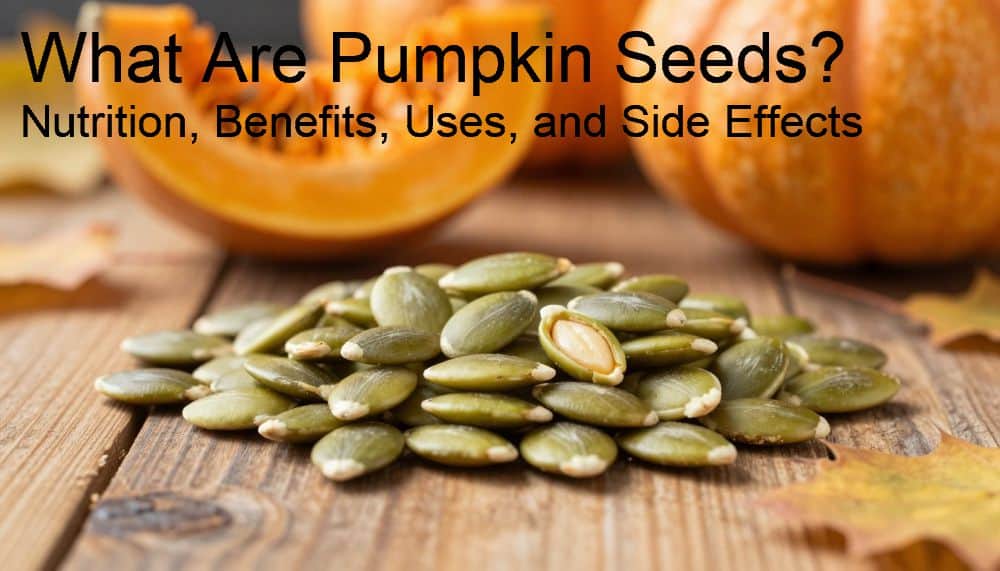
The potential health benefits are vast, ranging from improved heart function to better sleep quality. Understanding the many health benefits helps you make smarter dietary choices. Discovering the benefits of eating these snacks is a great step toward a more balanced lifestyle.
Key Takeaways
- These kernels are rich in magnesium, zinc, and healthy fats.
- Regular consumption supports heart and prostate wellness.
- They are highly versatile and easy to add to salads or yogurt.
- The high fiber content aids in healthy digestion.
- They serve as a convenient, plant-based protein source.
Understanding the Nutritional Profile of Pumpkin Seeds
The impressive nutritional value of pumpkin seeds makes them a staple for any healthy diet. These small but mighty seeds are packed with essential compounds that support your body’s daily functions. When you look at the nutritional value of pumpkin seeds, it becomes clear why they are considered a true superfood.
Key Macronutrients and Micronutrients
Pumpkin seeds are highly regarded for their balanced profile of healthy fats, plant-based protein, and dietary fiber. A single ounce of pumpkin seeds provides a significant boost to your daily intake of vital minerals. The content in pumpkin seeds may vary slightly, but they consistently offer a dense source of energy.
Here is what you can expect in a standard serving:
- Protein: Approximately 7 to 9 grams of pumpkin seed protein per ounce.
- Healthy Fats: Rich in heart-healthy unsaturated fatty acids.
- Fiber: Excellent for digestive health and satiety.
- Micronutrients: A dense source of zinc, iron, and potassium.
The Role of Magnesium in Pumpkin Seed Nutrition
One of the most notable features of this snack is the high magnesium content in pumpkin seeds. Magnesium is a vital nutrient that supports over 300 biochemical reactions in the human body. Because many people do not get enough of this mineral, pumpkin seeds are a rich and convenient way to bridge that gap.
The magnesium content in pumpkin seeds helps regulate blood pressure and supports muscle function. By incorporating these seeds into your routine, you ensure your body receives the support it needs for energy production. Truly, the value of pumpkin seeds lies in their ability to provide such a concentrated dose of this essential mineral.
Antioxidants and Plant Compounds
Beyond basic vitamins, pumpkin seeds contain antioxidants that help protect your cells from oxidative stress. These compounds, such as carotenoids and vitamin E, are present in pumpkin seeds to help reduce inflammation. When you consume them regularly, you provide your body with natural defenses against cellular damage.
The antioxidants in pumpkin seeds are just one reason why these seeds are loaded with health-promoting properties. Because pumpkin seeds are a rich source of these plant compounds, they serve as a simple addition to any meal. Whether you sprinkle them on salads or eat them raw, you are choosing a nutrient-dense option that supports long-term wellness.
Heart Health and Cardiovascular Benefits
You might be surprised to learn how small seeds can impact your cardiovascular wellness. Incorporating nutrient-dense foods into your daily routine is a simple way to support your body. Heart health is a primary concern for many, and pumpkin seeds may help provide the essential support your system needs to thrive.
Managing Blood Pressure Levels
High blood pressure is a common challenge that affects millions of people. Fortunately, these seeds can help reduce the strain on your arteries by providing a rich source of magnesium. This mineral is vital for relaxing blood vessels and maintaining healthy circulation.
Furthermore, pumpkin seeds have been shown to support the production of nitric oxide in the body. This compound acts as a vasodilator, which helps keep your blood pressure within a normal range. By choosing these seeds as a snack, you are making a proactive choice for your long-term vitality.
“A diet rich in plant-based seeds and nuts provides the foundational nutrients necessary to maintain a resilient cardiovascular system throughout adulthood.”
Impact on Cholesterol and Lipid Profiles
Maintaining a balanced lipid profile is essential for preventing plaque buildup in your arteries. The phytosterols found in these seeds compete with cholesterol for absorption in the digestive tract. This process effectively lowers the amount of bad cholesterol circulating in your bloodstream.
The following table highlights how specific components in these seeds contribute to your overall well-being:
| Nutrient | Primary Benefit | Impact on Heart |
|---|---|---|
| Magnesium | Vascular Relaxation | Lowers Blood Pressure |
| Phytosterols | Cholesterol Blocking | Improves Lipid Profile |
| Healthy Fats | Inflammation Reduction | Supports Artery Health |
| Fiber | Digestive Health | Regulates Cholesterol |
In summary, pumpkin seeds may help you manage your cardiovascular markers naturally. Because seeds can help reduce risk factors associated with heart disease, they are a smart addition to any diet. Indeed, pumpkin seeds have been shown to be a reliable ally for anyone focused on maintaining heart health.
Supporting Prostate and Urinary Health
Maintaining urinary health is a vital aspect of long-term wellness for many men. Many people are surprised to learn that small seeds can have a significant impact on bladder function. Because of their unique nutrient profile, pumpkin seeds may provide a natural way to maintain comfort and system efficiency.
Research on Pumpkin Seed Extract for Bladder Function
The effects of pumpkin seed components have been studied extensively in clinical settings. Researchers often utilize a concentrated pumpkin seed extract to observe how these nutrients interact with the bladder wall and surrounding muscles.
Studies have found that pumpkin seed preparations can help improve bladder control. The effect of pumpkin compounds is thought to stem from their ability to soothe the urinary tract and support healthy muscle tone. This makes them a popular subject for those seeking natural alternatives for bladder comfort.
Potential Effects on Prostate Wellness
When it comes to prostate health, many experts look toward plant-based interventions. Regular consumption of these seeds is often linked to better long-term outcomes for men.
Evidence suggests that pumpkin seeds support the body by providing essential fatty acids and zinc. These nutrients are critical for maintaining the structural integrity of the prostate gland. Furthermore, pumpkin seeds can support overall physiological balance, helping to reduce common discomforts associated with aging.
The Role of Pumpkin Seeds in Bone Health
Many people overlook the power of small snacks, yet seeds are a rich source of minerals that directly support bone health. While calcium often takes the spotlight, your skeletal system relies on a complex balance of various nutrients to maintain its strength and integrity. Seeds are known for providing these essential building blocks in a convenient, plant-based package.
Mineral Density and Skeletal Support
When it comes to structural integrity, seeds are high in magnesium, phosphorus, and zinc. These minerals work together to ensure that your bones remain dense and resilient throughout your life. In fact, pumpkin seeds can enhance your mineral intake significantly, providing a natural boost to your daily diet.
These seeds support skeletal health by facilitating proper bone mineralization. Without adequate levels of these specific minerals, the body may struggle to maintain the necessary density to prevent fractures or weakness. Consider the following key minerals found in every handful:
- Magnesium: Essential for bone formation and structural density.
- Phosphorus: Works alongside calcium to harden bone tissue.
- Zinc: Plays a vital role in bone cell regeneration and growth.
“A diet rich in magnesium and phosphorus is just as critical for long-term skeletal health as calcium intake, often serving as the unsung heroes of bone density.”
Comparing Pumpkin Seeds to Other Nutrient-Dense Seeds
It is helpful to look at how different options stack up when you are planning your nutrition. While sunflower seeds are a popular choice for many, they offer a different profile compared to their pumpkin counterparts. Pumpkin seeds are high in specific trace minerals that are sometimes less concentrated in other common varieties.
Choosing the right snack seeds can enhance your overall wellness strategy. By rotating different types of seeds into your meals, you ensure a diverse intake of micronutrients. While sunflower seeds provide excellent vitamin E, pumpkin seeds remain a superior choice for those specifically targeting magnesium and zinc for bone maintenance.
Boosting Immune Function and Reducing Inflammation
Did you know that your daily snack choices can significantly influence how your body fights off illness? Many people overlook the simple properties of pumpkin seeds when looking for ways to improve their wellness. These small but mighty snacks provide a natural way to support your body’s defense mechanisms. Pumpkin seeds also offer a convenient way to integrate essential nutrients into your busy lifestyle.
Anti-inflammatory Properties of Pumpkin Seeds
Chronic inflammation is often linked to various health challenges that affect your daily energy levels. Pumpkin seeds are also recognized for their impressive anti-inflammatory effects, which help calm the body’s internal response to stress. By including these seeds in your diet, you provide your system with the tools it needs to maintain balance.
When you consume these seeds regularly, pumpkin seeds can help reduce systemic inflammation effectively. This process is vital for long-term health and comfort. Many individuals find that these small dietary changes lead to noticeable improvements in how they feel throughout the day.
How Antioxidants Support the Immune System
Your immune system relies on a steady supply of protective compounds to function at its best. Seeds are rich in antioxidants that act as a shield against external stressors and environmental toxins. These compounds work tirelessly to neutralize free radicals that might otherwise damage your cells.
Because these seeds can help reduce oxidative stress, they play a crucial role in keeping your immune system resilient. Pumpkin seeds help your body stay prepared for seasonal changes and daily challenges. Seeds can also be a reliable source of protection, ensuring your immune system remains robust and ready to perform its best all year long.
Practical Ways to Incorporate Pumpkin Seeds into Your Diet
Incorporating pumpkin seeds into your diet offers a crunchy, healthy upgrade to almost any meal. Because these seeds are packed with essential minerals, making them a staple in your pantry is a smart move for long-term wellness. Regular consumption of pumpkin seeds can provide your body with a steady supply of magnesium, zinc, and healthy fats.
Selecting Raw Versus Roasted Pumpkin Seeds
When you decide to eat pumpkin seeds, you will find them available in both raw and roasted forms. Raw pumpkin seeds retain their natural enzymes and delicate oils, while roasted pumpkin seeds offer a deeper, nuttier flavor profile. Choosing between them often comes down to your personal taste and specific culinary goals.
| Feature | Raw Seeds | Roasted Seeds |
|---|---|---|
| Flavor | Mild and earthy | Rich and toasted |
| Texture | Soft and chewy | Crispy and crunchy |
| Best Use | Smoothies, raw snacks | Salad toppings, baking |
| Nutrient State | Maximum enzyme activity | Easier to digest |
If you prefer to buy in bulk, look for unsalted pumpkin seeds to maintain better control over your sodium intake. Whether you choose raw or roasted, the intake of pumpkin seeds remains a fantastic way to support your heart and immune system.
Creative Culinary Uses for Daily Consumption
There are many ways to enjoy these seeds throughout the day. Because pumpkin seeds are a great source of plant-based protein, they fit perfectly into a variety of dishes. Here is how you can start adding pumpkin seeds to your routine.
“The versatility of pumpkin seeds makes them one of the most underrated superfoods in the modern kitchen. A small handful can elevate the nutritional profile of any meal instantly.”
— Nutritionist Perspective
Adding Seeds to Breakfast Bowls and Smoothies
Start your morning by sprinkling a tablespoon of seeds over your oatmeal or yogurt. This simple way to eat pumpkin seeds adds a satisfying crunch to soft textures. You can also blend them into your favorite green smoothie for an extra boost of healthy fats without altering the flavor significantly.
Using Pumpkin Seeds in Baking and Savory Dishes
If you enjoy baking, try folding these seeds into homemade bread or muffin batter. They also work beautifully as a crunchy topping for roasted vegetables or hearty soups. When you consume pumpkin seeds regularly in savory dishes, you add a layer of complexity to your cooking that is both delicious and nutritious.
Ultimately, the consumption of pumpkin seeds is a habit that pays off over time. By finding creative ways to include them in your meals, you ensure that these nutrient-dense seeds become a permanent part of your healthy lifestyle.
Pumpkin Seed Oil and Its Unique Applications
Exploring the world of pumpkin seed oil reveals a fascinating side of this popular superfood. While the whole seed is a pantry staple, the oil offers a concentrated form of the nutrients found within the shell. This golden-hued liquid provides a distinct way to enjoy the essence of the plant in your daily routine.
Nutritional Differences Between Seeds and Oil
It is important to understand that the oil and the seed serve different purposes in your diet. Whole seeds are rich in dietary fiber and plant-based protein, which support digestive health and satiety. In contrast, the oil is primarily a source of healthy fats and fat-soluble vitamins like Vitamin E.
Because the fiber is removed during the extraction process, the oil acts as a potent source of essential fatty acids. Pumpkin seed oil may provide a more efficient way to deliver these specific nutrients to your body. Choosing between them depends on whether you need the structural benefits of fiber or the concentrated lipid profile of the oil.
Culinary and Topical Uses for Pumpkin Seed Oil
The culinary versatility of this oil is truly impressive. Its nutty, rich flavor makes it an excellent finishing oil for soups, roasted vegetables, or fresh garden salads. You should avoid using it for high-heat cooking, as its delicate compounds are best preserved when added at the end of the preparation process.
Beyond the kitchen, pumpkin seed oil may also support your skincare regimen. Many people apply it topically to hydrate dry skin or soothe minor irritations due to its high antioxidant content. It absorbs well and leaves a soft, nourished feeling without a heavy residue.
| Feature | Whole Pumpkin Seeds | Pumpkin Seed Oil |
|---|---|---|
| Primary Benefit | Fiber and Protein | Healthy Fats and Vitamin E |
| Best Use | Snacking and Baking | Dressings and Skincare |
| Heat Tolerance | High | Low (Finishing only) |
Potential Side Effects and Considerations
Understanding the potential side effects of pumpkin seeds helps you enjoy them safely. While these snacks are packed with nutrients, it is important to be aware of how your body reacts to them. Being informed allows you to maximize the health benefits while avoiding common pumpkin seeds side effects.
Managing Portion Sizes for Digestive Comfort
A standard serving of pumpkin seeds is typically about one-quarter cup. Consuming too many at once can lead to digestive discomfort, such as bloating or gas. This happens because the high fiber content in the seeds can be difficult for some people to process in large amounts.
If you notice that side effects of pumpkin seeds include stomach cramps, try reducing your intake. Pumpkin seeds can lead to these issues if your digestive system is not used to high fiber intake. Gradually increasing your portion size over time is a great way to help your body adjust comfortably.
Allergies and Interactions with Medications
While seeds are generally safe for most individuals, some people may experience allergic reactions. Symptoms might include skin rashes, itching, or swelling after consumption. If you have a known allergy to other seeds or nuts, it is best to consult with a healthcare provider before adding them to your daily routine.
Furthermore, eating pumpkin seeds in moderation is essential if you are taking specific medications. Because these seeds have natural diuretic properties, they may interact with certain drugs. Always speak with your doctor if you are concerned about how your diet might affect your current medical treatment.
| Consideration | Recommended Action | Benefit |
|---|---|---|
| Digestive Comfort | Limit to 1/4 cup | Prevents bloating |
| Allergy Awareness | Monitor for reactions | Ensures safety |
| Medication Use | Consult your doctor | Avoids interactions |
Pumpkin Seeds as a Sustainable Superfood
Beyond their impressive nutritional profile, pumpkin seeds stand out as a truly sustainable superfood choice for the eco-conscious consumer. By choosing to consume these seeds, you are supporting a food source that utilizes nearly every part of the plant, minimizing waste during the harvest season.
Sourcing Fresh Pumpkin Seeds from Seasonal Harvests
The best time to enjoy the highest quality product is during the autumn months when you can source a fresh pumpkin directly from local farms. Harvesting your own seeds from a pumpkin ensures you get the most vibrant flavor and peak nutrient density.
When you purchase or harvest your seeds, keep these tips in mind to ensure quality:
- Look for pumpkins that feel heavy for their size, indicating a healthy seed yield.
- Clean the seeds thoroughly to remove all pulp, which can cause spoilage if left behind.
- Dry the seeds completely before roasting or storing to prevent mold growth.
“Eating with the seasons is one of the simplest ways to reduce your carbon footprint while enjoying the freshest ingredients nature has to offer.”
Storage Tips to Maintain Freshness and Quality
Proper storage is essential to maintain the integrity of fresh pumpkin seeds and prevent their healthy fats from going rancid. Because these seeds are rich in polyunsaturated fats, they are sensitive to heat, light, and oxygen exposure.
To keep your stash tasting great for months, follow these simple guidelines:
- Use Airtight Containers: Glass jars or vacuum-sealed bags are ideal for keeping moisture out.
- Choose a Cool, Dark Location: A pantry or cupboard away from the stove is perfect for long-term storage.
- Consider Refrigeration: If you have a large quantity of fresh pumpkin seeds, storing them in the refrigerator or freezer can significantly extend their shelf life.
By following these storage habits, you ensure that every handful remains as delicious and nutrient-packed as the day you brought your fresh pumpkin home. Taking these small steps helps you reduce food waste and enjoy a sustainable snack all year long.
Conclusion
Integrating small, impactful habits into your daily routine creates lasting wellness. Pumpkin Seeds serve as a perfect example of a simple food choice that delivers massive results for your body.
Every single pumpkin seed packs a punch of essential minerals and vitamins. This tiny nutrient powerhouse supports your long-term vitality in ways few other snacks can match.
You now possess the knowledge to harness the health benefits of pumpkin seeds effectively. Whether you enjoy them raw or toasted, these snacks fit perfectly into any balanced diet.
Consider keeping a bag of high-quality seeds in your pantry for quick access. You might even try adding them to your morning oatmeal or a fresh salad to boost your daily intake.
Choosing to eat a pumpkin regularly provides a fun way to source these seeds at home. Your journey toward better health starts with the choices you make at the grocery store today.
Share your favorite ways to prepare these seeds with friends or family members. Small shifts in your eating habits lead to significant improvements in your overall well-being.
FAQ
What is the overall nutritional value of pumpkin seeds?
The nutritional value of pumpkin seeds is impressively high, making them a true superfood. Pumpkin seeds are a rich source of plant-based protein, healthy fats, and dietary fiber. Additionally, these seeds are a rich source of vital minerals like zinc and iron, which provide many health benefits for your immune system and energy levels.
How does the magnesium content in pumpkin seeds benefit the body?
The high magnesium content in pumpkin seeds is one of their most significant features. Because these seeds are a good source of this mineral, they help regulate blood pressure and support over 300 enzymatic reactions. Maintaining the right magnesium content in pumpkin seeds in your daily diet can also improve sleep quality and bone density.
Can eating pumpkin seeds help improve heart health?
Yes, pumpkin seeds have been shown to support cardiovascular wellness. The healthy oils and antioxidants in pumpkin seeds can help reduce “bad” LDL cholesterol levels and manage hypertension. By including pumpkin seeds in your meals, you provide your heart with the magnesium and fatty acids it needs to function optimally.
Are there specific benefits of pumpkin seeds for men?
Research has found that pumpkin seed consumption is particularly beneficial for prostate health. Pumpkin seed extract is frequently used in supplements to help manage symptoms of Benign Prostatic Hyperplasia (BPH). The natural properties of pumpkin seeds also support healthy urinary function and hormone balance.
What is a standard serving of pumpkin seeds and its calorie count?
A typical ounce of pumpkin seeds (about 28 grams) contains roughly 150 to 170 calories. While these seeds are packed with nutrients, including several grams of pumpkin seed protein, it is important to consume pumpkin seeds in moderation to keep your daily caloric intake in check.
Should I eat raw pumpkin seeds or roasted ones?
Both raw pumpkin seeds and roasted varieties offer great nutrition, so seeds can be eaten however you prefer! Fresh pumpkin seeds roasted at home allow you to control the temperature and seasonings. To maximize heart health, we recommend choosing unsalted pumpkin seeds to avoid unnecessary sodium.
How can I easily incorporate more pumpkin seeds into my diet?
Including pumpkin seeds in your routine is simple because pumpkin seeds are highly versatile. You can stir pumpkin seeds into your diet by adding them to morning yogurt, blending them into smoothies, or mixing them with sunflower seeds for a crunchy snack. They also make a fantastic topping for garden salads and creamy soups.
Are there any potential side effects of pumpkin seeds?
While generally safe, some side effects of pumpkin seeds may occur if you eat too many at once. Because they are so high in fiber, excessive consumption of pumpkin seeds without adequate hydration pumpkin seeds can lead to gas, bloating, or constipation. If you have a sensitive stomach, start with a small serving of pumpkin seeds to see how your body reacts.
Do pumpkin seeds help with inflammation?
Absolutely. Pumpkin seeds contain antioxidants like carotenoids and Vitamin E that protect your cells from harmful free radicals. Since these seeds are rich in antioxidants, they provide powerful anti-inflammatory effects that can help reduce joint pain and support your body’s natural defense systems.
Can pumpkin seeds help me sleep better?
Pumpkin seeds are one of the best natural sources of tryptophan, an amino acid that the body converts into serotonin and then melatonin. A regular intake of pumpkin seeds in the evening can promote a more restful night’s sleep. These seeds are known for their ability to help the body relax and maintain a healthy circadian rhythm.