

Rhodiola Rosea is a popular adaptogenic herb that has been used for centuries to enhance mental and physical performance. Native to the Arctic regions, it has been traditionally used to manage stress and boost energy levels.

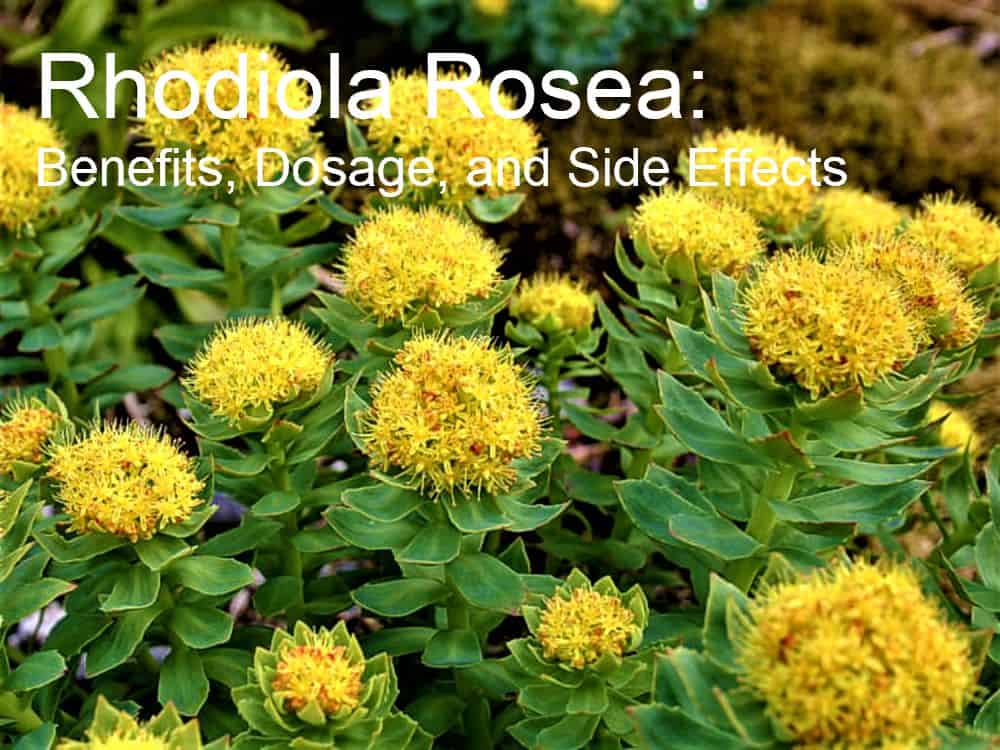
This article will explore the benefits of Rhodiola Rosea supplementation, including its effects on stress management and energy. We will also discuss the recommended dosage and potential side effects, providing a comprehensive overview of this adaptogenic herb.
Key Takeaways
- Understanding Rhodiola Rosea’s role as an adaptogenic herb
- Exploring the benefits of Rhodiola Rosea supplementation
- Recommended dosage for optimal effects
- Potential side effects and interactions
- Precautions for safe usage
What Is Rhodiola Rosea?
Golden Root, or Rhodiola Rosea, is a herb with a rich history of use in traditional medicine across different regions. It has been valued for its adaptogenic properties, which help the body adapt to stress.
The History and Traditional Uses of Golden Root
Rhodiola Rosea has been used for centuries in traditional Russian, Scandinavian, and Asian cultures. It was traditionally used to enhance physical and mental performance, improve mood, and reduce fatigue. The herb was also believed to have protective effects against various environmental stresses.
Rhodiola Rosea in Modern Herbal Medicine
In modern times, Rhodiola Rosea is recognized for its potential health benefits, including reducing stress, improving mental clarity, and boosting physical endurance. As Dr. Alexander G. Panossian, a renowned expert in adaptogens, notes, “
Rhodiola Rosea is one of the most well-studied adaptogens, with a significant body of evidence supporting its efficacy in enhancing mental and physical performance under stress.
” Modern herbal medicine has thus embraced Rhodiola Rosea for its adaptogenic properties and potential to improve overall well-being.
The use of Rhodiola Rosea as an adaptogen has gained significant attention in recent years, with many seeking natural ways to manage stress and enhance their health.
The Science Behind Rhodiola Rosea
Understanding the science behind Rhodiola Rosea reveals the complex interplay of its active compounds. Rhodiola Rosea is more than just a herbal remedy; it’s a complex botanical with a multitude of bioactive molecules that contribute to its adaptogenic properties.
Active Compounds: Salidroside and Rosavins
Rhodiola Rosea contains several key active compounds, primarily salidroside and rosavins, which are believed to be responsible for its health benefits. Salidroside, in particular, has been shown to have neuroprotective effects, while rosavins are thought to contribute to Rhodiola’s anti-fatigue properties. The synergy between these compounds is crucial to Rhodiola’s overall efficacy.
Studies have indicated that the quality and potency of Rhodiola Rosea supplements are directly related to their salidroside and rosavin content. As such, standardized extracts that guarantee a specific percentage of these active compounds are generally preferred.
How Rhodiola Works as an Adaptogen
Rhodiola Rosea is classified as an adaptogen, a category of herbs that help the body adapt to stress. Its mechanism of action involves modulating the body’s stress response system, including the hypothalamic-pituitary-adrenal (HPA) axis. By influencing this axis, Rhodiola Rosea helps to balance the body’s response to physical and mental stressors.
The adaptogenic effects of Rhodiola Rosea are thought to be mediated through its influence on various neurotransmitters and hormones, including cortisol, dopamine, and serotonin. This complex interplay contributes to Rhodiola’s ability to enhance mental performance, reduce fatigue, and improve overall well-being.
7 Evidence-Based Benefits of Rhodiola Rosea
Rhodiola Rosea has been extensively studied for its numerous health benefits, backed by scientific evidence. This adaptogenic herb has been used for centuries in traditional medicine, and modern research has validated its potential in enhancing overall well-being.
Stress Reduction and Fatigue Fighting
Rhodiola Rosea is well-known for its ability to reduce stress and combat fatigue. Studies have shown that it can significantly decrease cortisol levels, the hormone associated with stress, and improve mental performance under stressful conditions. Clinical trials have demonstrated that Rhodiola Rosea supplementation can lead to reduced fatigue and improved mental clarity in individuals with stress-related fatigue.
By modulating the body’s response to stress, Rhodiola Rosea helps in maintaining a balance between the nervous and endocrine systems. This adaptogenic property makes it a valuable supplement for individuals facing chronic stress.
Cognitive Performance and Mental Clarity
Rhodiola Rosea has been found to enhance cognitive function, including memory, attention, and mental processing speed. Research suggests that it may improve cognitive performance by protecting the brain from oxidative stress and enhancing the expression of neurotrophic factors.
| Cognitive Function | Effect of Rhodiola Rosea |
|---|---|
| Memory | Improves memory recall and retention |
| Attention | Enhances focus and concentration |
| Mental Processing Speed | Accelerates mental processing and reaction time |
Mood Improvement and Depression Relief
Rhodiola Rosea has been studied for its potential antidepressant effects. Clinical research indicates that it may help alleviate symptoms of depression by influencing neurotransmitter levels, such as serotonin and dopamine, in the brain.
By improving mood and reducing symptoms of depression, Rhodiola Rosea can contribute to overall mental health and well-being. Its adaptogenic properties help in coping with stress, which is often a contributing factor to depressive disorders.
Exercise Performance and Physical Endurance
Rhodiola Rosea is also recognized for its potential to enhance physical performance and endurance. Studies have shown that it can improve athletic performance by increasing oxygen uptake, reducing perceived exertion, and delaying the onset of fatigue.
By improving physical endurance, Rhodiola Rosea can be a valuable supplement for athletes and individuals engaging in strenuous physical activities. Its ability to enhance mental clarity also supports better performance during exercise.
Rhodiola Rosea for Specific Health Conditions
Rhodiola Rosea has been gaining attention for its potential to address various health conditions, ranging from anxiety and stress-related disorders to mental fatigue. As research continues to uncover the benefits of this adaptogenic herb, its applications in managing specific health conditions are becoming increasingly evident.
Anxiety and Stress-Related Disorders
Rhodiola Rosea has shown promise in reducing symptoms of anxiety and stress-related disorders. Studies have indicated that it can help alleviate stress-induced eating disorders and improve overall mental well-being. The active compounds in Rhodiola, particularly salidroside, are believed to contribute to its anxiolytic effects.
Mental Fatigue and Burnout Prevention
Mental fatigue and burnout are common issues in today’s fast-paced world. Rhodiola Rosea has been studied for its potential to combat mental exhaustion and enhance cognitive function. By reducing mental fatigue, Rhodiola can help individuals maintain productivity and overall mental health.
Neuroprotective Effects and Brain Health
The neuroprotective properties of Rhodiola Rosea are of significant interest. Research suggests that it may help protect the brain from oxidative stress and inflammation, potentially supporting long-term brain health. The antioxidant properties of Rhodiola are thought to play a crucial role in its neuroprotective effects.
Anti-inflammatory and Antioxidant Properties
Rhodiola Rosea is rich in antioxidants and has been shown to possess anti-inflammatory properties. These characteristics make it a valuable supplement for overall health, potentially reducing the risk of chronic diseases associated with inflammation and oxidative stress.
| Health Condition | Rhodiola Rosea Benefits |
|---|---|
| Anxiety and Stress-Related Disorders | Reduces symptoms, alleviates stress-induced disorders |
| Mental Fatigue and Burnout | Combats mental exhaustion, enhances cognitive function |
| Neuroprotective Effects | Protects brain from oxidative stress and inflammation |
| Anti-inflammatory and Antioxidant Properties | Reduces inflammation, rich in antioxidants |
Proper Dosage Guidelines for Rhodiola Rosea
To harness the full potential of Rhodiola Rosea, it’s essential to follow established dosage guidelines based on clinical research. The efficacy of Rhodiola Rosea supplementation largely depends on taking the appropriate dose.
Recommended Dosages Based on Clinical Research
Clinical studies have investigated various dosages of Rhodiola Rosea to determine its efficacy and safety. The typical dosage ranges from 100 mg to 600 mg per day, with 200 mg being a commonly recommended dose. A study published in the journal Phytomedicine found that a daily dose of 200 mg of Rhodiola Rosea extract significantly reduced fatigue and improved mental performance in individuals with stress-related fatigue.
The active compounds in Rhodiola Rosea, such as salidroside and rosavins, play a crucial role in its adaptogenic effects. When choosing a supplement, it’s vital to select products that are standardized to contain specific percentages of these active compounds.
| Condition | Recommended Dosage | Duration |
|---|---|---|
| Stress and Fatigue | 200 mg – 400 mg | 4-6 weeks |
| Cognitive Enhancement | 100 mg – 200 mg | 4 weeks |
Timing, Cycling, and Long-Term Usage
The timing of Rhodiola Rosea supplementation can influence its effectiveness. Taking Rhodiola Rosea in the morning is often recommended, as it can help improve mental clarity and energy levels throughout the day. Some individuals may also choose to take a second dose in the early afternoon to avoid interfering with sleep.
Cycling Rhodiola Rosea, or taking it for a specific period followed by a break, is a strategy used by some to maintain its efficacy. A common approach is to cycle Rhodiola Rosea for 8 weeks, followed by a 2-week break. However, the necessity of cycling can depend on individual responses to the supplement.
Long-term usage of Rhodiola Rosea is generally considered safe when taken at recommended dosages. Nonetheless, it’s advisable to consult with a healthcare professional before starting any supplement regimen, especially for extended periods.
Potential Side Effects and Safety Concerns
While Rhodiola Rosea is generally considered safe, it’s crucial to be aware of its potential side effects. As with any supplement, understanding the possible adverse effects and who should avoid taking it can help ensure safe usage.
Common Side Effects and Their Management
Most people tolerate Rhodiola Rosea well, but some may experience side effects. Common side effects include dry mouth, dizziness, and irritability. These effects are typically mild and transient, but if they persist, it may be necessary to adjust the dosage or discontinue use.
Managing common side effects can be achieved by starting with a low dose and gradually increasing it, allowing the body to adapt. Staying hydrated and taking the supplement with food may also help mitigate some side effects.
Who Should Avoid Taking Rhodiola Supplements
Certain individuals should exercise caution or avoid Rhodiola Rosea altogether. This includes people with bipolar disorder, as it may trigger manic episodes. Those taking medications for depression or anxiety should consult their healthcare provider, as Rhodiola may interact with these medications.
| Condition | Precaution |
|---|---|
| Bipolar Disorder | Avoid due to risk of manic episodes |
| Taking Antidepressants | Consult healthcare provider due to potential interactions |
| Autoimmune Disorders | Consult healthcare provider as Rhodiola may stimulate the immune system |
Pregnancy, Nursing, and Use in Children
The safety of Rhodiola Rosea during pregnancy and nursing has not been well established. As a precaution, pregnant or breastfeeding women should consult their healthcare provider before using Rhodiola supplements. The use of Rhodiola in children is also not recommended due to a lack of safety data.
Precautionary Measures: Pregnant or nursing women and parents considering Rhodiola for children should consult a healthcare professional to discuss potential risks and benefits.
In conclusion, while Rhodiola Rosea is generally safe for most adults, being aware of potential side effects and taking precautions can help ensure safe usage. It’s always recommended to consult with a healthcare professional before starting any new supplement regimen.
Rhodiola Rosea Interactions with Medications and Supplements
When considering Rhodiola Rosea supplementation, it’s crucial to understand its potential interactions with other medications and supplements. As Rhodiola Rosea becomes increasingly popular for its adaptogenic properties, awareness of its interactions with other substances is essential for safe and effective use.
Prescription Drug Interactions to Be Aware Of
Rhodiola Rosea can interact with certain prescription medications, potentially altering their efficacy or increasing the risk of side effects. Notable interactions include:
- Blood Thinners: Rhodiola may increase the risk of bleeding when taken with anticoagulant medications like warfarin.
- Antidepressants: Combining Rhodiola with MAOIs or SSRIs may lead to serotonin syndrome, a potentially life-threatening condition.
- Diabetes Medications: Rhodiola may lower blood sugar levels, potentially interacting with diabetes medications.
Combining Rhodiola with Other Supplements
While Rhodiola Rosea can be beneficial on its own, combining it with other supplements may enhance its effects or introduce new interactions. Consider the following:
- Stimulants: Combining Rhodiola with other stimulants like caffeine or guarana may increase the risk of jitteriness, anxiety, or insomnia.
- Adaptogenic Stacks: Pairing Rhodiola with other adaptogens like ashwagandha or ginseng may enhance its stress-reducing effects, but monitor for potential cumulative effects.
- Antioxidants: Rhodiola’s antioxidant properties may complement other antioxidant supplements, potentially enhancing overall antioxidant capacity.
It’s essential to consult with a healthcare professional before combining Rhodiola Rosea with any medications or supplements to ensure safe and effective use.
How to Choose Quality Rhodiola Rosea Supplements
Navigating the world of Rhodiola Rosea supplements requires insight into what makes a product effective and reliable. With numerous options available, understanding the key factors that distinguish high-quality supplements is crucial for consumers.
Understanding Standardization and Extract Potency
When selecting a Rhodiola Rosea supplement, it’s essential to understand the importance of standardization and extract potency. Standardization ensures that the product contains a consistent amount of active compounds, typically measured by the presence of rosavins and salidroside. Look for products that specify the percentage of these compounds, as this indicates a more potent extract.
The potency of Rhodiola Rosea extracts can vary significantly. A high-quality supplement should have a clear label indicating the concentration of active ingredients. For instance, a product standardized to contain 3-4% rosavins and 0.8-1% salidroside is considered effective.
Rhodiola Rosea vs. Other Rhodiola Species
Not all Rhodiola species are created equal. Rhodiola Rosea is the most studied and clinically relevant species, known for its adaptogenic properties. Other species, like Rhodiola crenulata, may not offer the same benefits. Ensure that your supplement is derived from Rhodiola Rosea to maximize potential health benefits.
| Rhodiola Species | Key Active Compounds | Clinical Relevance |
|---|---|---|
| Rhodiola Rosea | Rosavins, Salidroside | High |
| Rhodiola Crenulata | Unknown/Variable | Low |
| Other Rhodiola Species | Varies | Varies |
Tips for Selecting Reputable Brands and Products
Choosing a reputable brand is crucial when selecting a Rhodiola Rosea supplement. Look for brands that provide transparent information about their sourcing, manufacturing, and testing processes. Third-party testing and certification can be indicators of a product’s quality and purity.
Additionally, consider the following tips when selecting a product:
- Check for clear labeling of active ingredients and their concentrations.
- Research the brand’s reputation and customer reviews.
- Ensure the product is manufactured in a facility that follows Good Manufacturing Practices (GMP).

Conclusion: Weighing the Benefits and Considerations of Rhodiola Rosea
Rhodiola Rosea has emerged as a valuable adaptogenic herb, offering numerous health benefits and potential advantages for overall well-being. The evidence-based benefits of Rhodiola Rosea supplementation include stress reduction, improved cognitive performance, and enhanced physical endurance.
When considering Rhodiola Rosea supplementation, it is essential to weigh the benefits against potential safety concerns. While generally considered safe, Rhodiola Rosea may interact with certain medications or exacerbate underlying health conditions. To maximize the efficacy of Rhodiola, individuals should follow proper dosage guidelines and consult with a healthcare professional if necessary.
The potential benefits of Rhodiola Rosea supplementation make it an attractive option for those seeking to enhance their mental and physical performance. By understanding the considerations and benefits of Rhodiola Rosea, individuals can make informed decisions about incorporating this adaptogenic herb into their health regimen.
FAQ
What is Rhodiola Rosea?
Rhodiola Rosea, also known as Golden Root, is an adaptogenic herb that has been used for centuries to enhance mental and physical performance, reduce stress, and promote overall well-being.
What are the benefits of taking Rhodiola Rosea?
The benefits of Rhodiola Rosea include reducing stress and fatigue, improving cognitive function and mental clarity, boosting mood, and enhancing exercise performance and physical endurance.
How does Rhodiola Rosea work as an adaptogen?
Rhodiola Rosea works as an adaptogen by helping the body adapt to stress, promoting balance and homeostasis, and enhancing the body’s natural response to stressors.
What is the recommended dosage of Rhodiola Rosea?
The recommended dosage of Rhodiola Rosea varies based on the specific product and individual needs, but typical dosages range from 100-400 mg per day, containing 3-4% rosavins and 1-2% salidroside.
Can Rhodiola Rosea interact with medications or other supplements?
Yes, Rhodiola Rosea may interact with certain medications, such as blood thinners, and other supplements, so it’s essential to consult with a healthcare professional before taking it.
Is Rhodiola Rosea safe for everyone?
While Rhodiola Rosea is generally considered safe, it’s not recommended for everyone, particularly those with certain medical conditions, pregnant or nursing women, and children, so consult with a healthcare professional before taking it.
How do I choose a high-quality Rhodiola Rosea supplement?
To choose a high-quality Rhodiola Rosea supplement, look for products that are standardized to contain 3-4% rosavins and 1-2% salidroside, and select reputable brands that adhere to good manufacturing practices.
Can I take Rhodiola Rosea long-term?
While Rhodiola Rosea can be taken long-term, it’s essential to cycle it periodically to avoid developing tolerance and to consult with a healthcare professional for guidance on long-term usage.
What are the potential side effects of Rhodiola Rosea?
Potential side effects of Rhodiola Rosea are generally mild and may include dry mouth, dizziness, and irritability, but serious side effects are rare when taken as directed.