

Choosing a healthy leafy green is a great way to boost your daily nutrient intake. This famous vegetable, known as spinach, offers incredible health benefits that support your heart and skin. You might recognize it as a favorite choice for fresh summer salads or green smoothies.


Deep within its nutrition facts, you will find high levels of vitamin k and vitamin c. These parts work with a strong antioxidant profile to protect your body from stress. It also provides essential folic acid and vitamin e for your overall health.
While the plant is generally safe, understanding its uses and potential side effects is important for a balanced diet. We will explore how this superfood fits into your lifestyle. Enjoying fresh greens has never been easier or more rewarding for your body.
Key Takeaways
- Rich in essential minerals and vitamins for daily wellness.
- Supports bone health through exceptionally high Vitamin K levels.
- Provides powerful antioxidants to fight cell damage.
- Highly versatile for both cooking and raw consumption.
- Contains folic acid which is vital for healthy cell growth.
- Includes important considerations regarding oxalates and side effects.
What Is Spinach?
The versatile and nutritious spinach has been a favorite among chefs and health enthusiasts alike. Spinach is more than just a leafy green vegetable; it’s a nutrient powerhouse that has been cultivated and consumed for centuries.
Where Spinach Originated
Spinach originated in Persia (modern-day Iran) over 2,000 years ago. It was introduced to Europe by the Moors in the 11th century and quickly gained popularity due to its ease of cultivation and nutritional value. Today, spinach is grown in many parts of the world and is available in various forms.
Types and Varieties of Spinach
There are several types and varieties of spinach, each with its unique characteristics. Some of the most common varieties include:
- Savoy spinach, known for its curly leaves
- Flat-leaf spinach, which is easier to clean
- Baby spinach, harvested before maturity for its tender leaves
These varieties cater to different culinary needs and preferences.
Spinach as a Nutrient-Dense Leafy Green Vegetable
Spinach is classified as a nutrient-dense food, meaning it is low in calories but high in vitamins, minerals, and antioxidants. It is an excellent source of iron, calcium, and vitamins A and K. The nutritional profile of spinach makes it an ideal addition to a healthy diet.
To understand the nutritional value of spinach better, let’s compare it with other leafy greens. The table below highlights the key nutritional differences:
| Leafy Green | Calories per Cup | Iron Content (mg) | Vitamin A (IU) |
|---|---|---|---|
| Spinach | 7 | 6.4 | 469 |
| Kale | 55 | 2.5 | 200 |
| Collard Greens | 11 | 0.8 | 245 |
By understanding the origins, types, and nutritional benefits of spinach, we can appreciate its value in our diets. Spinach is not just a simple leafy green; it’s a versatile ingredient that can be incorporated into various meals to enhance nutritional intake.
Spinach Nutrition Facts
Spinach is renowned for its exceptional nutritional profile, making it a valuable addition to a healthy diet. It is rich in a variety of vitamins and minerals that are essential for maintaining overall health.
Vitamins Present in Spinach
Spinach is an excellent source of several important vitamins. These vitamins play crucial roles in various bodily functions, from immune support to bone health.
Vitamin K for Blood Clotting and Bone Health
Vitamin K is one of the standout nutrients in spinach, with a single cup of cooked spinach providing a significant amount of the recommended daily intake. Vitamin K is essential for blood clotting and bone health, helping to prevent excessive bleeding and supporting bone density.
Vitamin C, Vitamin E, and Folic Acid
In addition to vitamin K, spinach is also a good source of vitamin C, vitamin E, and folic acid. Vitamin C is important for immune function, while vitamin E acts as an antioxidant, protecting cells from damage. Folic acid is crucial for cell division and growth.
Essential Minerals Found in Spinach
Spinach is not only rich in vitamins but also contains a range of essential minerals that contribute to its nutritional value.
Calcium and Potassium Content
Spinach is a good source of calcium, which is vital for bone health, and potassium, which helps regulate blood pressure. These minerals are crucial for maintaining cardiovascular health and strong bones.
Iron and Other Minerals
Spinach also contains iron, an essential mineral for healthy red blood cells, and other minerals that support various bodily functions. Iron deficiency is a common nutritional disorder, and consuming spinach can help mitigate this risk.
Nutrition Information: One Cup of Cooked Spinach
The nutritional content of spinach is impressive, and consuming it cooked can be particularly beneficial. Here is a breakdown of the nutritional information for one cup of cooked spinach:
| Nutrient | Amount | % Daily Value |
|---|---|---|
| Calories | 7 | 0% |
| Vitamin K | 840 mcg | 700% |
| Vitamin A | 18871 IU | 377% |
| Folic Acid | 262 mcg | 66% |
| Iron | 6.4 mg | 36% |
| Calcium | 245 mg | 25% |
Impressive Health Benefits of Spinach
Spinach is a nutrient-dense leafy green that offers a multitude of health benefits. Its rich nutritional profile makes it an excellent addition to a healthy diet, providing numerous advantages for overall well-being.
Spinach Is an Excellent Source of Antioxidants
Spinach is packed with antioxidants, including beta-carotene and lutein, which play a crucial role in protecting cells from damage caused by free radicals. This protection can help reduce the risk of chronic diseases such as cancer and heart disease. The antioxidants in spinach also support eye health and may reduce the risk of age-related macular degeneration.
Consuming foods high in antioxidants, like spinach, is associated with a lower risk of oxidative stress-related conditions. The antioxidant properties of spinach make it a valuable component of a diet aimed at preventing chronic diseases.
Spinach Is High in Fiber for Digestive Health
Spinach is an excellent source of dietary fiber, which is essential for maintaining healthy digestion. A high-fiber diet can help prevent constipation by promoting regular bowel movements and supporting the growth of beneficial gut bacteria. The fiber in spinach also contributes to feeling fuller for longer, which can be beneficial for weight management.
A diet rich in fiber from sources like spinach can also help lower cholesterol levels and reduce the risk of heart disease. Furthermore, a healthy digestive system supported by adequate fiber intake is crucial for the proper absorption of nutrients from the food we eat.
Range of Benefits from Spinach Consumption
The consumption of spinach offers a range of health benefits beyond its antioxidant and fiber content. It is rich in essential vitamins and minerals that support various bodily functions, from bone health to immune function. The nutrients in spinach can help support healthy skin, hair, and nails, and may even contribute to healthier bones and a reduced risk of certain diseases.
Incorporating spinach into your diet can be a simple yet effective way to enhance your nutritional intake and support overall health. Whether consumed raw or cooked, spinach provides a wealth of nutritional benefits that can contribute to a healthier lifestyle.
How Spinach Can Improve Eye Health
Spinach has been identified as a key food in supporting vision health due to its nutrient-dense properties. The nutrients present in spinach play a crucial role in maintaining healthy vision and preventing eye-related disorders.
Lutein and Zeaxanthin for Vision Support
Spinach is rich in lutein and zeaxanthin, two carotenoids that are vital for eye health. These compounds help protect the eyes by filtering out harmful blue light and reducing the risk of oxidative stress. Lutein and zeaxanthin are particularly concentrated in the macula, a part of the retina responsible for central vision.
The presence of these carotenoids in spinach makes it an excellent food for supporting vision health. Studies have shown that a diet rich in lutein and zeaxanthin can improve visual performance and reduce the risk of age-related macular degeneration.
Preventing Macular Degeneration with Spinach
Age-related macular degeneration (AMD) is a leading cause of vision loss among older adults. The antioxidants present in spinach, particularly lutein and zeaxanthin, have been shown to help prevent AMD by protecting the macula from damage.
Consuming spinach regularly can be a valuable part of a diet aimed at reducing the risk of AMD. The nutrients in spinach work synergistically to support eye health and maintain vision clarity.
Spinach Contains Nutrients That Support Eye Health
In addition to lutein and zeaxanthin, spinach is a rich source of other essential nutrients that support eye health, including vitamin A and beta-carotene. These nutrients help maintain the health of the cornea and retina, further contributing to overall vision health.
By incorporating spinach into your diet, you can provide your eyes with the necessary nutrients to function optimally and reduce the risk of eye-related disorders.
Spinach Supports Heart Health and Strong Bones
Incorporating spinach into your diet can have a profound impact on both cardiovascular well-being and bone density. This leafy green vegetable is packed with nutrients that contribute to a healthier heart and stronger bones.
How Spinach Benefits Heart Health
Spinach is rich in nutrients that support heart health, including potassium and antioxidants. These components work together to help regulate blood pressure and protect against cardiovascular diseases.
Potassium and Blood Pressure Regulation
One of the key ways spinach supports heart health is through its high potassium content. Potassium helps to regulate blood pressure by counteracting the effects of sodium and promoting blood vessel relaxation. As noted by health experts, “A diet rich in potassium can help lower blood pressure by reducing the effects of sodium and promoting overall cardiovascular health.”
“A diet rich in potassium can help lower blood pressure by reducing the effects of sodium and promoting overall cardiovascular health.”
American Heart Association
Antioxidant Effects on Cardiovascular Health
Spinach is also an excellent source of antioxidants, which play a crucial role in protecting the heart from oxidative stress and inflammation. These antioxidants help to prevent the damage caused by free radicals, thereby supporting overall cardiovascular health.
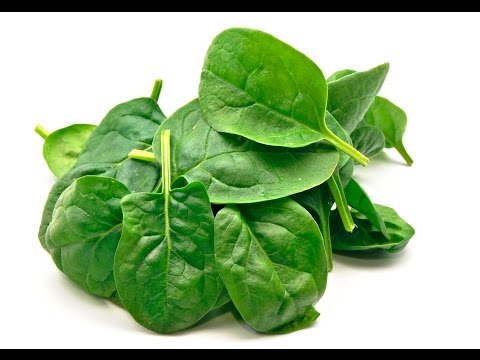
Vitamin K and Bone Health Benefits
In addition to supporting heart health, spinach is also beneficial for bone health due to its high content of vitamin K. Vitamin K is essential for bone mineralization and density, helping to reduce the risk of fractures and osteoporosis.
| Nutrient | Benefit | Daily Value (%) |
|---|---|---|
| Vitamin K | Supports bone mineralization | 840% |
| Potassium | Regulates blood pressure | 12% |
| Antioxidants | Protects against oxidative stress | N/A |
As shown in the table, spinach is an excellent source of vitamin K, providing over 800% of the daily recommended intake per cup cooked. This makes it an ideal food for supporting bone health.
Ways to Prepare Spinach and Include It in Your Diet
To enjoy the numerous health benefits of spinach, it’s essential to know how to prepare it correctly. Spinach is a versatile ingredient that can be incorporated into a variety of dishes, from salads and smoothies to cooked meals and sautéed sides.
How to Cook Spinach Properly
Cooking spinach is a straightforward process that helps retain its nutrients. To cook spinach, start by rinsing it thoroughly under cold water to remove any dirt or debris. Then, you can either sauté it in a pan with some olive oil and garlic or steam it until wilted. Steaming is a great way to preserve the nutrients in spinach, as it uses minimal water and heat.
When sautéing spinach, use medium heat and cook for about 2-3 minutes, or until it reaches your desired level of doneness. You can add a squeeze of lemon juice to enhance the flavor. For steaming, place the spinach in a steamer basket over boiling water, cover, and steam for 1-2 minutes until wilted.
Delicious Spinach Recipes to Try
Spinach can be used in a wide range of recipes, from simple salads to complex cooked dishes. Here are a few ideas to get you started:
Spinach Salad with Baby Spinach
A simple spinach salad made with baby spinach leaves, cherry tomatoes, and a light vinaigrette is a great way to enjoy spinach raw. You can also add other ingredients like sliced almonds, avocado, or grilled chicken to make it more substantial.
Cooked Spinach Dishes
Cooked spinach can be used in a variety of dishes, such as spinach quiche, spinach and feta stuffed chicken breasts, or as a side dish sautéed with garlic and lemon. Spinach and artichoke dip is another popular recipe that is easy to make and always a crowd-pleaser.
| Recipe | Main Ingredients | Preparation Time |
|---|---|---|
| Spinach Salad | Baby spinach, cherry tomatoes, vinaigrette | 10 minutes |
| Spinach Quiche | Spinach, eggs, cheese, pie crust | 45 minutes |
| Spinach and Artichoke Dip | Spinach, artichoke hearts, cream cheese, Parmesan | 20 minutes |
How to Store Fresh Spinach
To keep spinach fresh for longer, store it in a sealed container or plastic bag in the refrigerator. You can also wrap it in a damp paper towel to maintain humidity and prevent wilting. Fresh spinach typically lasts for 3 to 5 days when stored properly.
Raw Spinach vs Cooked Spinach: Nutritional Differences
Spinach is a versatile leafy green that can be enjoyed both raw and cooked, but the nutritional differences between the two forms are noteworthy.
When consumed raw, spinach retains its maximum amount of vitamins and minerals. Raw spinach is rich in vitamins A, C, and K, as well as minerals like iron and calcium. However, raw spinach contains oxalic acid, which can inhibit the absorption of these minerals.
Raw Spinach Contains Different Nutrient Levels
Raw spinach has higher levels of vitamin C and folate compared to cooked spinach. It is also lower in calories. However, the oxalic acid in raw spinach can reduce the body’s ability to absorb some of its nutrients.
The nutrient content of raw spinach makes it an excellent addition to salads and smoothies. One cup of raw spinach contains a negligible amount of calories but is rich in essential nutrients.
Spinach Is Available in Multiple Forms
Spinach is not limited to just raw or cooked; it is available in various forms, including frozen, canned, and powdered. Frozen spinach is just as nutritious as fresh spinach and can be a convenient alternative during off-seasons.
| Form of Spinach | Nutrient Retention | Convenience |
|---|---|---|
| Raw | High in vitamins C and K | Easy to add to salads |
| Cooked | Higher bioavailability of iron and calcium | Versatile in recipes |
| Frozen | Similar to fresh | Convenient year-round |
Which Is Better: Spinach Raw or Cooked?
Cooking spinach can enhance the bioavailability of some nutrients, such as iron and calcium, by breaking down oxalic acid. However, it can also lead to a loss of water-soluble vitamins like vitamin C and B vitamins.
The choice between raw and cooked spinach depends on your dietary needs. For maximum vitamin C intake, raw spinach is preferable. For better absorption of minerals like iron, cooked spinach is a better option.
Incorporating both raw and cooked spinach into your diet can provide a balanced intake of its various nutrients.
Side Effects of Eating Too Much Spinach
Spinach, although beneficial, can cause adverse effects when consumed in large quantities. While it’s a nutrient-dense food that offers numerous health benefits, overconsumption can lead to several health issues.
High Oxalate Content in Spinach
One of the primary concerns with excessive spinach consumption is its high oxalate content. Oxalates are naturally occurring compounds found in various foods, and spinach is particularly rich in them. While generally harmless in moderate amounts, high oxalate intake can be problematic for certain individuals.
Oxalates can bind to minerals like calcium, magnesium, and iron, potentially leading to nutrient deficiencies over time. This is particularly concerning for individuals with pre-existing mineral deficiencies or those who consume a diet lacking in essential minerals.
Kidney Stones and Oxalate Risk
A significant risk associated with high oxalate intake from spinach is the development of kidney stones. Kidney stones form when there’s an excessive concentration of certain substances, including oxalate, in the urine. Individuals prone to kidney stones or those with kidney disease should be cautious about their spinach consumption.
The risk is not limited to kidney stone formation; high oxalate levels can also contribute to other kidney problems. It’s essential for individuals with kidney issues to consult their healthcare provider about safe spinach consumption levels.
Potential Adverse Effects of Excessive Spinach Consumption
Eating too much spinach can lead to a range of adverse effects, from gastrointestinal issues to more severe health complications. Some individuals may experience digestive discomfort, including bloating, gas, or stomach cramps, due to the high fiber and oxalate content in spinach.
In rare cases, excessive spinach consumption might lead to more serious health issues, such as interference with certain medications or exacerbation of underlying health conditions. It’s crucial to maintain a balanced diet and not overconsume any single food item, including spinach.
How Much Spinach Should You Eat Every Day?
To reap the benefits of spinach, understanding the right daily consumption amount is essential. Spinach is rich in nutrients, and its consumption can significantly impact overall health. The daily intake can vary based on individual health needs and dietary preferences.
Recommended Intake of Spinach for Optimal Benefits
The recommended intake of spinach for optimal health benefits is generally considered to be around 1 cup fresh or 1/2 cup cooked per day. This amount provides a substantial boost of vitamins, minerals, and antioxidants without excessive calorie intake. Consuming this amount can support eye health, cardiovascular well-being, and provide anti-inflammatory benefits.
Eating spinach daily can be made easier by incorporating it into various meals. It can be added to salads, blended into smoothies, sautéed as a side dish, or mixed into pasta and rice dishes. The versatility of spinach makes it simple to meet the daily recommended intake.
When to Limit Your Spinach Consumption
While spinach is nutritious, there are situations where you might need to limit your spinach consumption. Individuals with kidney stone issues or those prone to oxalate stones should be cautious, as spinach contains oxalates. Additionally, people on certain medications, such as blood thinners, should consult their healthcare provider about their spinach intake due to its high vitamin K content.
Pregnant women and individuals with specific gastrointestinal issues may also need to monitor their spinach consumption. It’s always a good idea to consult with a healthcare professional or a dietitian to determine the right amount of spinach for your individual needs.
By being mindful of the optimal benefits and potential risks, you can enjoy spinach as part of a balanced diet.
Conclusion
Spinach is a nutrient-dense leafy green vegetable that offers numerous health benefits when consumed as part of a balanced diet. With its rich content of vitamins, minerals, and antioxidants, spinach supports overall health, from improving eye health and heart health to promoting strong bones.
Incorporating spinach into daily meals can be easy and delicious, whether it’s cooked or raw, and it can be added to a variety of dishes. While it’s essential to be aware of the potential side effects of excessive spinach consumption, such as the risk of kidney stones due to its high oxalate content, moderate intake can provide significant health benefits.
By understanding the nutritional value and health benefits of spinach, individuals can make informed choices about their diet and enjoy the advantages of this versatile and nutritious food.
FAQ
Why is spinach considered a powerhouse for bone health and blood clotting?
Spinach is an excellent source of Vitamin K, which is essential for maintaining strong bone health and ensuring proper blood clotting. According to the National Institutes of Health, getting enough of this vitamin helps the body process calcium more effectively. Additionally, spinach contains significant amounts of Vitamin C, Vitamin E, and folic acid, making it one of the most nutrient-dense leafy green vegetables you can add to your plate.
How does eating spinach help to improve eye health?
Spinach is high in two specific antioxidants: lutein and zeaxanthin. These compounds are known to improve eye health by protecting the eyes from damage caused by sunlight and reducing the risk of macular degeneration. Because spinach also contains high levels of Vitamin A, regular spinach consumption acts as a natural shield for your vision.
Is it better to eat spinach raw or cooked?
Both raw or cooked versions offer impressive health benefits, but the nutritional value changes slightly depending on your preparation. Raw spinach contains higher levels of Vitamin C, making it a great base for a spinach salad using baby spinach. However, when you cook spinach, you are able to consume a higher volume of spinach in one sitting, which increases your intake of spinach nutrients like iron, calcium, and Vitamin A. One cup of cooked spinach is often more nutrient-dense than a single cup of fresh spinach leaves.
Can spinach help with weight management and digestion?
Yes! Spinach is high in fiber, which is vital for digestive health and keeping you feeling full longer. Interestingly, spinach extract and the thylakoids found in spinach have been studied for their ability to curb cravings and suppress appetite. Whether you choose spinach and kale for a smoothie or a warm side dish, this green vegetable is a low-calorie way to stay satisfied.
Are there any adverse effects to eating too much spinach?
While the health benefits of spinach are vast, eating too much spinach may cause adverse effects for some people. Spinach contains high levels of oxalate, a compound that can contribute to the formation of kidney stones in individuals who are susceptible to them. If you have a history of kidney issues, you may want to monitor your spinach intake and consult a professional at a clinic like the Mayo Clinic for personalized advice.
How does spinach support heart health?
Spinach supports heart health primarily through its high potassium content. This nutrient helps the body manage the effects of sodium, which in turn helps regulate blood pressure. The antioxidant effects of the various vitamins present in spinach also help reduce inflammation in the cardiovascular system, keeping your heart functioning optimally.
What are the different types and varieties of spinach available at the store?
When shopping at retailers like Whole Foods Market or Safeway, you will likely find three main varieties of spinach: Savov (crinkly leaves), Flat-leaf (smooth leaves), and Semi-savoy. Baby spinach is simply flat-leaf spinach leaves harvested early for a sweeter, more tender taste. You can also find canned spinach or frozen options, which are convenient for recipes to try like soups or stews.
What is the best way to store spinach to keep it fresh?
To store spinach and maintain its nutritional value, keep it in a cool, dry place. Fresh spinach is highly perishable and should be kept in a breathable bag in the crisper drawer of your refrigerator. Avoid washing the leafy greens until you are ready to eat spinach, as excess moisture can cause the leaves to wilt and spoil more quickly.