





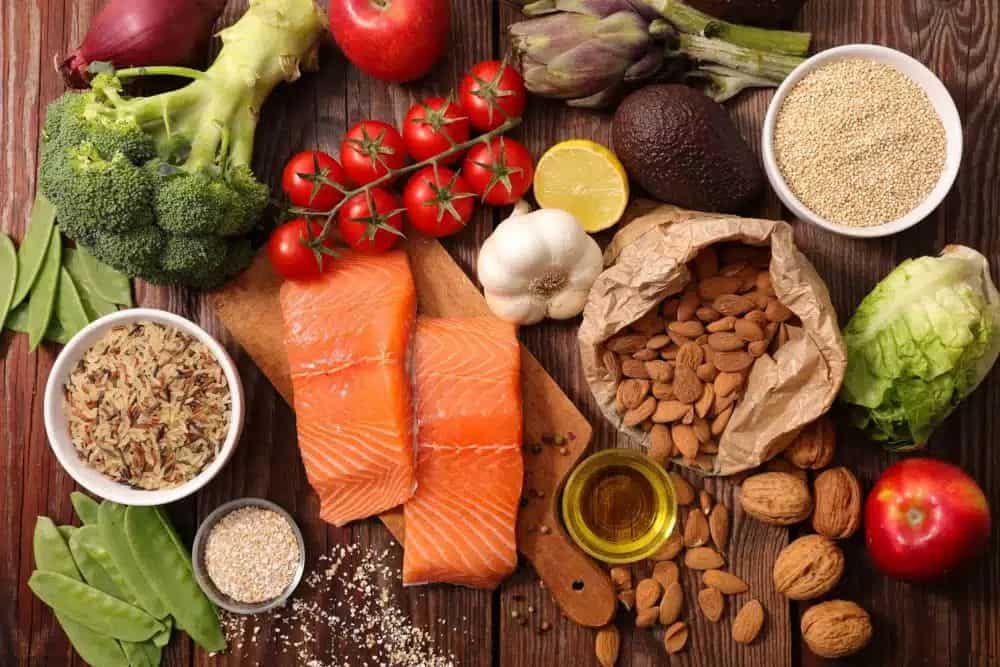

Testosterone levels naturally shift over time, and diet can play a small but meaningful role in supporting balance. A thoughtful diet and simple lifestyle changes can gently offer support without requiring drastic or restrictive eating patterns.
Boost your daily nutrient intake with a handful of these everyday foods that increase testosterone.
1. Fatty Fish and Fish Oil
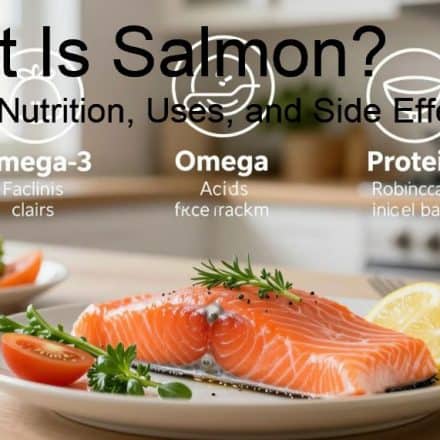
A diet rich in fatty fish and fish oil can increase natural testosterone levels, promoting libido. Fatty fish contains n-3 polyunsaturated fats (EPA and DHA) that promote luteinizing hormone-simulated testosterone synthesis in Leydig cells, and it also contains vitamin D, which supports testicular function.
In a cross-sectional study of 1545 Japanese men, those who consumed the most fatty and/or lean fish had higher serum testosterone levels than those who consumed less fish. Moreover, intake of fish oil supplements for more than 60 days was associated with a higher free testosterone/luteinizing hormone ratio in older males.
In addition to incorporating fatty fish into your diet, exercise regularly. Weight training boosts muscle mass, which helps raise natural testosterone, while getting plenty of sleep — 7-8 hours per night — can improve libido and support natural testosterone production. Additionally, avoid consuming foods or storing them in plastic containers that contain Bisphenol-A, as this chemical has been linked to decreased testosterone in some people.
2. Milk and Dairy Products
A diet low in dairy can lead to a loss of muscle and a decrease in testosterone. Milk is rich in testosterone-boosting vitamin D and is a source of protein. Dairy products like yogurt, cheese, and ice cream are also good sources of calcium, which can help support hormone balance.
Adding avocados, nuts, and seeds to the diet can provide healthy fats that may improve hormone levels. Avoid eating processed foods that contain trans-fats and sugar, which can disrupt normal hormone function.
Ginger has also been shown to increase testosterone in some studies. It is believed that the chemical zingerone in ginger can activate testosterone receptors.
A healthy, balanced diet can naturally increase testosterone. Incorporating fish oil, cruciferous vegetables, leafy greens, legumes, and foods that contain flavonoids, as well as eliminating unhealthy fats and sweets, can all help support healthy hormone levels. Getting enough sleep and exercising regularly can also help.
3. Legumes
Testosterone is important for bone and muscle health, energy, hair growth and sex drive in both women and men. It naturally decreases during puberty and throughout adulthood, but healthy testosterone levels can help reduce disease risk and promote overall well-being.
Legumes are plants from the Fabaceae (or Leguminosae) family, which also includes peas, lentils and beans. They are a nutritious staple in many diets around the world and provide complex carbohydrates, protein, vitamins, minerals and fiber. They are also a good source of plant-based dietary iron.
Legumes can be purchased fresh, dried or canned. Dried legumes require soaking overnight and are best cooked the following day. Canned legumes can be a convenient addition to soups, stews and salads. Many varieties of legumes contain symbiotic nitrogen-fixing bacteria that are beneficial to the soil. This can increase the availability of nitrogen, reducing the need for fertilizer. They are also a good source of soluble fiber and phytochemicals that can have anti-cancer properties.
4. Dark, Leafy Greens
A healthy, balanced diet can boost testosterone in both men and women. Certain foods, however, may contribute to low levels of this hormone. High-sugar intake, for example, is associated with insulin resistance and obesity, both of which can lower testosterone (Healthline Media, n.d).
A diet that includes leafy greens, such as spinach, kale and Swiss chard, can help boost testosterone naturally. These vegetables are rich in iron, magnesium and vitamins that support energy production and stamina. They also contain cruciferous veggies, such as broccoli and cauliflower, which may aid in the regulation of testosterone by inhibiting an enzyme that converts it to oestrogen.
In addition, cruciferous veggies are a good source of phytochemicals like indole-3-carbinol and vitamin E. Avocados are another food that can naturally boost testosterone levels because they are rich in healthy fats, including monounsaturated fatty acids, and vitamin E, as well as potassium and folate. Try adding these foods to your diet regularly.
5. Honey
Testosterone levels naturally shift over time, and diet can play a small but important role in supporting balance. Eating the right foods can encourage the body to produce testosterone, while avoiding certain foods may prevent or slow decline.
Honey, for example, contains boron, which has been linked to increased testosterone in some studies. It also offers antioxidant support and can improve blood flow, potentially boosting nitric oxide production. Adding 4 teaspoons of honey to the daily diet can boost serum and urinary testosterone by about 50%.
Ghee, clarified butter, is another source of healthy fats that may help maintain healthy hormone levels. It may also improve cholesterol levels and boost energy levels, making it a great addition to any balanced diet.
6. Onions
Onions contain the phenolic phytochemical quercetin, which may increase testosterone levels in humans. Studies show that quercetin activates 5’ AMP-activated protein kinase, a functional molecule that increases the production of testosterone in Leydig cells in the testes. Furthermore, quercetin enhances nitric oxide production, which increases blood flow to the testis and improves testosterone synthesis.
In addition, onion extract has been shown to boost luteinizing hormone (LH) in the body, which can support sperm production and testosterone levels. Further, onion extract has been shown to decrease oxidative damage in the testis and improve sperm motility.
These foods encourage the body to produce more Testosterone, but they alone are not enough to bring low levels up to the normal range for your age and sex. Other lifestyle factors are needed, including getting enough sleep and reducing stress. Other foods to include are pomegranates, fortified plant milks rich in vitamin D, leafy greens, fatty fish, and extra-virgin olive oil.
7. Eggs
Testosterone is essential for men to help maintain healthy muscle mass, bone density, and sex drive. It decreases naturally with age, but a balanced diet can encourage healthy testosterone levels. Certain foods, including oysters, leafy greens, fatty fish, and extra virgin olive oil can help.
Eggs are a great source of protein and contain vitamins that support hormone production and balance. The yolks also contain choline, which has been linked to healthy testosterone. Choline is a vitamin that can be obtained through a variety of foods, including leafy greens, nuts, and seeds.
Choosing foods that are rich in dietary fibre, omega-3 fatty acids, calcium, magnesium, zinc, and vitamin D can help support healthy hormones and testosterone. However, dietary changes alone may not be enough to treat low testosterone, so it is important to see a medical professional to discuss treatment options. This can include testosterone replacement therapy and weight loss treatments, such as the Volonte program.
8. Foods with Flavonoids
Testosterone levels naturally shift over time, and dietary changes can offer gentle support for hormone balance. Eating a range of everyday foods may help bring these levels closer to where they should be for your age and sex.
Cruciferous vegetables, like broccoli, kale, and cauliflower, contain compounds called glucosinolates that reduce estrogen dominance and encourage testosterone production. These foods are also high in magnesium, which helps regulate hormones.
Cocoa powder and cacao nibs are rich in flavonoids, which have been shown to increase testosterone. Try adding a scoop of cocoa powder to your morning smoothie or sprinkle cacao nibs on your breakfast cereal.
Eggs are a rich source of protein, and eggs have been linked to higher testosterone levels in some studies. They also contain healthy fats and cholesterol, both of which are important for hormone health. Choose free-range eggs, if possible.
9. Oysters
Oysters contain a high amount of zinc, which is a vital mineral for testosterone production. Zinc also helps with healthy sperm production and hormone balance in men. Other shellfish, including crab and lobster, are also great sources of zinc.
Eating a well-balanced diet that prioritizes whole foods can help support healthy testosterone levels. In addition, exercising regularly and avoiding excess alcohol and cigarettes can also contribute to normalized testosterone levels.
If you’re unsure of how to start eating more testosterone-boosting foods, try starting with small changes and gradually increasing your intake over time. You can even combine these foods for a greater impact! Start by making a simple mignonette with freshly minced shallot and cucumber, mixed with white wine vinegar and olive oil. Then add a squeeze of fresh lemon juice and some cracked pepper to taste. Lastly, finish off with a healthy handful of pomegranates. Yummy!