








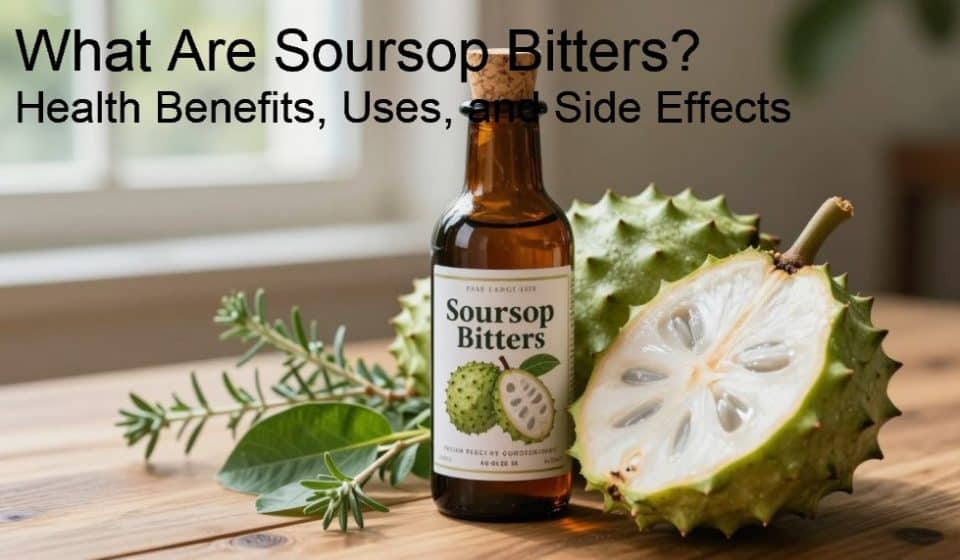

Many people today are turning toward natural supplements to support their daily wellness routines. Among these, Soursop Bitters have gained significant attention for their unique properties. These extracts are derived from a tropical fruit known for its rich nutritional profile.
Understanding the health benefits of this supplement is essential for anyone looking to integrate it into their lifestyle. By exploring the health benefits of soursop, we can better appreciate why this traditional remedy remains a popular choice in modern households.
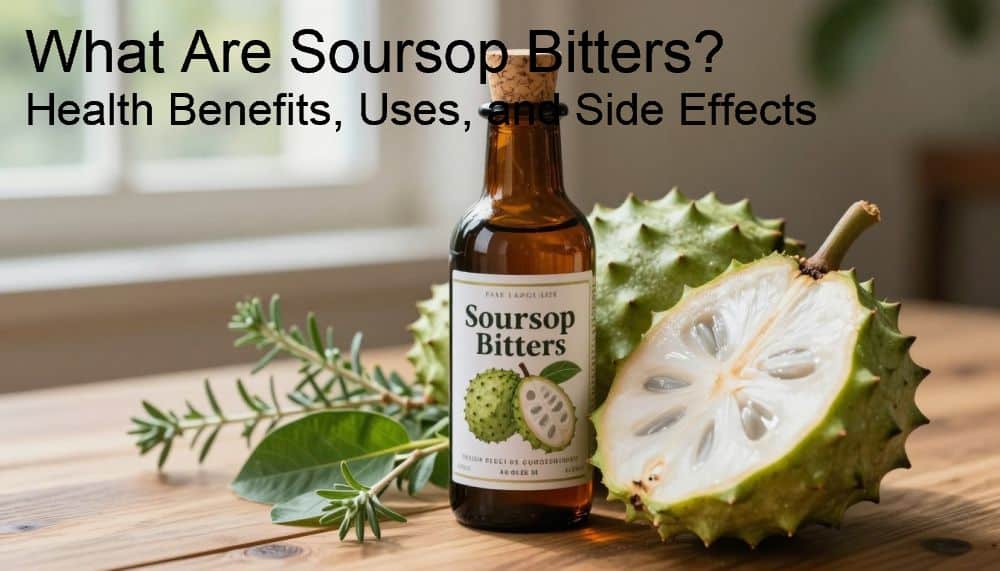
It is important to approach these supplements with a balanced perspective. While the benefits of soursop bitters are often highlighted, knowing how to prepare them safely is just as vital. We will examine the proper usage and necessary precautions to ensure you get the most out of your natural health journey.
Key Takeaways
- Soursop Bitters are increasingly popular in modern wellness routines.
- The product is derived from a nutrient-dense tropical fruit.
- Research highlights various potential advantages for overall well-being.
- Safe consumption requires understanding proper preparation and dosage.
- A balanced approach helps maximize the positive effects of natural supplements.
Understanding the Soursop Plant and Its Origins
Exploring the roots of the soursop plant reveals a fascinating journey from wild tropical forests to modern health cabinets. This remarkable tree thrives in the warm, humid climates of the Americas and the Caribbean, where it has been cherished for generations.
Because the soursop tree is a tropical fruit, it requires specific environmental conditions to flourish. It is not uncommon for enthusiasts to travel to these regions to find soursop in its most natural, potent state.
Botanical Background of Graviola or Guanabana
Scientifically classified as Annona muricata, the soursop is a fruit that belongs to the Annonaceae family. This evergreen tree is easily recognized by its large, glossy, dark green leaves and its distinctively spiky, heart-shaped exterior.
Inside the tough skin, you will find a soft, white, fibrous pulp that offers a unique sweet-tart flavor profile. Many researchers study the plant for its complex chemical composition, which makes it a subject of great interest in botanical science.
Cultural Significance in Tropical Regions
The soursop goes by many names depending on the local culture and geographic location. It is also known as graviola in Brazil and parts of the Caribbean, while many Spanish-speaking countries refer to it as guanabana.
“Nature provides us with powerful tools for wellness, and the graviola tree stands as a testament to the bounty found within our tropical landscapes.”
This fresh fruit remains a staple in many tropical diets, often used in juices, smoothies, and traditional herbal preparations. The following table highlights how this versatile plant is identified across different regions:
| Common Name | Primary Region | Culinary Use |
|---|---|---|
| Guanabana | Latin America | Beverages and Desserts |
| Graviola | Brazil | Teas and Extracts |
| Soursop | Caribbean | Fresh Fruit and Tonics |
What Are Soursop Bitters?
If you have ever wondered what makes Soursop Bitters a potent herbal supplement, the answer lies in their concentrated nature. Unlike standard fruit products, these bitters are a specialized extract derived from the leaves and fruit of the soursop plant. They offer a more intense profile of bioactive compounds than what you might find in a typical glass of juice.
The Process of Creating Herbal Bitters
The creation of this herbal preparation involves a careful maceration process. By soaking the plant material in a solvent, manufacturers can pull out specific compounds that are often lost during the production of standard soursop juice. This method ensures that the final product retains the most beneficial elements of the plant.
Because the process focuses on concentration, the resulting liquid is far more potent than the raw fruit. Many users prefer this extract because it provides a convenient way to consume the plant’s properties without needing to eat large quantities of the pulp. It is a refined approach to traditional botanical wellness.
Why the Bitter Taste Matters for Digestion
The bitter taste found in these preparations is not just a sensory experience; it serves a functional purpose. In traditional herbalism, bitter compounds are known to stimulate the digestive system. When your taste buds detect these specific flavors, they trigger a cascade of signals that prepare your body for digestion.
This natural response helps the body produce essential enzymes and bile, which are crucial for breaking down food. By incorporating bitters in soursop into your routine, you are essentially giving your system a gentle nudge to work more efficiently. This is why many people turn to these preparations to support their overall digestive health and comfort after meals.
Nutritional Profile and Bioactive Compounds
Soursop is much more than just a tropical fruit; it is a complex biological powerhouse. The overall profile of soursop reveals a dense concentration of nutrients that work together to support human physiology. Every compound within the plant contributes to its unique status in the world of natural health, as soursop contains a variety of elements that researchers are only beginning to fully understand.
High Vitamin C Content and Immune Support
One of the most notable aspects of this fruit is that it is high in vitamin c. This essential nutrient is vital for maintaining robust immune health throughout the year. By incorporating soursop extract into a balanced diet, individuals may provide their bodies with the necessary tools to defend against common environmental stressors.
Vitamin C acts as a powerful antioxidant that helps neutralize harmful molecules. The specific levels found in soursop make it a valuable addition for those looking to boost their natural defenses. Consistent intake supports the body’s ability to repair tissues and maintain overall vitality.
The Role of Phytochemicals and Flavonoids
Beyond basic vitamins, the plant is packed with specialized phytochemicals. These substances, including the well-known flavonoid groups, are responsible for many of the plant’s reported health properties. Scientists are particularly interested in how these elements interact with cancer cells in laboratory settings.
“Nature provides a vast pharmacy of compounds that, when studied with rigor, offer profound insights into human health and disease prevention.”
— Anonymous Researcher
Furthermore, soursop is rich in acetogenins, which are unique substances primarily located in the leaves and seeds. These phytochemicals in soursop are the subject of ongoing clinical interest due to their potent biological activity. The following table outlines the primary bioactive components that define the plant’s nutritional value.
| Compound Category | Primary Function | Key Benefit |
|---|---|---|
| Vitamin C | Antioxidant Support | Immune System Boost |
| Flavonoids | Cellular Protection | Reduced Oxidative Stress |
| Acetogenins | Bioactive Regulation | Targeted Cellular Health |
Potential Health Benefits of Soursop Bitters
The growing interest in Soursop Bitters stems from their reputation for supporting metabolic and cardiovascular health. Many individuals incorporate this herbal supplement into their daily routines to promote better health and vitality. By understanding the potential health benefits, you can make informed decisions about your wellness journey.
Managing Blood Sugar Levels
Maintaining stable blood sugar levels is a primary goal for those focused on long-term wellness. Research suggests that soursop may help support metabolic functions, which is vital for individuals managing chronic diseases. By stabilizing these levels, the extract acts as a supportive tool in a balanced lifestyle.
There are several ways that the benefits of soursop bitters contribute to metabolic balance:
- They may assist in regulating glucose absorption.
- Soursop extract may improve the body’s natural response to insulin.
- Regular use can help reduce the spikes often associated with processed diets.
Impact on Heart Health and Blood Pressure
Beyond metabolic support, the health benefits of soursop extend to the cardiovascular system. Many users find that soursop bitters may play a role in maintaining healthy blood pressure, which is essential for overall health. A strong heart is the foundation of a vibrant life, and natural compounds found in the plant are often studied for their protective qualities.
When considering the variety of health claims, it is clear that the plant offers significant value. Soursop benefits are often linked to the presence of unique phytochemicals that support arterial function. Incorporating these bitters into your routine is a simple way to prioritize your heart health and long-term well-being.
Supporting Digestive Health and Liver Function
Maintaining a healthy gut is essential for overall wellness, and soursop may play a surprising role in this process. Many individuals look for natural ways to improve their digestion, and soursop bitters may offer a unique solution. By supporting the body’s natural processes, these herbal extracts work to harmonize your internal systems.
Stimulating Bile Production for Better Digestion
The liver plays a critical role in processing fats and removing toxins from the system. One of the primary ways to maintain liver health by stimulating bile is through the use of bitter herbs. These compounds encourage the liver to release bile, which is necessary for breaking down dietary fats.
When you prioritize your health by stimulating bile production, you allow your system to function more efficiently. This process ensures that your gallbladder remains active and that your liver can perform its detoxification duties without unnecessary strain. Consistent support for these organs is a cornerstone of long-term wellness.
How Digestive Enzymes Aid Nutrient Absorption
Beyond liver support, the bitters in soursop are believed to stimulate the production of digestive fluids. This increase in the production of digestive enzymes is vital for breaking down complex food particles into usable energy. When your body has enough of these digestive enzymes, it can extract vitamins and minerals more effectively.
These bioactive compounds interact with the gastrointestinal tract to create an environment where soursop may help optimize nutrient uptake. Because of this, soursop may also support a more comfortable post-meal experience. By enhancing your natural enzymatic activity, you ensure that your body gets the most out of every meal you consume.
Anti-Inflammatory and Antioxidant Properties
Nature provides us with powerful tools to combat the hidden effects of daily environmental strain. The properties of soursop are highly regarded for their ability to support the body’s natural defense systems. By incorporating these herbal elements into your routine, you may provide your cells with the extra protection they need to thrive.
Combating Oxidative Stress and Free Radicals
Oxidative stress occurs when there is an imbalance between harmful molecules and the protective defenses in your system. These harmful molecules, known as free radicals, can damage healthy cells over time. Fortunately, the phytochemicals in soursop act as a shield to neutralize these threats.
Each antioxidant found in the plant works to stabilize unstable molecules before they cause lasting harm. This process is essential for maintaining cellular integrity. By reducing the impact of oxidative stress, these compounds help keep your internal environment balanced and healthy.
Reducing Chronic Inflammation in the Body
Persistent, low-level inflammation is often linked to many long-term health concerns. When the immune system stays on high alert, it can lead to various chronic diseases. The anti-inflammatory properties of this tropical fruit may help fight the root causes of this systemic issue.
A specific flavonoid or phytochemical profile allows the plant to soothe the body from within. These natural agents work to reduce inflammation effectively. Consistent use can help reduce the burden on your immune system, promoting better overall wellness.
| Compound Type | Primary Function | Health Impact |
|---|---|---|
| Antioxidants | Neutralize free radicals | Protects cell membranes |
| Flavonoids | Modulate immune response | Lowers systemic stress |
| Phytochemicals | Support tissue repair | Reduces chronic swelling |
Traditional Uses in Herbal Medicine
For centuries, the soursop tree has served as a cornerstone of natural healing across tropical landscapes. This remarkable plant, also known as graviola, goes by many names depending on the region. It has been traditionally used by indigenous communities to support overall wellness through various herbal preparations.
Historical Applications of Soursop Leaves and Pulp
In many cultures, the soursop leaves were frequently harvested to brew a potent soursop tea. This infusion was a common remedy intended to help reduce inflammation and soothe the body after a long day. Practitioners often valued the fruit pulp for its cooling nature and its ability to address digestive discomfort.
These ancient methods were passed down through generations as a primary form of traditional medicine. People relied on the natural properties of soursop to manage common ailments in their daily lives. By utilizing different parts of the tree, they created a holistic approach to health that respected the environment.
Modern Interpretations of Traditional Remedies
Today, the wisdom of the past is being re-examined through a contemporary lens. Many people who are used in traditional medicine are now seeking scientific validation for these age-old practices. This shift has led to a surge in interest regarding how guanabana can fit into a modern, health-conscious lifestyle.
Modern herbalists often combine these historical insights with current nutritional knowledge. They aim to bridge the gap between ancient folklore and today’s wellness standards. The following table highlights how these applications have evolved over time.
| Application Method | Historical Focus | Modern Focus |
|---|---|---|
| Leaf Infusions | General inflammation | Antioxidant support |
| Fruit Pulp | Digestive relief | Nutrient density |
| Bark/Root | Traditional tonic | Bioactive research |
Important Safety Considerations and Side Effects
Before you decide whether soursop is right for you, consider these vital safety warnings. While many people enjoy the natural properties of graviola, it is essential to remember that natural does not always mean risk-free. The Food and Drug Administration has not evaluated many of these herbal claims for safety or efficacy, meaning you should approach these supplements with caution.
Interactions with Blood Pressure Medication
One of the most significant concerns involves the use of soursop leaves alongside prescription drugs. If you are currently taking blood pressure medication, you must be extra careful. These supplements may cause your blood pressure to drop to dangerously low levels when combined with pharmaceutical treatments.
This interaction can lead to dizziness, fainting, or more severe cardiovascular complications. Always monitor your body closely if you choose to experiment with herbal extracts. If you notice any unusual symptoms, stop usage immediately and seek professional advice.
When to Consult Your Health Care Team
It is always a smart move to consult a doctor before using any new herbal supplement. Your health care team can review your current medical history to determine if these products are safe for your specific needs. They can help you identify if you should avoid soursop entirely based on your existing health conditions.
“Herbal supplements can be powerful tools, but they are not substitutes for professional medical guidance. Always prioritize transparency with your physician regarding every supplement you take.”
— Integrative Health Specialist
Open communication with your health care team ensures that you are not putting your well-being at risk. Do not assume that a product is safe just because it is widely available. Being proactive about your health is the best way to enjoy the benefits of nature safely.
| Condition | Risk Level | Action Required |
|---|---|---|
| High Blood Pressure | High | Consult Physician |
| Liver Concerns | Moderate | Medical Supervision |
| Pregnancy | High | Avoid Use |
Understanding the Risks of Annonacin and Neurotoxicity
While many people enjoy the benefits of tropical plants, it is vital to understand the potential risks associated with specific compounds. A significant concern regarding soursop extract is the presence of annonacin, a natural substance linked to potential neurotoxicity. Because this compound is potent, users should approach its consumption with a high level of awareness.
The Link Between Soursop and Parkinson’s Disease
Scientific studies show that soursop is rich in acetogenins, which are bioactive substances often studied for their effects on cancer cells. However, these same acetogenins can have unintended consequences on the human nervous system. Specifically, the high concentration of these substances found in soursop, particularly within the soursop seeds, has raised alarms among researchers.
Some evidence suggests that soursop extract may be linked to the development of Parkinson’s disease. Because soursop contains these powerful chemicals, long-term or high-dose intake could potentially damage nerve cells. It is essential to prioritize safety when integrating such potent herbal products into your daily routine.
Recognizing Symptoms Similar to Parkinson’s Disease
Excessive intake of certain plant extracts may cause health issues that mimic neurological conditions. Individuals should be vigilant for symptoms similar to Parkinson’s disease, such as tremors, muscle stiffness, or changes in movement. If you notice these signs, you should avoid soursop immediately and reach out to your health care team for a professional evaluation.
Always consult a doctor before using any new herbal supplement to ensure it does not interfere with your current health status. This is especially important if you are already taking blood pressure medication or other prescriptions. Being proactive about your health helps you avoid unnecessary risks while exploring natural wellness options.
| Safety Factor | Risk Level | Recommendation |
|---|---|---|
| Annonacin Content | High in seeds | Avoid seed consumption |
| FDA Status | Not regulated | Use with caution |
| Drug Interactions | Potential risk | Consult your doctor |
Best Practices for Consumption and Dosage
Navigating the profile of soursop involves balancing its nutritional perks with the need for caution. While this tropical fruit is high in vitamin c and offers unique health benefits, it is vital to prioritize safety. Understanding how to include it in your diet responsibly helps you avoid potential risks while enjoying its flavor.
Why You Should Eat or Use Soursop in Moderation
The primary reason to eat soursop in moderation is the presence of a compound called annonacin. This substance has been linked to neurotoxicity when consumed in high amounts over long periods. Because of this, you must be mindful of your intake to prevent health complications.
It is especially important to avoid consuming soursop seeds, as they contain higher concentrations of these potentially harmful compounds. Some studies suggest that excessive intake may lead to symptoms similar to parkinson’s disease. By limiting your exposure, you can enjoy the fruit without compromising your long-term neurological health.
Guidelines for Safe Daily Intake
When consuming soursop, consistency and portion control are your best tools. Whether you prefer a fresh cup of soursop or a small serving of soursop juice, keep your portions small. Never treat this fruit as a primary food source, but rather as an occasional supplement to a balanced diet.
If you are preparing soursop tea, ensure you use only the leaves and avoid any parts of the soursop plant that might contain concentrated toxins. Always monitor how your body reacts to these doses of soursop. If you are unsure about your specific needs, consult with a healthcare professional to determine if this fruit is appropriate for your personal health profile.
Conclusion
Soursop Bitters represent a fascinating intersection of nature and wellness. These extracts offer potential health benefits that range from supporting digestive health to providing a strong antioxidant shield against free radicals.
Many people value the traditional use of this plant in traditional medicine. It remains a staple in various cultures for its perceived soursop benefits. You might explore these options to improve your immune health or support heart health.
It is vital to eat soursop in moderation to protect your long-term well-being. Always monitor your doses of soursop to ensure your body reacts positively. When you use soursop, keep your healthcare provider informed about your routine.
Balancing the variety of health applications with safety awareness leads to better health outcomes. Managing oxidative stress requires a thoughtful approach to every supplement you choose. Prioritize your safety while you investigate the potential health benefits of this tropical extract.
We invite you to share your experiences with herbal remedies. Your journey toward wellness is personal and deserves careful attention. Stay curious and keep learning about the natural world.
FAQ
What exactly is soursop and where does it come from?
Soursop is a fruit that comes from the soursop tree (*Annona muricata*), a tropical fruit tree native to the Caribbean and Central America. It goes by many names, including graviola or guanabana. The soursop plant is traditionally used in various cultures for both its delicious pulp and its bioactive properties found in the soursop leaves and seeds.
What are the primary health benefits of soursop bitters?
The benefits of soursop bitters are wide-ranging. This herbal preparation is often used to support digestive health and enhance immune health. Because soursop contains high levels of vitamin C, it helps the body’s natural defenses. Many people find that the bitters in soursop help with better health by acting as a tonic for the entire system.
How do soursop bitters help with digestion?
Soursop bittersmay support the digestive system by utilizing their naturally bitter taste to stimulate the production of digestive enzymes. This process can improve digestion and liver health by stimulating bile production, which is essential for breaking down fats. Using soursop extract may also help soothe the gastrointestinal tract and improve nutrient absorption.
Can soursop help manage blood sugar levels?
Studies show that soursop may help regulate blood sugar levels, making it a point of interest for those concerned with metabolic balance. The phytochemicals in soursop work to support the body’s natural insulin response. However, if you are managing chronic diseases, you should always consult a doctor before using it as a supplement.
What makes soursop effective against oxidative stress?
Soursop is rich in acetogenins, flavonoids, and other phytochemical compounds that act as a potent antioxidant. These compounds help neutralize free radicals in the body, which helps reduce inflammation and protect cells from oxidative stress. These anti-inflammatory properties are a key reason why soursop is so highly valued in traditional medicine.
Are there any risks or side effects I should know about?
While there are many potential health benefits, consuming soursop in high doses can be risky. The plant contains a compound called annonacin, which is a neurotoxin. Some research suggests that excessive doses of soursop can lead to neurotoxicity and symptoms similar to Parkinson’s disease. For this reason, it is vital to eat soursop in moderation and avoid soursop seeds, which have the highest concentration of these toxins.
Can soursop bitters interact with my medications?
Yes, soursop extract can interact with certain prescriptions, especially blood pressure medication and diabetes drugs. Because soursop may naturally lower blood pressure and blood sugar, combining it with medication could cause those levels to drop too low. Always speak with your health care team before adding soursop tea or bitters to your routine.
Does soursop really help fight cancer cells?
There is significant interest in how certain acetogeninsfound in soursop may interact with cancer cells in laboratory settings. While some studies show promising bioactive activity, the Food and Drug Administration has not approved soursop as a treatment for cancer. It is best used as a part of a variety of health-conscious lifestyle choices rather than a primary medical treatment.
How should I include soursop in my daily routine safely?
To enjoy the soursop benefits safely, it is best to use soursop as a supplemental treat rather than a primary food source. You might enjoy a small cup of soursop tea made from the leaves or a moderate serving of soursop juice from brands like Goya. The golden rule is to eat soursop in moderation to ensure you get the nutritional profile of soursop without the risks associated with overconsumption.
Where can I find soursop products?
You can find soursop in many forms. Fresh fruit is often available in international markets, while soursop extract, soursop bitters, and tea bags are commonly sold at health food stores like Sunfood Superfoods or through online retailers like iHerb. Whether you choose the juice or a concentrated extract, always check the label for purity.