









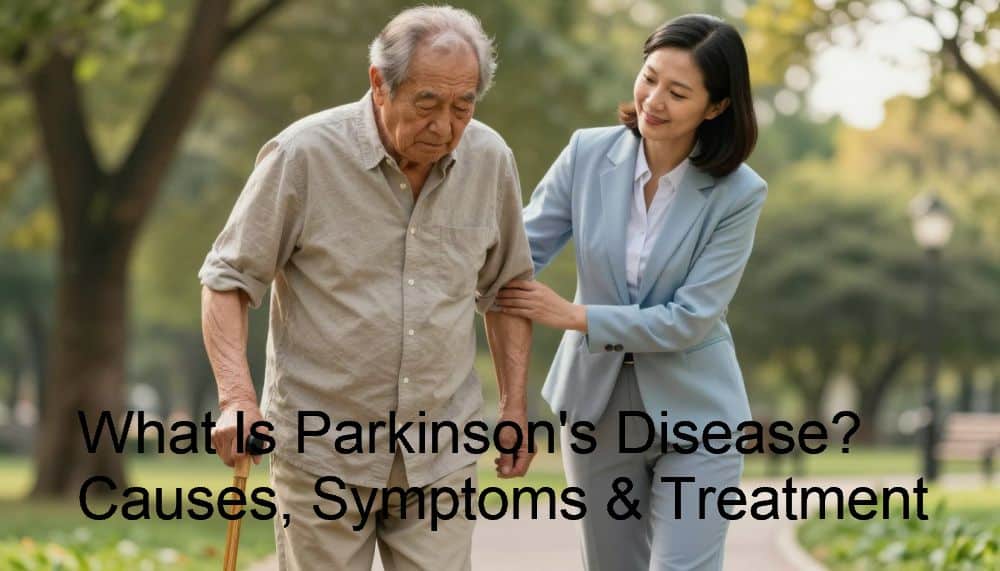

Learning about a neurological disorder can feel quite overwhelming at first. This condition slowly affects how the brain controls your muscles and daily movement. Many people in the United States look for clear answers when they notice small changes in their physical health.
The main causes involve a drop in dopamine levels within the deep parts of the brain. While there is no single medical test for it, doctors look for specific symptoms like tremors or muscle stiffness. Modern treatment options help many individuals live active and fulfilling lives today.
It is vital to understand that a parkinson disease diagnosis is not a journey you must take alone. Support groups and local medical teams provide excellent care for those living with the parkinson condition. By focusing on early signs, families can find the best path forward together.
Key Takeaways
- It is a progressive brain condition affecting motor skills.
- Low dopamine levels are the primary cause of movement issues.
- Common early signs include tremors, stiffness, and balance problems.
- Therapies and medications significantly improve daily quality of life.
- Medical experts use clinical exams to create personalized care plans.
- Early intervention helps manage long-term health more effectively.
Understanding Parkinson’s Disease
Understanding the intricacies of Parkinson’s Disease is crucial for those affected by this neurological disorder. It is a condition that not only affects movement but also has a wide range of non-motor symptoms.
Defining the Neurological Disorder
Parkinson’s Disease is characterized by the degeneration of nerve cells in the brain, particularly in the substantia nigra region. This degeneration leads to a deficiency in dopamine production, a neurotransmitter essential for controlling movement and coordination.
The disease is classified as a neurological disorder due to its impact on the brain and nervous system. It manifests through various motor and non-motor symptoms, complicating the diagnosis and treatment process.
The Prevalence of Parkinson’s in the United States
The prevalence of Parkinson’s Disease in the United States is significant, with approximately 1 million people living with the condition. This number is expected to rise as the population ages.
| Age Group | Prevalence Rate |
|---|---|
| 65-69 years | 1 in 100 |
| 70-74 years | 1 in 50 |
| 80 years and older | 1 in 20 |
As shown in the table, the prevalence of Parkinson’s Disease increases with age, highlighting the need for awareness and understanding among the elderly population and their caregivers.
By understanding Parkinson’s Disease, including its definition as a neurological disorder and its prevalence in the United States, we can better support people with Parkinson’s Disease and work towards improving their quality of life.
The Biological Mechanisms of Parkinson’s Disease
The biological mechanisms underlying Parkinson’s Disease involve complex interactions within the brain that ultimately lead to the characteristic symptoms of the condition. This section will explore the key biological factors contributing to Parkinson’s, including the role of dopamine, the degeneration of nerve cells in the substantia nigra, and the presence of Lewy bodies.
The Role of Dopamine in the Brain
Dopamine is a crucial neurotransmitter in the brain that plays a significant role in controlling movement and coordination. In Parkinson’s Disease, the production of dopamine is impaired due to the degeneration of dopamine-producing nerve cells. This impairment leads to the hallmark symptoms of Parkinson’s, such as tremors, stiffness, and slowed movement.
The dopamine system in the brain is complex, involving multiple pathways and interactions with other neurotransmitters. Understanding the role of dopamine in Parkinson’s Disease is essential for developing effective treatments that target this system.
The Substantia Nigra and Nerve Cell Degeneration
The substantia nigra is a region in the brain that is particularly affected in Parkinson’s Disease. This area is responsible for producing dopamine, and the degeneration of nerve cells here is a key factor in the disease’s progression. The loss of dopamine-producing cells leads to a decrease in dopamine levels, contributing to the motor symptoms associated with Parkinson’s.
Research has shown that the degeneration of nerve cells in the substantia nigra is a gradual process that can begin years before the onset of noticeable symptoms. Understanding this process is crucial for early diagnosis and intervention.
| Region | Function | Impact of Degeneration |
|---|---|---|
| Substantia Nigra | Produces dopamine | Leads to motor symptoms |
| Dopamine Pathways | Controls movement and coordination | Results in tremors and stiffness |
| Lewy Bodies | Abnormal protein clumps | Associated with disease progression |
The Presence of Lewy Bodies
Lewy bodies are abnormal clumps of protein that are found in the brains of individuals with Parkinson’s Disease. These clumps are composed primarily of alpha-synuclein protein and are a hallmark of the disease. The presence of Lewy bodies is used as a diagnostic marker, and research suggests that they play a role in the disease’s progression.
The exact role of Lewy bodies in Parkinson’s Disease is still under investigation. However, it is believed that they contribute to the degeneration of nerve cells and the overall pathology of the disease.
Identifying the Early Signs and Symptoms
Early signs of Parkinson’s Disease can be elusive, but being aware of the subtle changes in movement and other symptoms can lead to earlier diagnosis and treatment. Recognizing these signs is crucial for managing the condition effectively.
Recognizing Subtle Changes in Movement
The initial signs of Parkinson’s often include subtle changes in movement, such as a slight tremor in one hand or a feeling of stiffness in the limbs. These movement disorders can be easy to overlook, but they are critical indicators of the disease’s onset.
- Tremors or shaking, especially when the limb is at rest
- Bradykinesia, or slowness of movement
- Rigidity, or stiffness in the muscles
Early Non-Motor Indicators
In addition to movement changes, Parkinson’s Disease can also manifest through non-motor symptoms. These can include mood changes, sleep disturbances, and cognitive issues.
“Non-motor symptoms can precede the motor symptoms of Parkinson’s Disease by years, making early diagnosis challenging but not impossible.”
Some common non-motor indicators include:
- Loss of smell (anosmia)
- Constipation
- Mood disorders, such as depression and anxiety
When to Consult a Neurologist
If you or a loved one is experiencing any of these early signs and symptoms, it is essential to consult a neurologist. Early diagnosis and intervention can significantly impact the quality of life for individuals with Parkinson’s Disease.
A neurologist can provide a comprehensive evaluation and recommend appropriate treatment options. Don’t hesitate to seek medical advice if you notice any unusual changes.
Motor Symptoms and Their Impact on Daily Life
One of the primary characteristics of Parkinson’s Disease is the presence of motor symptoms that affect movement and balance. These symptoms can significantly impact an individual’s quality of life, making everyday tasks challenging.
The motor symptoms associated with Parkinson’s Disease are diverse and can vary in severity. Understanding these symptoms is crucial for managing the condition effectively.
Understanding Tremors and Involuntary Movements
Tremors are one of the most recognizable motor symptoms of Parkinson’s Disease. They are characterized by involuntary movements, often beginning in one limb, such as a hand or finger. These tremors can be embarrassing and disrupt daily activities.
Involuntary movements, or dyskinesia, can also occur, particularly in response to medication. Managing these movements is a key aspect of treating Parkinson’s Disease.
Bradykinesia and Muscle Rigidity
Bradykinesia, or slowness of movement, is another significant motor symptom. It can make routine tasks, such as dressing or eating, difficult and time-consuming. Muscle rigidity adds to this challenge, causing stiffness and discomfort.
Together, bradykinesia and muscle rigidity can severely impact a person’s ability to perform daily activities, affecting their independence.
Postural Instability and Balance Issues
Postural instability is a critical motor symptom that affects balance and coordination. It increases the risk of falls, which can lead to serious injuries.
Balance issues can be particularly problematic, as they not only affect mobility but also contribute to a fear of falling, further limiting a person’s willingness to engage in physical activities.
Non-Motor Symptoms Often Overlooked
Beyond the well-known motor symptoms, Parkinson’s Disease is also characterized by a range of non-motor symptoms that can significantly affect patients’ daily lives. These symptoms, while less visible, are crucial in determining the overall well-being of individuals with the condition.
Cognitive Changes and Mood Disorders
Cognitive changes and mood disorders are common non-motor symptoms of Parkinson’s Disease. Cognitive decline can range from mild cognitive impairment to dementia, affecting memory, attention, and executive functions. Mood disorders, including depression and anxiety, are also prevalent, impacting the quality of life for patients.
Depression is a significant concern, affecting a substantial proportion of individuals with Parkinson’s. It can manifest as sadness, loss of interest, or changes in appetite and sleep patterns. Anxiety disorders, too, are common, often presenting as generalized anxiety, panic attacks, or social anxiety.
Sleep Disturbances and Fatigue
Sleep disturbances are another critical aspect of non-motor symptoms in Parkinson’s Disease. Patients often experience insomnia, restless legs syndrome, or REM sleep behavior disorder. Fatigue is also a pervasive complaint, contributing to decreased productivity and overall quality of life.
Sleep disturbances can be multifactorial, resulting from a combination of Parkinson’s Disease pathology, medication side effects, and comorbid conditions. Addressing these issues is essential for improving the patient’s overall condition.
Autonomic Nervous System Dysfunction
Dysfunction of the autonomic nervous system is a significant non-motor symptom of Parkinson’s Disease. This can manifest as orthostatic hypotension, urinary dysfunction, constipation, and sexual dysfunction. Orthostatic hypotension, in particular, can lead to dizziness and falls, further complicating the patient’s condition.
| Non-Motor Symptom | Description | Impact on Quality of Life |
|---|---|---|
| Cognitive Changes | Mild cognitive impairment to dementia | Affects memory, attention, and daily functioning |
| Mood Disorders | Depression, anxiety | Impacts mental health and overall well-being |
| Sleep Disturbances | Insomnia, restless legs syndrome | Leads to fatigue, decreased productivity |
| Autonomic Dysfunction | Orthostatic hypotension, urinary issues | Causes dizziness, falls, and decreased independence |
Exploring the Causes and Risk Factors
Research into Parkinson’s Disease has highlighted a multifaceted interplay of genetic, environmental, and demographic factors. While the exact cause remains elusive, understanding these elements can provide valuable insights into the disease’s mechanisms and potential prevention strategies.
Genetic and Environmental Interplay
The development of Parkinson’s Disease is believed to result from a combination of genetic predisposition and exposure to environmental toxins. Genetic factors can affect an individual’s susceptibility to the disease, with certain mutations increasing the risk. Meanwhile, environmental exposures, such as pesticides and heavy metals, have been linked to an increased likelihood of developing Parkinson’s.
Studies have shown that individuals with a family history of Parkinson’s are more likely to develop the disease, underscoring the role of genetics. However, not everyone with a genetic predisposition will develop Parkinson’s, suggesting that environmental factors also play a crucial role.
Age and Gender as Risk Factors
Age is a significant risk factor for Parkinson’s Disease, with the majority of cases diagnosed in individuals over the age of 60. The risk continues to increase with age, indicating a potential link between aging processes and the disease’s onset.
Gender also appears to influence the risk, with men being more likely to develop Parkinson’s than women. The reasons for this disparity are not fully understood but may relate to differences in lifestyle, hormonal factors, or genetic susceptibility.
Research into Potential Triggers
Ongoing research is focused on identifying potential triggers for Parkinson’s Disease, including environmental toxins and lifestyle factors. Epidemiological studies are investigating the role of factors such as diet, exercise, and exposure to certain chemicals in the development of the disease.
Understanding these triggers could lead to the development of preventive strategies and more effective treatments. As research continues to uncover the complex interplay of factors contributing to Parkinson’s, the potential for improving patient outcomes grows.
The Stages of Parkinson’s Disease Progression
The progression of Parkinson’s Disease is characterized by a series of stages, each with unique challenges. As the disease advances, the symptoms and their impact on the patient’s quality of life change significantly.
Early Stages
In the early stages of Parkinson’s Disease, symptoms are typically mild and may not significantly interfere with daily activities. Patients might experience slight tremors, stiffness, or slowness of movement, but these symptoms can often be managed with medication and lifestyle adjustments.
Early diagnosis and intervention can significantly improve the quality of life for individuals with Parkinson’s. Recognizing the early signs and seeking medical attention is crucial for slowing down the disease’s progression.
Mid-Stage Challenges
As Parkinson’s Disease progresses to its mid-stage, symptoms become more pronounced and start to affect daily life more noticeably. Motor symptoms such as tremors, rigidity, and bradykinesia (slowness of movement) become more evident, making everyday tasks more challenging.
During this stage, patients may also experience non-motor symptoms like mood changes, sleep disturbances, and cognitive issues. Adjusting treatment plans and incorporating physical therapy can help manage these symptoms and improve the patient’s functionality.
Advanced Stages
In the advanced stages of Parkinson’s Disease, patients often experience significant motor and non-motor symptoms that can lead to increased dependency on caregivers. Advanced motor symptoms include severe tremors, difficulty with walking, and postural instability, increasing the risk of falls.
At this stage, comprehensive care and support are essential to maintain the patient’s quality of life. This may involve a multidisciplinary team of healthcare professionals, including neurologists, physical therapists, and social workers.
Diagnostic Procedures and Challenges
Diagnosing Parkinson’s Disease involves a multifaceted approach since no single definitive test exists. This complexity necessitates a comprehensive evaluation by healthcare professionals.
No Single Test for Diagnosis
The absence of a definitive test for Parkinson’s Disease makes its diagnosis particularly challenging. Clinical diagnosis relies heavily on medical history, symptoms, and physical examination.
Several diagnostic tools and techniques are employed to support the diagnosis, including:
- Medical history review
- Neurological examination
- Imaging tests (e.g., MRI, DaTSCAN)
Differentiating Parkinson’s from Similar Conditions
Parkinson’s Disease shares symptoms with other neurological disorders, making differential diagnosis crucial. Conditions such as essential tremor, multiple system atrophy, and progressive supranuclear palsy can present with similar symptoms.
A thorough clinical evaluation is necessary to distinguish Parkinson’s Disease from these conditions.
The Importance of Clinical Evaluation
A comprehensive clinical evaluation is the cornerstone of diagnosing Parkinson’s Disease. This involves assessing motor symptoms, non-motor symptoms, and the patient’s response to medication.
The following table highlights key factors considered during a clinical evaluation:
| Evaluation Criteria | Description | Relevance to Diagnosis |
|---|---|---|
| Motor Symptoms | Tremors, rigidity, bradykinesia, postural instability | Primary indicators of Parkinson’s Disease |
| Non-Motor Symptoms | Cognitive changes, mood disorders, sleep disturbances | Supports diagnosis and assesses disease impact |
| Response to Medication | Patient’s response to dopaminergic medications | Confirms diagnosis by demonstrating improvement |
By combining these factors, healthcare providers can make an accurate diagnosis and develop an effective treatment plan.
Current Treatment Options and Medication
Effective management of Parkinson’s Disease involves understanding the available treatment options and tailoring them to individual patient needs. While there is currently no cure for Parkinson’s, various medications and strategies can significantly improve the quality of life for those affected.
Levodopa and Dopamine Agonists
Levodopa remains the gold standard in Parkinson’s Disease treatment. It is converted into dopamine in the brain, thereby increasing dopamine levels and alleviating symptoms. Levodopa is often administered in combination with carbidopa to prevent its conversion to dopamine outside the brain, reducing side effects like nausea.
Dopamine agonists, such as pramipexole and ropinirole, mimic the action of dopamine in the brain. They are often used alongside levodopa to enhance its effectiveness or as an alternative for early-stage patients to delay the initiation of levodopa therapy.
Strategies to Manage Symptoms Effectively
Managing Parkinson’s Disease symptoms requires a multifaceted approach. Physical therapy can help maintain mobility and balance, while occupational therapy assists patients in performing daily activities. Speech therapy may also be beneficial for those experiencing speech difficulties.
“A comprehensive treatment plan that includes medication, physical therapy, and lifestyle adjustments can significantly improve the quality of life for Parkinson’s patients.”
Dr. Jane Smith, Neurologist
Adjusting Treatment Plans Over Time
As Parkinson’s Disease progresses, treatment plans often need to be adjusted. This may involve changing the dosage of medications, adding new medications, or exploring alternative therapies. Regular follow-ups with healthcare providers are crucial to optimize treatment efficacy and manage side effects.
- Regular monitoring of symptom progression
- Adjusting medication dosages as needed
- Considering alternative therapies like deep brain stimulation for advanced cases
By adopting a flexible and responsive approach to treatment, patients with Parkinson’s Disease can experience improved symptom management and a better quality of life.
Surgical Interventions and Emerging Therapies
Surgical interventions, including deep brain stimulation, are providing new hope for those with Parkinson’s disease who are not responding well to medication. As the disease progresses, the effectiveness of medication can wane, and symptoms can become more severe. In such cases, surgical options can offer significant relief.
Deep Brain Stimulation Explained
Deep brain stimulation (DBS) is a surgical procedure that involves implanting electrodes in specific areas of the brain. These electrodes emit impulses that modulate brain activity, helping to reduce Parkinson’s symptoms such as tremors, stiffness, and bradykinesia. DBS is particularly effective for individuals experiencing motor fluctuations and dyskinesia due to long-term levodopa use.
The procedure involves several steps, including detailed brain mapping to identify the optimal target for electrode placement. The surgery is typically performed under local anesthesia, allowing patients to provide feedback during the procedure. Post-surgery, the stimulation settings are adjusted to optimize symptom control.
New Treatments and Clinical Trials
Emerging therapies for Parkinson’s disease are being explored in various clinical trials. These include gene therapies aimed at modifying the disease’s genetic underpinnings, and cell-based therapies that seek to replace damaged dopamine-producing neurons. One promising area of research involves the use of stem cells to regenerate nigrostriatal dopamine neurons.
Other innovative approaches include the development of new pharmacological agents that target different pathways involved in Parkinson’s disease pathology. For instance, drugs that modulate the adenosine A2A receptor have shown potential in managing motor symptoms.
| Therapy Type | Description | Potential Benefits |
|---|---|---|
| Gene Therapy | Aims to modify genes involved in Parkinson’s disease | Potential to slow or halt disease progression |
| Cell-Based Therapy | Replaces damaged dopamine-producing neurons | Improved motor function and reduced symptoms |
| A2A Receptor Modulators | Targets adenosine A2A receptors to manage motor symptoms | Enhanced motor control and reduced dyskinesia |
Lifestyle Adjustments to Support Medical Care
Lifestyle adjustments play a crucial role in supporting medical care for individuals with Parkinson’s disease. Regular exercise, such as walking or tai chi, can help maintain mobility and balance. A balanced diet that includes foods rich in antioxidants and omega-3 fatty acids can support overall health.
Additionally, stress management techniques, such as meditation or yoga, can help mitigate the psychological impact of the disease. It’s also important for patients to stay connected with family and friends, as social support is vital for emotional well-being.
Conclusion
Living with Parkinson’s Disease requires a comprehensive approach to managing its symptoms and maintaining quality of life. As discussed, understanding the biological mechanisms, recognizing early signs, and exploring treatment options are crucial steps in this journey.
Managing Parkinson’s effectively involves a combination of medical treatments, lifestyle adjustments, and support systems. From medication and surgical interventions to emerging therapies, various strategies can help alleviate symptoms and improve daily life.
For those affected by Parkinson’s Disease, staying informed and connected with healthcare professionals is vital. By doing so, individuals can better navigate the challenges of the condition and make informed decisions about their care.
Ultimately, while Parkinson’s Disease presents significant challenges, a proactive and supportive approach can make a substantial difference in managing the condition and enhancing overall well-being.
FAQ
What exactly is Parkinson’s disease and how does it affect the body?
Parkinson’s disease is a progressive neurological movement disorder that primarily affects the nervous system. It occurs when nerve cells in the brain, specifically in an area called the substantia nigra, become impaired or die. These brain cells are responsible for producing dopamine, a chemical messenger that coordinates smooth muscle movement. As dopamine levels drop, it leads to the main symptoms like tremors and stiffness that many people with Parkinson’s disease experience.
What are the most common early symptoms of Parkinson’s disease to watch for?
The early signs can be quite subtle and are often overlooked. Some of the early symptoms of Parkinson’s disease include a slight tremor in a finger or hand, a loss of smell, or “micrographia,” where a person’s handwriting becomes much smaller. Other early stages of the disease might involve a “masked face” (a serious expression) or slight limb stiffness. Recognizing these signs and symptoms early can help you work with a doctor to create a treatment plan sooner.
What is the role of dopamine in the brain for those living with Parkinson’s?
Dopamine in the brain acts as a vital messenger for the part of the brain that controls movement and coordination. In Parkinson’s disease, the nerve cells that produce this chemical begin to degenerate. When dopamine levels decrease, the brain can no longer send effective signals to the muscles, leading to motor symptoms such as involuntary movements, muscle rigidity, and bradykinesia (slowness of movement).
What are Lewy bodies and why are they associated with Parkinson’s disease?
Lewy bodies are abnormal clumps of a protein called alpha-synuclein that develop inside nerve cells in the brain. These microscopic deposits are a hallmark of the condition and are closely associated with Parkinson’s disease and its progression. Researchers believe these protein clumps play a significant role in the damage to brain cells, contributing to both movement symptoms and non-motor symptoms like cognitive changes.
Can you explain the different stages of Parkinson’s disease progression?
Because the disease is a progressive condition, it is often categorized into stages of the disease. In the early stages, symptoms of the disease are mild and usually don’t interfere with daily life. As the disease progresses, a person enters the mid-stage, where balance issues and bradykinesia become more prominent. In the advanced stages of Parkinson’s disease, people living with Parkinson’s may require significant assistance with daily activities as PD symptoms become more severe.
What are the primary causes and risk factors for developing the condition?
While the exact cause remains unknown, experts believe it stems from a combination of genetic and environmental factors. Certain genetic mutations can increase the risk of Parkinson’s disease, but these are rare. Environmental factors, such as exposure to specific toxins or pesticides, are also considered possible causes. Age is a major factor, as early-onset Parkinson’s is less common than the form that typically affects people over the age of 60.
What current treatment options are available to help manage symptoms?
While there is currently no cure for Parkinson’s disease, there are many ways to manage symptoms and improve quality of life. The most common treatment of Parkinson’s disease involves medications like Levodopa, which the brain converts into dopamine. Other treatment options include dopamine agonists and deep brain stimulation (DBS), a surgical procedure that uses implanted electrodes to reduce symptoms like tremors and rigidity.
Are there non-motor symptoms that I should be aware of?
Yes, living with Parkinson’s disease often involves more than just movement symptoms. Many people with Parkinson’s experience non-motor symptoms, including sleep disturbances, fatigue, depression, and anxiety. Autonomic issues, such as constipation or low blood pressure when standing, are also common symptoms of Parkinson’s disease. Organizations like the Parkinson’s Foundation emphasize the importance of addressing these “hidden” symptoms as part of a comprehensive care strategy.
Is it possible for other conditions to have symptoms similar to Parkinson’s?
Absolutely. There are several conditions, often referred to as “Parkinsonisms,” that present with similar symptoms. For example, Multiple System Atrophy (MSA) or Progressive Supranuclear Palsy (PSP) can cause tremors and balance issuessymptoms similar to those of PD. Because there is no single definitive test, a thorough clinical evaluation by a neurological specialist is necessary to ensure an accurate diagnosis and appropriate treatment plan.
How can lifestyle changes help control symptoms as the disease progresses?
Beyond medication, lifestyle adjustments are vital to control symptoms. Regular physical therapy and exercise are highly effective in maintaining balance and flexibility. Occupational therapy can help people with Parkinson’s disease adapt their daily routines. Staying informed through resources like the Parkinson’s Foundation and participating in clinical trials for new treatments can also empower those living with Parkinson’s to take an active role in their healthcare journey.