

You might recognize the vibrant yellow color from your favorite curry dishes at local restaurants. This golden spice, known as turmeric, has been a staple in traditional medicine for thousands of years. Today, modern science is finally catching up with ancient wisdom by studying its impressive health benefits.

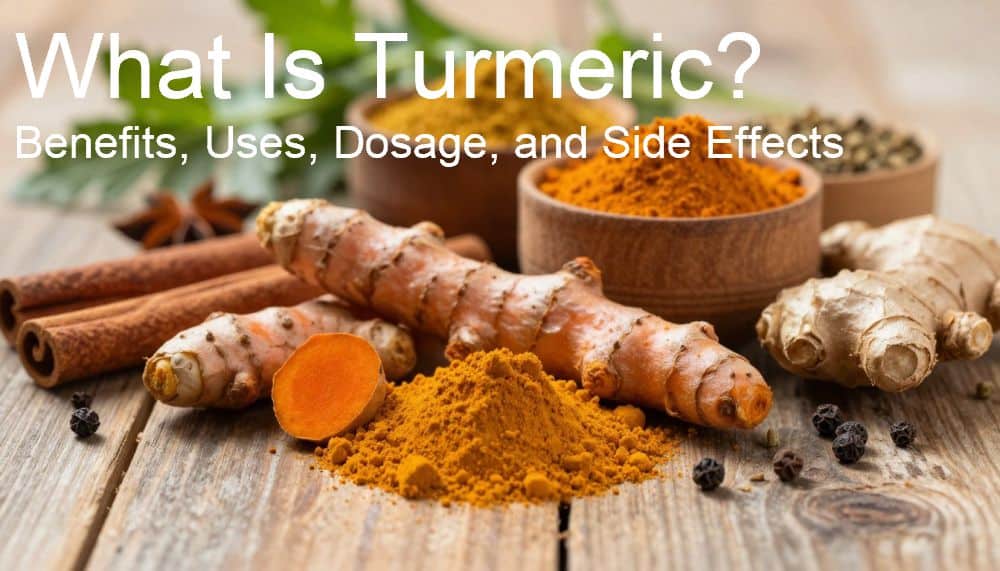
The primary active compound found in this flowering plant is called curcumin. This powerful substance provides significant anti-inflammatory effects that may help soothe your joints. It also boasts remarkable antioxidant properties, which help protect your healthy cells from environmental damage.
Adding this botanical root to your daily routine can support overall wellness in many ways. While turmeric is widely available in most grocery stores, understanding the right dosage is crucial for seeing real results. Let’s dive deeper into how this natural wonder can improve your lifestyle.
Key Takeaways
- Contains the active compound curcumin for wellness.
- Offers potent anti-inflammatory effects for joint support.
- Provides strong antioxidant properties to fight oxidative stress.
- Supports heart health and helps improve cognitive function.
- Requires specific dosage guidelines for maximum effectiveness.
- May cause mild side effects if consumed in excessive amounts.
What Is Turmeric?
Turmeric, known as the golden spice, has been a cornerstone in traditional medicine and cooking for centuries. This vibrant yellow-orange spice has been revered for its flavor, medicinal properties, and symbolic significance. In this section, we will explore the origins, history, and different forms of turmeric, as well as its traditional and modern uses.
The Golden Spice: Origins and History
Turmeric has its roots in ancient India, where it has been used for thousands of years in both culinary and medicinal contexts. The spice is derived from the root of the Curcuma longa plant, a member of the ginger family. Historically, turmeric was not only valued for its flavor and preservative qualities but also for its role in traditional rituals and ceremonies.
The use of turmeric dates back to the Vedic period in India, around 4000 years ago. It was considered a sacred spice and was used in various religious and cultural practices. The vibrant yellow color of turmeric made it a symbol of prosperity and purity.
Turmeric Root vs. Turmeric Powder
Turmeric is available in two main forms: the root and the powder. The root, also known as the rhizome, is the underground stem from which the spice is derived. Fresh turmeric root has a more intense flavor and aroma compared to the dried powder.
Turmeric powder, on the other hand, is made by drying and grinding the root. This form is more commonly used in cooking and is a staple in many spice blends, including curry powder.
| Form | Characteristics | Uses |
|---|---|---|
| Turmeric Root | Fresh, intense flavor and aroma | Culinary, medicinal, and ritualistic uses |
| Turmeric Powder | Dried, ground form, easier to store | Cooking, spice blends, and traditional medicine |
Traditional and Modern Uses
Traditionally, turmeric has been used in Ayurvedic medicine to treat a variety of ailments, from wounds to digestive issues. It was also used as a dye and in religious ceremonies.
In modern times, turmeric continues to be valued for its medicinal properties, particularly its anti-inflammatory and antioxidant effects. It is used in modern cooking, dietary supplements, and even in cosmetics.
- Culinary spice
- Dietary supplement
- Cosmetic ingredient
- Traditional medicine
Understanding Curcumin: The Active Ingredient in Turmeric
At the heart of turmeric’s benefits lies curcumin, a compound that has garnered significant attention for its health-promoting properties. Curcumin is not just responsible for turmeric’s vibrant yellow color but is also the key to its medicinal properties.
What Is Curcumin and Why Does It Matter?
Curcumin is a bioactive compound found in turmeric, known for its potent anti-inflammatory and antioxidant effects. It has been used for centuries in traditional medicine to treat various health conditions. The significance of curcumin lies in its ability to influence multiple biological pathways, making it a potential therapeutic agent for several diseases.
Curcumin’s anti-inflammatory properties are particularly noteworthy, as chronic inflammation is a known risk factor for many chronic diseases. By reducing inflammation, curcumin can help mitigate the risk of these conditions.
How Much Curcumin Is Found in Turmeric?
The amount of curcumin in turmeric can vary based on several factors, including the source and quality of the turmeric. Generally, turmeric contains about 2-5% curcumin by weight. This means that to get a significant amount of curcumin, one would need to consume a substantial amount of turmeric.
For instance, to obtain 1 gram of curcumin, you would need to consume around 20-50 grams of turmeric, depending on its curcumin content. This highlights the challenge of getting therapeutic doses of curcumin through dietary sources alone.
The Difference Between Turmeric and Curcumin Supplements
While turmeric supplements contain a mixture of compounds found in turmeric, curcumin supplements are specifically designed to deliver a concentrated dose of curcumin. Curcumin supplements are often preferred for their potency and targeted benefits.
The primary difference between turmeric and curcumin supplements lies in their composition and the concentration of curcumin. Turmeric supplements may not provide enough curcumin to achieve the desired health benefits, whereas curcumin supplements can offer a more concentrated and effective dose.
When choosing between turmeric and curcumin supplements, it’s essential to consider your health goals and the specific benefits you’re seeking. Consulting with a healthcare professional can help you make an informed decision.
Health Benefits of Turmeric
Turmeric, a spice commonly found in kitchens worldwide, is also a powerhouse of health benefits backed by scientific research. Its active ingredient, curcumin, is responsible for many of its medicinal properties.
Powerful Anti-Inflammatory Effects of Curcumin
Curcumin has potent anti-inflammatory properties, making it a potential natural remedy for conditions characterized by inflammation. Chronic inflammation is associated with various diseases, and curcumin’s ability to suppress inflammatory pathways can be beneficial.
Antioxidant Properties and Free Radical Protection
Turmeric is rich in antioxidants, which help protect the body from free radicals that can cause oxidative stress and lead to cell damage. The antioxidant properties of curcumin can contribute to overall health and well-being.
Potential Benefits for Health Conditions
The health benefits of turmeric extend to various health conditions, including heart health, brain function, and the management of inflammation and diabetes.
Supporting Heart Health
Turmeric may support heart health by improving endothelial function and reducing inflammation, which are factors in cardiovascular disease.
Brain Function and Cognitive Health
Curcumin has been shown to cross the blood-brain barrier, potentially benefiting brain health and cognitive function.
Managing Inflammation and Arthritis
The anti-inflammatory properties of curcumin can help manage conditions like arthritis, reducing pain and improving quality of life.
Diabetes and Blood Sugar Control
Some studies suggest that turmeric may help with blood sugar control, although more research is needed to confirm its effectiveness.
| Health Condition | Potential Benefit of Turmeric |
|---|---|
| Heart Health | Improves endothelial function, reduces inflammation |
| Brain Function | May improve cognitive health, crosses blood-brain barrier |
| Arthritis | Reduces pain and inflammation |
| Diabetes | May help with blood sugar control |
What Research Shows About Turmeric Benefits
Research continues to uncover the potential health benefits of turmeric, with studies focusing on its anti-inflammatory, antioxidant, and other properties.
How to Use Turmeric
To reap the benefits of turmeric, it’s essential to understand the different ways it can be consumed and applied. Turmeric’s versatility allows it to be incorporated into daily life in various forms, from culinary spice to health supplements and topical applications.
Consuming Turmeric as a Culinary Spice
Turmeric is a staple spice in many cuisines, particularly in Indian and Middle Eastern cooking. It adds a warm, earthy flavor to dishes and can be used in a variety of recipes, from curries to soups. When using turmeric as a culinary spice, it’s easy to incorporate it into your daily meals, thereby benefiting from its anti-inflammatory properties.
Some popular ways to consume turmeric as a spice include adding it to:
- Curries and stews for an extra boost of flavor and nutrition
- Soups for a hint of warmth and color
- Vegetable dishes, such as roasted or sautéed vegetables
- Meat and seafood recipes for added depth of flavor
Turmeric Tea and Golden Milk
Turmeric tea and golden milk are popular beverages that offer a comforting and healthy way to consume turmeric. Turmeric tea is made by steeping turmeric roots or powder in hot water, while golden milk is a traditional drink that combines turmeric with milk or a milk alternative, often with added spices like cinnamon and ginger.
These beverages are not only delicious but also provide a convenient way to enjoy the health benefits of turmeric. They can be enjoyed hot or cold, sweetened or unsweetened, making them versatile options for any time of day.
Turmeric Supplements and Extract Forms
For those who prefer a more concentrated dose of turmeric, supplements and extract forms are available. These can range from capsules and tablets to powders and liquid extracts. When choosing a turmeric supplement, it’s crucial to look for products that contain bioavailable curcumin, the active compound in turmeric responsible for its health benefits.
| Form | Description | Benefits |
|---|---|---|
| Capsules/Tablets | Convenient and easy to incorporate into daily routine | Provides a concentrated dose of curcumin |
| Powders | Can be easily mixed into drinks or food | Flexible dosage and easy to consume |
| Liquid Extracts | Highly bioavailable and can be added to drinks | Offers potent anti-inflammatory effects |
Enhancing Absorption: Why Black Pepper Matters
One of the key factors in maximizing the benefits of turmeric is enhancing the absorption of curcumin. Black pepper, which contains piperine, has been shown to significantly improve curcumin absorption. Combining turmeric with black pepper can enhance the bioavailability of curcumin by up to 2,000%.
Tip: When consuming turmeric or taking supplements, consider adding a pinch of black pepper to your meal or drink to boost absorption.

Topical Uses for Skin and Wounds
Turmeric’s anti-inflammatory and antimicrobial properties make it beneficial for topical use on the skin and for wound care. It can be applied as a paste or cream to reduce inflammation, promote healing, and improve skin health.
Some common topical uses include:
- Treating acne and reducing scars
- Soothing skin irritations and inflammation
- Aiding in the healing process of minor cuts and wounds
Turmeric Dosage Guidelines
Turmeric dosage guidelines are essential for those looking to incorporate this spice into their daily health regimen. The effectiveness and safety of turmeric depend on various factors, including the form of turmeric consumed and individual health conditions.
Recommended Dose of Turmeric for General Health
The recommended dose of turmeric for general health can vary based on its form and the individual’s health status. Generally, a daily intake of turmeric is considered safe and beneficial when consumed in moderation.
For general health benefits, a common recommendation is to consume between 1/2 teaspoon to 1 teaspoon of turmeric powder per day. However, this can vary depending on the individual’s health goals and needs.
How Much Should You Take Daily?
The daily dosage of turmeric can differ significantly based on whether you’re consuming turmeric powder, turmeric supplements, or curcumin supplements.
Turmeric Powder Dosage
For turmeric powder, a typical dosage ranges from 1/2 teaspoon to 1 teaspoon per day, which is equivalent to about 1.5 to 3 grams.
Turmeric Supplement Dosage
Turmeric supplements often contain extracts that are more concentrated than raw turmeric powder. A typical dosage for turmeric supplements is between 400 mg to 600 mg per day.
Curcumin Supplement Dosage
Curcumin supplements, being more concentrated, usually have a recommended dosage of 500 mg to 2,000 mg per day. It’s essential to choose a supplement that includes bioavailability enhancers like black pepper extract (piperine) to enhance absorption.
As noted by a study, “Curcumin has been shown to have a wide range of beneficial effects, but its bioavailability is typically low due to rapid metabolism and excretion.”
“Co-administration of curcumin with piperine, a known inhibitor of hepatic and intestinal glucuronidation, increases the bioavailability of curcumin.”
Safe Upper Limits: High Doses of Turmeric
While turmeric is generally considered safe, high doses can cause gastrointestinal upset. The safe upper limit for turmeric consumption is not well established, but doses above 4,000 mg per day may increase the risk of side effects.
| Form | Typical Dosage | Potential Upper Limit |
|---|---|---|
| Turmeric Powder | 1.5-3 grams (1/2 to 1 teaspoon) | Not well established |
| Turmeric Supplement | 400-600 mg | Up to 4,000 mg |
| Curcumin Supplement | 500-2,000 mg | Up to 8,000 mg |
Factors That Affect Your Ideal Dosage
Several factors can influence the ideal dosage of turmeric for an individual, including health status, age, and the presence of any medical conditions. It’s always advisable to consult with a healthcare professional before starting any supplement regimen.
By understanding these factors and guidelines, individuals can make informed decisions about their turmeric intake to maximize its health benefits while minimizing potential risks.
Side Effects of Turmeric
Turmeric, despite its numerous health benefits, is not without its potential side effects. While generally considered safe when consumed in moderation, turmeric can cause adverse reactions in some individuals, particularly when taken in large quantities or over an extended period.
Common Mild Side Effects
Most people can tolerate turmeric well, but some may experience mild side effects. These can include:
- Gastrointestinal upset, such as nausea or diarrhea, especially when consumed in large amounts.
- Stomach upset or heartburn due to its active compound curcumin.
- Allergic reactions, though rare, can occur and may manifest as rashes or itching.
Potential Serious Side Effects from High Doses
Consuming high doses of turmeric or curcumin can lead to more serious health issues. Some potential risks include:
- Excessive bleeding: Turmeric’s anti-inflammatory properties can thin blood, potentially leading to excessive bleeding, especially in individuals on anticoagulant medications.
- Kidney stone formation: High doses of turmeric may increase the risk of developing kidney stones due to its oxalate content.
- Interactions with certain medications, which can be dangerous.
Negative Effects of Turmeric on Digestion
Turmeric can have both positive and negative effects on digestion. While it can aid in digestion for some, others may experience:
- Stomach discomfort or dyspepsia.
- Diarrhea or loose stools due to its stimulatory effect on the gut.
Adverse Effects with Long-Term Use
The long-term use of turmeric or curcumin supplements can lead to adverse effects, including:
- Liver issues: High doses over an extended period may cause liver problems.
- Digestive issues that persist or worsen over time.
Who Should Avoid Taking Turmeric or Curcumin Supplements?
Certain individuals should avoid or consult their healthcare provider before taking turmeric or curcumin supplements, including:
- Pregnant or breastfeeding women, due to a lack of comprehensive safety data.
- Individuals with bleeding disorders or those on anticoagulant therapy.
- People with diabetes, as it may lower blood sugar levels.
- Those scheduled for surgery, as it may increase the risk of bleeding.
It’s essential to consult with a healthcare professional before adding turmeric or curcumin supplements to your regimen, especially if you have underlying health conditions or are taking medications.
Drug Interactions and Medical Precautions
Understanding the drug interactions associated with turmeric is vital for safe consumption. Turmeric, particularly its active compound curcumin, can interact with various medications and have significant health implications.
Turmeric and Diabetes Medications
Turmeric may lower blood sugar levels, potentially enhancing the effects of diabetes medications. This could lead to hypoglycemia, a condition characterized by abnormally low blood sugar levels.
- Monitor blood sugar levels closely when consuming turmeric alongside diabetes medications.
- Consult your healthcare provider to adjust your medication dosage as needed.
Blood Thinning Effects and Anticoagulants
Turmeric has natural blood-thinning properties, which can be beneficial for some but risky when combined with anticoagulant medications. The risk of bleeding increases when turmeric is taken with these drugs.
Effects on Other Medications
Turmeric may interact with a variety of medications beyond diabetes drugs and anticoagulants, including:
- Anti-inflammatory drugs: Potential increased risk of bleeding.
- Stomach acid reducers: Turmeric may counteract their effects.
- Chemotherapy: Possible interactions that could affect treatment efficacy or increase side effects.
When to Stop Using Turmeric Before Surgery
Due to its blood-thinning effects, it’s generally recommended to stop consuming turmeric at least 2 weeks before any surgery. This precaution helps minimize the risk of excessive bleeding during and after surgical procedures.
Talk to Your Doctor Before Taking Turmeric
Before adding turmeric or curcumin supplements to your regimen, it’s crucial to consult with your healthcare provider, especially if you’re already taking medications or have underlying health conditions. This ensures that you’re aware of any potential risks and can safely incorporate turmeric into your health routine.
Choosing the Right Turmeric or Curcumin Supplement
The world of turmeric supplements is vast, and navigating it effectively is crucial for reaping the desired health benefits. With so many products available, understanding the different forms, what makes a quality product, and how to enhance bioavailability is essential.
Different Forms of Turmeric Supplements
Turmeric supplements come in various forms, including capsules, tablets, powders, and extracts. Capsules and tablets are convenient and offer a measured dose, while powders can be easily added to food and drinks. Extracts are highly concentrated and often used for their potent curcumin content.
- Capsules: Easy to consume and provide a precise dosage.
- Tablets: Similar to capsules but may contain additional ingredients.
- Powders: Versatile and can be incorporated into various recipes.
- Extracts: Highly concentrated and often standardized for curcumin content.
What to Look for in Quality Products
When selecting a turmeric or curcumin supplement, it’s crucial to look for quality products that have been tested by third-party organizations. These products should be free from contaminants and adhere to Good Manufacturing Practices (GMPs).
Key factors to consider include:
- Standardization: Look for products standardized to contain a specific percentage of curcuminoids.
- Certifications: Check for certifications from reputable third-party organizations.
- Manufacturing Practices: Ensure the product is manufactured according to GMPs.
Bioavailability and Absorption Enhancers
Bioavailability refers to the extent to which the body can absorb and utilize the active ingredients in a supplement. Curcumin, the active compound in turmeric, has poor bioavailability on its own. However, certain ingredients can enhance its absorption.
One of the most effective absorption enhancers is piperine, a compound found in black pepper. Some supplements combine curcumin with piperine to significantly improve bioavailability.
Turmeric vs. Curcumin: Which Supplement Is Right for You?
The choice between turmeric and curcumin supplements depends on your specific health goals and needs. Turmeric supplements provide a broader range of compounds found in the turmeric root, while curcumin supplements offer a more concentrated dose of curcuminoids.
If you’re looking for a supplement to support general health and wellness, turmeric might be the better choice. For targeted benefits, such as anti-inflammatory effects, curcumin supplements might be more effective.
Conclusion
Turmeric has been explored in depth, revealing its numerous benefits, various uses, and potential side effects. The active ingredient curcumin plays a significant role in its anti-inflammatory and antioxidant properties, making it a valuable spice for overall health.
When using turmeric, it’s essential to be aware of the appropriate turmeric dosage to maximize its benefits while minimizing potential side effects. Whether consumed as a culinary spice, in tea or golden milk form, or as supplements, turmeric can be a versatile addition to a healthy lifestyle.
Understanding the potential interactions with medications and being mindful of the safe upper limits of turmeric consumption are crucial for safe usage. By being informed, individuals can harness the benefits of turmeric while maintaining their overall well-being.
In summary, turmeric is a valuable spice with a range of uses, from culinary to medicinal. Its benefits, when used appropriately, can contribute to a healthier life.
FAQ
What exactly is turmeric and how does it differ from curcumin?
Turmeric is a spice that comes from the turmeric root of the *Curcuma longa* plant. While people often use the names interchangeably, the primary ingredient in turmeric is curcumin. This chemical in turmeric is responsible for the vibrant yellow color and most of the documented potential health benefits of turmeric. When you take turmeric in its whole form, you get a variety of nutrients, but a curcumin supplement provides a much higher concentration of the active compound.
What are the most common health benefits of turmeric and curcumin supplements?
Research suggests that turmeric provides powerful anti-inflammatory effects and antioxidant effects. These potential benefits make it a popular choice for those looking to manage inflammation and joint pain. Additionally, the anti-inflammatory effects of curcumin have been shown to support heart health and cognitive function. Many people take turmeric every day to support their overall immune system and long-term wellness.
How much should you take daily for therapeutic results?
The ideal dose of turmeric depends on the form of turmeric you are using. For general wellness, consuming turmeric spice in food is excellent, but for specific health conditions, a turmeric extract is often recommended. Clinical studies often use a dosage ranging from 500 to 2,000 mg of turmeric per day. Some investigations of the effects have even shown that patients can take up to 8 grams of certain formulations safely, though you should always follow the label of quality brands like Thorne or Gaia Herbs.
Are there any common side effects of turmeric I should watch out for?
For most people, turmeric is safe and safe to take long-term. However, some individuals may experience mild side effects such as digestive upset, nausea, or dizziness. Potential side effects of turmeric usually occur when someone takes high doses of turmeric for an extended period. To avoid negative effects of turmeric, it is best to start with a lower amount of turmeric and see how your body reacts.
Can taking turmeric or curcumin supplements cause serious side effects?
While rare, high doses can cause serious side effects in specific individuals. For example, because turmeric contains curcumin, which can act as an oxalate, very high doses might contribute to kidney stones in those prone to them. Additionally, turmeric can make blood clotting slower, which is why you should stop using turmeric at least 2 weeks before any scheduled surgery to avoid the adverse effects of excessive bleeding.
Does turmeric interact with certain medications?
Yes, turmeric supplements may interfere with certain medications. Specifically, turmeric and curcumin may increase the effects of medications used for blood thinning (like Warfarin) and diabetes medications. Because turmeric may help lower blood sugar, taking it alongside diabetes drugs could cause blood sugar to drop too low. It is vital to talk to your doctor before taking turmeric if you are on a prescription regimen.
Why is black pepper often added to a turmeric supplement?
The active ingredient in turmeric is notoriously difficult for the body to absorb on its own. Turmeric and curcumin supplements often include piperine, a compound found in black pepper, because it can increase the bioavailability of curcumin by up to 2,000%. To get the most health benefits, look for a curcumin or turmeric product that specifically mentions enhanced absorption on the label.
What is the best way to use turmeric in a daily routine?
There are many ways to use of turmeric! You can enjoy turmeric tea or “Golden Milk” by consuming turmeric powder mixed with warm almond milk and honey. If you prefer convenience, taking turmeric or curcumin in capsule form is a great way to ensure a consistent mg of turmeric intake. Many people find that turmeric supplementation works best when taken with a meal that contains some fat to further aid absorption.
Is Javanese turmeric root the same as the regular spice?
While related, Javanese turmeric root (*Curcuma xanthorrhiza*) is a different species than the standard turmeric spice used in curry. It is commonly used in traditional Indonesian medicine for liver and gallbladder health. If you want to learn more about turmeric varieties, it’s important to check the scientific name on the turmeric supplement bottle to ensure you are getting the specific effect of turmeric supplementation you desire.
Who should avoid taking turmeric supplements altogether?
You should avoid taking turmeric supplements if you have a history of gallbladder disease or gallstones, as turmeric could worsen these conditions. Pregnant or breastfeeding women should also stick to the amount of turmeric found naturally in food rather than taking high doses of a turmeric extract unless advised by a healthcare professional. Always consult a medical expert to ensure that taking turmeric or curcumin supplements is right for your specific health conditions.