









For the most iodine-packed foods, start your day with a serving of sea vegetables. Sea vegetables, such as Nori, are excellent sources of iodine, with 500 percent of your daily value per serving. Seaweed is a great source of iodine, as is Cod. Dried seaweed and organ meats are also good sources of iodine.
These foods are easy to incorporate into your daily diet, and can provide a substantial amount of this essential mineral. However, if you want to increase your intake of iodine, you should eat foods rich in iodine on a regular basis. Tuna, shrimp, and eggs are among the highest sources of iodine.
Organ Meats
You may not have realized it, but organ meats are among the foods highest in dietary iodine. Compared to fish, organ meats contain a surprising amount of iodine. Make sure to buy liver from pasture-raised animals and avoid those from antibiotic and hormone-treated animals. Similarly, beef and lamb liver are excellent sources of iodine.
Dried Seaweed
Dried Seaweed is one of the foods high in iodine. It has been associated with iodine since the discovery of iodine by Louis Courtois in the 1865. It was first found in the caliche deposits of the Atacama Desert in Chile. This mineral is also found in oil well brine. During that time, iodine was derived exclusively from seaweed.
There are several sources of iodine, including raw and cooked dairy products, cage-free eggs and certain whole-grains. The RDI for an adult is about 150 micrograms per day, and it is higher in women who are pregnant. Pregnant women must meet their RDI to ensure that their child is receiving enough iodine, as iodine deficiency during pregnancy is one of the leading causes of mental deficiency among children. However, pregnant women should consult with a medical practitioner before taking supplements.
Consuming Kombu kelp provides nearly 2000 micrograms of iodine per sheet. While excess iodine is well tolerated by most people, it may result in thyroid problems in individuals who are susceptible to thyroid dysfunction. Another good source of iodine is wakame, a brown seaweed with a slightly sweet flavor. It is widely used in Japanese miso soup. Depending on where it is grown, it may contain higher amounts than wakame or other seaweeds.
Cod
Although many of us think of fish as high-calorie, low-nutrient foods, cod is actually a good source of iodine. A three-ounce serving of cod has between 64 and 99 micrograms of iodine, which is about six times more than the RDA. Cod contains omega-3 fatty acids, and its liver is known for its high iodine content. Fish high in omega-3 fatty acids can help protect against cardiovascular disease.
Dried Prunes
Dried Prunes are the food highest in the mineral iodine. Approximately one ounce of dried prunes provides thirteen micrograms of iodine, which is about one percent of the daily recommended amount. Prunes are high in fiber, potassium, iron, and vitamin C, and are a healthy snack. Plus, they also contain fiber and vitamins A, C, and K.
Dried prunes contain about 10 percent of your daily requirement of iodine, and also have plenty of fiber. Just remember that they can also cause bloating.
Lima Beans
If you’re looking for the best vegan sources of iodine, lima beans are an excellent choice. They contain more than eight micrograms of iodine per cup, which is about 10 percent of your recommended daily allowance (RDA). These are also an excellent source of fiber, magnesium, folate, and iron. While some sources of iodine are best, it’s important to remember that you only need a quarter teaspoon.
Besides lima beans, you should eat other foods high in iodine, including seafood, certain whole-grain products, and organic dairy. Organic dairy products and eggs are both excellent sources of iodine, but not in high enough concentrations to warrant a whole-grain label. You should also try to find milk and cheese from organic cows, as they tend to have less iodine.
Fish Sticks
Among all foods rich in iodine, fish sticks are the most abundant. A single serving contains up to 105% of your DV for iodine. It is an important mineral that plays a role in thyroid function, metabolism, growth, reproduction, and development. It also contains a high level of vitamin B12, an essential mineral that helps convert fats into energy and protects against heart disease. 150g of fish sticks contains 63% of your recommended daily intake for vitamin B12.
There are several ways to determine whether foods are rich in iodine. The Food and Drug Administration (FDA) conducts an annual iodine survey that identifies the foods highest in iodine. To develop a nationally representative dataset, the FDA works with a commercial laboratory, prequalified by the USDA’s National Dietary Laboratory (NDL).
Canned Tuna
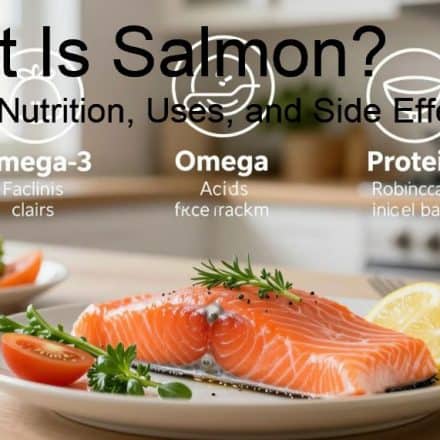
There are many foods rich in iodine, including fish like tuna, shrimp, and scallops. All contain between nine and twenty parts per billion of the iodine your body needs. You can dress up a lunch salad with all three. Salmon, haddock, and perch are also rich in iodine, but you should stick to light tuna.
When choosing a healthy diet, select iodine-rich foods that are low in fat. Tuna, for example, contains much less iodine than cod. Another good option is to eat corn as a snack. This super food contains more than just iodine. It also contains fiber that can reduce the risk of heart disease and helps your digestive system function.
Boiled Eggs
Another healthy food source of iodine is the sea. Boiled eggs contain approximately 26 micrograms of iodine per egg yolk. Buying eggs from local farmers is best, since the amount of iodine is high in the yolk. While it’s a great source of iodine, seaweed tends to accumulate heavy metals, and buying a local farm’s eggs is preferable to purchasing supermarket-bought eggs.
Plain Yogurt
Iodine is important for thyroid health, and people who are deficient can develop goiter or hypothyroidism. If iodine is not ingested in sufficient amounts, it can impair the functioning of the brain. Because the body cannot manufacture iodine, the amount required by an individual needs to be provided by their diet. An average adult needs approximately 150 micrograms of iodine per day, so consuming food sources rich in iodine is essential to maintaining a healthy thyroid. One cup of low-fat yogurt is a good source of iodine, providing nearly half of the daily requirement.
Bananas
Although bananas don’t contain much iodine, they do contain numerous vitamins and minerals that can be beneficial to your health. Many of these micronutrients are essential for your overall well-being. They are also rich in potassium, manganese, and vitamin C. You should eat as many bananas as possible to ensure you are getting a sufficient amount of these nutrients.
The highest concentrations of iodine can be found in sea vegetables, seaweeds, and fish. However, other foods can provide adequate amounts of iodine, including fruit and vegetables. For example, cranberries contain approximately 400 milligrams of iodine per serving. Bananas contain just 2% of the daily recommended allowance of this important mineral.
Strawberries
Fresh, raw, unpasteurized dairy products and certain whole grains are high sources of iodine. Fruits and vegetables also contain small amounts of iodine, depending on the soil type, irrigation practices, and crop variety. For example, cranberries and blueberries contain only about ten micrograms of iodine each, but you can get your recommended daily intake by eating about 50 to 100 strawberries.
A cup of ripe strawberries can provide 10% of your recommended daily iodine needs. Strawberries contain as much as 13 mcg of iodine per serving, making them a high-quality source of this mineral. In addition to being low-calorie and rich in fiber, strawberries are also high-nutrient sources of the mineral manganese, zinc, and selenium.
Fortified Iodized Salt
Iodine is a naturally occurring element found in the earth’s soil and seawater. Its amount varies greatly depending on the environment and can be obtained in many different foods, including fortified iodized salt. Approximately 1,100 micrograms of iodine per day is the recommended daily allowance for adults. Typical sources of iodine include animal protein foods, sea vegetables, and fortified foods.
In order to provide more iodine to the human body, manufacturers of salt fortified Iodized Salt have increased its content in foods. Fortified iodized salt is used by 70 percent of households in developed countries. Potassium iodide and cuprous iodate are the two main types of salt fortified iodide, while the World Health Organization recommends potassium iodate. The two types of iodide have the same nutritional value, but they have different shelf lives.
In addition to fortified iodized salt, consumers of other fortified salt products should look for a food that is iodized with iodine. Many foods, including processed meats and vegetables, contain bromine which can hinder absorption of iodine and lead to a greater risk of iodine deficiency.
Shrimp
If you are looking for foods high in iodine, consider shrimp. One ounce of shrimp contains around 25 micrograms of iodine, or about 9% of the daily recommended amount. The iodine in seafood is absorbed from seawater and accumulates in the fish and shrimp. Shrimp is an excellent source of this essential mineral.
Although shrimp contains a high concentration of iodine, some varieties are higher in iodine than others. Saltwater shrimp are generally higher in iodine than freshwater shrimp. Tiger shrimp, Brown shrimp, and White shrimp are among the saltwater varieties. In addition to shrimp, other alkaline-forming foods are also high in iodine, including milk and shellfish.
Besides being a versatile and nutritious food, shrimp also contains other nutrients that are helpful for your body. It is a good source of zinc, iron, and B12, and increases your iodine intake each day. While shrimp has some negative health effects, shrimp is an excellent source of this mineral. You should also keep in mind that shrimp can contain high amounts of sulphites, which can cause sensitivity or even alcohol poisoning.
Black Eyed Peas
A serving of black-eyed peas provides almost a quarter of the Daily Value for iodine. This nutrient helps maintain healthy skin and mucus membranes, as well as promotes good vision in low light. Its high content of vitamin A can also benefit your skin and eyes. If you’re not sure what these peas are good for, try them in recipes!
Despite their name, black-eyed peas are not actually peas. They’re actually a type of bean that contains a large eye-shaped spot. They are packed with fiber, protein, and folate. Additionally, they are high in copper, iron, and thiamine. Among other benefits, black-eyed peas can boost your energy levels and improve your digestive health.
Baked Turkey Breast
Baked turkey breast contains 34 micrograms of iodine per 3 ounce serving, or 23% of your daily requirement. Turkey is high in potassium, phosphorous, and B vitamins, and is relatively low in calories. Eggs are also high in iodine, and a boiled egg provides about nine percent of your daily requirement. These sources of the mineral are especially important for the development of infant brains and nervous systems.
The Bottom Line
Although iodine levels in different foods vary widely, it is difficult to determine the iodine level in a person’s diet by looking at the amount of iodine they consume daily. The SR file from the USDA does not provide this data. Hence, USDA researchers analyzed food samples that were likely to contain iodine and reported their results. Additionally, the FDA publishes TDS data on the iodine content of foods.