









Acne is a common skin condition that affects millions worldwide. It’s more than just an occasional pimple; it’s a complex condition with various types, causes, and treatment options. Understanding acne is crucial for effective skin care and prevention of acne scars. This article will delve into the different aspects of acne, from its causes to its treatment.
Overview
What is acne?
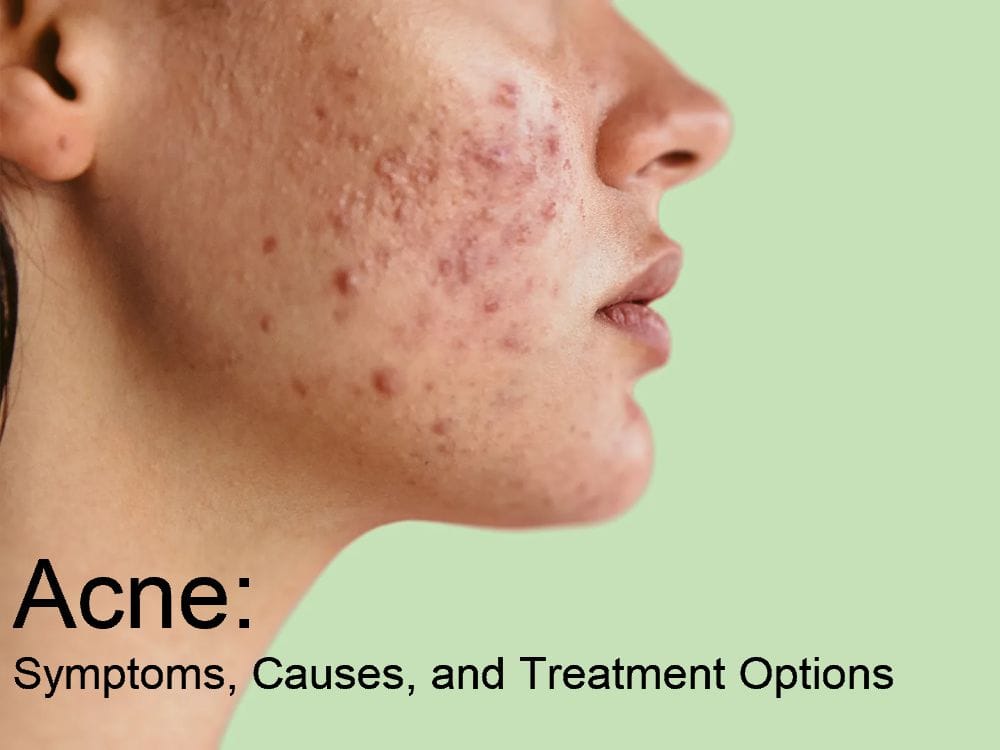
Acne is a skin condition that occurs when hair follicles become clogged with oil and dead skin cells. This clog leads to the formation of various types of acne lesions, including pimples, blackheads, and whiteheads. Acne is the most common skin condition and can affect people of all ages, although it’s most prevalent during adolescence due to hormonal changes.
What are the types of acne?
Here are various forms of acne, ranging in severity from mild to severe. These types include:
- Whiteheads
- Blackheads
- Pimples
- Pustules
- Nodules
- Cysts
Cystic acne and nodular acne are considered severe cases of acne and often require specialized acne treatment. Inflammatory acne, characterized by redness and swelling, is another common type of acne, contributing to the development of acne scars.
Who does acne affect?
Acne affects people of all ages, genders, and ethnic backgrounds. However, it is most prevalent among adolescents and young adults, largely due to hormonal changes during puberty. While it is a common skin condition, some individuals are more prone to acne than others. Factors such as family history of acne, hormonal imbalances, and certain medications can contribute to acne.
Causes of Acne
Hormonal Changes and Acne
Hormonal changes are a significant cause of acne, particularly during puberty, menstruation, and pregnancy. An increase in androgen hormones can trigger acne by stimulating the sebaceous glands to produce more sebum. Excess sebum, combined with dead skin cells, can clog pores and hair follicles, leading to the development of pimples, whiteheads, and blackheads. This is a primary cause of acne.
Diet and Acne
While the direct link between diet and acne is still being researched, some studies suggest that certain foods may trigger acne or make acne worse in some individuals. High-glycemic foods and dairy products have been implicated in increasing inflammation and sebum production, potentially contributing to acne lesions. However, dietary factors are not the sole cause of acne; they often interact with other factors.
Genetic Factors in Acne Development
Genetic factors play a significant role in acne development. People with a family history of acne are more likely to get acne themselves. Genes can influence various aspects of acne, including the size and activity of sebaceous glands, the body’s inflammatory response, and the way skin cells are shed. A family history of acne is one of the most prominent risk factors for acne.
Symptoms of Acne
Identifying Common Symptoms
Common symptoms of acne include the appearance of several types of lesions. These lesions can manifest as:
- Blackheads
- Whiteheads
- Pimples
- Pustules
These acne lesions typically appear on the face, forehead, chest, upper back, and shoulders. They can vary in size and severity, ranging from small, superficial pimples to large, painful nodules or cysts. Acne can cause inflammation, redness, and swelling around the affected area, making the symptoms noticeable.
Severe Symptoms and Complications
Severe cases of acne, such as cystic acne, can cause significant pain, inflammation, and scarring. Large, deep acne lesions can lead to the formation of acne scars, which can be permanent and affect a person’s self-esteem. In some instances, severe acne may require treatment options such as antibiotics for acne or isotretinoin to clear acne and prevent further complications.
Symptoms in Different Age Groups
Acne symptoms can vary depending on the age group. In adolescents, acne typically presents as pimples, blackheads, and whiteheads on the face, chest, and back due to hormonal changes. Adults, especially women, may experience acne on the lower face and jawline, often linked to hormonal fluctuations. Acne diagnosed in infants, known as neonatal acne, is usually mild and self-resolving.
Types of Acne
Overview of Acne Vulgaris
Acne vulgaris is a common skin condition that causes various acne lesions, including pimples, blackheads, and whiteheads. It occurs when hair follicles become clogged with oil and dead skin cells. Acne vulgaris can range from mild acne to severe acne and can affect people of all ages, making acne treatment necessary.
Different Forms of Acne Lesions
Acne lesions manifest in a variety of forms, including:
- Pimples
- Pustules
- Blackheads
- Whiteheads
Nodules and cysts represent more severe acne presentations. These lesions are frequently linked to inflammatory acne and may result in scarring. Cystic acne, a particularly severe form, is characterized by painful, pus-filled cysts which contribute to significant inflammation and scarring.
Acne Scarring and Its Types
Acne scars are a common complication of acne, especially severe acne. These scars form when inflammatory acne lesions damage the top layer of skin and underlying tissue. The body attempts to repair this damage, often resulting in visible scars. Various treatments, like laser therapy, are available to minimize acne scars but preventing acne from developing.
How Acne is Diagnosed
Clinical Evaluation Techniques
The diagnosis of acne typically begins with a clinical evaluation by a healthcare professional. This involves a visual examination of the skin to identify different types of acne and assess the severity of the skin condition. The doctor will also inquire about family history of acne, symptoms of acne and other risk factors for acne.
Role of Dermatologists in Diagnosis
Dermatologists play a crucial role in the diagnosis of acne, especially in complex or severe cases of acne. They have specialized knowledge of skin conditions and can accurately identify different acne lesions, assess the severity of acne, and rule out other potential causes of acne, such as rosacea or folliculitis. Their expertise can help with acne, which is a common skin condition.
Diagnostic Tests for Acne
In most cases, diagnostic tests are not necessary for acne. However, in certain situations, a dermatologist may recommend specific tests to rule out underlying medical conditions that may contribute to acne. For instance, hormone level testing may be conducted in women with acne to assess for hormonal imbalances and make acne worse.
How to Treat Acne
Topical Treatments and Medications
Topical treatments are a first-line approach to treat acne, especially for mild to moderate acne. These treatment options include creams, gels, and lotions containing active ingredients. Topical retinoids are also effective treatment options and can treat acne and also prevent acne by promoting skin cell turnover and preventing pores from becoming clogged with oil and dead skin cells.
Oral Medications for Severe Cases
Oral medications are often prescribed for severe cases of acne or when topical treatments are not effective. Antibiotics for acne, such as tetracycline or doxycycline, may be used to reduce inflammation and fight bacteria that contribute to acne. Oral isotretinoin is a powerful acne medication and is effective at clearing acne, but it can have serious side effects.
Alternative Therapies and Home Remedies
In addition to conventional treatment options, some people with acne turn to alternative therapies and home remedies to manage their acne. Tea tree oil has anti-inflammatory and antibacterial properties that may help reduce acne lesions. Additionally, maintaining a healthy lifestyle, including a balanced diet and regular exercise, may contribute to improved skin care.
People with Acne: Demographics and Impact
Acne in Adolescents vs. Adults
Acne, a common skin condition, manifests differently across age groups. Adolescents often experience acne vulgaris due to hormonal changes, leading to increased sebum production. This can clog pores, resulting in pimples, blackheads, and whiteheads. Adults, especially women, may experience acne due to hormonal fluctuations, leading to inflammatory acne. Treatment options vary, and acne scars are a common concern.
Psychosocial Effects of Acne
Acne, especially severe acne, can significantly impact mental health and well-being. The visible acne lesions, like pimples, nodules, and cysts, can cause feelings of self-consciousness and social anxiety. Acne scars can further affect self-esteem. Studies show that acne can cause depression and social isolation. Addressing the psychological impact is vital in acne treatment and skin care to treat acne.
Support for People with Acne
Support groups and mental health professionals can provide valuable assistance to people with acne. Sharing experiences and coping strategies with others who understand can alleviate feelings of isolation. Mental health support can address the emotional distress and anxiety that acne can cause. Family history of acne may also play a role, making early intervention crucial to prevent acne.
Risk Factors for Acne
Environmental Influences
Environmental factors can contribute to acne and make acne worse. Exposure to pollution, humidity, and certain chemicals can irritate the skin and trigger acne lesions. These environmental aggressors can clog pores and promote inflammation, leading to pimples and blackheads. Protecting the skin from these elements can be a part of preventing acne and minimizing risk.
Personal Care Products and Acne
Certain personal care products can cause acne or exacerbate existing acne. Comedogenic ingredients in makeup, sunscreen, and moisturizers can clog pores, leading to acne lesions. It’s essential to choose non-comedogenic products to avoid skin conditions that cause breakouts. Additionally, harsh soaps and scrubs can irritate the skin and make acne worse, contributing to inflammatory acne.
Understanding Triggers of Acne Flare-ups
Identifying and managing acne triggers is crucial for preventing acne flare-ups. Triggers can vary from person to person but may include stress, hormonal changes, certain foods, or specific skin care products. Monitoring diet, managing stress levels, and using gentle skin care can help minimize acne and prevent the development of acne scars and lead to improved skin condition.
Conclusion
Acne is a common skin condition with diverse causes, symptoms, and treatment options. Hormonal changes, genetic factors, and environmental influences can contribute to acne. Effective skin care, including topical treatments and, in severe cases, oral medications, can help clear acne and prevent acne scars. Seeking support and managing triggers are essential for long-term acne management and improved quality of life and improved skin care.