






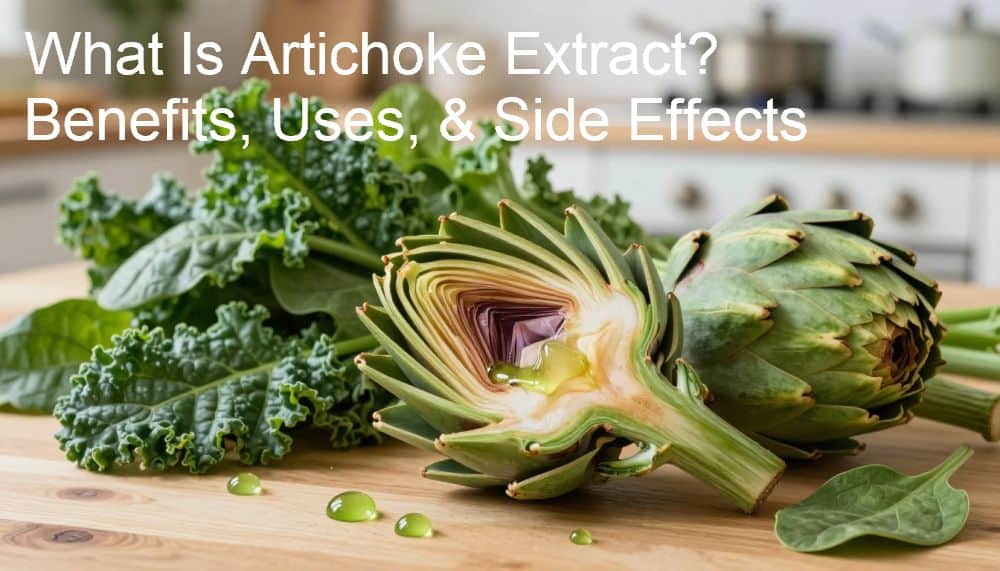

Discover the potential of artichoke extract in supporting overall health. This natural supplement has been gaining attention for its numerous health benefits, particularly in relation to liver health and cholesterol management.
Derived from the artichoke plant, this extract is rich in antioxidants and has been used for centuries in traditional medicine. Its potential to support liver function and promote healthy cholesterol levels makes it an attractive supplement for those seeking a natural approach to health.
Key Takeaways
- Artichoke extract supports liver health and cholesterol management.
- Rich in antioxidants, it promotes overall well-being.
- Traditionally used in medicine for its numerous health benefits.
- May help in maintaining healthy cholesterol levels.
- A natural supplement for those seeking alternative health options.
Understanding Artichoke Extract
The artichoke, a thistle-like vegetable, has a rich history in traditional medicine that spans thousands of years. Its extract, derived from the leaves, has been used for various medicinal purposes.
Origin and History of Artichoke as Medicine
Artichokes have been cultivated for over 4,000 years, with records of their use in ancient Greek and Roman medicine. The Greeks and Romans valued artichokes not only as a food but also for their perceived health benefits. The use of artichoke for medicinal purposes continued through the centuries, with its popularity peaking in the 19th century in Europe.
Cynara Scolymus: The Scientific Background
The artichoke plant is scientifically known as Cynara scolymus. It belongs to the Asteraceae family, which includes other plants like daisies and sunflowers. Cynara scolymus is rich in bioactive compounds, including flavonoids, polyphenols, and cynarin, which are believed to contribute to its medicinal properties.
Difference Between Eating Artichokes and Taking Extract
While eating artichokes can provide nutritional benefits, taking artichoke extract supplements can offer a more concentrated dose of the plant’s bioactive compounds. Here are some key differences:
- Concentration: Artichoke extract contains a higher concentration of active compounds compared to consuming whole artichokes.
- Convenience: Supplements are often more convenient for those who want to incorporate artichoke into their daily routine without the need to prepare meals.
- Purposeful Use: Extracts are typically used for specific health benefits, such as supporting liver health or aiding digestion.
In summary, while both eating artichokes and taking artichoke extract have their benefits, the extract provides a more targeted and potent effect, making it a popular choice for those seeking specific health advantages.
How Artichoke Extract Is Produced
To create artichoke extract, manufacturers employ a multi-step process that begins with the careful selection of artichoke plant components. This process is crucial in ensuring the final product is both potent and safe for consumption.
From Plant to Supplement: The Extraction Process
The extraction process typically involves several key steps: harvesting, drying, and then extracting the active compounds using solvents such as water or ethanol. The quality of the extract is heavily dependent on the extraction method used, with some manufacturers opting for more advanced techniques like cold pressing or supercritical CO2 extraction to preserve the delicate compounds.
Parts of the Plant Used for Medicinal Purposes
The leaves of the artichoke plant are most commonly used for medicinal purposes due to their high content of active compounds like cynarin and flavonoids. The leaves are rich in antioxidants and have been shown to support liver health and digestion. Some manufacturers may also use the flowers or stems, but the leaves remain the primary source.
Types of Artichoke Extract Available
There are various types of artichoke extract available, catering to different consumer preferences. These include capsules, tinctures, and teas. Capsules are popular for their convenience, while tinctures offer a more concentrated dose. Teas, on the other hand, provide a more traditional and gentle way to consume artichoke extract.
When choosing an artichoke supplement, it’s essential to consider the type of extract, the parts of the plant used, and the extraction process to ensure you’re getting a high-quality product that meets your health needs.
Key Active Compounds in Artichoke Extract
Among the numerous compounds found in artichoke extract, some stand out for their significant health-promoting properties. The effectiveness of artichoke extract is largely attributed to its rich composition of bioactive compounds.
Cynarin and Its Role
Cynarin is one of the most studied compounds in artichoke extract, known for its hepatoprotective effects. It plays a crucial role in supporting liver health by promoting the regeneration of liver cells and enhancing the liver’s detoxification capabilities. Cynarin has also been shown to influence cholesterol metabolism, contributing to the overall cardiovascular health benefits associated with artichoke extract.
Flavonoids and Polyphenols
Artichoke extract is also rich in flavonoids and polyphenols, which are powerful antioxidants. These compounds help protect cells from oxidative stress, reducing inflammation and potentially lowering the risk of chronic diseases. Flavonoids, in particular, have been studied for their ability to improve cardiovascular health by enhancing blood vessel function and reducing blood pressure.
Other Beneficial Compounds
In addition to cynarin, flavonoids, and polyphenols, artichoke extract contains other beneficial compounds, including sesquiterpenes and glycosides. These compounds contribute to the extract’s overall therapeutic profile, offering anti-inflammatory, antimicrobial, and digestive health benefits.
The complex interplay of these active compounds in artichoke extract underlies its potential health benefits, making it a valuable supplement for those seeking to support their overall well-being.
Liver Health Benefits of Artichoke Extract
With its rich composition of active compounds, artichoke extract supports overall liver well-being. The liver plays a crucial role in detoxification, metabolism, and the production of vital proteins, making its health paramount for overall wellness.
How It Supports Liver Function
Artichoke extract is known to enhance liver function by promoting the regeneration of liver cells and improving the overall metabolic activity of the liver. Cynarin, a key compound found in artichoke extract, is believed to play a significant role in this process.
Research on Non-Alcoholic Fatty Liver Disease
Studies have shown that artichoke extract may be beneficial in managing non-alcoholic fatty liver disease (NAFLD). NAFLD is characterized by excessive fat accumulation in liver cells, which can lead to liver inflammation and damage. Artichoke extract has been found to potentially reduce liver fat and improve liver enzyme levels.
Detoxification Properties
The detoxification properties of artichoke extract are attributed to its ability to enhance bile production and flow. Increased bile production aids in the elimination of toxins from the body, thereby supporting the liver’s natural detoxification processes.
Bile Production and Flow
Artichoke extract stimulates the production of bile, which is essential for the digestion of fats and the absorption of fat-soluble vitamins. Improved bile flow also facilitates the removal of toxins and waste products from the liver.
Antioxidant Protection for Liver Cells
The antioxidant properties of artichoke extract help protect liver cells from oxidative damage caused by free radicals. This protection is crucial for maintaining healthy liver function and preventing liver damage.
In summary, artichoke extract offers several benefits for liver health, including supporting liver function, managing NAFLD, and enhancing detoxification processes. Its ability to promote bile production and provide antioxidant protection makes it a valuable supplement for maintaining overall liver well-being.
- Supports liver cell regeneration
- Aids in managing non-alcoholic fatty liver disease
- Enhances bile production and flow
- Provides antioxidant protection for liver cells
Digestive Health Advantages
Artichoke extract has been found to offer numerous benefits for digestive health, making it a valuable supplement for those experiencing gastrointestinal issues. The extract’s positive impact on the digestive system can be attributed to its various bioactive compounds.
Relief for Irritable Bowel Syndrome (IBS)
One of the significant digestive health advantages of artichoke extract is its potential to provide relief for individuals suffering from Irritable Bowel Syndrome (IBS). Studies have shown that artichoke extract can reduce IBS symptoms, such as abdominal pain and altered bowel habits.
“The use of artichoke extract as a dietary supplement may offer a complementary approach to managing IBS symptoms,” according to recent research findings.
Improving Digestive Enzyme Production
Artichoke extract is also believed to enhance digestive health by promoting the production of digestive enzymes. These enzymes play a crucial role in breaking down food into smaller, absorbable components, thereby facilitating smoother digestion.
Reducing Bloating and Discomfort
Furthermore, artichoke extract has been associated with reduced bloating and discomfort, common complaints among individuals with digestive issues. By potentially alleviating these symptoms, artichoke extract contributes to an improved overall digestive experience.
In conclusion, the digestive health advantages of artichoke extract make it a worthy consideration for those seeking to enhance their gastrointestinal well-being.
Cholesterol and Heart Health Benefits
Research indicates that artichoke extract can play a significant role in maintaining healthy cholesterol levels. This is crucial for overall cardiovascular health, as high cholesterol is a risk factor for heart disease.
Effects on LDL Cholesterol Levels
One of the key benefits of artichoke extract is its ability to lower LDL (low-density lipoprotein) cholesterol, often referred to as “bad” cholesterol. Studies have shown that the extract can help reduce LDL levels, thereby decreasing the risk of plaque buildup in arteries.
Cynarin, a compound found in artichoke extract, is believed to contribute to this effect by enhancing the liver’s ability to clear cholesterol from the bloodstream.
Impact on Total Cholesterol
In addition to lowering LDL cholesterol, artichoke extract has been found to positively impact total cholesterol levels. By maintaining a healthy balance between LDL and HDL (high-density lipoprotein) cholesterol, individuals can reduce their risk of cardiovascular disease.
Regular consumption of artichoke extract may support overall heart health by promoting a favorable lipid profile.
Potential Cardiovascular Protective Effects
The cardiovascular protective effects of artichoke extract extend beyond cholesterol management. The extract’s antioxidant properties help protect against oxidative stress, which can damage cardiovascular tissues.
By supporting heart health through multiple mechanisms, artichoke extract can be a valuable addition to a comprehensive cardiovascular health regimen.
Other Potential Health Benefits of Artichoke Extract
Artichoke extract has been found to have numerous health benefits beyond its well-known effects on liver and digestive health. Research has uncovered a range of potential advantages that make it a valuable supplement for overall wellness.
Blood Sugar Regulation
One of the promising areas of research is the role of artichoke extract in blood sugar regulation. Studies suggest that it may help in managing blood glucose levels, which is beneficial for individuals with diabetes or those at risk of developing the condition. The extract’s ability to influence glucose metabolism can be a valuable adjunct to traditional treatments.
- May improve insulin sensitivity
- Could help reduce glucose levels in the blood
- Supports overall metabolic health
Weight Management Support
Artichoke extract is also being explored for its potential in weight management. Its effects on metabolism and fat absorption may aid in weight loss efforts. By supporting a healthy metabolic rate, artichoke extract can be a useful component of a weight management program.
The key benefits include:
- Enhanced fat burning
- Reduced fat absorption
- Support for a healthy appetite
Antioxidant Effects Throughout the Body
The antioxidant effects of artichoke extract are another significant benefit. Antioxidants play a crucial role in protecting cells from damage caused by free radicals, which can lead to chronic diseases and aging. By incorporating artichoke extract into one’s diet, individuals can potentially enhance their body’s antioxidant defenses.
Some of the antioxidant benefits include:
- Protection against cell damage
- Reduced oxidative stress
- Support for overall health and longevity
How to Use Artichoke Extract
Using artichoke extract effectively requires knowledge of the right dosages and forms. Artichoke extract is available in various forms, each with its own set of benefits and usage guidelines.
Recommended Dosages
The recommended dosage of artichoke extract can vary depending on the individual’s health goals and the specific product being used. Typically, a dosage of 500-2000 mg per day is considered safe and effective. It’s essential to follow the manufacturer’s instructions or consult with a healthcare professional to determine the best dosage for your needs.
Different Forms: Capsules, Tinctures, and Teas
Artichoke extract is available in several forms, including capsules, tinctures, and teas. Capsules are a convenient option, providing a precise dosage in each serving. Tinctures offer a concentrated liquid form that can be added to water or taken sublingually. Teas provide a more traditional approach, allowing for a soothing and relaxing way to consume the extract.
Timing and Best Practices for Consumption
The timing of artichoke extract consumption can impact its effectiveness. Taking it with meals can enhance digestion and reduce potential gastrointestinal side effects. Some studies suggest that taking artichoke extract before meals may help improve its cholesterol-lowering effects. As with any supplement, consistency is key, so it’s recommended to incorporate it into your daily routine at the same time each day.
As emphasized by health experts, “Consistency and the right formulation are crucial for maximizing the benefits of artichoke extract.” By choosing the right form and following the recommended dosages, individuals can harness the potential health benefits of artichoke extract.
Potential Side Effects and Precautions
Understanding the potential side effects of artichoke extract is essential for safe consumption. While generally considered safe for most people, artichoke extract can cause adverse reactions in some individuals.
Common Side Effects
Some people may experience gastrointestinal side effects, such as bloating, gas, or an upset stomach, when taking artichoke extract. These effects are typically mild and temporary.
Who Should Avoid Artichoke Extract
Individuals with certain health conditions or allergies should avoid artichoke extract. For instance, those allergic to plants in the Asteraceae family (including ragweed, daisies, and marigolds) may react to artichoke extract. Pregnant or breastfeeding women should also consult a healthcare provider before using it.
Drug Interactions to Be Aware Of
Artichoke extract may interact with certain medications, including blood thinners and diabetes medications. It’s crucial to consult with a healthcare provider if you’re taking any prescription drugs.
Allergic Reactions: What to Watch For
Signs of an allergic reaction to artichoke extract can include hives, itching, swelling, and difficulty breathing. If you experience any of these symptoms, discontinue use and seek medical attention.
| Potential Side Effect | Symptoms | Action |
|---|---|---|
| Gastrointestinal Issues | Bloating, gas, upset stomach | Monitor symptoms, consult a healthcare provider if severe |
| Allergic Reaction | Hives, itching, swelling, difficulty breathing | Discontinue use, seek immediate medical attention |
Conclusion: Is Artichoke Extract Right for You?
As we’ve explored throughout this article, artichoke extract offers a multitude of health benefits, from supporting liver function and digestive health to potentially lowering cholesterol levels and aiding in weight management. With its rich composition of cynarin, flavonoids, and polyphenols, artichoke extract is a natural supplement that can enhance overall well-being.
When considering whether artichoke extract is right for you, it’s essential to weigh its benefits against your individual health needs and circumstances. If you’re looking to support your liver health, improve digestion, or simply boost your antioxidant intake, artichoke extract may be a valuable addition to your health regimen.
In your final thoughts, remember to consult with a healthcare professional before starting any new supplement, especially if you have underlying health conditions or are taking medications. By doing so, you can make an informed decision that aligns with your health goals and ensures safe usage.
FAQ
What is artichoke extract and how is it made?
Artichoke extract is derived from the leaves of the artichoke plant (Cynara scolymus). The extraction process involves harvesting the leaves, drying them, and then using a solvent to extract the active compounds, resulting in a concentrated extract that can be used in various forms such as capsules, tinctures, or teas.
What are the benefits of taking artichoke extract for liver health?
Artichoke extract is known to support liver function, aid in detoxification, and may help with non-alcoholic fatty liver disease. It promotes bile production and flow, and provides antioxidant protection for liver cells, contributing to overall liver health.
Can artichoke extract help with digestive issues like irritable bowel syndrome (IBS)?
Yes, artichoke extract may help alleviate symptoms of IBS, such as bloating and discomfort. It is believed to improve digestive enzyme production, which can lead to better digestion and reduced symptoms of IBS.
How does artichoke extract impact cholesterol levels?
Artichoke extract has been shown to have a positive effect on cholesterol levels by reducing LDL (low-density lipoprotein) cholesterol and total cholesterol. This can contribute to cardiovascular health and potentially reduce the risk of heart disease.
Are there any potential side effects or precautions to be aware of when taking artichoke extract?
While generally considered safe, artichoke extract can cause side effects in some individuals, such as allergic reactions or gastrointestinal upset. It’s also important to be aware of potential drug interactions and to consult with a healthcare provider before starting supplementation, especially if you have certain health conditions or are taking medications.
Who should avoid taking artichoke extract?
Individuals with certain health conditions, such as bile duct obstruction or allergies to plants in the Asteraceae family, should avoid taking artichoke extract. Pregnant or breastfeeding women should also consult with their healthcare provider before using artichoke extract.
What is the recommended dosage of artichoke extract?
The recommended dosage of artichoke extract can vary depending on the form and concentration of the product. Typically, dosages range from 300 to 640 mg per day, taken in divided doses. It’s best to follow the manufacturer’s instructions or consult with a healthcare provider for personalized guidance.
Can artichoke extract be used in conjunction with other supplements or medications?
While artichoke extract can be used alongside other supplements, it’s crucial to consult with a healthcare provider to avoid potential interactions or adverse effects, especially if you’re taking medications or have underlying health conditions.