

Many home cooks often discard the leafy tops of their favorite root vegetables, unaware that they are holding a nutritional powerhouse. These vibrant leaves, known as Beet Greens, are gaining massive popularity across the United States. Health-conscious individuals are finally realizing that this part of the plant offers a dense vitamin profile that rivals popular superfoods like kale or spinach.

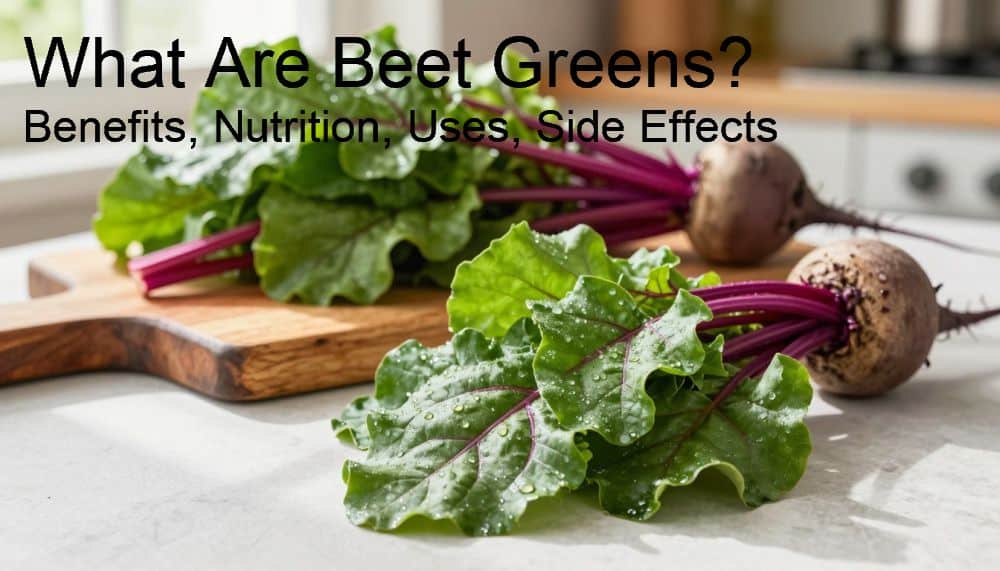
If you want to improve your daily diet, it is time to learn more about beet potential. Understanding the nutrition facts behind these leaves helps you make smarter choices at the grocery store. By exploring the various benefits of beet greens, you can maximize the health value of every single purchase. Whether you sauté them or add them to a fresh salad, a single beet green provides a delicious way to boost your wellness journey.
Key Takeaways
- These leafy tops are a nutrient-dense addition to any meal.
- They offer a high concentration of essential vitamins and minerals.
- Incorporating these leaves helps reduce food waste in your kitchen.
- They provide a versatile flavor profile for various cooking methods.
- Learning about their health impact supports a balanced, whole-food diet.
Understanding Beet Greens and Their Nutritional Profile
If you have ever bought a whole beet, you might have overlooked the vibrant, leafy greens attached to the top. Many shoppers mistakenly discard these parts, unaware that they are a highly nutrient-dense addition to any meal. Whether you are preparing a red beetroot or a sugar beet, these leaves offer a unique profile of health benefits that deserve a place in your kitchen.
What Exactly Are Beet Greens?
Beet greens are the edible, leafy tops of the beetroot, a common root vegetable found in markets across the United States. While the root is prized for its earthy flavor, the leaves are essentially a separate vegetable with their own distinct culinary potential. When you purchase a bunch of beets, you are essentially getting two vegetables in one.
Comparing Beet Greens to Other Leafy Vegetables
When comparing these to other leafy greens like spinach or chard, beet greens stand out for their robust texture and flavor. They offer a similar versatility in the kitchen but bring a slightly more earthy taste to the table. Many people find that they hold up better during cooking than more delicate greens.
- Spinach: Often softer and milder in flavor.
- Chard: Similar in structure but with thicker, crunchier stems.
- Beet Greens: A perfect balance of flavor and nutritional benefits.
Key Vitamins and Minerals Found in Beet Leaves
The nutritional profile of these leaves is truly impressive. Beet greens contain significant amounts of essential vitamins and minerals that support overall bodily functions. Incorporating them into your diet is an easy way to boost your daily intake of vital micronutrients.
These leaves are particularly rich in the following:
- Vitamin C: A powerful antioxidant that supports immune health.
- Folate: Essential for cell division and healthy blood cells.
- Manganese: A key mineral for bone health and metabolism.
By choosing to eat the whole vegetable, you ensure that you are getting the most out of your produce. Whether you enjoy them raw or cooked, beets and beet greens provide a comprehensive package of health-promoting compounds.
The Impressive Health Benefits of Beet Greens
Beyond their vibrant color, beet greens offer a wealth of nutritional advantages for your daily routine. These often-discarded leaves are actually a nutritional powerhouse, providing many health benefits that support overall wellness. By choosing to eat these greens, you can reduce your risk of chronic conditions while enjoying a delicious addition to your meals.
Supporting Heart Health and Blood Flow
Beets are rich in natural nitrates, which the body converts into nitric oxide. This compound helps to improve blood flow by relaxing and widening your blood vessels. As a result, your cardiovascular system functions more efficiently, which is vital for maintaining healthy blood pressure levels.
Regular consumption of these greens may also help manage cholesterol levels. By supporting better circulation, beet greens helps protect against the development of heart disease. Many experts agree that these greens are a simple, natural way to prioritize your heart health.
“The inclusion of nitrate-rich vegetables in a balanced diet is a cornerstone of cardiovascular health and long-term vitality.”
Managing Blood Sugar and Type 2 Diabetes
For those monitoring their glucose levels, these greens are a fantastic choice. Research suggests that incorporating these leaves into your diet may help manage blood sugar levels, which is particularly relevant for those concerned about type 2 diabetes. The high fiber content slows the absorption of sugar, preventing sharp spikes after meals.
Furthermore, the health benefits of beets extend to their ability to improve insulin sensitivity. Because they are low in calories but high in nutrients, they are a great addition to any diabetic-friendly meal plan. Consistent intake can lead to more stable energy levels throughout the day.
Antioxidant Properties and Reducing Oxidative Stress
These greens are packed with specific pigments that act as powerful antioxidants. These compounds are essential for reducing oxidative stress throughout the body, which can otherwise damage cells and lead to inflammation. By neutralizing free radicals, these nutrients support your immune system and promote cellular health.
The green benefits are particularly notable for pregnant women, as the nutrients support healthy development and provide essential vitamins. Whether you are looking to boost your daily intake or simply want to feel your best, these leaves offer a concentrated dose of wellness. Adding them to your plate is a smart, proactive step toward a healthier lifestyle.
Deep Dive into Beet Greens Nutrition Facts
When you look closely at beet greens nutrition facts, you discover a wealth of essential vitamins and minerals. These vibrant leaves are often discarded, yet they serve as an excellent source of vital compounds that support your body’s daily functions. By following this guidance on nutrition, you can ensure your meals provide the fuel necessary for peak performance.
Fiber Content and Digestive Health
Beet greens are a great way to increase your intake of dietary fiber. This nutrient is essential for maintaining a healthy digestive system and keeping your gut microbiome balanced. Because they are a reliable source of fiber, these greens help regulate digestion and promote long-term wellness.
The Role of Vitamin K and Calcium for Bone Strength
Beet greens are high in vitamin K, which is critical for bone mineralization and density. When paired with calcium, this nutrient profile becomes a powerful tool for skeletal health. Since greens are high in vitamin K, they are also a good source of support for those looking to maintain strong bones as they age.
Potassium and Magnesium for Electrolyte Balance
Maintaining proper hydration requires more than just water; it requires electrolytes. Beet greens contain significant amounts of potassium and magnesium, which are vital for muscle function and nerve signaling. Because beets are an excellent source of these minerals, they help keep your body in balance throughout the day.
The following table highlights why beets are a good source of essential micronutrients compared to other common leafy vegetables.
| Nutrient | Beet Greens | Spinach | Kale |
|---|---|---|---|
| Vitamin K | High | High | High |
| Potassium | Excellent | Moderate | Moderate |
| Magnesium | Good | Good | Moderate |
| Folate | Present | High | Moderate |
Nutrition research consistently shows that incorporating these leaves into your diet provides a boost of vitamin C, manganese, and folate. Beet greens are also a versatile addition to any kitchen. By prioritizing these nutrient-dense foods, you provide your body with the foundation it needs to thrive.
How Beet Greens Impact Blood Pressure and Circulation
If you are looking for natural ways to support your heart, the secret might be hiding in your vegetable drawer. Many people overlook the leafy tops of beets, yet these greens are packed with compounds that actively improve blood flow. By making small adjustments to your diet, you can effectively regulate blood pressure and support your overall cardiovascular system.
The Science Behind Nitrates in Beets
The primary reason beets contain such potent health properties is their high concentration of natural nitrates in beets. Once consumed, your body converts these nitrates into nitric oxide, a molecule that helps relax and widen your blood vessels. This process is essential for maintaining healthy circulation and reducing the strain on your heart.
Dietary nitrates found in vegetables like beet greens act as a natural vasodilator, which is a cornerstone of maintaining healthy blood pressure levels.
— Nutritional Science Journal
Comparing Beetroot Juice Supplementation to Whole Greens
While many individuals rely on beetroot juice supplementation for a quick boost, eating the whole plant offers a more balanced nutritional profile. The effects of beetroot juice are often concentrated, but whole greens provide fiber and other micronutrients that support long-term heart health. Choosing whole foods helps you reduce your risk of heart disease while also managing cholesterol levels more effectively.
| Feature | Beetroot Juice | Whole Beet Greens |
|---|---|---|
| Nitrate Density | Very High | Moderate |
| Fiber Content | None | High |
| Preparation Time | Instant | Requires Cooking |
| Overall Value | Convenience | Nutrient Synergy |
Practical Tips for Regulating Blood Pressure Naturally
To maximize the health benefits of beets, try incorporating them into your meals at least twice a week. You can lightly sauté the leaves or blend them into smoothies to ensure you get the full spectrum of nutrients. Remember that the effects of beetroot juice supplementation are best supported by a diet rich in diverse, whole vegetables.
Consistency is key when you want to see a positive impact on your blood pressure. By choosing fresh, organic produce, you ensure that you are getting the highest quality nitrates available. Always consult with your doctor if you are currently taking medication for heart disease to ensure these dietary changes align with your specific needs.
Culinary Uses: How to Prepare and Eat Beet Greens
Learning how to handle beet greens is a simple skill that unlocks a world of flavor in your kitchen. Whether you enjoy them cooked or raw, these nutritious leaves offer a unique taste that rivals other popular leafy vegetables. Understanding the best way to prepare beet greens will ensure you get the most out of every bunch you bring home.
Cleaning and Storing Your Fresh Greens
Before you begin cooking, it is essential to wash the leaves thoroughly to remove any hidden grit or soil. You might find it easier to peel the beets themselves once the greens are removed and set aside. To keep them fresh, wrap the beet greens and stems in a damp paper towel and place them in a sealed bag inside your refrigerator.
Proper storage helps maintain their crispness for several days. When you are ready to use them, simply tear the beet greens into smaller, manageable pieces. This technique ensures even cooking and makes them much easier to handle during the preparation process.
Simple Sautéing Techniques for the Best Flavor
Sautéing is a fantastic way to enjoy your greens, as it brings out their natural, earthy sweetness. You can treat them much like chard or spinach by wilting them quickly in a hot pan with a little olive oil and garlic. Adding beet greens to a pan with a splash of lemon juice creates a delicious side dish that pairs well with almost any protein.
Don’t be afraid to use the stems, as they provide a satisfying crunch when chopped finely. If you like beets, you will likely appreciate the subtle, savory profile of the sautéed leaves. This simple beet green recipe is a staple for anyone looking to incorporate more color into their daily meals.
Incorporating Raw Greens into Salads and Smoothies
For those who prefer to eat beets and their tops raw, there are many creative options available. You can toss young, tender leaves into a fresh salad for a peppery kick that balances out sweeter ingredients. The vibrant color of the leaves adds a beautiful visual appeal to any bowl of mixed greens.
If you are looking for a quick nutrient boost, try adding beet greens to your favorite morning smoothie. Blending them with fruits like berries or bananas masks the earthy flavor while providing a massive dose of vitamins. It is a convenient way to eat beet greens without needing to spend extra time at the stove.
Creative and Healthy Recipes for Your Kitchen
Exploring healthy recipes is the best way to ensure you actually enjoy eating your greens on a regular basis. Many home cooks find that once they learn how to handle these vibrant leaves, they become a staple in their weekly meal rotation. Whether you prefer them cooked or raw, there are endless ways to enjoy the nutritional benefits of this versatile vegetable.
Garlic and Lemon Sautéed Beet Greens
A classic beet green recipe involves a quick sauté with aromatic garlic and fresh lemon juice. This method highlights the earthy flavor of the leaves without overpowering them. Simply heat a splash of olive oil in a pan, add minced garlic, and toss in your washed greens until they are tender.
Finish the dish with a squeeze of lemon to brighten the profile. This simple side dish pairs perfectly with grilled proteins or roasted root vegetables. It is an excellent way to eat beet greens if you are just starting to experiment with them.
Adding Beet Greens to Hearty Soups and Stews
If you enjoy making soups, adding beet greens to your pot is a brilliant strategy. The leaves wilt down quickly and absorb the savory flavors of the broth, much like spinach or kale. You can stir them into a vegetable minestrone or a beef stew during the last few minutes of cooking.
This technique is perfect for those who do not always like beets but want the health benefits of the plant. The greens add a beautiful pop of color and a boost of fiber to any bowl. They integrate seamlessly into almost any liquid-based meal.
Blending Greens into Nutrient-Dense Green Smoothies
For a quick morning boost, blending these greens into a smoothie is a game-changer. You can easily mask the taste by combining them with sweet fruits like bananas, berries, or pineapple. This allows you to consume a massive nutrient hit without even noticing the vegetable base.
While some people enjoy raw beets in salads, the smoothie method is often more approachable for beginners. It provides a refreshing start to your day while ensuring you get your daily dose of vitamins. Below is a quick reference guide for preparing your greens using different culinary techniques.
| Preparation Method | Best For | Flavor Profile |
|---|---|---|
| Sautéing | Side dishes | Savory and bright |
| Soup/Stew | Hearty meals | Soft and earthy |
| Blending | Morning smoothie | Sweet and hidden |
| Raw | Fresh salad | Crisp and bold |
Potential Side Effects and Considerations
Understanding the nuances of your diet helps you maximize the health benefits of beet greens safely. While these leafy vegetables are packed with nutrients, they are not suitable for everyone in unlimited quantities. Being aware of these factors ensures you can enjoy your meals without unexpected health issues.
Oxalates and Kidney Stone Risks
One primary concern is that beets are rich in oxalates. These naturally occurring compounds can bind with calcium in the body, potentially leading to the formation of kidney stones in susceptible individuals. If you have a history of kidney issues, it is best to consume beet greens in moderation.
Reducing your intake of high-oxalate foods is a common recommendation for those prone to stones. By balancing your diet with other leafy vegetables, you can still enjoy the many health benefits these plants offer. Always speak with a medical professional if you are concerned about your specific dietary needs.
Interactions with Blood-Thinning Medications
Another important factor involves the high vitamin K content found in these leaves. Vitamin K plays a significant role in blood clotting, which can interfere with the effectiveness of certain blood-thinning medications. If you are currently prescribed these drugs, you should consult your doctor before making significant changes to your intake.
This interaction is not limited to greens; it also applies to other sources of vitamin K. Maintaining a consistent level of intake is often more important than avoiding the food entirely. Your healthcare provider can help you determine if beet greens in moderation fit into your current treatment plan.
Why Moderation is Key for Certain Individuals
Beyond specific medical conditions, there are other harmless effects to keep in mind. For instance, the natural pigment in beets can cause your urine or stool to turn a reddish color. While this can be alarming, it is a normal reaction and not a sign of illness.
Furthermore, while beets are a great addition to a balanced diet, they should not replace medical treatments for conditions like type 2 diabetes or hypertension. Whether you are using beetroot juice or whole leaves, remember that beet greens helps support wellness as part of a varied lifestyle. The following table summarizes key considerations for your health journey.
| Consideration | Potential Impact | Recommended Action |
|---|---|---|
| Oxalate Content | Kidney stone risk | Eat in moderation |
| Vitamin K | Blood thinner interaction | Consult your doctor |
| Natural Pigment | Urine color change | Do not be alarmed |
| Nitrate Levels | Blood pressure support | Enjoy as part of diet |
By keeping these points in mind, you can safely integrate these powerful greens into your routine. Whether you are interested in the effects of beetroot juice or the green benefits of the leaves, balance remains the golden rule. Enjoy your journey toward better health with informed choices.
Tips for Selecting and Storing the Best Produce
Freshness is the secret ingredient to unlocking the full potential of your favorite root vegetable. When shopping, look for vibrant, crisp leaves that show no signs of wilting or yellowing. A high-quality vegetable should feel firm to the touch, indicating it is a good source of nutrients and flavor.

Identifying Freshness at the Market
When you browse the produce aisle, check the beet leaves carefully. Avoid bunches where the greens look slimy or excessively limp, as these are past their prime. If you are buying red beetroot, ensure the skin is smooth and free of deep cracks or soft spots.
Remember that beets are also sold with their tops attached. Choosing these ensures you get the freshest possible beet greens for your kitchen. Whether you are buying a sugar beet or a standard variety, the appearance of the foliage is a reliable indicator of overall quality.
Proper Storage Methods to Extend Shelf Life
Once you arrive home, it is vital to separate the leaves from the root vegetable immediately. If left attached, the greens will draw moisture away from the root, causing both to lose their crisp texture. This simple step makes it easier to peel the beets later on.
To keep your beetroots and beet greens fresh, wrap the leaves loosely in a damp paper towel and place them in a sealed bag. Store them in the crisper drawer of your refrigerator to maintain humidity. By following these steps, you can enjoy your beets and beet harvest for several days.
Preparing the Stems versus the Leaves
Many people mistakenly discard the stalks, but beet greens and stems are both edible and delicious. You do not need to tear the beet greens away from the stems if you plan to cook them together. Simply chop the stems into smaller pieces, as they take slightly longer to soften than the delicate leaves.
When working with raw red beetroot, you can use the stems in stir-fries or soups for added crunch. They provide a wonderful texture that complements the tender leaves perfectly. With proper preparation, every part of this versatile plant can be transformed into a nutritious meal.
Conclusion
Beet Greens are an excellent source of vital nutrients that transform simple meals into powerhouses of wellness. These leafy tops provide a significant boost to your daily intake of essential minerals.
Beet greens are high in fiber, which supports smooth digestion and long-term gut health. You will find that beet greens are a great way to increase your intake of dietary fiber without adding heavy calories to your plate.
Nutrition research highlights that these leaves are a reliable source of potassium and magnesium. Because beets are a good source of these electrolytes, they help maintain your body’s natural balance. Beets are an excellent source of vitamins that keep your immune system strong.
You can learn more about beet preparation by experimenting with various healthy recipes in your own kitchen. Whether you choose to sauté them or blend them into a smoothie, remember that beet greens are also a versatile addition to any diet.
High in vitamin content, these greens offer a simple path toward better health. Seek professional guidance on nutrition if you have specific medical needs. Enjoy your beet greens in moderation to maximize their benefits while keeping your meals exciting and fresh.
FAQ
Can you actually eat beet greens, or are they just for garnish?
You can absolutely eat beet greens! While many people focus on the beetroot, the beet leaves are a root vegetable powerhouse that are completely edible. They are a good source of dietary fiber and provide many health benefits whether they are enjoyed in a salad or cooked into healthy recipes. If you learn more about beet plants, you will find that the entire whole beet is usable and delicious.
What are the primary health benefits of beet greens?
The health benefits of beet greens are extensive. They are high in vitamin K, vitamin C, and vitamin A. These leafy greens also provide a significant source of potassium, magnesium, calcium, and manganese. Because beet greens are an excellent source of folate, they are highly recommended for pregnant women to support healthy development. Additionally, beets are rich in a natural pigment that acts as a powerful antioxidant to fight oxidative stress.
How do beet greens help regulate blood pressure and heart health?
The nitrates in beets and their greens are converted by the body into nitric oxide, which helps improve blood flow and regulate blood pressure. This process can significantly reduce your risk of heart disease and help manage cholesterol levels. While some people prefer beetroot juice supplementation, consuming beetroots and beet greens provides the added benefit of fiber, which is essential for cardiovascular and digestive health.
Are beet greens a good choice for someone with type 2 diabetes?
Yes, beet greens are a great addition to a diabetic diet. They are a significant source of fiber, which helps slow sugar absorption. Furthermore, nutrition research suggests that the antioxidant alpha-lipoic acid found in these leafy vegetables may help increase insulin sensitivity, making them beneficial for managing type 2 diabetes.
How do beet greens compare to other vegetables like spinach or chard?
When comparing beet greens to vegetables like beets, spinach, or chard, you will find they are very similar in nutritional benefits. However, beet greens contain even higher concentrations of certain vitamins and minerals, particularly vitamin K. Like sugar beet leaves and red beetroot tops, these leafy portions are an excellent source of nutrient density that can rival any other leafy greens in your smoothie or pan.
What is the best way to prepare beet greens for a meal?
A simple and delicious way to prepare beet greens is to sauté them with garlic and lemon. You can also tear the beet greens and add them to soups or use raw beets and their leaves in a smoothie. When working with raw red beetroot, it is often easier to peel the beets after you have removed the beet greens and stems. Adding beet greens to your favorite beet green recipe is an easy way to boost your nutrition facts for the day.
Is there a difference between the effects of beetroot juice and eating the whole beet?
The effects of beetroot juice supplementation are often studied for their immediate impact on athletic performance and blood flow. However, while beetroot juice or beet juice is a concentrated source of potassium and nitrates, eating the whole beet ensures you get the dietary fiber. Both beets and beet greens help regulate blood pressure, but the leafy greens offer more vitamin K and calcium.
Are there any side effects I should be aware of when I eat beets?
While beets are an excellent source of nutrition, they are high in oxalates. Therefore, people prone to kidney stones should consume beet greens in moderation. Additionally, because these greens are high in vitamin K, they can interact with blood-thinning medications like Warfarin. Always seek guidance on nutrition from a doctor if you are on medication. You may also notice a harmless change in urine color due to the pigment in the red beetroot.
How can I identify the freshest beetroots and beet greens at the grocery store?
When shopping, look for beetroots and beet greens where the leaves are vibrant, firm, and not wilted. Beets are a good source of nutrients only when they are fresh. Once you get them home, it is a great idea to separate the beet root from the leafy greens to prevent moisture loss. This helps the beet greens helps maintain their nutritional benefits for a longer period in the refrigerator.