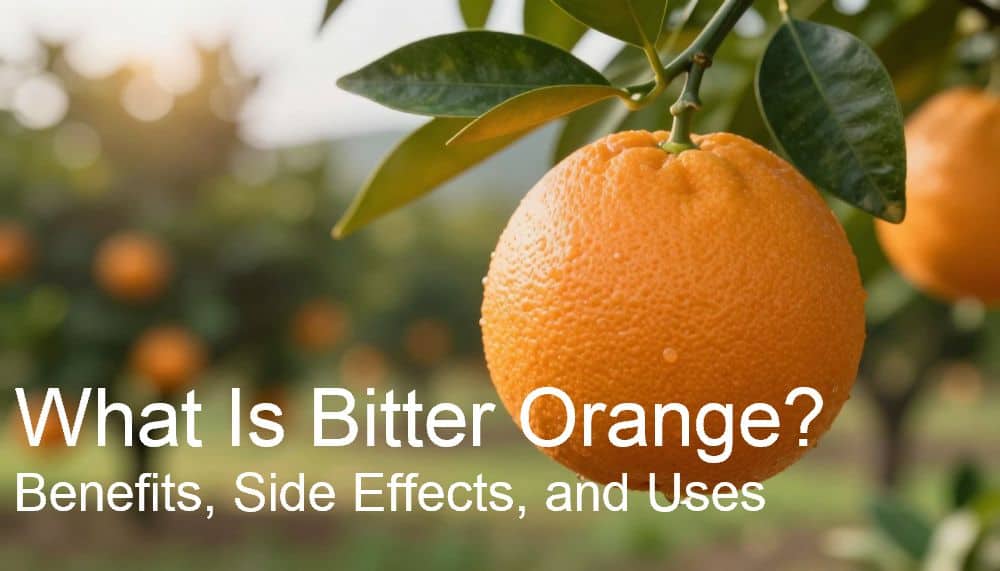
Bitter orange, also known as Citrus aurantium, has been used for centuries in traditional medicine and as a dietary supplement.
Native to Southeast Asia, this citrus fruit has traveled the world, becoming a staple in various cultures. Its uses range from weight loss supplements to culinary delights.
The historical significance of bitter orange is undeniable, with its peel being used in marmalades and its extracts in traditional medicine.
Key Takeaways
- Bitter orange is a citrus fruit used in traditional medicine and dietary supplements.
- It is known scientifically as Citrus aurantium.
- The fruit has been used for weight loss and other health benefits.
- Its peel is used in culinary delights like marmalades.
- Bitter orange extracts have been used in traditional medicine for various purposes.
What Is Bitter Orange?
Bitter orange, known scientifically as Citrus aurantium, is a fruit with a rich history and multiple uses. It belongs to the Rutaceae family and is characterized by its sour taste and numerous applications in culinary, medicinal, and cultural practices.
The Bitter Orange Plant (Citrus Aurantium)
The bitter orange plant is an evergreen tree that can grow up to 10 meters in height. It has dark green, glossy leaves and fragrant white flowers. The fruit is a hesperidium, a type of berry with a leathery rind, and is typically harvested when it is unripe or ripe, depending on its intended use.
Historical Background and Cultural Significance
Bitter orange has a rich historical background, having been cultivated for thousands of years. It is believed to have originated in Southeast Asia and was later introduced to the Mediterranean region by the Arabs. The fruit has played a significant role in various cultures, being used in traditional medicine, cuisine, and rituals.
Different Names: Seville Orange, Sour Orange, and More
Bitter orange is known by several names, including Seville orange and sour orange. These names often reflect the fruit’s sour taste or its association with specific regions. The variety of names highlights the fruit’s widespread use and cultural significance across different parts of the world.
In summary, bitter orange or Citrus aurantium is a versatile fruit with a deep-rooted history and multiple applications. Its various names and cultural significance underscore its importance in human society.
Nutritional Profile and Composition
Bitter orange, known for its medicinal properties, boasts a complex nutritional profile that includes several key nutrients. The fruit is rich in vitamins, minerals, and bioactive compounds that contribute to its potential health benefits.
Essential Nutrients and Compounds
Bitter orange is a good source of dietary fiber, vitamin C, and potassium. It also contains various flavonoids and limonoids, which are known for their antioxidant properties. The presence of these compounds makes bitter orange a valuable ingredient in both culinary and medicinal applications.
Active Ingredients: P-Synephrine and Other Alkaloids
One of the key active ingredients in bitter orange is p-synephrine, a natural compound that has been shown to have potential weight management and cardiovascular effects. Bitter orange also contains other alkaloids, such as octopamine and tyramine, which may contribute to its overall pharmacological activity.
Comparison with Sweet Orange
While both bitter and sweet oranges belong to the Citrus genus, they have distinct nutritional profiles. Bitter orange contains higher concentrations of certain bioactive compounds, such as p-synephrine, compared to sweet orange. The following table highlights some of the key differences in their nutritional composition:
| Nutrient | Bitter Orange | Sweet Orange |
|---|---|---|
| P-Synephrine | High Concentration | Low Concentration |
| Vitamin C | Moderate | High |
| Dietary Fiber | High | Moderate |
This comparison underscores the unique nutritional profile of bitter orange, making it a valuable fruit for various uses.
Health Benefits of Bitter Orange
Bitter orange is a fruit with a multitude of health benefits, supported by both traditional use and modern research. Its various parts, including the peel, pulp, and juice, have been utilized in different ways to promote health and well-being.
Digestive Health Benefits
Bitter orange has been traditionally used to support digestive health. The peel of the fruit, when consumed as a tea or in capsule form, is believed to aid in digestion and relieve symptoms of indigestion and bloating. The high concentration of flavonoids and alkaloids in bitter orange may contribute to its digestive benefits.
Potential Anti-inflammatory Properties
Research suggests that bitter orange may possess anti-inflammatory properties, which could be beneficial in reducing inflammation and alleviating symptoms associated with various health conditions. The anti-inflammatory effects are thought to be partly due to the presence of compounds like naringenin and hesperidin.
Antimicrobial Effects
Bitter orange has been found to exhibit antimicrobial properties, making it potentially useful in combating certain infections. The essential oil extracted from the peel is particularly noted for its antimicrobial activity against a range of pathogens.
Traditional Medicinal Applications
For centuries, bitter orange has been used in traditional medicine for various purposes, including as a treatment for digestive issues, anxiety, and as an antiseptic. Its versatility in traditional medicine is a testament to its perceived health benefits. While modern research is ongoing to validate these uses, the historical context provides valuable insight into its potential applications.
In conclusion, bitter orange offers a range of health benefits, from supporting digestive health to potentially reducing inflammation and fighting off infections. As research continues to uncover the full extent of its benefits, incorporating bitter orange into one’s health regimen could be a valuable consideration.
Bitter Orange for Weight Management
Bitter orange, known for its various health benefits, is also explored for its effects on weight management. The potential of bitter orange to aid in weight loss is attributed to its active compounds, particularly p-synephrine, which is believed to influence metabolism.
How Bitter Orange Affects Metabolism
Bitter orange is thought to affect metabolism by increasing the body’s energy expenditure. The p-synephrine in bitter orange is structurally similar to ephedrine, a compound known for its thermogenic effects. Research suggests that p-synephrine can enhance lipolysis, the breakdown of fats, thereby supporting weight loss efforts.
Scientific Research on Weight Loss Effects
Several studies have investigated the weight loss effects of bitter orange, often in combination with other ingredients. A study published in the International Journal of Medical Sciences found that a supplement containing bitter orange extract resulted in significant weight loss in obese adults. However, more research is needed to conclusively determine its efficacy as a standalone weight loss agent.
Comparison with Other Weight Loss Supplements
When comparing bitter orange to other weight loss supplements, its unique composition and mechanism of action set it apart. Unlike some supplements that may rely on a single active ingredient, bitter orange contains a variety of bioactive compounds that may contribute to its weight loss effects.
Efficacy and Safety Considerations
While bitter orange shows promise for weight management, it’s crucial to consider both its efficacy and safety. The efficacy of bitter orange for weight loss is supported by some studies, but concerns regarding its safety, particularly when used in conjunction with other stimulants, have been raised. Therefore, individuals considering bitter orange for weight loss should consult with a healthcare professional to discuss potential benefits and risks.
Bitter Orange Supplements and Extracts
The market offers a variety of bitter orange supplements and extracts, each with its own set of benefits and considerations. These products cater to different needs and preferences, making it essential for consumers to be informed.
Different Forms of Supplements
Bitter orange supplements are available in several forms, including capsules, tablets, and powders. Each form has its advantages, such as ease of use or precise dosage control. Capsules, for instance, are convenient for daily supplementation, while powders can be easily mixed into beverages or recipes.
Recommended Dosages
The recommended dosage of bitter orange supplements can vary based on the product and its intended use. Typically, dosages range from 300 to 900 mg per day. It’s crucial to follow the manufacturer’s instructions and consult with a healthcare professional to determine the best dosage for individual needs.
What to Look for When Purchasing
When purchasing bitter orange supplements, several factors should be considered to ensure quality and safety. Look for products that have undergone third-party testing and have certifications from reputable organizations.
Quality Indicators and Certifications
- Good Manufacturing Practice (GMP) certification ensures that the product is manufactured in a facility that adheres to strict quality standards.
- NSF International certification indicates that the product has been tested for quality and purity.
- Label transparency is also crucial; look for products with clear labeling that includes ingredient lists and dosage instructions.
Bitter Orange Essential Oil and Its Applications
Extracted from the peels of bitter oranges, the essential oil is a concentrated form that captures the plant’s potent bioactive compounds. This oil has been increasingly popular for its various health and wellness applications.
Properties and Extraction Methods
Bitter orange essential oil is typically extracted using a process known as cold pressing, which involves mechanically squeezing the oil from the peel. This method preserves the oil’s natural aroma and therapeutic properties. The oil is rich in limonene, a compound known for its antioxidant properties.
Key Properties:
- Antimicrobial
- Anti-inflammatory
- Antioxidant
Aromatherapy Uses
In aromatherapy, bitter orange essential oil is valued for its uplifting and calming effects. It is often used to reduce stress and anxiety. When inhaled, it can help improve mood and promote relaxation.
“Aromatherapy with bitter orange essential oil can be a powerful tool for managing stress and promoting overall well-being.” – Dr. Jane Smith, Aromatherapy Expert
Topical Applications and Precautions
When used topically, bitter orange essential oil can be beneficial for skin health, helping to reduce inflammation and fight against certain bacteria. However, it is crucial to dilute the oil with a carrier oil to avoid skin irritation.
| Application | Precaution |
|---|---|
| Topical use for skin issues | Dilute with carrier oil |
| Aromatherapy for stress relief | Use in a well-ventilated area |
As with any essential oil, it is recommended to perform a patch test before widespread use and to consult with a healthcare professional, especially for individuals with sensitive skin or allergies.
Culinary Uses of Bitter Orange
Bitter orange’s culinary applications are diverse, ranging from desserts to marinades. This fruit has been a staple in many cuisines around the world, particularly in European and Middle Eastern cooking.
Bitter Orange in Global Cuisines
Bitter orange is used in various traditional dishes across different cultures. In Mediterranean cuisine, it’s often used in savory dishes and stews. In contrast, in many Western cuisines, it’s primarily used for making marmalades and preserves.
Marmalade and Preserves
One of the most popular uses of bitter orange is in the making of marmalade. The bitterness of the fruit is balanced by the addition of sugar, creating a tangy and sweet preserve. Bitter orange is also used to make other preserves, adding flavor to various desserts and breakfast dishes.
Bitter Orange Juice and Zest in Cooking
The juice and zest of bitter orange are used to add flavor to a variety of dishes. The juice is often used in marinades for meats, while the zest is used in baked goods and desserts, providing a citrusy flavor.
| Culinary Use | Description |
|---|---|
| Marmalade | A sweet and tangy preserve made from bitter orange |
| Marinades | Bitter orange juice is used to marinate meats and fish |
| Baked Goods | Bitter orange zest adds flavor to cakes, cookies, and pastries |
Side Effects and Safety Concerns
While bitter orange offers several health benefits, it’s crucial to be aware of its potential side effects and safety concerns. Bitter orange contains p-synephrine, a compound that can affect the body in various ways, leading to both positive and negative outcomes.
Cardiovascular Effects
One of the primary concerns with bitter orange is its impact on the cardiovascular system. The p-synephrine in bitter orange can cause:
- Increased heart rate
- Elevated blood pressure
- Potential cardiovascular strain
Individuals with pre-existing heart conditions should exercise caution when consuming bitter orange supplements or products.
Potential Adverse Reactions
Bitter orange can cause a range of adverse reactions, including:
- Digestive issues such as nausea and stomach upset
- Headaches and dizziness
- Allergic reactions in sensitive individuals
It’s essential to monitor your body’s response when introducing bitter orange into your regimen.
Safety Guidelines and Recommendations
To minimize risks associated with bitter orange, follow these safety guidelines:
- Consult with a healthcare professional before starting any supplement
- Follow recommended dosages carefully
- Be aware of potential interactions with other medications
By being informed and cautious, you can safely incorporate bitter orange into your health routine.
Regulatory Status in the United States
In the United States, bitter orange is generally recognized as safe (GRAS) for use in food and dietary supplements. However, the FDA does not approve or regulate dietary supplements in the same way as pharmaceutical drugs. Therefore, it’s crucial to choose products from reputable manufacturers to ensure quality and safety.
Conclusion: Balancing the Benefits and Risks of Bitter Orange
Bitter orange, known for its versatility and historical significance, offers various health benefits, from digestive aid to potential weight management effects. However, it’s crucial to be aware of the potential risks associated with its use, particularly when consumed as a supplement or in large quantities.
To safely harness the benefits of bitter orange, individuals should be mindful of the recommended dosages and potential interactions with other medications. The cardiovascular effects and adverse reactions associated with bitter orange supplements underscore the importance of consulting healthcare professionals before use.
By understanding the benefits and risks, consumers can make informed decisions about incorporating bitter orange into their health regimen, whether for its medicinal properties, culinary applications, or as a supplement. Balancing these aspects is key to maximizing the advantages while minimizing the risks.
In conclusion, bitter orange can be a valuable addition to a healthy lifestyle when used responsibly and with awareness of its potential effects.
FAQ
What is bitter orange, and how is it used?
Bitter orange, also known as Citrus aurantium, is a citrus fruit used in various applications, including dietary supplements, culinary purposes, and traditional medicine. Its extracts and essential oils are utilized for their potential health benefits and flavor.
What are the health benefits of bitter orange?
Bitter orange is associated with several health benefits, including digestive health benefits, potential anti-inflammatory properties, and antimicrobial effects. It has been used in traditional medicine for various purposes.
Can bitter orange help with weight loss?
Bitter orange, particularly its extract containing p-synephrine, is sometimes used in weight loss supplements due to its potential metabolism-boosting effects. However, its efficacy and safety for weight loss are subjects of ongoing debate.
What are the potential side effects of bitter orange?
Bitter orange can cause cardiovascular effects, such as increased heart rate and blood pressure, due to its p-synephrine content. Other potential side effects include headaches and adverse reactions when combined with certain medications.
Is bitter orange safe to use?
The safety of bitter orange is a concern due to its potential cardiovascular effects and interactions with medications. It is considered possibly unsafe by some regulatory bodies, and its use should be approached with caution, following recommended dosages and guidelines.
How is bitter orange essential oil used?
Bitter orange essential oil is used in aromatherapy for its uplifting properties and in topical applications for its potential skin benefits. However, it should be used with caution and in diluted form to avoid skin irritation.
Can I consume bitter orange juice or zest in cooking?
Yes, bitter orange juice and zest are used in various culinary applications, such as making marmalade and preserves, and adding flavor to dishes. However, the fruit is quite sour, so it’s often used in small amounts or cooked with sugar.
What is the regulatory status of bitter orange in the United States?
Bitter orange is regulated as a dietary supplement ingredient in the United States. While it’s not entirely banned, its use is subject to certain guidelines and regulations, particularly concerning its p-synephrine content.
Can bitter orange interact with medications?
Yes, bitter orange can interact with certain medications, such as diabetes medications, and may cause serious side effects when taken along with other substances like caffeine or certain prescription drugs.
What precautions should I take when using bitter orange supplements?
When using bitter orange supplements, it’s essential to follow the recommended dosages, be aware of the potential side effects, and consult with a healthcare professional, especially if you’re taking other medications or have health conditions.