Have you ever wondered how your body burns calories and produces heat? This process is known as thermogenesis, a vital aspect of your metabolism. Thermogenesis is the body’s natural way of generating energy and maintaining its internal temperature.
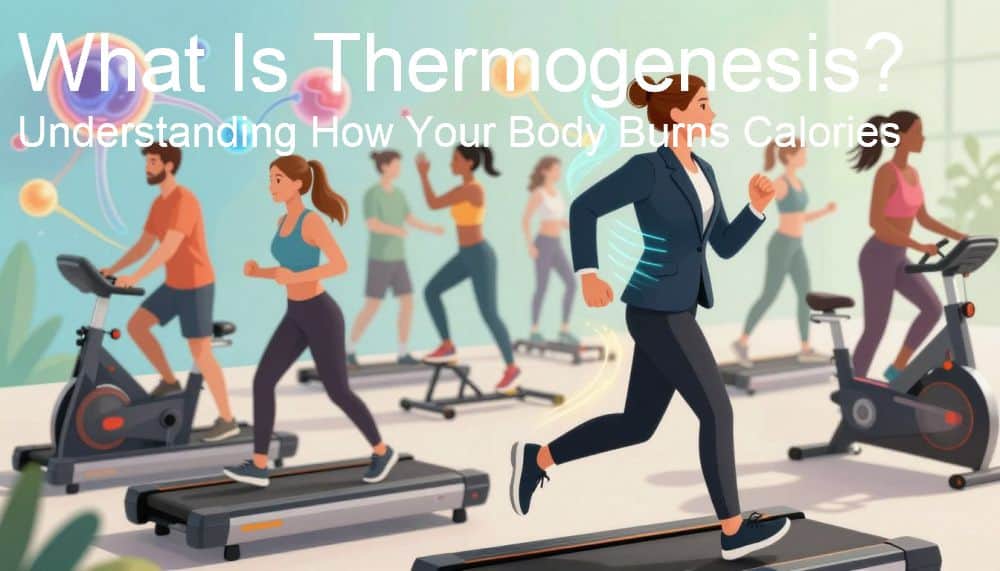
Your body’s metabolic rate is influenced by various factors, including genetics, diet, and exercise. When you consume food, your body expends energy to digest and process nutrients, resulting in energy expenditure. This process contributes to your overall calorie burn, helping you maintain a healthy weight.
Key Takeaways
- Thermogenesis is the body’s natural process of generating heat and energy.
- Metabolism plays a crucial role in thermogenesis and overall energy expenditure.
- A healthy diet and regular exercise can influence your metabolic rate.
- Understanding thermogenesis can help you make informed decisions about your weight management.
- A higher metabolic rate can result in increased calorie burn.
The Science of Thermogenesis: How Your Body Produces Heat
At its core, thermogenesis is about how our bodies produce heat, a vital function for maintaining various physiological processes. This complex process involves the breakdown of nutrients to generate heat, which is then used to maintain our bodily functions.
Definition and Basic Mechanisms
Thermogenesis refers to the process by which the human body generates heat, primarily through the breakdown of nutrients such as carbohydrates, fats, and proteins. This process occurs in various tissues, with brown adipose tissue being particularly significant due to its high thermogenic activity. The basic mechanism involves the activation of certain cellular pathways that lead to the production of heat instead of ATP, the energy currency of the cell.
The process is mediated by various factors, including the sympathetic nervous system and certain hormones like thyroid hormone and adrenaline. Understanding these mechanisms can provide insights into how thermogenesis contributes to our overall energy expenditure.
The Role of Thermogenesis in Energy Expenditure
Thermogenesis plays a crucial role in our energy expenditure, influencing how we burn calories. It is a significant component of our daily energy expenditure, alongside basal metabolic rate and physical activity. By enhancing thermogenesis, it’s possible to increase the number of calories burned, potentially aiding in weight management.
The role of thermogenesis in energy expenditure is multifaceted. It not only helps in burning calories but also supports the maintenance of body temperature. Factors that influence thermogenesis, such as diet, exercise, and environmental temperature, can therefore impact our metabolic rate and overall energy balance.
Types of Thermogenesis Explained
Understanding the different types of thermogenesis can provide insights into how our bodies burn calories. Thermogenesis is a multifaceted process that involves various physiological mechanisms to generate heat and expend energy.
Basal Metabolic Rate (BMR)
Basal Metabolic Rate (BMR) is the energy expended while at rest. It accounts for the largest portion of daily energy expenditure, typically around 60-70%. BMR is influenced by factors such as age, sex, weight, and genetics.
Exercise-Induced Thermogenesis
Exercise-Induced Thermogenesis refers to the energy expended during physical activity. This can range from low-intensity activities like walking to high-intensity exercises such as sprinting. Exercise-induced thermogenesis is a significant contributor to overall energy expenditure and can be increased through regular physical activity.
Non-Exercise Activity Thermogenesis (NEAT)
Non-Exercise Activity Thermogenesis (NEAT) includes the energy expended on daily activities other than exercise, such as fidgeting, walking to work, or doing household chores. NEAT can vary significantly between individuals and can be a substantial component of daily energy expenditure.
Thermic Effect of Food (TEF)
The Thermic Effect of Food (TEF) is the energy required to digest, absorb, and process nutrients from the food we eat. Different macronutrients have varying thermic effects, with protein having the highest TEF.
| Type of Thermogenesis | Description | Contribution to Daily Energy Expenditure |
|---|---|---|
| Basal Metabolic Rate (BMR) | Energy expended at rest | 60-70% |
| Exercise-Induced Thermogenesis | Energy expended during physical activity | 20-30% |
| Non-Exercise Activity Thermogenesis (NEAT) | Energy expended on daily activities other than exercise | 5-10% |
| Thermic Effect of Food (TEF) | Energy required to digest and process nutrients | 5-10% |
Each type of thermogenesis plays a unique role in the body’s overall energy metabolism. Understanding these different types can help individuals tailor their lifestyle and dietary choices to enhance their metabolic health.
The Relationship Between Thermogenesis and Metabolism
Understanding the link between thermogenesis and metabolism is essential for optimizing calorie burn. Thermogenesis, the process by which the body generates heat, plays a significant role in determining metabolic rate. A higher thermogenic rate can lead to increased energy expenditure, which is crucial for weight management and overall metabolic health.
How Thermogenesis Affects Your Metabolic Rate
Thermogenesis directly influences metabolic rate by increasing the body’s energy expenditure. When thermogenesis is heightened, the body burns more calories, even at rest. This is particularly important for individuals looking to lose weight or maintain weight loss. Increased thermogenesis can be achieved through various means, including dietary changes and exercise.
For instance, certain foods have a high thermic effect, meaning they require more energy to digest, thus boosting thermogenesis. Similarly, exercise, especially high-intensity interval training (HIIT), can significantly enhance thermogenic processes.
Factors That Influence Your Metabolic Efficiency
Several factors can influence metabolic efficiency, including genetics, age, and lifestyle. Genetics play a role in determining basal metabolic rate (BMR), while age can affect how efficiently the body burns calories. Lifestyle factors, such as diet and physical activity level, also significantly impact metabolic efficiency.
| Factor | Impact on Metabolic Efficiency |
|---|---|
| Genetics | Determines BMR and influences how the body responds to diet and exercise. |
| Age | Metabolic rate tends to decrease with age, affecting efficiency. |
| Diet | A diet high in protein and certain thermogenic foods can enhance metabolic efficiency. |
| Physical Activity | Regular exercise, especially resistance training, can improve metabolic efficiency. |
Dietary Thermogenesis: How Food Impacts Calorie Burning
Thermogenesis, the process by which our bodies generate heat, is significantly influenced by our diet, affecting how efficiently we burn calories. The food we consume plays a crucial role in this process, with different macronutrients having varying effects on our metabolic rate.
Protein: The Most Thermogenic Macronutrient
Protein is known for its high thermogenic effect. When we consume protein, our body expends more energy to digest and process it compared to carbohydrates or fats. This means that a diet rich in protein can enhance our metabolic rate, aiding in weight management. Foods high in protein, such as lean meats, fish, and legumes, are not only satisfying but also boost our calorie burn.
Carbohydrates and Fats: Their Thermogenic Effects
Carbohydrates and fats also have thermogenic effects, although they are less pronounced than protein. Simple carbohydrates, like those found in sugary snacks, cause a rapid spike in blood sugar, followed by an insulin response that can affect our energy expenditure. On the other hand, complex carbohydrates, such as whole grains, provide a more sustained energy release. Fats, particularly unsaturated fats found in nuts and avocados, have a lower thermogenic effect but are crucial for overall health.
Strategic Eating for Enhanced Thermogenesis
To maximize dietary thermogenesis, it’s beneficial to adopt a strategic eating approach. This includes consuming a balanced diet rich in protein, fiber, and healthy fats. Eating smaller, frequent meals can also help keep our metabolism boosted throughout the day. Additionally, incorporating thermogenic foods like green tea, chili peppers, and whole grains into our diet can further enhance our calorie burn.
Exercise and Thermogenesis: Maximizing Calorie Burn
Exercise plays a crucial role in thermogenesis, the body’s natural process of burning calories to produce heat. By incorporating specific types of exercise into your routine, you can significantly enhance your body’s thermogenic activity, leading to increased calorie burn and improved overall health.
High-Intensity Interval Training (HIIT) and Thermogenesis
High-Intensity Interval Training (HIIT) involves short bursts of high-intensity exercise followed by brief periods of rest. This type of training has been shown to be particularly effective at boosting thermogenesis. HIIT not only burns calories during the exercise itself but also increases the body’s resting energy expenditure for hours afterward. A typical HIIT session might include 30 seconds of sprinting followed by 30 seconds of walking, repeated for 15-20 minutes.
Resistance Training and Its Thermogenic Benefits
Resistance training, such as weightlifting, is another effective way to enhance thermogenesis. By building muscle mass, resistance training increases the body’s resting metabolic rate (RMR), meaning the body burns more calories at rest. Muscle tissue is metabolically active, requiring more energy to maintain than fat tissue. Therefore, the more muscle mass you have, the higher your thermogenic rate will be.
Post-Exercise Oxygen Consumption (EPOC)
Post-Exercise Oxygen Consumption (EPOC) refers to the increased oxygen consumption by the body after exercise, which is associated with an elevated metabolic rate. EPOC is a critical component of exercise-induced thermogenesis, as it represents the body’s energy expenditure after exercise has ceased. The magnitude and duration of EPOC are influenced by the intensity and duration of the exercise. HIIT, in particular, is known to induce a significant EPOC effect, contributing to enhanced calorie burn.
In conclusion, incorporating a mix of HIIT and resistance training into your exercise routine can maximize your body’s thermogenic activity. By understanding and leveraging these exercise strategies, you can enhance your metabolic rate, increase calorie burn, and support your overall health and fitness goals.
Daily Activities That Boost Thermogenesis
Thermogenesis isn’t just about exercise; daily activities play a crucial role in how your body burns calories. While structured workouts are important, non-exercise activity thermogenesis (NEAT) can significantly contribute to your overall energy expenditure.
The Power of Non-Exercise Activity Thermogenesis (NEAT)
NEAT refers to the energy expended on activities that aren’t considered exercise, such as walking, fidgeting, or even doing household chores. Research has shown that NEAT can vary greatly between individuals, depending on factors like occupation, lifestyle, and personal habits. For instance, people with jobs that require them to be on their feet or those who enjoy gardening tend to have higher NEAT levels.
By incorporating more movement into your daily routine, you can potentially increase your NEAT and enhance your body’s ability to burn calories. Simple actions like taking the stairs instead of the elevator or walking to work can make a significant difference.
Simple Ways to Increase Daily Movement
Increasing daily movement doesn’t require a gym membership or a significant time commitment. Here are some easy ways to boost your daily activity levels:
- Take a short walk during your lunch break
- Use a standing desk or walk while on phone calls
- Do household chores yourself instead of hiring someone
- Park further away from your destination to get in extra steps
- Take the stairs instead of the elevator whenever possible
By making these small changes, you can increase your daily movement and enhance your thermogenesis, contributing to a healthier and more energetic you.
Environmental Factors and Adaptive Thermogenesis
Environmental factors play a crucial role in how our bodies regulate temperature and burn calories. Adaptive thermogenesis, the body’s ability to adjust its energy expenditure in response to external factors, is a vital process that helps us maintain a healthy weight and respond to changes in our environment.
One of the most significant environmental factors influencing adaptive thermogenesis is temperature. Both cold and heat can impact how our bodies burn calories, with cold exposure being particularly noteworthy for its potential to activate brown fat, a type of fat that is highly metabolically active.
Cold Exposure and Brown Fat Activation
Cold exposure has been shown to activate brown fat, which is a key player in thermogenesis. When we’re exposed to cold, our bodies work harder to maintain their internal temperature, and this process can increase our metabolic rate. Studies have found that people with more brown fat tend to have a higher metabolic rate and are less likely to be obese.
| Effect of Cold Exposure | Description | Impact on Metabolism |
|---|---|---|
| Brown Fat Activation | Cold stimulates the activation of brown fat | Increased calorie burn |
| Increased Metabolic Rate | The body works harder to maintain its internal temperature | Enhanced energy expenditure |
| Improved Insulin Sensitivity | Cold exposure can enhance the body’s response to insulin | Better glucose metabolism |
How Your Body Adapts to Temperature Changes
Our bodies are incredibly adaptable, and when it comes to temperature changes, we have various mechanisms to maintain our internal temperature. When we’re exposed to cold, we shiver and our metabolism increases to generate heat. Conversely, in hot temperatures, we sweat to cool down. Understanding how our bodies respond to different temperatures can help us harness the power of thermogenesis for our health goals.
Thermogenic Supplements: Do They Really Work?
Thermogenic supplements claim to enhance the body’s ability to burn fat, but do they really work? As the fitness industry continues to grow, these supplements have become increasingly popular among individuals seeking to lose weight quickly.
Thermogenic supplements typically contain a blend of ingredients designed to increase the body’s energy expenditure, thereby enhancing fat loss. But how effective are they, really?
Common Thermogenic Ingredients and Their Effects
Many thermogenic supplements contain ingredients like caffeine, green tea extract, and capsaicin. Caffeine is known for its ability to increase alertness and boost metabolism. Green tea extract contains catechins, which may help in enhancing fat burning. Capsaicin, found in chili peppers, can increase thermogenesis by activating certain receptors in the body.
Other common ingredients include yohimbine and forskolin. Yohimbine is believed to aid in fat loss by blocking alpha-2 adrenergic receptors, while forskolin may help in increasing the breakdown of fat cells.
Safety Considerations and Realistic Expectations
While thermogenic supplements can be effective, it’s crucial to consider their safety. Some ingredients, especially when combined, can lead to adverse effects such as jitteriness, increased heart rate, and digestive issues.
“The safety and efficacy of thermogenic supplements can vary widely depending on their ingredients and the individual’s health status.”
It’s essential to have realistic expectations when using these supplements. They are not a magic solution for weight loss; rather, they should be used in conjunction with a healthy diet and regular exercise.
In conclusion, thermogenic supplements can be a useful addition to a weight loss regimen when used correctly and with caution. Always consult with a healthcare professional before starting any new supplement.
Conclusion: Harnessing Thermogenesis for Your Health Goals
Understanding thermogenesis is crucial for achieving your health goals, particularly when it comes to weight management and improving your metabolic rate. By harnessing thermogenesis, you can increase your body’s calorie burn and enhance your overall metabolic health.
Throughout this article, we’ve explored the different types of thermogenesis, including basal metabolic rate, exercise-induced thermogenesis, and the thermic effect of food. We’ve also discussed how dietary choices, exercise, and daily activities can impact your thermogenic rate.
To maximize the benefits of thermogenesis, focus on incorporating protein-rich foods, engaging in high-intensity interval training, and increasing your daily movement. By making these simple changes, you can boost your metabolic rate and support your weight management goals.
By applying the principles outlined in this article, you can take control of your metabolic health and make progress towards your health goals. Harnessing thermogenesis is a powerful strategy for achieving a healthier, more balanced lifestyle.
FAQ
What is thermogenesis and how does it work?
Thermogenesis is the body’s natural process of producing heat, which is a result of various cellular activities. It plays a crucial role in energy expenditure and calorie burn, helping to regulate body weight and metabolic rate.
How does exercise impact thermogenesis?
Exercise, particularly high-intensity interval training and resistance training, can significantly boost thermogenesis. This is because physical activity stimulates the body’s energy expenditure, leading to increased heat production and calorie burn.
What role does diet play in thermogenesis?
Diet plays a crucial role in thermogenesis, with certain macronutrients like protein having a higher thermic effect than others. Eating a balanced diet that includes thermogenic foods can help increase metabolic rate and enhance calorie burn.
Can thermogenic supplements really help with weight loss?
Thermogenic supplements can potentially aid in weight loss by increasing thermogenesis and boosting metabolic rate. However, their effectiveness varies, and it’s essential to have realistic expectations and consider safety considerations.
How does cold exposure affect thermogenesis?
Cold exposure can activate brown fat, a type of fat that is highly metabolically active, leading to increased thermogenesis. This can help improve metabolic health and enhance calorie burn.
What is non-exercise activity thermogenesis (NEAT), and how can it be increased?
NEAT refers to the energy expended on daily activities other than exercise, such as walking or fidgeting. Increasing NEAT can be achieved by incorporating more movement into daily routines, such as taking the stairs or doing household chores.
How does thermogenesis impact metabolic rate?
Thermogenesis plays a significant role in determining metabolic rate, as it contributes to the body’s overall energy expenditure. Increasing thermogenesis can help boost metabolic rate, making it easier to lose weight and maintain weight loss.
Are there any safety considerations when trying to boost thermogenesis?
Yes, when attempting to boost thermogenesis, it’s essential to be mindful of safety considerations, such as avoiding excessive cold exposure or using thermogenic supplements responsibly.