









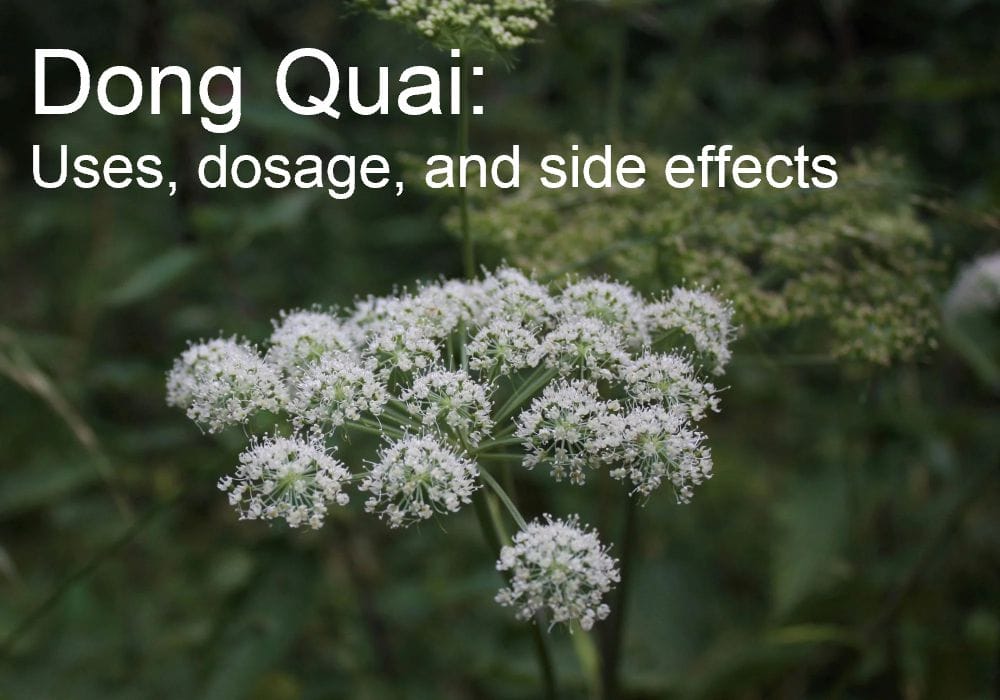

Dong Quai, also known as Angelica sinensis, is a revered herbal supplement in traditional Chinese medicine. Often referred to as “female ginseng,” it has been used for centuries to address various women’s health issues.
This traditional Chinese medicine is valued for its potential to balance female hormones and alleviate symptoms associated with menstrual irregularities and menopause. However, like any herbal supplement, it’s crucial to understand its side effects and warnings to ensure safe usage.
Key Takeaways
- Dong Quai is a traditional Chinese medicine used for women’s health issues.
- It’s known for its potential to balance female hormones.
- Understanding its side effects is crucial for safe usage.
- Dong Quai is often referred to as “female ginseng.”
- It’s used to alleviate symptoms associated with menstrual irregularities and menopause.
What is Dong Quai?
Dong Quai, or Angelica sinensis, is a plant of great significance in the realm of traditional Chinese medicine. It has been utilized for centuries to address various health concerns, particularly those related to women’s health.
Origin and History in Traditional Chinese Medicine
Dong Quai has its roots deeply embedded in traditional Chinese medicine, with a history that spans over a thousand years. It is native to China, Japan, and Korea, and has been used to treat a variety of ailments, earning its place as a staple in traditional medical practices.
The use of Dong Quai is documented in ancient Chinese medical texts, highlighting its importance in treating gynecological disorders. Its application has been refined over centuries, making it a trusted remedy.
Nicknames and Cultural Significance
Dong Quai is often referred to as “Female Ginseng” due to its beneficial effects on women’s health. This nickname reflects its cultural significance and the high esteem in which it is held.
Why It’s Called “Female Ginseng”
The nickname “Female Ginseng” is attributed to Dong Quai’s ability to address various women’s health issues, such as menstrual irregularities and menopausal symptoms. Its efficacy in these areas has made it a beloved remedy.
Dang Gui and Other Traditional Names
In traditional Chinese medicine, Dong Quai is also known as “Dang Gui.” This name is used interchangeably with Dong Quai, and it signifies the herb’s importance in traditional practices. Other names may vary by region, but its core benefits are universally recognized.
The cultural significance of Dong Quai extends beyond its medicinal properties, representing a connection to traditional practices and cultural heritage.
The Science Behind Dong Quai
Understanding the science behind Dong Quai reveals the intricate balance of compounds that contribute to its medicinal value. This ancient herb has been a cornerstone of traditional Chinese medicine for centuries, and modern research has begun to uncover the reasons behind its efficacy.
Active Compounds and Constituents
Dong Quai is rich in various bioactive compounds that contribute to its therapeutic effects. The key constituents include:
Ferulic Acid and Polysaccharides
Ferulic acid, a phenolic compound, is one of the primary active ingredients in Dong Quai. It has been shown to have antioxidant properties, helping to protect against cell damage. Polysaccharides, another significant component, are known for their immune-modulating effects.
Other Bioactive Components
In addition to ferulic acid and polysaccharides, Dong Quai contains other bioactive components, including volatile oils, flavonoids, and vitamins. These compounds work synergistically to enhance the herb’s overall therapeutic profile.
| Compound | Properties |
|---|---|
| Ferulic Acid | Antioxidant, anti-inflammatory |
| Polysaccharides | Immune-modulating |
| Volatile Oils | Anti-inflammatory, antimicrobial |
Mechanism of Action in the Body
The mechanism by which Dong Quai exerts its effects involves multiple pathways. Two significant areas of influence are its impact on blood circulation and potential estrogenic activity.
Effects on Blood Circulation
Dong Quai is known to improve blood circulation, which is believed to be partly responsible for its therapeutic effects, particularly in women’s health. Improved circulation can help alleviate symptoms associated with menstrual disorders.
Potential Estrogenic Activity
Some studies suggest that Dong Quai may exhibit estrogenic activity, which could explain its use in treating menopausal symptoms and menstrual irregularities. However, more research is needed to fully understand this aspect.
“The estrogenic effects of Dong Quai make it a potential natural remedy for women experiencing menopause symptoms.”
Dr. Jane Smith, Herbal Medicine Expert
In conclusion, the science behind Dong Quai is complex and multifaceted, involving a range of bioactive compounds and mechanisms of action. Further research will continue to unveil the full potential of this traditional herb.
Health Benefits of Dong Quai
The health benefits of Dong Quai are multifaceted, with significant advantages for women’s health and beyond. This traditional Chinese medicine herb has been used for centuries to address various health concerns, and its benefits are supported by both traditional knowledge and modern research.
Women’s Health Applications
Dong Quai is particularly noted for its applications in women’s health, offering support in several key areas.
Hormonal Balance Support
Dong Quai is believed to help in achieving hormonal balance, which is crucial for overall health, especially for women. It is thought to influence the body’s estrogen levels, thereby alleviating symptoms associated with hormonal imbalances.
Reproductive Health Benefits
In addition to hormonal support, Dong Quai is used to promote reproductive health. It is traditionally used to regulate menstrual cycles and alleviate menstrual cramps, making it a valuable herb for women experiencing reproductive health issues.
“Dong Quai has been used for centuries in traditional Chinese medicine to treat various gynecological disorders, including menstrual irregularities and infertility.”
Traditional Chinese Medicine Practitioners
Other Therapeutic Effects
Beyond women’s health, Dong Quai has other significant therapeutic effects, including benefits for blood health and circulation, as well as immune system support.
Blood Health and Circulation
Dong Quai is known to improve blood flow and is often used to treat conditions related to poor circulation. It is believed to nourish the blood and improve overall cardiovascular health.
Immune System Support
The herb is also thought to have immunomodulatory effects, helping to support the immune system. This can be particularly beneficial during periods of stress or when the body is more susceptible to illness.
| Health Benefit | Description |
|---|---|
| Hormonal Balance | Supports estrogen levels and alleviates symptoms of hormonal imbalances |
| Reproductive Health | Regulates menstrual cycles and alleviates menstrual cramps |
| Blood Health and Circulation | Improves blood flow and nourishes the blood |
| Immune System Support | Supports immune function and overall well-being |
In conclusion, Dong Quai offers a range of health benefits, particularly for women, and its therapeutic effects extend to improving blood health, circulation, and immune system support. As with any herbal remedy, it’s essential to consult with a healthcare provider before using Dong Quai, especially for those with underlying health conditions or taking medications.
Dong Quai for Menopause
Dong Quai has been traditionally used to alleviate menopausal symptoms, offering a natural alternative for women seeking relief. Menopause is a significant transition in a woman’s life, often accompanied by uncomfortable symptoms such as hot flashes and night sweats.
Effects on Hot Flashes and Night Sweats
One of the primary concerns for women during menopause is the frequency and severity of hot flashes and night sweats. Dong Quai is believed to help mitigate these symptoms due to its purported estrogen-balancing effects. While the exact mechanism is not fully understood, its active compounds may influence hormonal regulation, thus providing relief.
Clinical Research and Evidence
The efficacy of Dong Quai in managing menopausal symptoms has been the subject of various clinical studies. Controlled trials and systematic reviews are crucial in understanding its therapeutic potential.
Controlled Trials and Systematic Reviews
Some controlled trials have investigated Dong Quai’s effectiveness in reducing menopausal symptoms. While results are mixed, certain studies suggest a positive impact on symptom severity. Systematic reviews compiling data from multiple studies provide a comprehensive overview, though they often call for more rigorous research.
Combination Therapies with Other Herbs
Dong Quai is often used in conjunction with other herbs as part of combination therapies. Herbal blends that include Dong Quai may enhance its benefits, potentially offering greater relief from menopausal symptoms than when used alone.
In conclusion, Dong Quai presents a promising option for managing menopausal symptoms, particularly when used as part of a holistic approach to health. As with any herbal remedy, consulting a healthcare provider before starting Dong Quai is advisable to ensure safe and effective use.
Dong Quai for Menstrual Health
Menstrual health is a critical aspect of women’s well-being, and Dong Quai offers a natural solution. For centuries, this herb has been used in traditional Chinese medicine to address various menstrual disorders.
Relief for Menstrual Cramps and PMS
Dong Quai is particularly noted for its ability to alleviate menstrual cramps and other symptoms associated with Premenstrual Syndrome (PMS). Its active compounds help in relaxing the uterine muscles, thereby reducing cramp severity.
The anti-inflammatory properties of Dong Quai also contribute to its effectiveness in managing menstrual pain. By reducing inflammation, it helps in easing the discomfort associated with menstrual cramps.
Regulating Menstrual Cycles
Beyond alleviating symptoms, Dong Quai is also used to regulate menstrual cycles. It is believed to have a balancing effect on the hormonal system, which can help in managing irregular periods.
Traditional Uses for Irregular Periods
Traditionally, Dong Quai has been used to treat irregular menstrual cycles. Practitioners of traditional Chinese medicine have long recognized its potential in tonifying the blood and regulating menstrual flow.
Modern Applications in Women’s Health
In modern times, Dong Quai continues to be a popular supplement among women seeking natural remedies for menstrual health issues. Its versatility and relatively safe profile make it a preferred choice for many.
By incorporating Dong Quai into their health regimen, women can potentially find relief from menstrual cramps, PMS symptoms, and irregular periods, contributing to overall well-being.
Side Effects of Dong Quai
While Dong Quai is generally considered safe, it’s not without its potential side effects. As with any herbal supplement, individuals may react differently to Dong Quai, and some may experience adverse effects. It’s crucial to understand these potential side effects to use Dong Quai safely and effectively.
Common Side Effects
Dong Quai can cause several common side effects, primarily related to its effect on the body.
Digestive Issues
Some individuals may experience digestive issues, such as nausea, diarrhea, or stomach cramps, when taking Dong Quai.
Skin Reactions
Skin reactions are another common side effect, including rashes or itching. These reactions are typically mild but can be uncomfortable.
Serious Adverse Reactions
While less common, serious adverse reactions can occur with Dong Quai.
Increased Photosensitivity
One of the serious side effects is increased photosensitivity, making skin more sensitive to sunlight and potentially leading to severe sunburn or skin damage.
Bleeding Complications
Dong Quai may also cause bleeding complications due to its effect on blood clotting. This is particularly concerning for individuals on anticoagulant medications.
| Side Effect | Description | Severity |
|---|---|---|
| Digestive Issues | Nausea, diarrhea, stomach cramps | Mild |
| Skin Reactions | Rashes, itching | Mild |
| Increased Photosensitivity | Increased sensitivity to sunlight | Serious |
| Bleeding Complications | Effect on blood clotting | Serious |
Drug Interactions and Warnings
When considering the use of Dong Quai, it’s crucial to be aware of its potential interactions with other medications. Dong Quai can affect how certain drugs work in the body, potentially leading to adverse effects or reducing the efficacy of the medications.
Blood-Thinning Medications
Dong Quai may interact with blood-thinning medications, increasing the risk of bruising and bleeding. This is particularly concerning for individuals taking anticoagulant drugs.
Interaction with Warfarin
One of the blood-thinning medications that can interact with Dong Quai is warfarin. The combination may enhance the anticoagulant effect, potentially leading to serious bleeding complications.
Risk of Bruising and Bleeding
The risk of bruising and bleeding is heightened when Dong Quai is used alongside blood-thinning medications. It’s essential for individuals on such medications to consult their healthcare provider before using Dong Quai.
Hormone-Sensitive Conditions
Dong Quai may have estrogenic effects, which could potentially impact hormone-sensitive conditions. Individuals with conditions such as breast cancer, uterine cancer, or ovarian cancer should exercise caution.
Pregnancy and Breastfeeding Concerns
There is limited information on the safety of Dong Quai during pregnancy and breastfeeding. As a precaution, pregnant or breastfeeding women should consult their healthcare provider before using Dong Quai to avoid any potential risks.
It’s always recommended to consult with a healthcare professional before adding Dong Quai to your regimen, especially if you’re taking other medications or have underlying health conditions. This ensures safe usage and minimizes the risk of adverse interactions.
How to Use Dong Quai Safely
To incorporate Dong Quai into your health regimen safely, it’s crucial to understand the various forms available and their recommended uses. Dong Quai is available in multiple forms, each with its own benefits and usage guidelines.
Available Forms and Products
Dong Quai comes in several forms, catering to different preferences and needs.
Capsules, Tablets, and Extracts
These are popular forms for those who prefer a measured dose. Capsules and tablets are convenient, while extracts offer a concentrated dose.
Teas and Tinctures
Teas provide a traditional and soothing way to consume Dong Quai, while tinctures offer a concentrated liquid extract.
Recommended Dosage Guidelines
The recommended dosage of Dong Quai varies depending on the form and individual health needs. Typically, a daily dose ranges from 1 to 3 grams of dried root or equivalent extracts. It’s essential to follow the product’s instructions or consult a healthcare provider.
When to Consult a Healthcare Provider
Before starting Dong Quai, especially if you have underlying health conditions or are taking medications, it’s crucial to consult a healthcare provider. They can provide personalized advice based on your health status.
- Discuss your health history and current medications.
- Follow their recommended dosage and monitoring advice.
Conclusion
Dong Quai, a revered herb in traditional Chinese medicine, offers various health benefits, particularly for women’s health. Its active compounds have been shown to provide relief from menstrual cramps, regulate menstrual cycles, and alleviate menopausal symptoms.
While Dong Quai’s benefits are significant, it’s crucial to consider safety considerations. Potential side effects and interactions with blood-thinning medications or hormone-sensitive conditions necessitate cautious use. Pregnant or breastfeeding individuals should also consult healthcare providers before using Dong Quai.
To maximize Dong Quai benefits while minimizing risks, it’s essential to use this herb responsibly and under appropriate guidance. Consulting with a healthcare provider before adding Dong Quai to your health regimen can help ensure safe and effective use.
In conclusion, Dong Quai is a valuable component of traditional Chinese medicine, offering numerous health benefits when used judiciously. By understanding its effects and safety considerations, individuals can harness its therapeutic potential while maintaining overall well-being.
FAQ
What is Dong Quai used for?
Dong Quai is traditionally used to support women’s health, particularly for menstrual and menopausal symptoms. It is also used to improve blood circulation and overall well-being.
Can Dong Quai help with hot flashes during menopause?
Dong Quai may help alleviate hot flashes and other menopausal symptoms, although the evidence is mixed, and more research is needed to confirm its effectiveness.
Is Dong Quai safe to use during pregnancy?
Dong Quai is not recommended during pregnancy, especially in the first trimester, as it may stimulate the uterus and potentially cause complications. It’s best to consult a healthcare provider before using Dong Quai.
Can Dong Quai interact with blood-thinning medications like warfarin?
Yes, Dong Quai may slow blood clotting and increase the risk of bruising and bleeding when taken with blood-thinning medications like warfarin. It’s essential to consult a healthcare provider before combining Dong Quai with any medications.
What are the potential side effects of Dong Quai?
Common side effects of Dong Quai include digestive issues and skin reactions. More serious adverse reactions can occur, such as increased photosensitivity and bleeding complications, although these are rare.
How should I take Dong Quai?
Dong Quai is available in various forms, including capsules, tablets, extracts, teas, and tinctures. The recommended dosage may vary depending on the product and individual needs. It’s best to follow the recommended dosage guidelines and consult a healthcare provider for personalized advice.
Can Dong Quai be used for menstrual cramps and PMS symptoms?
Yes, Dong Quai is traditionally used to relieve menstrual cramps and PMS symptoms. Its potential estrogenic activity and ability to improve blood circulation may help alleviate these symptoms.
Is Dong Quai suitable for women with hormone-sensitive conditions?
Dong Quai may have estrogenic activity, which could be a concern for women with hormone-sensitive conditions. It’s recommended to consult a healthcare provider before using Dong Quai if you have a hormone-sensitive condition.