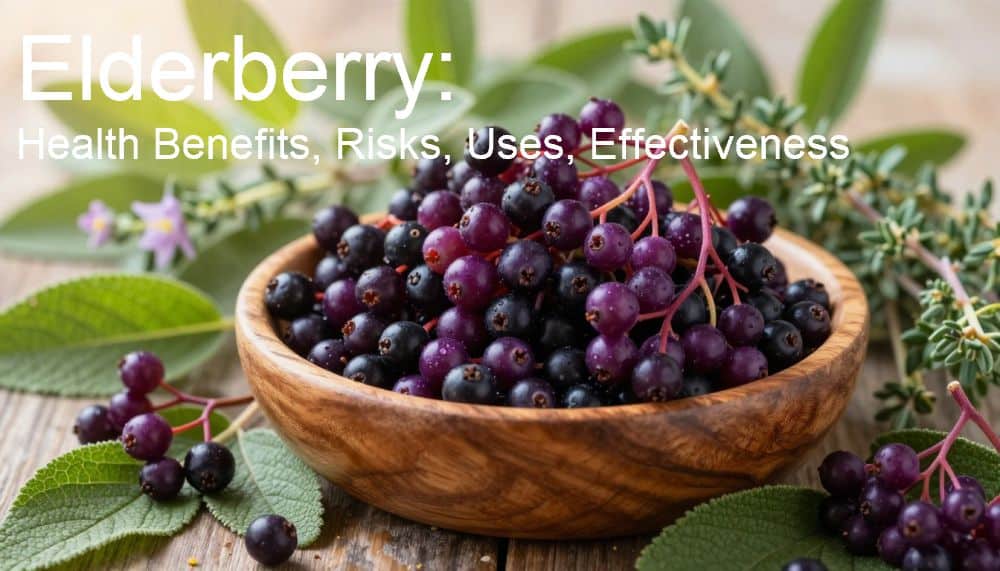
Many people across the United States are rediscovering the unique power of nature in their daily lives. Small, dark elderberries have quickly become a popular staple in many modern home medicine cabinets. Their reputation grows as more folks look for natural ways to support their long-term wellness.
These tiny fruits offer various health benefits that can easily support your active lifestyle. They are naturally packed with vitamin C and provide a significant amount of dietary fiber. These nutrients work together to keep your body feeling strong and balanced throughout the year.
You can find this fruit in many convenient forms, such as a concentrated elderberry extract or gummies. Using elderberry products regularly might help your system because of its potent antioxidant properties. These compounds help protect your cells from everyday environmental stress and fatigue.
Learning about the health benefits of elderberry allows you to make informed choices for your family. While elderberries are generally safe, it is always wise to understand proper preparation methods. This guide explores how this fruit works and the best ways to use it effectively.
Key Takeaways
- Elderberry is a rich source of immune-boosting nutrients.
- The fruit contains high levels of protective antioxidants.
- Supplements like syrups and extracts are widely available in stores.
- Proper cooking is essential to avoid potential digestive risks.
- Regular consumption supports heart health and skin vitality.
- Always consult a professional before starting new herbal routines.
What Are Elderberries?
For centuries, the elderberry has been a staple in traditional medicine and culinary practices across various cultures. But what exactly are elderberries, and what makes them so special?
Elderberries are the fruit of the elder tree, which is a flowering plant that belongs to the Adoxaceae family. The elderberry plant is known for its clusters of small, fragrant flowers and its berries, which are typically dark purple or black when ripe.
The Elderberry Plant and Black Elder
The elderberry plant, scientifically known as Sambucus nigra, is commonly referred to as the black elder. It is native to Europe, North Africa, and Western Asia. The black elder is characterized by its large, flat clusters of small, fragrant flowers, followed by berries that are rich in antioxidants and other nutrients.
European Elderberry vs Other Varieties
While there are several varieties of elderberry, the European elderberry (Sambucus nigra) is one of the most widely recognized and utilized. Other varieties include the American elderberry (Sambucus canadensis) and the red-berried elder (Sambucus racemosa). The European elderberry is distinguished by its dark berries and is often used in jams, wines, and supplements.
| Variety | Scientific Name | Native Region | Berry Color |
|---|---|---|---|
| European Elderberry | Sambucus nigra | Europe, North Africa, Western Asia | Dark Purple/Black |
| American Elderberry | Sambucus canadensis | North America | Dark Purple/Black |
| Red-berried Elder | Sambucus racemosa | Northern Europe, North Asia, North America | Red |
Understanding the different types of elderberries and their characteristics can help in appreciating their unique benefits and uses. The European elderberry, with its rich history and nutritional profile, stands out among the various elderberry varieties.
Nutritional Profile of Elderberries
The nutritional benefits of elderberries are multifaceted, offering a rich source of vitamins, minerals, and antioxidants. These small, dark berries are packed with nutrients that can enhance overall health and well-being. Understanding the nutritional profile of elderberries can help appreciate their value in a healthy diet.
Vitamin C and Dietary Fiber Content
Elderberries are an excellent source of vitamin C, a vital nutrient that plays a significant role in immune function and overall health. Vitamin C is known for its antioxidant properties, helping protect cells from damage and supporting the body’s natural defenses. Additionally, elderberries contain a significant amount of dietary fiber, which is crucial for maintaining a healthy digestive system. A diet rich in fiber can help regulate bowel movements, prevent constipation, and support healthy blood sugar levels.
The combination of vitamin C and dietary fiber in elderberries makes them a nutritious choice for those looking to boost their immune system and improve digestive health. Incorporating elderberries into one’s diet can be a simple and effective way to enhance overall nutritional intake.
Antioxidants and Elderberry Polyphenols
Elderberries are also rich in antioxidants and polyphenols, compounds that help protect the body against oxidative stress and inflammation. Antioxidants play a crucial role in neutralizing free radicals, which can cause cell damage and contribute to various health issues. The polyphenols present in elderberries, including anthocyanins, have been shown to have potent antioxidant effects, potentially reducing the risk of chronic diseases such as heart disease and certain cancers.
The high antioxidant content in elderberries makes them a valuable ingredient in health supplements and functional foods. By incorporating elderberries into their diet, individuals can potentially benefit from enhanced protection against oxidative stress and inflammation, supporting overall health and well-being.
Health Benefits of Elderberry
The health benefits of elderberry are multifaceted, ranging from immune system support to heart health improvements. Elderberry has been associated with various health benefits due to its rich nutritional profile, which includes vitamins, minerals, and antioxidants.
Immune System Support and Cold and Flu Relief
Elderberry is perhaps most well-known for its role in supporting the immune system and providing cold and flu relief. The berry’s antiviral properties are thought to help reduce the severity and duration of cold and flu symptoms.
Reducing Cold Duration and Symptoms
Studies have suggested that elderberry extract can reduce the duration and severity of cold symptoms. By potentially inhibiting the replication of certain viruses, elderberry may help alleviate congestion, cough, and other discomforts associated with the common cold.
Fighting Flu Symptoms
Similarly, elderberry has been studied for its potential to combat flu symptoms. Its antiviral properties may help mitigate the severity of influenza, making it a popular supplement during flu season.
Heart Health and Anti-Inflammatory Effects
Elderberry is also associated with heart health benefits and anti-inflammatory effects. The antioxidants present in elderberry may help reduce inflammation and improve cardiovascular health by protecting against oxidative stress.
Blood Sugar and Digestive Health
Some research suggests that elderberry may have a positive impact on blood sugar levels and digestive health. The fiber and antioxidants in elderberry could contribute to healthier blood sugar levels and improved digestion.
Additional Potential Health Benefits
Beyond the mentioned benefits, elderberry is being explored for its potential health benefits in other areas, including its antioxidant properties and potential anti-cancer effects. However, more research is needed to fully understand these potential benefits.
How Effective Is Elderberry?
Elderberry’s efficacy is supported by a growing body of research that explores its impact on various health conditions. The effectiveness of elderberry supplements, particularly those containing elderberry extract, has been a subject of interest in the scientific community.
What Research Suggests About Elderberry
Research suggests that elderberry may offer several health benefits due to its rich nutritional profile. Studies have indicated that elderberry extract is effective in boosting the immune system and reducing the severity of cold and flu symptoms.
Elderberry’s antioxidant properties, attributed to its high content of anthocyanins, are believed to contribute to its potential health benefits.
Studies Found That Elderberry Extract Helped Reduce Symptoms
Numerous studies have investigated the effects of elderberry extract on health conditions. Elderberry extract has been found to reduce the severity and duration of symptoms associated with viral infections.
Anthocyanin-Rich Black Elderberry Extract Studies
Specific studies focusing on anthocyanin-rich black elderberry extract have shown promising results. These studies highlight the potential of elderberry extract in supporting immune function and alleviating symptoms.
Participants in clinical trials who were given elderberry supplements often reported improvements in their condition. This improvement is attributed to the bioactive compounds present in elderberry.
Elderberry Extract May Have Limitations
While the research is promising, it is also important to consider the potential limitations of elderberry extract. More research is needed to fully understand its effects and to establish standardized dosages.
The variability in the composition of elderberry supplements can affect their efficacy and safety. Therefore, it is crucial to choose products from reputable manufacturers.
Common Uses of Elderberry
The elderberry plant is not only valued for its health benefits but also for its diverse uses in traditional medicine and culinary practices. Its versatility has made it a staple in many households for centuries.
Uses of Elderberry for the Treatment of Illness
Elderberry has been traditionally used to treat a variety of illnesses, including colds, flu, and sinus infections. Its antiviral properties are believed to help reduce the severity and duration of these conditions.
- Relieving cold and flu symptoms
- Reducing inflammation
- Boosting the immune system
Traditional and Modern Applications
Traditionally, elderberry has been used in folk medicine for its perceived health benefits. Modern applications have expanded its use into various health products, including supplements and lozenges.
Some of the modern applications include:
- Elderberry supplements in capsule or gummy form
- Elderberry syrups and juices
- Incorporation into food products for added nutrition
Elderberry Wine and Culinary Uses
Elderberry is also used in culinary practices, particularly in making elderberry wine and other desserts. The berries are rich in flavor and antioxidants, making them a popular choice for various recipes.
- Making elderberry jam and preserves
- Creating elderberry wine and other beverages
- Adding elderberry to baked goods and desserts
Forms of Elderberry Products
Elderberry products come in a variety of forms to suit different needs and preferences. This diversity allows consumers to choose the most convenient and effective way to incorporate elderberry into their health regimen.
Elderberry Syrup and How to Take It
Elderberry syrup is one of the most popular forms of elderberry products. It is often used to support immune function and alleviate cold and flu symptoms. To take elderberry syrup effectively, it is recommended to consume it once or twice a day, depending on the individual’s health needs. Always follow the manufacturer’s instructions for dosage.
“Elderberry syrup is a great way to support your immune system, especially during the cold and flu season,” says a healthcare professional. The syrup can be taken directly or mixed with water or another beverage.
Elderberry Supplements and Gummies
Elderberry supplements are available in various forms, including capsules, tablets, and gummies. These supplements offer a convenient way to reap the benefits of elderberry without the taste or preparation required for other forms. Gummies, in particular, are a popular choice for children and adults who have difficulty swallowing pills.
When choosing elderberry supplements or gummies, look for products that are made from high-quality ingredients and have been tested for purity and potency. It’s also essential to follow the recommended dosage to ensure safety and effectiveness.
Elderberry Tea and Elderberry Flowers
Elderberry tea is another form in which elderberry is consumed. It is made by steeping dried elderberry flowers or berries in hot water. This tea can be enjoyed hot or cold and is often used for its calming and immune-boosting properties.
Elderberry flowers can also be used to make tea or added to salads and baked goods for their nutritional benefits. They are rich in antioxidants and have been used traditionally to support health and wellness.
Elderberry Extract, Juice, and Lozenges
Elderberry extract is a concentrated form of elderberry that is often used in supplements. It is valued for its high content of anthocyanins and other beneficial compounds. Elderberry juice is another popular form, offering a more natural and less concentrated alternative to extracts.
Lozenges are a convenient form of elderberry product, especially for soothing sore throats and coughs. They can be particularly useful during the cold and flu season.
Elderberry Side Effects and Risks
Understanding the potential risks and side effects of elderberry is essential for safe consumption. While elderberry is generally considered safe when prepared and consumed properly, there are several factors to be aware of to avoid adverse effects.
Raw Elderberries Can Cause Nausea and Vomiting
Raw or unripe elderberries contain toxic compounds that can cause nausea, vomiting, and other gastrointestinal issues. It’s crucial to only consume ripe or cooked elderberries to avoid these adverse effects.
Why the Elderberry Plant Contains Toxic Compounds
The elderberry plant contains glycosides, which are naturally occurring compounds that can be toxic if ingested in large quantities or if not prepared correctly. These compounds serve as a defense mechanism for the plant, protecting it from predators and diseases.
Common Side Effects of Elderberry Supplements
While elderberry supplements are generally well-tolerated, some individuals may experience side effects. These can include:
- Diarrhea and other digestive issues
- Diuretic effects, leading to increased urine production
Diarrhea and Digestive Issues
Some people may experience gastrointestinal upset, including diarrhea, when taking elderberry supplements. This is often due to the high fiber content or sensitivity to certain compounds in the elderberry.
Diuretic Effects
Elderberry can act as a diuretic, increasing urine production. This effect is generally mild but can be significant in some individuals, particularly those with certain health conditions or taking diuretic medications.
Allergic Reaction and Sensitivity
As with any supplement, there is a risk of allergic reaction or sensitivity to elderberry. Symptoms can range from mild skin rashes to more severe reactions. Individuals with known allergies to plants in the Sambucus genus should exercise caution.
“It’s essential for consumers to be aware of the potential for allergic reactions when introducing new supplements like elderberry into their regimen.”
Whether Elderberry May Cause Drug Interactions
Elderberry may interact with certain medications, including diabetes medications, diuretics, and laxatives. It’s crucial for individuals on these medications to consult with their healthcare provider before starting elderberry supplements.
Key Considerations:
- Consult with a healthcare professional before taking elderberry supplements, especially if you have underlying health conditions or are taking medications.
- Be aware of the potential for allergic reactions and monitor your body’s response when starting elderberry supplements.
- Follow the recommended dosage and preparation guidelines to minimize the risk of side effects.
Proper Dosage of Elderberry
Understanding the proper dosage of elderberry is crucial for maximizing its health benefits while minimizing potential side effects. The effectiveness of elderberry supplements can vary based on the form, concentration, and individual health needs.
Elderberry products come in various forms, including extracts, syrups, supplements, and teas. Each form has its recommended dosage, and understanding these recommendations is key to using elderberry safely and effectively.
Containing 300 mg of Elderberry Extract
For elderberry extracts, a common dosage is 300 mg per serving. This concentration is often used in capsules or tablets and is considered effective for immune system support. Studies have shown that this dosage can help reduce the severity and duration of cold and flu symptoms.
When choosing an elderberry extract supplement, look for products that specify the amount of anthocyanins, the active compounds in elderberry. A typical recommendation is to take one capsule containing 300 mg of elderberry extract once or twice daily.
Elderberry Syrup Four Times Daily Recommendations
Elderberry syrup is another popular form, often used for its immune-boosting properties. The recommended dosage for elderberry syrup can vary, but a common recommendation is to take 1-2 tablespoons up to four times daily. It’s essential to follow the manufacturer’s instructions, as the concentration of elderberry can vary between products.
For children, the dosage is typically adjusted based on age. For instance, children over 1 year old might be given a smaller dose, such as 1 teaspoon up to four times a day. Always consult with a healthcare provider before giving elderberry syrup to children.
Dose of Elderberry for Different Age Groups
The appropriate dose of elderberry can vary significantly across different age groups. Here’s a summary:
| Age Group | Recommended Dosage |
|---|---|
| Adults | 300 mg extract or 1-2 tablespoons syrup up to four times daily |
| Children (1-12 years) | 1 teaspoon syrup up to four times daily (consult a healthcare provider) |
| Infants (<1 year) | Not recommended without consulting a healthcare provider |
It’s crucial to consult with a healthcare professional before starting any elderberry regimen, especially for pregnant or breastfeeding women, or individuals with underlying health conditions.
Who Should Avoid Elderberry?
While elderberry is generally considered safe for most people, there are certain groups who should exercise caution or avoid it altogether. Elderberry supplements can be beneficial for many, but understanding who should not take them is crucial for safe consumption.
Pregnancy, Breastfeeding, and Safety Concerns
Pregnant or breastfeeding women are among those who should be cautious with elderberry supplements. There is limited research on the effects of elderberry during pregnancy and breastfeeding. As with any supplement, it’s essential to consult a healthcare provider before using elderberry products, especially if you’re pregnant or nursing.
Potential Risks: The safety of elderberry during pregnancy and breastfeeding has not been extensively studied. Therefore, it’s advisable to err on the side of caution.
Autoimmune Conditions and Health Concerns
Individuals with autoimmune diseases should also be cautious. Elderberry can potentially stimulate the immune system, which might exacerbate conditions like rheumatoid arthritis, lupus, or multiple sclerosis.
Considerations for Autoimmune Diseases:
| Condition | Potential Effect of Elderberry | Recommendation |
|---|---|---|
| Rheumatoid Arthritis | May stimulate immune response | Consult a healthcare provider |
| Lupus | Could potentially worsen symptoms | Avoid or consult a healthcare provider |
| Multiple Sclerosis | Might exacerbate the condition | Consult a healthcare provider before use |
When to Avoid Elderberry Supplements
Besides pregnancy, breastfeeding, and autoimmune conditions, there are other scenarios where caution is advised. People with certain health concerns or those taking specific medications should avoid elderberry or consult their healthcare provider.
It’s crucial to be aware of the potential interactions between elderberry and other medications or health conditions. Always consult with a healthcare professional before adding elderberry supplements to your regimen.
How to Take Elderberry Safely
With the growing popularity of elderberry products, it’s crucial to navigate the market wisely and follow guidelines for safe consumption. This involves understanding where to buy reputable products, how to use them correctly, and what best practices to follow.
Where to Buy Elderberry Products
When looking to purchase elderberry products, it’s essential to choose reputable sources. Look for products from well-known brands that adhere to good manufacturing practices (GMPs) and have third-party testing for quality and purity. Online reviews and ratings can also provide insights into a product’s effectiveness and safety.
Some recommended places to buy elderberry products include health food stores, reputable online retailers, and directly from manufacturers’ websites.
Using an Elderberry Supplement or Herbal Supplement
Elderberry supplements come in various forms, including capsules, gummies, and syrups. Always follow the recommended dosage on the product label, and consult with a healthcare professional if you’re unsure. It’s also crucial to understand the ingredients and potential allergens in the supplement.
When choosing an elderberry supplement, consider the type of elderberry used, the extraction method, and any additional ingredients.
Best Practices When Taking Elderberry Supplements
To maximize the benefits of elderberry supplements while minimizing risks, several best practices should be followed. Start with a low dose to assess tolerance, and be aware of any potential interactions with medications or exacerbation of underlying health conditions.
Regularly monitoring your health and adjusting your supplement regimen as needed is also recommended. Additionally, keep elderberry supplements out of reach of children and store them according to the manufacturer’s instructions.
Conclusion
Elderberry has been a topic of interest for its potential health benefits, ranging from immune system support to heart health. This article has explored the various aspects of elderberry, including its nutritional profile, health benefits, and potential risks.
In summary, elderberry benefits include its high content of vitamin C, dietary fiber, and antioxidants, which may help in reducing the severity of cold and flu symptoms, supporting heart health, and providing anti-inflammatory effects. However, it’s essential to be aware of the potential elderberry risks, such as allergic reactions, interactions with certain medications, and the importance of proper dosage.
To safely incorporate elderberry into your health regimen, it’s crucial to choose high-quality products from reputable sources and follow the recommended dosages. Being mindful of the potential risks and taking steps to mitigate them can help you harness the benefits of elderberry while minimizing its risks.
By understanding the elderberry benefits and risks, you can make informed decisions about using elderberry products, ensuring a safe and effective experience.
FAQ
What are the primary health benefits of elderberry?
The health benefits of elderberry are truly impressive! This powerful berry is a nutritional powerhouse, packed with antioxidants, vitamin C, and dietary fiber. Many people take elderberry to boost their immune system, and research suggests that elderberry may also support heart health and provide significant anti-inflammatory effects. Whether you are looking to improve your digestive health or manage inflammation, the elderberry plant offers a variety of potential health benefits for your daily wellness routine.
Can elderberry help reduce the duration of a cold or flu?
Yes, it certainly can! A study found that elderberry extract helped reduce both cold duration and symptoms when taken at the first sign of illness. Black elderberry is widely recognized for its ability to fight flu symptoms such as fever, headache, and congestion. In fact, people who took elderberry in clinical trials often reported feeling better significantly faster than those who didn’t. Many households keep elderberry syrup or elderberry gummies on hand specifically for the cold and flu season.
Is it safe to eat raw elderberries?
You should avoid elderberry in its raw form. The raw elderberries, as well as the seeds and bark of the elderberry tree, contain substances that can cause nausea, vomiting, and diarrhea. To enjoy the benefits of elderberries safely, they must be cooked or processed into elderberry products like syrup, elderberry juice, or tea. Cooking neutralizes the toxic compounds, making it safe to enjoy the elderberry fruit in jams or even elderberry wine.
What is the recommended dose of elderberry for adults?
While there is no official standard, many herbal supplement brands suggest a dose of elderberry that provides roughly 300 mg of elderberry extract. During a bout of the common cold, some experts recommend taking elderberry syrup four times daily. If you are using an elderberry product for general maintenance, a single daily elderberry supplement or a few elderberry gummies is often sufficient. Always check the label of your proprietary elderberry extract for specific guidance.
Are there any side effects of elderberry supplementation I should know about?
While generally safe, some elderberry side effects can occur. Some elderberry supplements may cause mild digestive health issues or have slight diuretic effects. It is also possible, though rare, to have an allergic reaction to the black elder plant. If you have specific health concerns, it’s always a good idea to chat with a doctor before taking elderberry supplements, especially since elderberry could interact with certain medications.
How does elderberry support heart health and blood sugar?
Found that elderberry contains high levels of elderberry polyphenols, which are great for your ticker! These anthocyanin-rich black elderberry extract compounds can help reduce fat in the blood and lower cholesterol, contributing to better heart health. Additionally, some studies show that elderberry may help improve insulin secretion, which could potentially assist in maintaining healthy blood sugar levels.
What different forms of elderberry products can I buy?
You can find elderberry in many convenient and tasty forms! The most common is elderberry syrup, but you can also find elderberry lozenges, elderberry tea made from elderberry flowers, and concentrated elderberry extract. For those on the go, elderberry gummies are a popular dietary choice. Many people also enjoy making traditional recipes using European elderberry for syrups or even fermented elderberry wine.
Who should avoid taking elderberry?
Certain individuals should exercise caution. Because elderberry may stimulate the immune system, those with autoimmune conditions should consult their healthcare provider before using an elderberry supplement. Additionally, due to a lack of extensive research, it is often recommended that pregnant or breastfeeding women avoid elderberry products. If you notice any allergic reaction or persistent diarrhea, stop use and consult an integrative health professional.
Where can I buy high-quality elderberry supplements?
You can buy elderberry at most health food stores, pharmacies, and online retailers. When shopping for an elderberry supplement, look for reputable brands like Nature’s Way or Gaia Herbs. Ensure the product lists black elderberry (Sambucus nigra) and specifies the amount of elderberry fruit contains, such as a product containing 300 mg of elderberry for potency and effectiveness.