









Have you ever noticed the deep red of a cherry or the bright purple of a grape? These colors come from special plant compounds that do much more than just look beautiful. When curious eaters ask what is flavonoids, they often discover a hidden world of natural protection.
These nutrients offer incredible health benefits that help your body fight off environmental stress. Every specific flavonoid serves a unique purpose in maintaining your internal balance. You can easily find them in your favorite fruits, vegetables, and even some spices.
Including a potent antioxidant in your daily diet supports long-term heart and brain wellness. Many people enjoy these perks without even realizing how much good they are doing for their cells. High concentrations of flavonoids turn ordinary meals into a powerful shield for your health.
Key Takeaways
- Natural pigments responsible for the vibrant colors in many fruits and vegetables.
- Serve as powerful tools to protect cells from oxidative damage and aging.
- Support vital functions, including heart health and a strong immune system.
- Commonly found in tea, citrus fruits, berries, and even dark chocolate.
- Most people can consume them safely through a diverse and balanced diet.
- Different types offer specific protective effects for various organs in the body.
Understanding Flavonoids: Plant Compounds with Powerful Properties
Flavonoids, a diverse class of plant compounds, have been gaining attention for their powerful properties. These naturally occurring substances are found in a variety of plants and have been recognized for their potential health benefits.
What Are Flavonoids?
Flavonoids are a group of plant compounds known for their antioxidant properties. They are responsible for the vibrant colors of fruits and vegetables and play a crucial role in protecting plants from environmental stressors.
In the human diet, flavonoids are valued for their potential to support health and well-being. They are found in a wide range of foods, including fruits, vegetables, and certain beverages.
The Discovery and Recognition of Flavonoids
The history of flavonoids dates back to the early 20th century when they were first identified. Since then, research has continued to uncover the various properties and benefits of these compounds.
Over time, flavonoids have gained recognition for their health-promoting effects. Studies have explored their antioxidant, anti-inflammatory, and other beneficial properties, highlighting their importance in a balanced diet.
Why Flavonoids Matter for Health and Well-being
Flavonoids matter significantly for health and well-being due to their potential to support various bodily functions. Their antioxidant properties help protect against oxidative stress, which is linked to chronic diseases.
By incorporating flavonoid-rich foods into one’s diet, individuals can potentially enhance their overall health. The diverse range of flavonoids and their various benefits underscore their importance in preventive healthcare.
The Different Types and Subgroups of Flavonoids
The world of flavonoids is vast and varied, comprising multiple types that contribute to their overall health benefits. Flavonoids are categorized into several subgroups based on their chemical structure, and each subgroup has its unique characteristics and potential health benefits.
Flavonols and Their Characteristics
Flavonols are one of the most common subgroups of flavonoids. They are found in a variety of foods, including onions, kale, and tomatoes. Quercetin is a well-known flavonol that has been studied for its potential health benefits, including its anti-inflammatory properties.
Flavones and Where They’re Found
Flavones are another significant subgroup of flavonoids. They are found in parsley, celery, and citrus fruits. Flavones have been shown to have antioxidant and anti-inflammatory effects, making them an important part of a healthy diet.
Flavanones in Citrus and Beyond
Flavanones are predominantly found in citrus fruits such as oranges, lemons, and grapefruits. They are known for their antioxidant properties and have been linked to various health benefits, including improved cardiovascular health.
Flavan-3-ols and Catechins
Flavan-3-ols, also known as catechins, are found in high amounts in tea, particularly green tea. They are known for their antioxidant properties and have been associated with several health benefits, including improved heart health and enhanced cognitive function.
Anthocyanins: The Colorful Flavonoids
Anthocyanins are responsible for the red, purple, and blue colors of many fruits and vegetables. They are found in berries, grapes, and pomegranates. Anthocyanins have been shown to have potent antioxidant effects and may help protect against certain diseases.
Isoflavones and Plant-Based Sources
Isoflavones are a subgroup of flavonoids found primarily in soy products and other legumes. They are known for their potential to mimic the effects of estrogen in the body and have been studied for their role in supporting bone health and reducing the risk of certain cancers.
How Flavonoids Work: Mechanisms and Properties of Flavonoids
Understanding how flavonoids work is crucial to appreciating their potential health benefits and incorporating them effectively into one’s diet. Flavonoids exert their effects through multiple mechanisms, influencing various biological processes.
Antioxidant Properties and Protection from Free Radicals
One of the primary ways flavonoids benefit health is through their antioxidant properties. Antioxidants help protect cells from damage caused by free radicals, which are unstable molecules that can cause oxidative stress. Flavonoids can neutralize free radicals, thereby reducing the risk of chronic diseases such as heart disease and cancer.
The antioxidant activity of flavonoids is attributed to their chemical structure, which allows them to donate electrons and neutralize free radicals. This property makes flavonoids effective in protecting against oxidative stress and inflammation.
Anti-inflammatory Mechanisms and Activities of Flavonoids
Flavonoids also exhibit anti-inflammatory properties, which are crucial for reducing the risk of chronic diseases. They achieve this by modulating various pathways involved in the inflammatory response. For instance, flavonoids can inhibit the production of pro-inflammatory cytokines and enzymes, thereby reducing inflammation.
The anti-inflammatory effects of flavonoids have been observed in various studies, suggesting their potential in managing conditions characterized by chronic inflammation.
| Flavonoid Type | Anti-inflammatory Mechanism | Potential Health Benefit |
|---|---|---|
| Flavonols | Inhibition of pro-inflammatory cytokines | Reduced risk of cardiovascular disease |
| Flavones | Modulation of inflammatory pathways | Improved management of chronic inflammatory conditions |
| Flavanones | Antioxidant activity reducing oxidative stress | Enhanced protection against neurodegenerative diseases |
Bioavailability of Flavonoids and Absorption in the Body
The bioavailability of flavonoids varies widely depending on their chemical structure and the food matrix in which they are consumed. Bioavailability refers to the extent to which the body can absorb and utilize these compounds.
Factors such as the type of flavonoid, the presence of other nutrients, and individual differences in metabolism can influence the bioavailability of flavonoids. Understanding these factors is essential for maximizing the health benefits of flavonoid consumption.
Health Benefits of Flavonoids: What Science Has Shown
A wealth of research has explored the various health benefits associated with flavonoids, from cardiovascular health to cognitive function. Flavonoids are known for their powerful properties, which contribute to their positive effects on health.
Cardiovascular Benefits and Heart Health
Flavonoids have been shown to have significant cardiovascular benefits. They help in maintaining heart health by various mechanisms.
Blood Pressure Regulation and Vascular Function
One of the key ways flavonoids support heart health is by helping to regulate blood pressure and improve vascular function. Regular consumption of flavonoid-rich foods can lead to better blood flow and lower blood pressure levels.
Protection Against Cardiovascular Disease
Flavonoids also offer protection against cardiovascular disease by reducing inflammation and improving overall heart health. Studies have indicated that a diet rich in flavonoids can lower the risk of heart disease.
Flavonoid Intake and Cardiovascular Health Outcomes
Research has demonstrated that higher flavonoid intake is associated with improved cardiovascular health outcomes. This includes reduced risk of heart attacks, strokes, and other cardiovascular conditions.
Brain Health and Cognitive Function Support
Flavonoids are not only beneficial for heart health but also support brain health and cognitive function. They have been found to have neuroprotective effects.
How Flavonoids May Help the Brain
Flavonoids may help the brain by improving memory, learning, and cognitive function. They are believed to enhance neuronal function and protect against age-related cognitive decline.
Anti-inflammatory Benefits Throughout the Body
Flavonoids have potent anti-inflammatory properties, which can benefit the body in numerous ways. By reducing inflammation, flavonoids can help prevent chronic diseases.
Antioxidant Effects and Cellular Protection
The antioxidant effects of flavonoids provide cellular protection against damage caused by free radicals. This can lead to a reduced risk of various diseases, including cancer and neurodegenerative disorders.
Additional Protective Effects and Health Advantages
Beyond cardiovascular and brain health, flavonoids offer additional protective effects. These include potential benefits for bone health, immune function, and overall well-being.
Food Sources of Flavonoids: Foods Rich in These Compounds
Nature provides an array of flavonoid-rich foods that can significantly enhance your overall health. Flavonoids are abundantly available in a variety of foods, making it relatively easy to incorporate them into your daily diet. The key is to consume a diverse range of fruits, vegetables, beverages, and other plant-based foods.
Fruits Rich in Flavonoids
Fruits are among the richest sources of flavonoids. Different types of fruits offer varying levels and types of flavonoids.
Citrus Fruits and Their Flavonoid Content
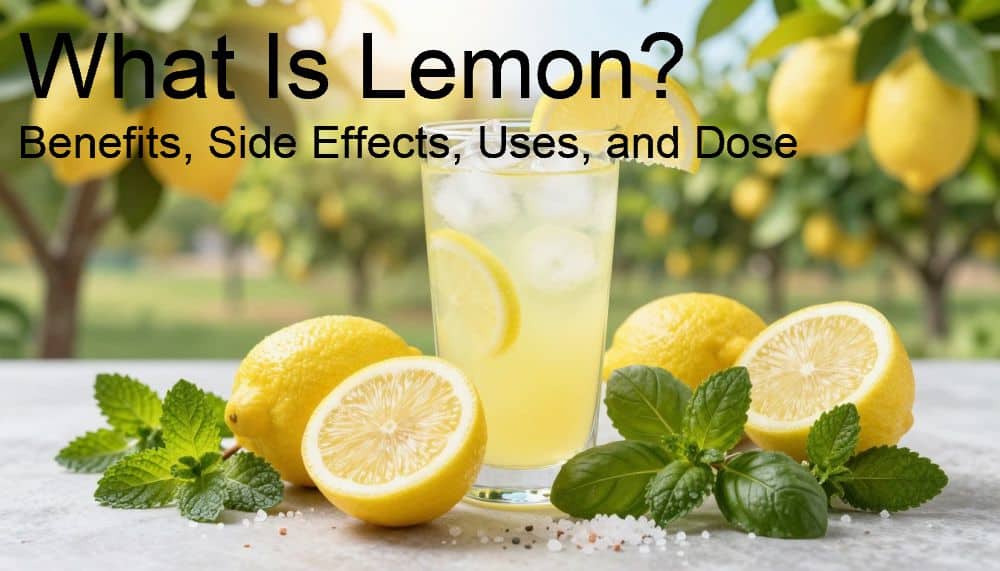
Citrus fruits such as oranges, lemons, and grapefruits are well-known for their flavonoid content. Oranges, in particular, are a good source of hesperidin, a type of flavanone.
Berries and Dark-Colored Fruits
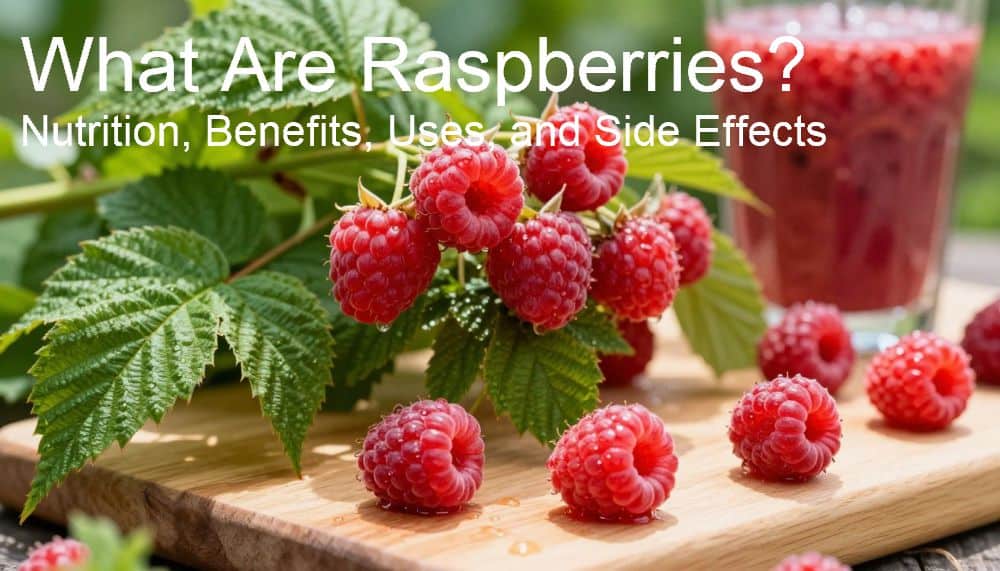
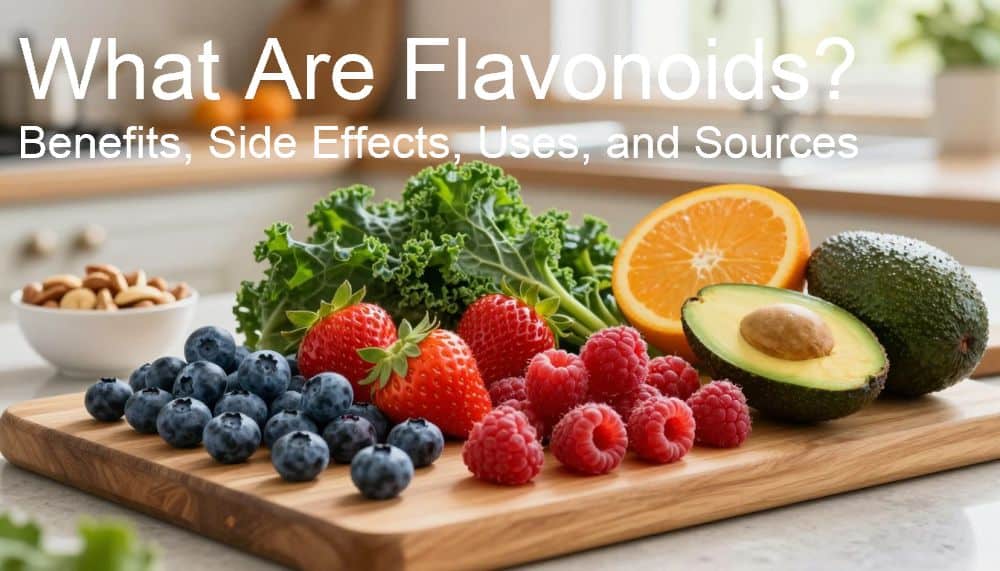
Berries like blueberries, strawberries, and raspberries are not only delicious but also packed with flavonoids. Blueberries, for instance, are rich in anthocyanins, which are powerful antioxidants.
Apples, Grapes, and Other Common Fruits
Apples and grapes are other common fruits that are rich in flavonoids. The flavonoid content can vary depending on the variety, with apples like Granny Smith having higher levels of certain flavonoids.
| Fruit | Primary Flavonoid | Health Benefit |
|---|---|---|
| Oranges | Hesperidin | Cardiovascular health |
| Blueberries | Anthocyanins | Antioxidant effects |
| Apples | Quercetin | Anti-inflammatory effects |
Vegetables with High Flavonoid Levels
Vegetables are another crucial source of dietary flavonoids. Leafy greens and certain root vegetables are particularly noteworthy.
Onions, Kale, and Leafy Greens
Onions and kale are examples of vegetables that are high in flavonoids. Onions are a good source of quercetin, while kale contains a variety of flavonoids.
Other Vegetables Containing Flavonoids
Other vegetables like broccoli and tomatoes also contain flavonoids, although the types and amounts may vary.
Beverages as Sources of Flavonoids
Beverages can be a significant source of flavonoids in the diet. Certain drinks are particularly rich in these compounds.
Tea and Its Flavonoid Content
Tea, especially green tea, is renowned for its high flavonoid content. Catechins, a type of flavan-3-ol, are particularly abundant in green tea.
Red Wine and Cocoa Products
Red wine and cocoa products are other beverages and foods that contain significant amounts of flavonoids. The flavonoids in red wine and cocoa have been associated with various health benefits.
Other Plant-Based Foods and Flavonoid-Rich Options
In addition to fruits, vegetables, and beverages, other plant-based foods like nuts, seeds, and whole grains can also contribute to flavonoid intake.
How to Get Flavonoids in Your Diet: Practical Tips
To reap the benefits of flavonoids, it’s essential to understand how to include them in your daily diet effectively. Flavonoids are found in a variety of foods, and with a few simple changes, you can maximize your intake.
Understanding Dietary Flavonoid Intake Recommendations
The daily recommended intake of flavonoids varies, but a general guideline is to consume a variety of flavonoid-rich foods. Research suggests that a diet rich in fruits, vegetables, and certain beverages can provide adequate amounts.
While there isn’t a specific daily value for flavonoids, incorporating a range of flavonoid-rich foods into your diet can help ensure you’re getting enough. For example, consuming 5 servings of fruits and vegetables daily can significantly boost your flavonoid intake.
Incorporating Flavonoid-Rich Foods into Daily Meals
Including flavonoid-rich foods in your diet can be easy and delicious. Start by adding a variety of fruits and vegetables to your meals. Some of the top flavonoid-rich foods include:
- Berries such as blueberries and strawberries
- Citrus fruits like oranges and grapefruits
- Leafy greens such as spinach and kale
- Onions, garlic, and other allium vegetables
- Tea, especially green tea
Try to include a mix of these foods in your daily meals to maximize your flavonoid intake.
Maximizing the Consumption of Flavonoids
To get the most out of flavonoids, consider the following tips:
- Eat a rainbow of fruits and vegetables to ensure a broad range of flavonoids.
- Choose whole foods over supplements whenever possible.
- Be mindful of cooking methods; some flavonoids are sensitive to heat and water.
For example, steaming vegetables instead of boiling them can help retain more flavonoids.
Balancing Different Flavonoids for Optimal Benefits
Different types of flavonoids offer unique benefits. Balancing your intake can help you reap the rewards of these compounds. A diverse diet that includes a variety of flavonoid-rich foods can provide a broad spectrum of benefits.
| Flavonoid Type | Food Sources | Potential Benefits |
|---|---|---|
| Flavonols | Onions, kale, broccoli | Antioxidant effects, cardiovascular health |
| Flavanones | Citrus fruits, tomatoes | Anti-inflammatory properties |
| Anthocyanins | Berries, grapes | Antioxidant effects, potential cognitive benefits |
By understanding the different types of flavonoids and their food sources, you can make informed choices to balance your diet.
Uses and Applications of Flavonoids
Flavonoids have been found to have numerous uses and applications in various fields. Their diverse properties make them valuable for health, wellness, and potentially, therapeutic purposes.
Dietary Use of Flavonoids for Prevention and Wellness
Dietary flavonoids play a significant role in prevention and wellness. Consuming foods rich in flavonoids can help maintain overall health and reduce the risk of certain diseases. Key dietary sources include fruits, vegetables, and beverages like tea and wine.
- Incorporating a variety of flavonoid-rich foods into one’s diet can enhance nutritional intake.
- Flavonoids in foods can contribute to antioxidant and anti-inflammatory effects.
- A balanced diet that includes flavonoid-rich foods supports overall health and well-being.
Flavonoid Supplements and Concentrated Extracts
For those who may not get enough flavonoids from their diet, supplements and concentrated extracts are available. These can provide a more concentrated dose of flavonoids, potentially enhancing their benefits.
It’s essential to consult with a healthcare professional before starting any supplement regimen, as the efficacy and safety can vary depending on the individual and the specific supplement.
The Role of Flavonoids in Disease Prevention
Flavonoids have been studied for their potential role in preventing various diseases. Their antioxidant and anti-inflammatory properties are thought to contribute to this potential.
| Disease | Potential Role of Flavonoids |
|---|---|
| Cardiovascular Disease | May help reduce risk through antioxidant and anti-inflammatory effects. |
| Cancer | Some studies suggest flavonoids may have anti-cancer properties. |
| Neurodegenerative Diseases | Flavonoids may help protect against cognitive decline. |
Therapeutic Potential and Ongoing Research
Ongoing research is exploring the therapeutic potential of flavonoids. Their diverse biological activities suggest they could be used to develop new treatments for various conditions.
Current research areas include:
- Investigating the anti-inflammatory and antioxidant effects of flavonoids.
- Examining the potential of flavonoids in managing chronic diseases.
- Developing flavonoid-based therapies for specific health conditions.
Side Effects and Safety Considerations of Flavonoids
While flavonoids are generally considered safe, it’s essential to be aware of their potential side effects and safety considerations. Flavonoids are abundant in many foods and beverages, and their consumption is generally encouraged as part of a healthy diet. However, the increasing popularity of flavonoid supplements has raised concerns about their safety, particularly at high doses.
Current Evidence of Side Effects from Flavonoid Consumption
Research into the side effects of flavonoids is ongoing, but current evidence suggests that they are generally well-tolerated. Most people can consume flavonoid-rich foods without adverse effects. However, high doses, especially through supplementation, may cause issues in some individuals.
Common side effects associated with high flavonoid intake include:
- Gastrointestinal issues such as nausea and diarrhea
- Headaches
- Allergic reactions, though rare
Potential Interactions with Medications
One of the significant safety considerations with flavonoid consumption is their potential to interact with medications. Flavonoids can affect the activity of certain enzymes involved in drug metabolism, potentially altering the efficacy or increasing the risk of side effects of medications.
| Medication Type | Potential Interaction with Flavonoids |
|---|---|
| Blood Thinners (e.g., Warfarin) | Flavonoids may enhance anticoagulant effects, increasing the risk of bleeding. |
| Antiplatelet Drugs | Combining flavonoids with these drugs may further reduce platelet aggregation, potentially increasing bleeding risk. |
| Certain Antibiotics | Flavonoids may affect the metabolism of some antibiotics, altering their effectiveness. |
Safe Intake Levels and Recommendations
Establishing safe intake levels for flavonoids is challenging due to the variety of compounds within this category and the differences in individual tolerance. Generally, consuming flavonoids through a balanced diet is considered safe. For supplements, following the manufacturer’s guidelines and consulting with a healthcare provider is advisable.
When to Exercise Caution with Flavonoid Supplements
Caution is advised when considering flavonoid supplements, especially for individuals with certain health conditions or those taking medications. Pregnant or breastfeeding women should also consult healthcare professionals before using flavonoid supplements.
In conclusion, while flavonoids offer numerous health benefits, being mindful of their potential side effects and safety considerations is crucial. By understanding the current evidence and taking a cautious approach to supplementation, individuals can maximize the benefits of flavonoids while minimizing risks.
Conclusion
Flavonoids are powerful plant compounds that offer numerous health benefits, from cardiovascular support to antioxidant effects. As discussed, these compounds are found in a variety of foods, including fruits, vegetables, and beverages.
Incorporating flavonoid-rich foods into your diet can be a simple yet effective way to support overall health and well-being. By understanding the different types of flavonoids and their mechanisms, individuals can make informed decisions about their dietary choices.
A balanced intake of flavonoids can provide significant health advantages, and being aware of the potential side effects and safety considerations can help individuals maximize the benefits of these compounds.
In summary, flavonoids play a vital role in maintaining health, and their inclusion in a balanced diet can have a positive impact on overall well-being.
FAQ
What exactly are flavonoids and where do they come from?
Flavonoids are a group of natural compounds found primarily in plant-based foods. These flavonoids are plant pigments responsible for the vibrant colors in your favorite fruits and vegetables. Essentially, they are phytonutrients that offer health benefits and help the plants themselves deal with environmental stress.
What are the most significant health benefits of flavonoids?
Flavonoids exhibit a wide range of health benefits, largely due to their antioxidant properties and anti-inflammatory benefits. Scientists have shown that flavonoids help protect your cells from oxidative stress caused by free radicals. Because of these antioxidant effects, flavonoids are recognized for their role in promoting long-term health and well-being.
How does flavonoid intake impact heart health?
Research into flavonoid intake and cardiovascular outcomes is very promising. A consistent intake of dietary flavonoids is linked to better cardiovascular health because certain flavonoids—like those found in citrus fruit—can may help regulate blood pressure and improve the function of your blood vessels. This significant role of flavonoids makes them essential in the prevention of cardiovascular disease.
Can eating foods rich in flavonoids really help the brain?
Yes, flavonoids may help the brain by protecting neurons against neurotoxins and promoting memory, learning, and cognitive function. The potential of flavonoids to support brain health is a major focus of modern nutrition, suggesting that a steady consumption of flavonoids from plant foods can help keep your mind sharp.
Which foods have the highest flavonoid content?
To ensure you get enough flavonoids, you should fill your plate with flavonoid-rich foods. Some of the best sources of flavonoids include berries, kale, onions, and citrus fruits. Additionally, beverages like green tea and even cocoa products (like dark chocolate) are excellent ways to get flavonoids into your daily routine.
Are there different types or subgroups of flavonoids I should know about?
Indeed, flavonoids are also classified into several subgroups of flavonoids. These include flavonols (found in onions and broccoli), isoflavones (common in soy products), and anthocyanins (which give berries their red and blue hues). Each type of flavonoid offers a variety of health benefits due to the different mechanisms of flavonoids within the body.
What do I need to know about the bioavailability of flavonoids?
The bioavailability of flavonoids refers to how effectively your body absorbs these compounds after you eat foods with flavonoids. Because the flavonoid content can be processed quickly by the liver and kidneys, eating a wide variety of health benefits through diverse dietary flavonoids throughout the day is the best way to maintain consistent levels of flavonoids in your system.
Are there any known side effects or safety concerns?
While a high dietary intake of flavonoids from whole foods is safe and encouraged, there is some evidence of side effects when it comes to high-dose supplements. Some flavonoids may interact with specific medications, such as blood thinners. It is always wise to learn about flavonoids and consult a medical professional if you are considering concentrated extracts rather than getting your flavonoids in your diet naturally.
How can I easily increase my daily intake of flavonoids?
You can maximize the beneficial health effects by simply adding more color to your meals. Incorporating a citrus fruit with breakfast, sipping on tea, and snacking on foods rich in flavonoids like grapes or apples are easy ways to boost your dietary flavonoid intake. Choosing high flavonoid snacks over processed options is a great step for your heart health and overall vitality.