Managing cholesterol levels is crucial for maintaining heart health. High cholesterol can lead to serious health issues, including heart disease and stroke. Fortunately, making dietary changes can help lower cholesterol naturally.
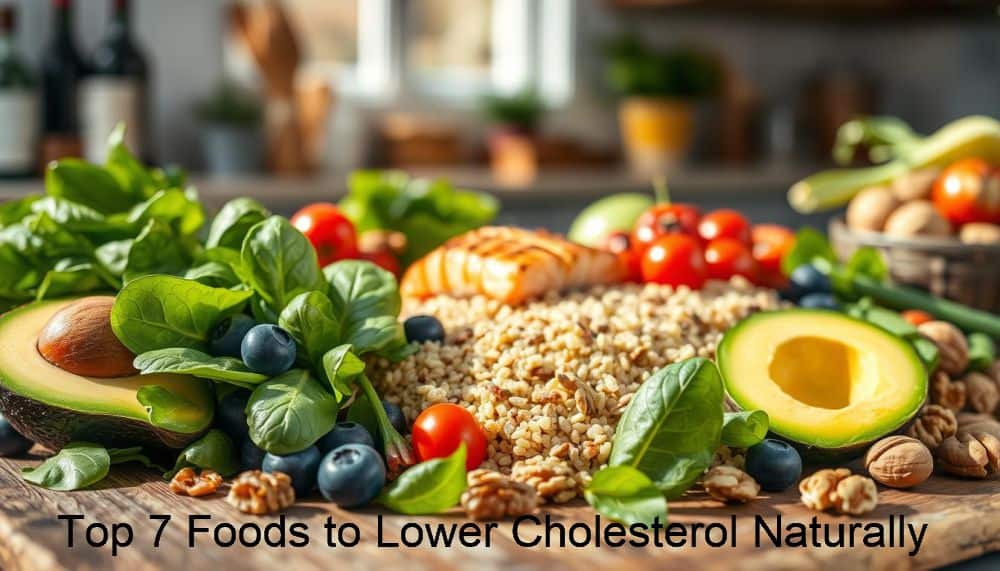
Incorporating the right foods into your diet can make a significant difference. Certain foods have been shown to help reduce cholesterol levels and promote overall cardiovascular well-being. In this article, we’ll explore the top 7 foods that can help you achieve a healthier heart.
Key Takeaways
- Eating the right foods can help lower cholesterol levels.
- A healthy diet is crucial for maintaining heart health.
- Certain foods have been shown to reduce cholesterol levels naturally.
- Managing cholesterol is key to preventing heart disease.
- A well-balanced diet can promote overall cardiovascular well-being.
Understanding Cholesterol and Heart Health
Maintaining healthy cholesterol levels is key to preventing heart disease, but what exactly is cholesterol, and how does it affect your heart? Cholesterol is a type of fat found in your bloodstream that is essential for various bodily functions, including building cell membranes and producing hormones.
What is Cholesterol and Why Does it Matter?
Cholesterol is transported through your bloodstream by lipoproteins, which are made up of lipids and proteins. There are different types of cholesterol, and understanding these differences is crucial for managing heart health.
HDL vs. LDL: Knowing the Difference
HDL (High-Density Lipoprotein) cholesterol is often referred to as “good” cholesterol because it helps remove other forms of cholesterol from your bloodstream. On the other hand, LDL (Low-Density Lipoprotein) cholesterol is considered “bad” cholesterol because high levels can lead to plaque buildup in your arteries, increasing the risk of heart disease.
Risk Factors for High Cholesterol
Several factors can contribute to high cholesterol, including dietary habits, lifestyle choices, and genetic predisposition.
Dietary Factors
Consuming foods high in saturated and trans fats can raise your LDL cholesterol levels. Limiting dietary cholesterol is also important, as it can impact your overall cholesterol levels.
Lifestyle Factors
Lack of physical activity, smoking, and excessive alcohol consumption can all negatively impact your cholesterol levels and heart health.
Genetic Predisposition
Some people are genetically predisposed to high cholesterol, a condition known as familial hypercholesterolemia. Understanding your family history can help you take proactive steps to manage your cholesterol levels.
By understanding the different types of cholesterol and the factors that influence your levels, you can take steps to maintain healthy cholesterol and reduce your risk of heart disease.
How Diet Impacts Your Cholesterol Levels
Understanding how diet affects cholesterol levels is crucial for maintaining heart health. The food we eat plays a significant role in determining our cholesterol levels, which in turn affects our risk of developing heart disease.
The Role of Saturated and Trans Fats
Saturated and trans fats are known to negatively impact cholesterol levels. Saturated fats, found in red meat and full-fat dairy products, can raise LDL (bad) cholesterol. Trans fats, often present in processed foods, not only raise LDL but also lower HDL (good) cholesterol. Limiting these fats is essential for maintaining healthy cholesterol levels.
Dietary Cholesterol vs. Blood Cholesterol
It’s essential to distinguish between dietary cholesterol and blood cholesterol. Dietary cholesterol is the cholesterol we consume through food, whereas blood cholesterol refers to the cholesterol present in our bloodstream. While there’s a connection between the two, dietary cholesterol has a limited impact on blood cholesterol for most people. However, focusing on a balanced diet is still crucial.
How Certain Nutrients Help Lower Cholesterol
Certain nutrients can help lower cholesterol levels, contributing to better heart health.
Soluble Fiber
Soluble fiber, found in foods like oats, barley, and fruits, can help reduce LDL cholesterol. It works by binding to bile acids and removing them from the body, which in turn reduces the amount of cholesterol produced in the liver.
Plant Sterols and Stanols
Plant sterols and stanols, found in fortified foods and some natural products, can help lower LDL cholesterol by inhibiting its absorption in the gut.
Omega-3 Fatty Acids
Omega-3 fatty acids, particularly EPA and DHA found in fatty fish, can help lower triglycerides and slightly raise HDL cholesterol, contributing to overall heart health.
Top 7 Foods to Lower Cholesterol Naturally
A well-balanced diet rich in certain nutrients can help lower LDL cholesterol and promote overall cardiovascular well-being. Incorporating the right foods into your daily meals can make a significant difference in managing cholesterol levels.
Overview of Cholesterol-Lowering Food Categories
Cholesterol-lowering foods can be categorized into several key groups, including those rich in soluble fiber, omega-3 fatty acids, and plant sterols. Soluble fiber, found in foods like oats and fruits, helps reduce the absorption of cholesterol into the bloodstream. Omega-3 fatty acids, abundant in fatty fish, not only lower triglycerides but also contribute to overall heart health.
How These Foods Work Together
When combined, these foods create a synergistic effect that enhances their individual benefits. For instance, a diet that includes both soluble fiber-rich foods and omega-3 fatty acids can be particularly effective in lowering LDL cholesterol and improving heart health. Additionally, incorporating plant sterols, found in fortified foods, can further aid in reducing cholesterol absorption.
Building a Heart-Healthy Eating Pattern
To build a heart-healthy eating pattern, focus on variety and balance. Include a range of fruits, vegetables, whole grains, lean proteins, and healthy fats in your diet. It’s also crucial to limit dietary cholesterol, saturated fats, and trans fats. By making informed food choices, you can create a sustainable eating pattern that supports long-term cardiovascular health.
By understanding the different categories of cholesterol-lowering foods and how they work together, you can make informed decisions about your diet. This knowledge empowers you to take control of your heart health through the food choices you make every day.
Oats and Whole Grains: Fiber Champions for Heart Health
Whole grains, particularly oats, are renowned for their cholesterol-lowering properties due to their high fiber content. Incorporating these foods into your diet can significantly improve heart health by reducing cholesterol levels and promoting overall well-being.
The Science Behind Oats and Cholesterol Reduction
Oats contain a type of soluble fiber known as beta-glucan, which has been shown to effectively lower LDL (bad) cholesterol. Beta-glucan works by forming a gel-like substance in the digestive system, trapping bile acids and removing them from the body, thus reducing the amount of cholesterol produced in the liver.
Beta-Glucan: The Key Component
Beta-glucan is the key component in oats responsible for their cholesterol-lowering effects. Studies have consistently shown that consuming oats rich in beta-glucan can lead to significant reductions in LDL cholesterol.
Research-Backed Benefits
Numerous studies have demonstrated the benefits of oats in heart health. A diet rich in oats can not only lower LDL cholesterol but also help in maintaining healthy blood pressure levels.
Other Beneficial Whole Grains
Apart from oats, other whole grains like barley, brown rice, and quinoa are also beneficial for heart health. These grains are rich in fiber, vitamins, and minerals that contribute to overall cardiovascular well-being.
Barley, Brown Rice, and Quinoa
Barley is another grain rich in beta-glucan, making it an excellent choice for cholesterol reduction. Brown rice and quinoa are rich in fiber and antioxidants, which help in maintaining healthy cholesterol levels and overall heart health.
Practical Ways to Add More Whole Grains to Your Meals
Incorporating whole grains into your daily meals can be simple and delicious. Here are some practical ideas to get you started.
Breakfast Options
Start your day with a bowl of oatmeal or overnight oats. You can also add barley or quinoa to your breakfast porridge for added nutrition.
Lunch and Dinner Ideas
Use brown rice or quinoa as a base for your meals and add a variety of vegetables and lean proteins. Barley can be added to soups and stews for an extra boost of fiber.
By incorporating oats and other whole grains into your diet, you can take a significant step towards improving your heart health and reducing cholesterol levels. Experiment with different recipes and meal ideas to keep your diet interesting and enjoyable.
Fatty Fish: Omega-3 Rich Cholesterol Fighters
Omega-3 rich fatty fish are a crucial component of a heart-healthy diet, aiding in cholesterol management. These fish are not only a great source of protein but also rich in omega-3 fatty acids, which have been shown to have numerous health benefits, particularly for the heart.
How Omega-3s Impact Cholesterol and Triglycerides
Omega-3 fatty acids found in fatty fish have been demonstrated to lower triglycerides, a type of fat found in blood, and slightly lower LDL (bad) cholesterol. More importantly, they help raise HDL (good) cholesterol, contributing to an overall healthier cholesterol profile. The American Heart Association recommends eating fish, especially fatty fish, at least twice a week for heart health benefits.
Best Fish Choices for Heart Health
Not all fish are created equal when it comes to omega-3 content. Fatty fish like salmon, mackerel, and sardines are among the richest sources.
Salmon, Mackerel, and Sardines
Salmon is renowned for its high omega-3 content and is a versatile choice for various dishes. Mackerel is another fatty fish that is rich in omega-3s, though it’s often less preferred due to its stronger taste. Sardines, small and oily, are packed with omega-3s and are a sustainable choice.
Sustainable Seafood Options
When choosing fatty fish, it’s also important to consider sustainability. Look for certifications like MSC (Marine Stewardship Council) to ensure that your seafood choice is sustainable. Sardines and anchovies are often cited as sustainable options due to their fast reproduction rates and abundant populations.
Recommended Servings and Preparation Methods
The American Heart Association suggests at least two servings of fish per week, with a serving size being about 3.5 ounces cooked or ¾ cup flaked.
Cooking Techniques That Preserve Nutrients
Baking, broiling, or grilling fish are recommended cooking methods as they help preserve the omega-3 fatty acids. Avoid deep-frying, as it can add unnecessary calories and potentially harmful fats.
Options for Non-Fish Eaters
For those who don’t eat fish, alternatives like algal oil supplements can provide omega-3s. Additionally, incorporating walnuts, chia seeds, and flaxseeds into your diet can help boost your omega-3 intake.
Nuts, Seeds, and Healthy Oils
Incorporating nuts, seeds, and healthy oils into your diet can be a delicious way to support heart health. These foods are rich in nutrients that help lower cholesterol and improve overall cardiovascular well-being.
Walnuts, Almonds, and Other Cholesterol-Lowering Nuts
Nuts like walnuts and almonds are rich in healthy fats and antioxidants. Walnuts, for instance, are high in alpha-linolenic acid (ALA), a type of omega-3 fatty acid that supports heart health. Almonds are rich in vitamin E and magnesium, which also contribute to their heart-healthy properties.
Studies have shown that consuming nuts regularly can help lower LDL cholesterol and improve overall heart health. It’s recommended to eat a handful of nuts daily as part of a balanced diet.
Flaxseeds, Chia Seeds, and Their Heart-Healthy Properties
Flaxseeds and chia seeds are excellent sources of omega-3 fatty acids and fiber. Flaxseeds are particularly high in ALA, which has been shown to reduce inflammation and improve heart health. Chia seeds are rich in soluble fiber, which can help lower LDL cholesterol.
Incorporating these seeds into your diet can be simple: add them to oatmeal, yogurt, or salads for an extra nutritional boost.
Olive Oil and Other Heart-Healthy Fats
Olive oil is a staple of heart-healthy diets due to its high content of monounsaturated fats. These fats help lower total cholesterol and LDL cholesterol levels. Other healthy oils, such as avocado oil and grapeseed oil, also offer heart health benefits.
Replacing Saturated Fats in Cooking
Using olive oil instead of saturated fats like butter or lard can significantly improve heart health. It’s easy to make this switch in everyday cooking: use olive oil for sautéing, roasting, or as a finishing oil for dishes.
Smart Portions for Weight Management
While nuts and seeds are healthy, portion control is crucial for weight management. A serving size is typically a small handful, about 1 ounce or 28 grams. Being mindful of portion sizes can help you enjoy the benefits of these foods without overconsuming calories.
Beans, Legumes, and Soy Foods
A diet rich in beans, legumes, and soy products can contribute to reduced cholesterol levels and improved cardiovascular health. These foods are packed with nutrients that help lower LDL cholesterol, the “bad” cholesterol that can lead to plaque buildup in arteries.
How Beans Help Reduce LDL Cholesterol
Beans are particularly effective at reducing LDL cholesterol due to their high content of soluble fiber and protein. Soluble fiber helps bind to bile acids and remove them from the body, which in turn reduces the amount of cholesterol produced in the liver.
Fiber Content and Protein Quality
The fiber in beans not only helps lower cholesterol but also promotes digestive health. Additionally, beans are an excellent source of high-quality protein, making them an ideal component of a heart-healthy diet.
Top Legume Choices for Heart Health
Some of the most beneficial legumes for heart health include kidney beans, lentils, and chickpeas. These legumes are rich in fiber, protein, and various essential minerals.
Kidney Beans, Lentils, and Chickpeas
Kidney beans are known for their high fiber content, while lentils are rich in protein and minerals like iron and potassium. Chickpeas are versatile and can be easily incorporated into various dishes, from salads to stews.
| Legume | Fiber Content (g) | Protein Content (g) |
|---|---|---|
| Kidney Beans | 8.2 | 15.3 |
| Lentils | 7.9 | 9.0 |
| Chickpeas | 8.6 | 14.5 |
Soy Foods and Their Cholesterol-Lowering Effects
Soy foods, such as tofu, edamame, and soy milk, are also beneficial for heart health. They are rich in protein and isoflavones, which can help improve blood lipid profiles.
Tofu, Edamame, and Soy Milk
Tofu is a versatile soy product that can be used in a variety of dishes, from stir-fries to desserts. Edamame is a tasty snack rich in protein and fiber, while soy milk is a great alternative to dairy milk for those looking to reduce saturated fat intake.
Delicious Ways to Incorporate More Beans Into Your Diet
Incorporating beans into your diet can be easy and delicious. Try adding kidney beans to your favorite chili recipe, using lentils in soups, or making a chickpea salad. You can also experiment with soy products like tofu and edamame in stir-fries and as snacks.
By making these simple changes, you can enjoy the cholesterol-lowering benefits of beans, legumes, and soy foods while savoring a variety of flavors and textures.
Fruits, Vegetables, and Plant Sterols
A diet rich in fruits and vegetables can be a powerful tool in the fight against high cholesterol. These foods are packed with nutrients, fiber, and antioxidants that help maintain heart health and lower cholesterol levels.
Fruits Rich in Soluble Fiber
Fruits rich in soluble fiber can help reduce the absorption of cholesterol into the bloodstream, thereby lowering LDL cholesterol. Soluble fiber forms a gel-like substance in the digestive system, trapping cholesterol and preventing it from being absorbed.
Apples, Citrus, and Berries
Apples, citrus fruits like oranges and grapefruits, and berries such as strawberries and blueberries are excellent sources of soluble fiber. Incorporating these fruits into your daily diet can be as simple as having an apple a day or adding berries to your oatmeal or yogurt.
Avocados: The Heart-Healthy Fruit Exception
Avocados are unique because they are rich in monounsaturated fats, which can help lower LDL cholesterol and raise HDL cholesterol. Adding avocado to salads or using it as a spread can be a delicious way to improve heart health.
Vegetables That Pack a Cholesterol-Lowering Punch
Vegetables are another crucial component of a heart-healthy diet. They are rich in fiber, vitamins, and minerals that help maintain healthy cholesterol levels.
Leafy Greens and Cruciferous Vegetables
Leafy greens like spinach and kale, and cruciferous vegetables such as broccoli and cauliflower, are particularly beneficial. They are rich in fiber and antioxidants, making them excellent choices for heart health.
Fortified Foods with Plant Sterols and Stanols
In addition to whole fruits and vegetables, certain fortified foods contain plant sterols and stanols, which can help lower LDL cholesterol. These substances work by inhibiting the absorption of cholesterol in the gut.
Orange Juice, Yogurt, and Margarine Options
Some orange juices, yogurts, and margarines are fortified with plant sterols and stanols. Consuming these products as part of a balanced diet can help improve cholesterol profiles.
Recommended Daily Intake for Results
To see significant improvements in cholesterol levels, it’s recommended to consume 2-3 grams of plant sterols and stanols per day. This can be achieved by incorporating a variety of fortified foods into your diet.
Conclusion: Building Your Cholesterol-Lowering Meal Plan
Creating a heart-healthy diet is a crucial step in managing cholesterol levels and improving overall heart health. By incorporating the foods discussed in this article, you can develop a cholesterol-lowering meal plan that is both effective and sustainable.
Start by adding more oats, whole grains, and fiber-rich fruits and vegetables to your meals. Include fatty fish like salmon and sardines, which are rich in omega-3s, and nuts and seeds like almonds and chia seeds, which provide healthy fats and fiber. Beans and legumes are also excellent additions, offering protein and soluble fiber that can help lower LDL cholesterol.
Making dietary changes can seem overwhelming, but small steps can lead to significant improvements in heart health. By focusing on whole, nutrient-dense foods and limiting saturated and trans fats, you can create a heart-healthy diet that supports your overall well-being.
By implementing these dietary changes, you can take control of your cholesterol levels and improve your heart health. A well-planned cholesterol-lowering meal plan can make a significant difference in your overall health, reducing the risk of heart disease and related conditions.
FAQ
What are the best foods to lower cholesterol levels?
Incorporating foods rich in soluble fiber like oats, barley, and fruits such as apples and berries can help lower cholesterol. Fatty fish rich in omega-3s, nuts, seeds, and healthy oils are also beneficial. Additionally, beans, legumes, and soy foods can contribute to lowering LDL cholesterol.
How does soluble fiber help in lowering cholesterol?
Soluble fiber helps lower cholesterol by binding to bile acids and removing them from the body, which in turn reduces the amount of cholesterol produced in the liver. Foods high in soluble fiber include oats, barley, fruits, and vegetables.
Can omega-3 fatty acids help lower triglycerides?
Yes, omega-3 fatty acids found in fatty fish like salmon, mackerel, and sardines can help reduce triglyceride levels, improving overall heart health.
Are plant sterols and stanols effective in lowering cholesterol?
Yes, plant sterols and stanols can help lower LDL cholesterol by inhibiting its absorption in the gut. They are found naturally in some foods and are also added to fortified foods like orange juice and certain margarines.
How can I incorporate more heart-healthy foods into my diet?
Start by adding more fruits, vegetables, whole grains, and lean proteins to your meals. Try to include a variety of colorful fruits and vegetables, choose whole grains over refined grains, and opt for lean protein sources like beans and fatty fish.
Can dietary changes alone lower cholesterol levels?
While dietary changes are a crucial step in managing cholesterol levels, they may be more effective when combined with other lifestyle changes, such as regular physical activity and maintaining a healthy weight. In some cases, medication may also be necessary.
How long does it take to see the effects of dietary changes on cholesterol levels?
The time it takes to see the effects of dietary changes on cholesterol levels can vary depending on the individual and the extent of the changes. Generally, noticeable improvements can be seen within a few weeks to a few months.
Are there any foods that can raise HDL cholesterol?
While there are no specific foods that directly raise HDL cholesterol, a healthy diet and lifestyle, including regular physical activity and a healthy weight, can help maintain or improve HDL levels.
Can cooking methods affect the nutritional value of cholesterol-lowering foods?
Yes, cooking methods can impact the nutritional value of foods. Methods like steaming, grilling, and roasting can help preserve nutrients, while frying can add extra calories and potentially harmful compounds.