








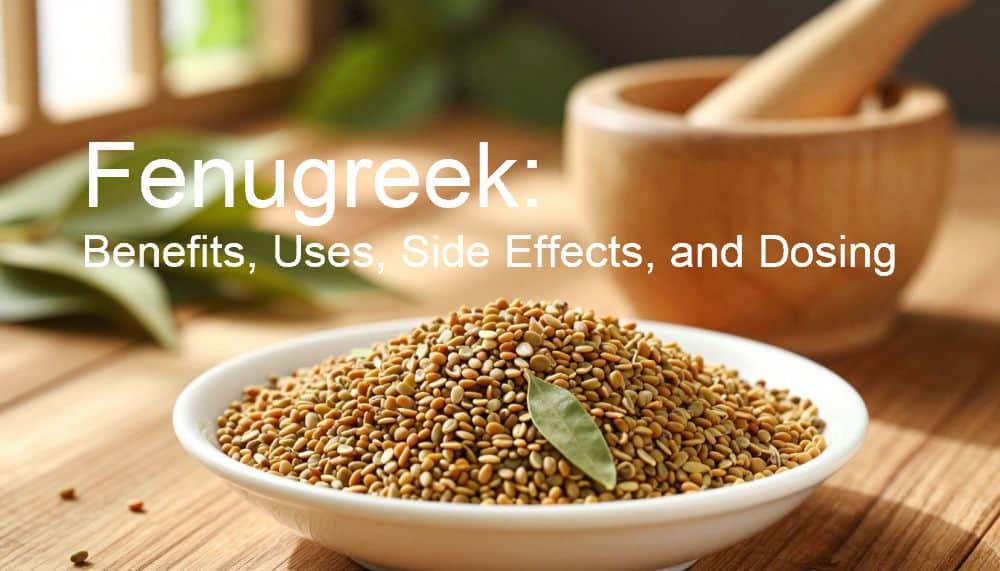

Fenugreek is a popular herb whose seeds and leaves have been used for centuries in traditional medicine. Its potential health benefits range from supporting blood sugar levels to enhancing breast milk production. As interest in natural remedies grows, understanding the effects and proper dosage of fenugreek becomes increasingly important.
This article provides a comprehensive overview of fenugreek, including its benefits, uses, potential side effects, and recommended dosing based on the latest systematic reviews. By exploring the current research, readers can make informed decisions about incorporating fenugreek into their health regimen.
Key Takeaways
- Overview of fenugreek’s traditional uses and potential health benefits
- Discussion on the effects of fenugreek on blood sugar levels and breast milk production
- Guidance on the appropriate dosage for different health benefits
- Potential side effects and considerations for safe use
- Summary of the latest systematic reviews on fenugreek’s efficacy
What Is Fenugreek? Origin and History
Fenugreek, or Trigonella foenum-graecum, is a herb whose seeds and leaves have been utilized in cooking and traditional medicine for thousands of years. It belongs to the Fabaceae family, which includes other legumes and beans.
Botanical Classification and Characteristics
Fenugreek is an annual herb native to the Mediterranean region, southern Europe, and western Asia. Its botanical classification is as follows:
| Kingdom | Family | Genus | Species |
|---|---|---|---|
| Plantae | Fabaceae | Trigonella | T. foenum-graecum |
The plant is characterized by its distinctive aroma and taste, which are often described as earthy and slightly bitter. Fenugreek seeds are rich in nutrients and have been a valuable resource in various cultures.
Historical Use Across Different Cultures
Fenugreek has been used historically in various cultures for its culinary and medicinal properties. In ancient Egypt, it was used for food and as an ingredient in medicines. Similarly, in traditional Chinese medicine, fenugreek was utilized to treat a variety of ailments, including digestive issues.
In India, fenugreek seeds, known as kasuri methi, are a common ingredient in curries and other dishes, highlighting the herb’s significance in culinary uses. The historical use of fenugreek across different cultures underscores its versatility and value.
Understanding Fenugreek: Nutritional Profile and Composition
The nutritional composition of fenugreek is diverse, encompassing a range of macronutrients, micronutrients, and bioactive compounds. Fenugreek seeds and leaves are rich in nutrients, making them a valuable addition to a healthy diet.
Macronutrients and Micronutrients
Fenugreek is a good source of protein, fiber, and various vitamins and minerals. It contains significant amounts of iron, magnesium, and potassium, among other micronutrients.
Active Compounds in Fenugreek Seeds and Leaves
Fenugreek contains several active compounds, including saponins and diosgenin, which are known for their health benefits.
Saponins and Diosgenin
Saponins in fenugreek have been shown to have anti-inflammatory properties, while diosgenin is a steroid saponin that can be used as a precursor for the synthesis of various steroid hormones.
Fiber Content and Properties
Fenugreek is high in dietary fiber, which can help promote digestive health and support healthy blood sugar levels.
| Nutrient | Amount per 100g | % Daily Value |
|---|---|---|
| Protein | 23g | 46% |
| Fiber | 25g | 100% |
| Iron | 33mg | 183% |
Health Benefits of Fenugreek
The health benefits of fenugreek are multifaceted, ranging from managing blood sugar levels to supporting heart health. Fenugreek has been used for centuries in traditional medicine, and modern research is now validating its effectiveness in various health areas.
Blood Sugar Management and Type 2 Diabetes
Fenugreek has been shown to have a positive impact on blood sugar management, particularly for individuals with type 2 diabetes. Its effects on insulin sensitivity and glycemic control are key areas of benefit.
Effects on Insulin Sensitivity
Fenugreek seeds contain soluble fiber, which can slow down the absorption of sugar and improve insulin sensitivity. Studies have indicated that fenugreek supplementation can lead to significant improvements in insulin sensitivity, helping to manage blood glucose levels more effectively.
Glycemic Control Mechanisms
The mechanisms behind fenugreek’s effect on glycemic control involve the delay of carbohydrate absorption and the enhancement of insulin secretion. This dual action helps in maintaining stable blood sugar levels.
Breast Milk Production in Nursing Mothers
Fenugreek is traditionally used to support lactation in nursing mothers. Research suggests that it can increase breast milk production, although the exact mechanisms are not fully understood. It is believed that fenugreek stimulates the sweat glands, which are thought to be associated with milk production.
Cholesterol and Heart Health Benefits
Fenugreek has been found to have beneficial effects on cholesterol levels and heart health. Studies have shown that it can help reduce total cholesterol and LDL (low-density lipoprotein) cholesterol, both of which are risk factors for heart disease.
| Health Benefit | Description |
|---|---|
| Blood Sugar Management | Fenugreek improves insulin sensitivity and glycemic control, aiding in the management of type 2 diabetes. |
| Breast Milk Production | Fenugreek is used to support lactation, potentially increasing breast milk production in nursing mothers. |
| Cholesterol and Heart Health | Fenugreek helps reduce total and LDL cholesterol, supporting heart health. |
Digestive Health Advantages
Fenugreek is rich in dietary fiber, which can aid in digestive health by promoting regular bowel movements and preventing constipation. Its anti-inflammatory properties may also help soothe digestive issues.
In conclusion, fenugreek offers a range of health benefits, from managing blood sugar levels and supporting lactation to improving cholesterol levels and aiding digestive health. Its versatility and nutritional profile make it a valuable herb for overall health and wellness.
Fenugreek for Hormonal Balance
The role of fenugreek in maintaining hormonal balance is gaining attention, particularly for its effects on testosterone levels and various aspects of women’s health. Fenugreek, a herb with a long history of medicinal use, is now being studied for its potential to support hormonal health naturally.
Effects on Testosterone Levels
Fenugreek has been investigated for its ability to influence testosterone levels. Some studies suggest that it may help in boosting testosterone, which could be beneficial for individuals with low testosterone levels. The potential mechanisms behind this effect include the herb’s ability to influence certain hormones and improve overall hormonal balance.
Potential Benefits for Women’s Health
Fenugreek also offers several benefits for women’s health, particularly in relation to menstrual and menopausal health. Its effects on hormonal balance can lead to relief from various symptoms associated with these conditions.
Menstrual Discomfort Relief
One of the potential benefits of fenugreek is the alleviation of menstrual discomfort. By possibly reducing menstrual cramps and other associated symptoms, fenugreek can improve the quality of life for many women.
Menopausal Symptom Management
Additionally, fenugreek may help in managing menopausal symptoms. Its influence on hormonal balance could potentially reduce the severity of symptoms such as hot flashes and mood swings, making it a valuable supplement for women going through menopause.
In conclusion, fenugreek presents a promising natural option for supporting hormonal balance, with benefits extending to both men and women. Its potential to alleviate symptoms associated with hormonal imbalances makes it a worthwhile consideration for those seeking natural health solutions.
Common Uses of Fenugreek in Daily Life
Fenugreek is a versatile herb used in various aspects of daily life, from cooking to traditional medicine. Its unique flavor and numerous health benefits make it a valuable ingredient in many cultures around the world.
Culinary Applications Around the World
Fenugreek seeds and leaves are used in various culinary traditions, adding depth and warmth to dishes. The herb is particularly popular in Indian, Middle Eastern, and Mediterranean cuisines.
Fenugreek in Indian Cuisine
In Indian cooking, fenugreek is used to flavor curries, stews, and vegetable dishes. It is a key ingredient in many spice blends, including curry powder and masalas. The leaves, known as kasuri methi, are often dried and used to add a nutty flavor to recipes.
Middle Eastern and Mediterranean Uses
In Middle Eastern cuisine, fenugreek is used in dishes like stews and salads, while in Mediterranean cooking, it’s often combined with other herbs to create flavorful marinades for meats and vegetables.
Traditional Medicinal Applications
Fenugreek has been used for centuries in traditional medicine to treat various health issues. It is believed to have anti-inflammatory properties and is often used to aid digestion and relieve menstrual cramps.
Cosmetic and Topical Uses
In addition to its culinary and medicinal uses, fenugreek is also applied topically for its potential benefits to the skin and hair. It is believed to help soothe skin irritations and promote healthy hair growth.
Overall, fenugreek’s versatility and numerous benefits make it a valuable addition to daily life, whether used in cooking, traditional medicine, or as a cosmetic ingredient.
Different Forms of Fenugreek Supplements
Fenugreek supplements come in a variety of forms, catering to different needs and preferences. This diversity allows consumers to choose the most suitable form based on their health goals, convenience, and personal taste.
Whole Seeds and Powder Formulations
Whole fenugreek seeds and powder formulations are among the most traditional and widely used forms. The seeds can be used whole in cooking or brewing tea, while the powder can be easily incorporated into various dishes or taken as a supplement.
Whole seeds are rich in fiber and can aid in digestion, while powder formulations offer a convenient way to add fenugreek to daily meals.
Fenugreek Extracts and Capsules
For those seeking a more concentrated dose, fenugreek extracts and capsules are available. These provide a standardized amount of active compounds, making it easier to achieve the desired health benefits.
Fenugreek extracts are often used to support testosterone levels and breast milk production, while capsules offer a convenient and tasteless alternative.
Fenugreek Tea and Infusions
Fenugreek tea and infusions are another popular way to consume this herb. They can be enjoyed hot or cold and are often used to aid digestion and soothe the stomach.
Fenugreek tea is known for its soothing effects, while infusions can be customized with other herbs for enhanced benefits.
Novel Fenugreek Formulations
The market is also seeing innovative fenugreek formulations, such as microencapsulated powders and sustained-release tablets. These novel forms aim to improve bioavailability and convenience.
Novel formulations are designed to enhance the efficacy and user experience of fenugreek supplements, catering to the evolving needs of consumers.
Proper Dosage Guidelines for Fenugreek
To reap the benefits of fenugreek, it’s essential to follow the recommended dosage guidelines. Fenugreek is a versatile herb used for various health conditions, and its dosage can vary accordingly.
Recommended Dosages for Different Health Conditions
The dosage of fenugreek depends on the specific health benefit being targeted. For instance, different dosages are recommended for blood sugar management and lactation support.
Dosing for Blood Sugar Management
For managing blood sugar levels, a common dosage is between 5 to 50 grams of fenugreek seeds or powder per day. Studies have shown that 10 grams of fenugreek seed powder twice daily can significantly improve glycemic control.
Dosing for Lactation Support
Nursing mothers often consume fenugreek to enhance milk production. The typical dosage ranges from 2 to 4 grams of fenugreek tea or capsules, taken three times a day. However, it’s crucial to consult a healthcare provider before starting any supplement.
Factors Affecting Appropriate Dosage
Several factors can influence the appropriate dosage of fenugreek, including age, health status, and the presence of any underlying medical conditions. It’s also important to consider potential interactions with other medications.
Timing and Administration Methods
The timing and method of fenugreek administration can impact its effectiveness. For example, taking fenugreek with meals may help reduce gastrointestinal side effects. Additionally, dividing the daily dosage into multiple smaller doses can enhance tolerance and efficacy.
In conclusion, understanding the proper dosage guidelines for fenugreek is vital for achieving the desired health benefits while minimizing potential side effects.
Potential Side Effects and Safety Concerns
Understanding the potential side effects of fenugreek is essential for safe consumption. While fenugreek is generally considered safe, it can cause adverse reactions in some individuals.
Common Side Effects and Adverse Reactions
Fenugreek can cause several common side effects, including gastrointestinal issues and a distinct body odor.
Gastrointestinal Effects
Fenugreek seeds can cause gastrointestinal discomfort, including bloating, gas, and diarrhea, especially when consumed in large quantities. To minimize these effects, it’s recommended to start with a small dose and gradually increase it.
Maple Syrup Odor
One of the unique side effects of fenugreek is causing the body to produce a maple syrup-like odor in sweat and urine. This is due to the compound sotolone, which is absorbed into the bloodstream and excreted through sweat and urine.
Drug Interactions with Medications
Fenugreek can interact with certain medications, potentially leading to adverse effects.
Interactions with Diabetes Medications
Fenugreek may lower blood sugar levels, which can interact with diabetes medications. Individuals with diabetes should monitor their blood sugar levels closely when consuming fenugreek.
Interactions with Blood Thinners
Fenugreek may also interact with blood thinners like warfarin, potentially increasing the risk of bleeding. Individuals on anticoagulant therapy should consult their healthcare provider before consuming fenugreek.
Who Should Avoid Fenugreek Consumption
Certain individuals should avoid or approach fenugreek consumption with caution.
Pregnancy Considerations
Pregnant women, especially in the early stages, should be cautious with fenugreek as it may stimulate uterine contractions. It’s advisable for pregnant women to consult their healthcare provider before consuming fenugreek.
Allergy and Sensitivity Concerns
Individuals with allergies to plants in the Fabaceae family may be at risk of an allergic reaction to fenugreek. Symptoms can range from mild discomfort to severe reactions.
Some common symptoms of an allergic reaction include:
- Hives
- Itching
- Swelling
- Stomach cramps
- Diarrhea
In conclusion, while fenugreek offers numerous health benefits, it’s crucial to be aware of its potential side effects and safety concerns. By understanding these factors, individuals can make informed decisions about incorporating fenugreek into their health regimen.
Scientific Research and Clinical Evidence
Research into fenugreek’s medicinal properties has yielded promising results, backed by clinical evidence and systematic reviews. The growing body of research has provided insights into fenugreek’s potential health benefits, ranging from blood sugar management to hormonal balance.
Systematic Reviews and Meta-Analyses
Systematic reviews and meta-analyses have played a crucial role in assessing the efficacy of fenugreek for various health conditions. These studies compile data from multiple clinical trials to draw comprehensive conclusions. For instance, a systematic review might analyze the effect of fenugreek on blood sugar levels in diabetic patients, combining results from several clinical trials to identify trends and significant outcomes.
Clinical Studies and Their Findings
Clinical studies on fenugreek have explored its effects on different health parameters. Some studies have focused on its impact on testosterone levels, while others have examined its role in managing blood sugar levels or enhancing lactation in nursing mothers. These studies often involve controlled experiments where participants are given either fenugreek supplements or a placebo, and their health outcomes are measured over time.
Limitations in Current Research
Despite the promising findings, current research on fenugreek has several limitations. Many studies have small sample sizes, and there is a need for more diverse populations to be included in the research to ensure the results are generalizable. Additionally, the quality of fenugreek supplements can vary significantly between manufacturers, affecting the consistency of research outcomes.
Future Research Directions
Future research on fenugreek is likely to focus on addressing the current limitations. This includes conducting larger, more diverse studies and standardizing fenugreek preparations to ensure consistency across trials. Investigating the long-term effects of fenugreek supplementation and its potential interactions with other medications will also be crucial for fully understanding its therapeutic potential.
Conclusion: Is Fenugreek Right for You?
Fenugreek has been explored in depth for its numerous health benefits, ranging from blood sugar management and cholesterol reduction to enhancing breast milk production and supporting hormonal balance. Understanding the various fenugreek benefits is crucial in determining whether incorporating it into your daily regimen is a good decision.
When considering using fenugreek, it’s essential to weigh the potential advantages against possible side effects and interactions with other medications. The versatility of fenugreek allows it to be consumed in various forms, from whole seeds and powders to extracts and teas, making it relatively easy to find a method that suits individual preferences.
In conclusion, fenugreek can be a valuable addition to a health-conscious lifestyle, provided it is used responsibly and under appropriate guidance. By being informed about the proper dosage, potential interactions, and individual health needs, one can harness the benefits of fenugreek effectively.
FAQ
What is fenugreek and how is it used?
Fenugreek is an herb whose seeds and leaves are used for their nutritional and medicinal properties. It is commonly used in cooking, as a dietary supplement, and for various health benefits.
Can fenugreek help with blood sugar management?
Yes, fenugreek has been shown to help manage blood sugar levels and improve insulin sensitivity, making it potentially beneficial for individuals with type 2 diabetes.
How does fenugreek affect breast milk production?
Fenugreek is often used by nursing mothers to increase breast milk production. While its effectiveness can vary, many women report an increase in milk supply after consuming fenugreek.
What are the recommended dosages of fenugreek for different health conditions?
The recommended dosage of fenugreek can vary depending on the health condition being treated. For blood sugar management, doses typically range from 5 to 100 grams per day. For lactation support, common dosages are around 500-600 mg of fenugreek seed extract three times a day.
Are there any potential side effects of taking fenugreek?
Yes, fenugreek can cause side effects such as gastrointestinal discomfort, a maple syrup-like odor in the urine and sweat, and allergic reactions in some individuals.
Can fenugreek interact with other medications?
Fenugreek may interact with certain medications, including diabetes medications and blood thinners. It is essential to consult with a healthcare provider before taking fenugreek, especially if you are on any prescription medications.
Is fenugreek safe for pregnant women to consume?
Fenugreek is not recommended for pregnant women, as it may stimulate uterine contractions and potentially cause complications. Pregnant women should consult their healthcare provider before using fenugreek.
How is fenugreek typically consumed?
Fenugreek can be consumed in various forms, including whole seeds, powder, extracts, capsules, tea, and infusions. The choice of form often depends on the intended use and personal preference.
What does the research say about the effectiveness of fenugreek?
Research on fenugreek has shown promising results for its potential health benefits, including blood sugar management, lactation support, and cholesterol reduction. However, more studies are needed to fully understand its effects and optimal dosing.