




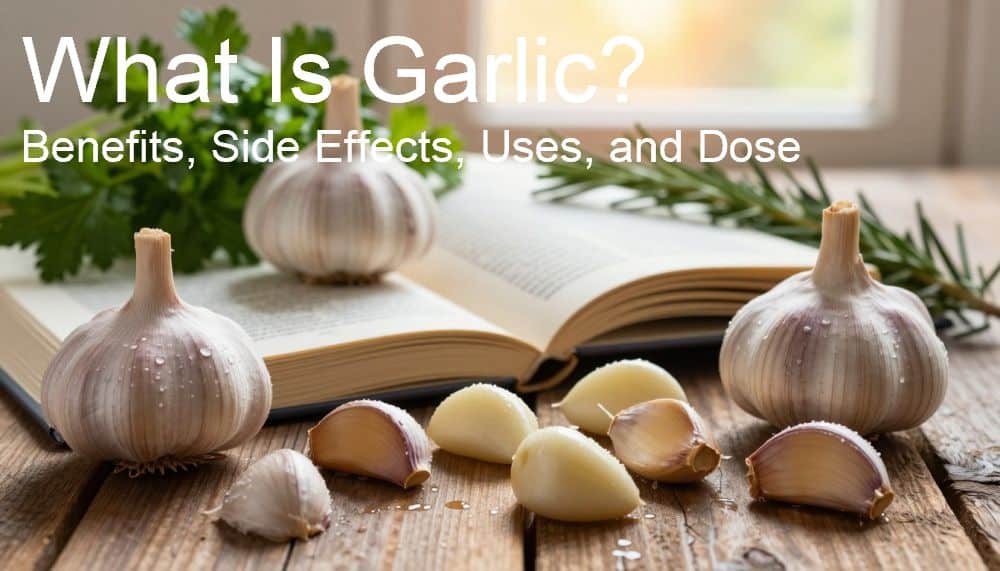

For centuries, people across the globe have turned to this pungent bulb to add a special zing to their favorite dishes. Beyond its famous flavor, this savory ingredient provides amazing health benefits of garlic that support a strong and resilient body. It remains a beloved kitchen staple from the Mediterranean to the Americas because of its unique medicinal properties.
Many individuals today prefer taking a concentrated supplement to enjoy these perks without dealing with the lingering scent. Understanding the correct dosage is essential to ensure you receive the maximum nutritional value from your daily routine. This simple approach helps you stay healthy while keeping your breath fresh for various social situations.
This guide takes a friendly look at how this ancient herb works to improve your overall well-being. We will cover the primary advantages and possible side effects to help you make informed choices for your lifestyle. Discover how this small but mighty plant can transform your wellness journey starting today.
Key Takeaways
- This plant offers natural support for heart and immune health.
- Modern supplements provide nutrients without the strong odor of raw cloves.
- Finding the right amount to take prevents common stomach issues.
- It serves as both a powerful culinary spice and a traditional remedy.
- Proper preparation helps unlock the most active compounds for wellness.
- Checking for side effects is important before starting a new routine.
Understanding Garlic: Nature’s Powerful Bulb
Allium sativum, or garlic, is a powerful bulb that has been utilized in various cultures for its health benefits and flavor. Garlic belongs to the Allium genus, which also includes onions, leeks, and chives. The bulb is composed of multiple cloves, each enclosed in a papery skin, and is known for its strong, pungent aroma and flavor.
Historical Significance of Garlic
Garlic has been used for thousands of years in culinary and medicinal practices. Ancient civilizations such as the Egyptians, Greeks, and Romans valued garlic not only for its flavor but also for its perceived health benefits and medicinal properties. It was used to treat various ailments, from infections to digestive issues.
The properties of garlic are attributed to its rich content of bioactive compounds. These compounds are responsible for the characteristic smell of garlic and have been shown to have numerous health benefits.
Some of the key properties of garlic include its antimicrobial, antiviral, and antifungal effects. These properties make garlic a potent ingredient in fighting off infections and supporting overall health.
Garlic is also known for its antioxidant properties, which help in protecting the body against free radicals and oxidative stress. This can contribute to the prevention of chronic diseases such as heart disease and cancer.
Nutritional and Medicinal Properties
To understand the significance of garlic, let’s look at its nutritional profile and medicinal properties in a structured format:
| Property | Description | Benefit |
|---|---|---|
| Antimicrobial | Fights against bacteria, viruses, and fungi | Boosts immune system |
| Antioxidant | Protects against free radicals | Reduces risk of chronic diseases |
| Anti-inflammatory | Reduces inflammation in the body | Supports heart health and reduces cancer risk |
In conclusion, garlic is more than just a culinary ingredient; it’s a natural remedy with a multitude of health benefits. Its rich history, coupled with its nutritional and medicinal properties, makes it a valuable addition to a healthy diet.
Nutritional Profile and Active Compounds in Garlic
The nutritional profile of garlic is as impressive as its culinary uses, boasting a rich array of vitamins, minerals, and other beneficial compounds.
Garlic is a good source of essential nutrients, including vitamin C, vitamin B6, and manganese. It also contains smaller amounts of other nutrients like selenium and fiber.
Key Nutrients in Garlic:
- Vitamin C: Important for immune function
- Vitamin B6: Plays a role in many enzymatic reactions
- Manganese: Involved in bone health and metabolism
- Selenium: Acts as an antioxidant
One of the most significant active compounds in garlic is allicin, which is responsible for its characteristic smell and many of its health benefits. Allicin is formed when garlic is crushed or chopped, and it has been shown to have antibacterial, antiviral, and antifungal properties.
The beneficial effects of garlic are not limited to allicin alone; other compounds like diallyl disulfide and S-allyl cysteine also contribute to its health-promoting properties.
Heart Health Benefits of Garlic
Garlic’s impact on heart health is multifaceted, influencing various factors that contribute to cardiovascular wellness. Its benefits range from lowering blood pressure to improving lipid profiles, ultimately contributing to a reduced risk of cardiovascular disease.
Effect of Garlic on Blood Pressure
High blood pressure is a significant risk factor for cardiovascular disease. Studies have shown that garlic can help lower blood pressure in individuals with hypertension. The active compounds in garlic, such as allicin, are believed to be responsible for this effect by promoting relaxation of blood vessels and improving blood flow.
Key benefits of garlic for blood pressure management include:
- Relaxation of blood vessels
- Improved blood flow
- Potential reduction in systolic and diastolic blood pressure
Garlic’s Impact on Cholesterol and Lipid Profile
Garlic has been found to have a positive impact on cholesterol levels and overall lipid profile. It is known to help reduce total cholesterol and LDL (low-density lipoprotein) cholesterol, often referred to as “bad” cholesterol, while also potentially increasing HDL (high-density lipoprotein) or “good” cholesterol.
The mechanisms behind garlic’s effect on cholesterol include inhibiting the synthesis of cholesterol in the liver and enhancing the excretion of bile acids, which can help lower cholesterol levels.
Protective Effect Against Cardiovascular Disease
The cumulative effect of garlic’s benefits on blood pressure, cholesterol, and lipid profile contributes to its protective effect against cardiovascular disease. By addressing multiple risk factors, garlic consumption can be a valuable component of a heart-healthy lifestyle.
Regular consumption of garlic may help:
- Reduce the risk of heart disease
- Prevent the formation of blood clots
- Improve overall cardiovascular health
Immune System Support and Antimicrobial Properties
Garlic is celebrated not only for its flavor but also for its ability to bolster the immune system and combat microbial infections. The compounds present in garlic have been shown to enhance the functioning of the immune system, helping the body to fight off pathogens more effectively.
One of the key ways garlic supports immune function is through its antimicrobial properties. Garlic has been demonstrated to have antibacterial, antiviral, and antifungal effects, making it a potent natural remedy against a wide range of microorganisms.
The antimicrobial properties of garlic are attributed to compounds like allicin, which is released when garlic is crushed or chopped. Allicin has been shown to inhibit the growth of various bacteria, viruses, and fungi, thereby helping to prevent infections.
Garlic’s immune-boosting effects can be attributed to its ability to stimulate the production of white blood cells, which are vital for fighting infections. Additionally, garlic contains vitamins and minerals that are essential for maintaining a healthy immune system.
| Compound | Antimicrobial Effect | Health Benefit |
|---|---|---|
| Allicin | Antibacterial, Antiviral, Antifungal | Boosts immune system, fights infections |
| Vitamin C | Antioxidant | Supports immune function, overall health |
| Selenium | Antioxidant | Protects against cell damage, supports immune system |
Incorporating garlic into your diet can be a simple yet effective way to support your immune system and protect against microbial infections. Whether consumed raw, cooked, or as a supplement, garlic’s health benefits make it a valuable addition to a healthy lifestyle.
Garlic and Cancer Prevention
Emerging evidence suggests that garlic may play a crucial role in cancer prevention, making it a valuable component of a healthy diet.
Garlic contains various bioactive compounds that have been shown to have anticancer effects. These compounds can help in preventing the formation of cancer cells, reducing the risk of certain types of cancer.
Several studies have investigated the relationship between garlic consumption and cancer risk. A key study published in the National Cancer Institute journal highlighted that garlic extracts and compounds can inhibit the growth of cancer cells and induce apoptosis (cell death).
The active compounds in garlic, such as allicin and diallyl disulfide, are believed to be responsible for its anticancer properties.
To summarize the findings on garlic’s anticancer properties, here is a table outlining some key studies and their results:
| Cancer Type | Garlic Compound/Extract | Observed Effect |
|---|---|---|
| Breast Cancer | Allicin | Inhibition of cancer cell growth |
| Colorectal Cancer | Diallyl Disulfide | Induction of apoptosis in cancer cells |
| Lung Cancer | Garlic Extract | Reduced tumor size and number |
In conclusion, the available evidence suggests that garlic has potential benefits in cancer prevention. Its bioactive compounds can help in reducing the risk of certain cancers by inhibiting cancer cell growth and inducing cell death. Incorporating garlic into one’s diet could be a valuable strategy for cancer prevention.
Additional Health Benefits of Garlic
The versatility of garlic is evident in its wide-ranging health benefits, from bone health to blood sugar regulation. Beyond its well-documented cardiovascular advantages, garlic has been found to have a positive impact on various other aspects of health.
Bone Health Support
Garlic has been shown to have a beneficial effect on bone health, potentially reducing the risk of osteoporosis and fractures. This is attributed to its ability to increase estrogen levels in females, which is crucial for maintaining bone density.
A study published in the Journal of Nutrition found that garlic extract supplementation increased bone density in mice, suggesting its potential as a therapeutic agent for bone health disorders.
| Study Group | Bone Density Change |
|---|---|
| Garlic Supplemented | +5% |
| Control Group | -2% |
Neuroprotective Effects and Brain Health
Garlic contains compounds that have been shown to have neuroprotective effects, potentially safeguarding against neurodegenerative diseases such as Alzheimer’s and Parkinson’s. The antioxidant properties of garlic help in reducing oxidative stress, a key factor in the progression of these diseases.
Aged garlic extract has been particularly noted for its neuroprotective properties, with studies indicating its ability to reduce inflammation and promote neuronal health.
Blood Sugar Regulation
Garlic has been found to have a positive effect on blood sugar levels, making it a potential dietary component for managing diabetes. The active compounds in garlic are believed to enhance insulin sensitivity, thereby facilitating glucose uptake into cells.
A meta-analysis of clinical trials revealed that garlic supplementation resulted in significant reductions in fasting blood glucose levels, underscoring its potential as a complementary therapy for diabetes management.
Different Forms of Garlic: Fresh, Aged, and Supplements
The versatility of garlic is evident in its multiple forms, ranging from fresh cloves to aged extracts. This variety allows individuals to choose the form that best suits their health needs, culinary preferences, and lifestyle.
Fresh Raw Garlic and Garlic Cloves
Fresh raw garlic is one of the most commonly used forms of garlic. It is rich in allicin, a compound responsible for many of its health benefits. To maximize the health benefits, it is recommended to crush or chop garlic and let it sit for a few minutes before consumption. This process allows the enzyme alliinase to convert alliin into allicin.
Fresh garlic cloves can be incorporated into a variety of dishes, from sauces and marinades to salads and stir-fries. However, some individuals may find the strong flavor and potential digestive side effects challenging.
Aged Garlic Extract and Its Unique Properties
Aged garlic extract is produced by aging fresh garlic over a period, typically several months. This process mellows the flavor and enhances certain health benefits. Aged garlic extract has been shown to have antioxidant properties and may help in reducing the risk of cardiovascular diseases.
The aging process reduces the allicin content but increases other beneficial compounds. As a result, aged garlic extract is often used in supplements due to its potential health benefits and reduced likelihood of causing digestive issues.
Garlic Powder, Tablets, and Time-Released Formulations
Garlic powder is made by dehydrating garlic cloves and grinding them into a powder. It is a convenient alternative to fresh garlic and can be used in cooking or as a supplement. Garlic tablets and capsules are other popular forms, often used for their potential health benefits.
Time-released formulations are designed to release garlic’s active compounds over a longer period, potentially reducing side effects and improving efficacy.
Garlic Oil and Garlic Extracts
Garlic oil is another form that captures the essence of garlic. It is often used topically or as a flavor enhancer in cooking. Garlic extracts, similar to aged garlic extract, are concentrated forms that may be used for their health benefits.
Black Garlic
Black garlic is a type of aged garlic that has been fermented, giving it a sweet and syrupy flavor. It is made by heating whole bulbs of garlic over a period, which changes its chemical composition and enhances its antioxidant properties.
Black garlic is used in various culinary dishes and is believed to have several health benefits, including improved cardiovascular health and antioxidant effects.
Common Uses of Garlic in Health and Cooking
With its rich history and numerous benefits, garlic is utilized in diverse ways. Garlic has been a cornerstone in various cultures, not only for its flavor but also for its medicinal properties. Its uses span across culinary, medicinal, and even topical applications, making it a versatile ingredient in many households.
Culinary Uses and Garlic Consumption
Garlic is a fundamental ingredient in many cuisines around the world. It adds flavor to a variety of dishes, from sauces and marinades to stir-fries and roasted vegetables. The way garlic is consumed can vary significantly, from raw cloves in salads and dressings to cooked forms in soups and stews.
Some of the most common culinary uses of garlic include:
- Enhancing the flavor of sauces and marinades
- Adding depth to soups and stews
- Being a key ingredient in various international cuisines, such as Italian, Chinese, and Korean cooking
- Used raw in salads, dressings, and dips for an intense flavor
Medicinal Applications
Garlic has been used for centuries for its medicinal properties. It is known for its antibacterial, antiviral, and antifungal properties, making it a popular remedy for various health issues. Garlic is often used to boost the immune system, reduce the severity of colds and flu, and support cardiovascular health.
Some of the medicinal applications of garlic include:
- Supporting immune function
- Lowering blood pressure and cholesterol levels
- Exhibiting antimicrobial properties to fight off infections
- Being used as a natural remedy for colds and flu
Topical Uses: Applying Garlic to the Skin
Apart from being consumed, garlic can also be applied topically. It is believed to have benefits for the skin, including reducing acne and other skin infections due to its antimicrobial properties. However, it’s crucial to use garlic topically with caution, as it can cause skin irritation in some individuals.
Some of the topical uses of garlic include:
- Treating fungal infections like athlete’s foot
- Reducing the appearance of warts
- Being used in homemade remedies for acne and other skin issues
Recommended Dosage: How Much Garlic Per Day
Determining the ideal garlic dosage is crucial for maximizing its health benefits while minimizing potential side effects. The optimal amount can vary based on the form of garlic consumed, individual health needs, and specific health goals.
Garlic has been used for centuries for its culinary and medicinal properties, and understanding the right dosage is key to harnessing its benefits. Whether you’re consuming fresh garlic or supplements, the dosage can significantly impact its efficacy and safety.
Fresh Garlic Dosage
For fresh garlic, the typical recommendation is to consume 1-2 cloves per day. This amount is generally considered safe and effective for most adults. One clove of garlic is equivalent to approximately 1 gram or 3-4 mg of allicin, the compound responsible for many of garlic’s health benefits.
Consuming raw garlic on an empty stomach is believed to enhance its health benefits, as it allows for better absorption of allicin. However, it may cause stomach upset in some individuals.
Garlic Supplement and Extract Dosage
For garlic supplements and extracts, the dosage can vary widely depending on the product’s formulation and concentration. Aged garlic extract is a popular form that is often standardized to contain a specific amount of active compounds.
Typical dosages for garlic supplements range from 600 to 1200 mg per day, divided into multiple doses. It’s essential to follow the manufacturer’s instructions and consult with a healthcare professional to determine the best dosage for your specific needs.
Factors Affecting Optimal Garlic Dosage
Several factors can influence the optimal garlic dosage, including age, health status, and individual tolerance. For instance, older adults or those with certain medical conditions may need to adjust their garlic intake.
- Health Goals: The dosage may vary depending on whether you’re using garlic for heart health, immune support, or other health benefits.
- Form of Garlic: Fresh garlic, supplements, and extracts have different potencies and recommended dosages.
- Individual Tolerance: Some people may experience side effects at lower doses, necessitating a reduction in intake.
By considering these factors and consulting with a healthcare professional, you can determine the most effective and safe garlic dosage for your needs.
Side Effects of Garlic: What You Need to Know
Understanding the side effects of garlic is crucial for safe and effective use. While garlic is widely consumed and has numerous health benefits, it can also cause adverse effects in some individuals.
Common Digestive Side Effects
Garlic can cause several digestive side effects due to its active compounds. Some of the most common issues include:
- Bad breath
- Heartburn
- Nausea
- Upset stomach
- Diarrhea
These effects are often more pronounced when garlic is consumed raw or in large quantities. Reducing the amount consumed or cooking garlic can help mitigate these issues.
| Digestive Issue | Possible Cause | Mitigation Strategy |
|---|---|---|
| Bad Breath | Volatile sulfur compounds | Practice good oral hygiene, consume parsley or green tea |
| Heartburn | Irritation of the esophagus | Avoid consuming garlic on an empty stomach, eat smaller meals |
Allergic Reactions and Sensitivities
Some individuals may be allergic or sensitive to garlic, experiencing reactions that can range from mild to severe. Symptoms may include:
- Skin rashes
- Itching
- Swelling
- Difficulty breathing
In severe cases, garlic allergy can cause anaphylaxis, a life-threatening condition requiring immediate medical attention.
“Garlic allergy, though rare, can manifest in various ways, from mild discomfort to life-threatening reactions.”
Risks of Applying Garlic to Skin
Topical application of garlic, often used in folk remedies, can lead to skin irritation, including:
- Burns
- Redness
- Blisters
It is essential to dilute garlic extracts or oils and perform patch tests before applying them to larger skin areas.
By understanding these potential side effects and taking appropriate precautions, individuals can safely harness the benefits of garlic while minimizing its risks.
Drug Interactions and Safety Precautions with Garlic Supplementation
Understanding the potential drug interactions and safety precautions associated with garlic supplementation is vital for safe use. Garlic supplements can be beneficial for heart health and immune system support, but they can also interact with various medications.
One of the primary concerns with garlic supplementation is its potential to interact with anticoagulant medications, such as warfarin. Garlic can enhance the effects of these medications, increasing the risk of bleeding. Therefore, individuals taking anticoagulant medications should consult their health care provider before starting garlic supplements.
Garlic supplements may also interact with diabetes medications. Garlic can lower blood sugar levels, and when combined with diabetes medications, it may cause hypoglycemia (low blood sugar). Monitoring blood sugar levels closely is advised for individuals with diabetes who are taking garlic supplements.
Additionally, garlic can interact with blood pressure medications. While garlic is known to help lower blood pressure, combining it with blood pressure medications can potentially cause blood pressure to drop too low, leading to dizziness and fainting.
To ensure safe use, several safety precautions should be taken. Firstly, it is crucial to consult with a health care provider before starting garlic supplements, especially if you are taking any medications or have underlying health conditions. They can provide personalized advice based on your health status and medication regimen.
Furthermore, individuals should be aware of their body’s response to garlic supplements and adjust their dosage or discontinue use if they experience any adverse effects. It’s also important to choose high-quality garlic supplements from reputable manufacturers to minimize the risk of adverse interactions.
In conclusion, while garlic supplementation can offer health benefits, being aware of the potential drug interactions and taking necessary safety precautions is essential for maximizing its benefits while minimizing risks.
Conclusion
Garlic is a powerful ingredient that offers numerous health benefits, from supporting heart health to boosting the immune system. The various forms of garlic, including fresh, aged, and supplements, provide a range of options for incorporating its health benefits into daily life.
The health benefits of garlic are backed by a wealth of research, highlighting its potential to support overall health. However, it’s essential to be aware of the potential side effects and interactions with other medications to ensure safe usage.
By understanding the different forms and uses of garlic, individuals can harness its benefits while minimizing risks. Whether used in cooking or as a supplement, garlic can be a valuable addition to a healthy lifestyle, promoting overall well-being and supporting garlic benefits for long-term health.
FAQ
What exactly is Allium sativum and why is it so good for me?
A: Allium sativum is the botanical name for the common garlic bulb. It has been used for centuries not just for flavor, but for its incredible health effects. Garlic contains a variety of sulfur-based compounds in garlic, most notably allicin, which is released when you use crushed garlic. These compounds of garlic are responsible for the antimicrobial properties and the protective effect it has on our overall health.
How does the effect of garlic on blood pressure help my heart?
A: Garlic consumption is widely recognized for its cardiovascular benefits. Studies show that garlic helps relax the blood vessels, and the effect of garlic on blood pressure can be quite significant for those with hypertension. Furthermore, garlic on lipid profile management is a major plus; garlic may help lower total cholesterol and LDL levels, providing a beneficial effect for long-term heart health.
Is it better to eat raw garlic or take a garlic supplement?
Both have their advantages! Fresh garlic, especially raw garlic, provides the highest concentration of allicin. However, many people prefer a garlic supplement to avoid “garlic breath.” Garlic extracts, such as aged garlic extract, are highly researched and often standardized for potency. Brands like Kyolic specialize in aged garlic extract, which is often gentler on the digestive system than regular garlic.
What are the specific health benefits of garlic for the brain and bones?
Beyond the heart, garlic may also offer neuroprotective effects that support brain health as we age. Additionally, garlic also plays a role in bone health; some studies suggest that garlic intake can help minimize bone loss by increasing estrogen levels in females. This makes dietary garlic or garlic supplementation a smart choice for a holistic wellness routine.
How much garlic per day should I be consuming?
For fresh garlic, most experts recommend about one to two cloves of garlic per day. If you are using a garlic tablet or garlic powder, the dosage typically ranges from 600 to 1,200 mg per day. It is always a good idea to speak with your health care provider before starting any new garlic product, especially if you are taking blood thinners, as garlic can also affect blood clotting.
What is the difference between black garlic and aged garlic extract?
A: Black garlic is fresh garlic that has been fermented under controlled heat and humidity, resulting in a sweet, balsamic-like flavor and high antioxidant levels. Aged garlic extract, on the other hand, is produced by soaking garlic slices in purified ethanol for up to 20 years. Both have a protective effect, but aged garlic extract improves cardiovascular markers more consistently in clinical trials.
Are there any side effects of garlic I should be aware of?
While garlic is likely safe for most people, eating garlic in large amounts—especially garlic on an empty stomach—can cause adverse effects like heartburn, gas, or nausea. Applying garlic to the skin directly can sometimes cause a burning sensation or irritation. If you have sensitive health conditions, it’s best to use garlic in garlic preparations that are enteric-coated, such as time-released garlic powder tablets, to minimize side effects of garlic.
Can garlic and cancer prevention be linked?
There is significant interest in the relationship between garlic and cancer. Population studies suggest that a high garlic intake, along with other garlic and onions, is associated with a lower risk of certain cancers, particularly those of the digestive tract. The potential of garlic to act as an anti-carcinogenic agent comes from its ability to repair DNA and inhibit cancer cell growth, though more clinical trials are ongoing to determine the full effectiveness of garlic in this area.
What is the best way to use garlic in my daily diet?
The most effective way to use garlic for health is to let it sit for 10 minutes after crushing it before you start cooked garlic preparation; this allows the allicin to fully form. You can also incorporate garlic oil into dressings or take garlic supplements like Nature’s Bounty Garlic for a convenient daily boost. Including garlic in your meals is not only delicious but a simple way to support blood sugar regulation and lipid-lowering effects.