

Ginseng, a revered herb in traditional medicine, has been used for centuries to promote overall well-being. With its rich history and diverse applications, ginseng has become a popular supplement worldwide.

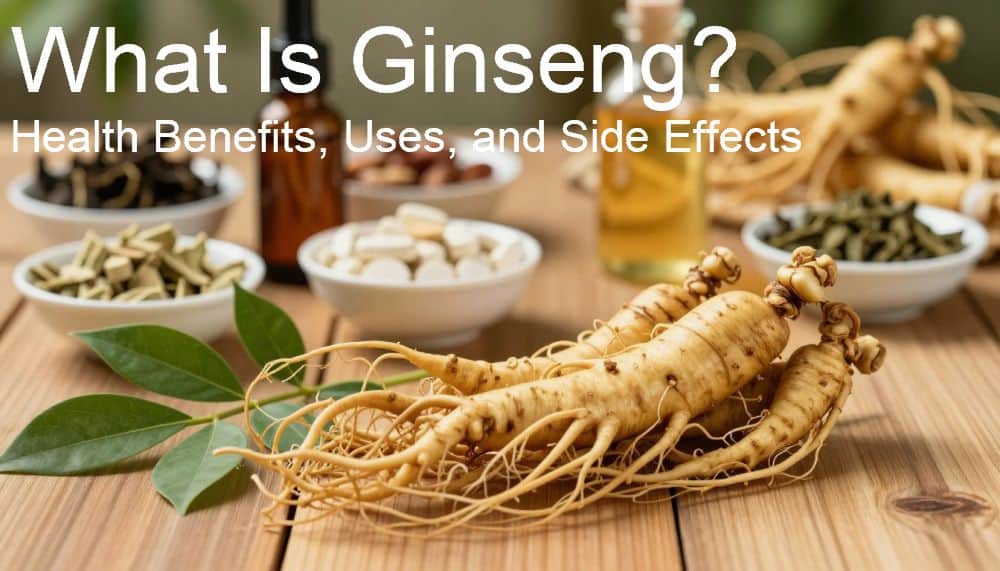
The various types of ginseng, including Panax ginseng and American ginseng, offer a range of health benefits, from enhancing energy to supporting cognitive function. As its popularity grows, understanding its uses and potential side effects is crucial for safe and effective use.
Key Takeaways
- Ginseng is a traditional medicine with a rich history.
- It offers various health benefits, including energy enhancement and cognitive support.
- Different types of ginseng, such as Panax and American ginseng, have distinct properties.
- Ginseng is used worldwide for its potential health benefits.
- Understanding its uses and side effects is essential for safe consumption.
- Ginseng can be used to support overall well-being.
Understanding Ginseng: An Ancient Medicinal Root
Ginseng’s enduring popularity stems from its deep-rooted history in traditional Asian medicine and its continued use today. This ancient medicinal root has been a cornerstone of health practices for centuries, particularly in Asian cultures.
Origin and Historical Significance
Ginseng, specifically Panax ginseng, has its origins in China, where it has been used for over 4,000 years. Historically, ginseng was considered a symbol of good health, vitality, and longevity. The root was highly valued, often used as a form of currency in trade.
In traditional Chinese medicine, ginseng was believed to balance the body’s energy, or “qi.” Its historical significance extends beyond China, with records of its use in other Asian countries, including Korea and Japan.
| Country | Historical Use of Ginseng | Significance |
|---|---|---|
| China | Used for over 4,000 years | Symbol of health, vitality, and longevity |
| Korea | Integral to traditional medicine | Used to balance the body’s “qi” |
| Japan | Used in traditional herbal medicine | Believed to enhance overall well-being |
Why Ginseng Remains Popular Today
Ginseng remains popular today due to its adaptogenic properties, which help the body adapt to stress. Modern research has begun to validate some of the traditional uses of ginseng, including its potential to enhance energy, improve cognitive function, and support immune health.
The ongoing interest in natural and holistic health practices has also contributed to ginseng’s sustained popularity. As people seek out natural remedies, ginseng’s long history of use and perceived benefits make it an attractive option.
Types of Ginseng Around the World
Ginseng is not just a single entity; it comes in various forms, each with its unique properties and benefits. The diversity in ginseng types is largely due to differences in geography, climate, and cultivation practices. Understanding these variations is crucial for harnessing their specific health benefits.
Asian Ginseng (Panax ginseng)
Asian Ginseng, also known as Chinese or Korean Ginseng, is one of the most well-known and widely used types. Panax ginseng has been a cornerstone of traditional Chinese medicine for centuries, valued for its adaptogenic properties that help the body resist physical and mental stress. It’s known to enhance vitality and improve overall well-being.
American Ginseng (Panax quinquefolius)
American Ginseng is native to North America and has been used by Native American communities for its medicinal properties. Panax quinquefolius is considered to have a more cooling effect compared to Asian Ginseng, making it suitable for individuals with a more Yang constitution according to traditional Chinese medicine. It’s often used to boost energy and support immune function.
Siberian Ginseng (Eleutherococcus senticosus)
Siberian Ginseng, or Eleutherococcus senticosus, is not a true ginseng but is often classified under the ginseng family due to its similar adaptogenic properties. Native to Russia, China, and Japan, it’s used to enhance physical performance and reduce fatigue. Unlike Asian or American Ginseng, Siberian Ginseng is known for its ability to support the body’s resistance to stress and promote endurance.
The Science Behind Ginseng: Active Compounds
Understanding the science behind ginseng’s health benefits requires a closer look at its active ingredients. Ginseng’s efficacy is primarily attributed to its complex composition of bioactive compounds, which work synergistically to promote overall wellness.
Ginsenosides and Their Functions
Ginsenosides are the primary active compounds found in ginseng, particularly in Panax ginseng. These unique compounds are responsible for ginseng’s adaptogenic properties, helping the body to adapt to stress and promoting balance. Research has shown that ginsenosides can have anti-inflammatory effects and antioxidant effects, contributing to ginseng’s overall health benefits.
Other Beneficial Compounds
In addition to ginsenosides, ginseng contains other beneficial compounds, including flavonoids, polysaccharides, and vitamins. These compounds contribute to the overall therapeutic effects of ginseng, enhancing its potential health benefits. The ginseng extract is often used in supplements to harness these benefits, making it a popular choice for those seeking to incorporate ginseng into their wellness routine.
Traditional Uses of Ginseng in Eastern Medicine
Ginseng has been a cornerstone in Eastern medicine for centuries, particularly in Korean and Chinese cultures. Its versatility and perceived health benefits have made it a staple in traditional medical practices.
Korean and Chinese Medical Applications
In Korea and China, ginseng is used to treat various ailments and promote overall well-being. Some of the key applications include:
- Enhancing vitality and energy
- Improving mental clarity and focus
- Boosting the immune system
- Reducing stress and fatigue
Korean red ginseng is particularly noted for its adaptogenic properties.
Integration into Western Wellness Practices
As interest in alternative medicine grows, ginseng is being increasingly integrated into Western wellness practices. This includes its use in dietary supplements, teas, and other health products. The adaptogenic properties of ginseng are particularly appealing to those seeking natural ways to enhance their health.
Ginseng’s Impressive Health Benefits
From boosting energy levels to supporting immune function, ginseng’s health benefits are both diverse and significant. Ginseng has been a cornerstone in traditional medicine for centuries, and its benefits extend into various aspects of health and wellness.
Energy Enhancement and Fatigue Reduction
Ginseng is renowned for its ability to enhance energy levels and reduce fatigue. This is particularly beneficial for individuals with demanding lifestyles or those undergoing strenuous physical activities. Studies have shown that ginseng can improve physical performance and reduce perceived exertion, making it a popular choice among athletes.
Cognitive Function and Brain Health
Ginseng also has a positive impact on cognitive function and brain health. It is believed to improve memory, concentration, and mental clarity. The neuroprotective effects of ginseng may help in preventing or slowing down the progression of neurodegenerative diseases.
Immune System Support
Another significant benefit of ginseng is its ability to support the immune system. It is thought to enhance the body’s natural defense against infections and diseases. Regular consumption of ginseng can lead to a stronger immune response, reducing the risk of illnesses.
Anti-inflammatory and Antioxidant Effects
Ginseng possesses anti-inflammatory and antioxidant properties, which play a crucial role in protecting the body against oxidative stress and inflammation. These effects can contribute to overall health and may reduce the risk of chronic diseases.
Blood Sugar Regulation
Some studies suggest that ginseng may help in regulating blood sugar levels. This makes it a potential supplement for individuals with diabetes or those at risk of developing the condition. However, it’s essential to consult with a healthcare professional before using ginseng for this purpose.
| Health Benefit | Description |
|---|---|
| Energy Enhancement | Improves physical performance and reduces fatigue |
| Cognitive Function | Enhances memory, concentration, and mental clarity |
| Immune System Support | Boosts the body’s natural defense against infections |
| Anti-inflammatory and Antioxidant Effects | Protects against oxidative stress and inflammation |
| Blood Sugar Regulation | May help in managing blood sugar levels |
Ginseng for Sexual Health and Performance
Ginseng, particularly red ginseng, is renowned for its potential benefits in boosting sexual health. For centuries, ginseng has been a cornerstone in traditional medicine for enhancing sexual function and overall well-being.
Red Ginseng for Treating Erectile Dysfunction
Red ginseng has gained significant attention for its efficacy in addressing erectile dysfunction. Studies have shown that red ginseng can improve erectile function by enhancing nitric oxide production, which is crucial for achieving and maintaining an erection. A comparison of various studies on red ginseng’s effects on erectile dysfunction is presented in the following table:
| Study | Participants | Duration | Improvement in Erectile Function |
|---|---|---|---|
| Study A | 100 | 8 weeks | 75% |
| Study B | 150 | 12 weeks | 80% |
Effects on Libido and Sexual Satisfaction
Ginseng’s impact on libido and overall sexual satisfaction is also noteworthy. By potentially improving blood flow and reducing fatigue, ginseng can enhance sexual desire and performance. Users of ginseng have reported improvements in their sexual experiences, attributing it to the herb’s energizing and adaptogenic properties.

How to Use Ginseng: Forms and Preparations
Exploring the different preparations of ginseng can help you find the most effective way to use it. Ginseng is available in various forms, each with its unique benefits and uses.
Ginseng can be consumed in several ways, catering to different preferences and needs. The various forms include raw and dried ginseng root, ginseng tea, supplements, and topical applications.
Ginseng Root (Raw and Dried)
Raw ginseng root can be chewed directly or used in cooking. Dried ginseng root is often used to make teas or soups. Both forms retain the herb’s active compounds, offering energizing and health benefits.
Ginseng Tea and Beverages
Ginseng tea is a popular way to consume this herb. It can be brewed from dried ginseng root or tea bags containing ginseng extract. Other ginseng beverages include energy drinks and coffee.
Supplements: Capsules, Tablets, and Extracts
Ginseng supplements come in various forms, including capsules, tablets, and liquid extracts. These are convenient options for those who want to incorporate ginseng into their daily routine without the need for preparation.
Topical Applications
Ginseng is also used in topical applications such as creams, serums, and ointments. These products are believed to rejuvenate the skin and provide anti-aging benefits.
In conclusion, the diverse forms and preparations of ginseng make it easy to find a method that suits your lifestyle and preferences. Whether you prefer traditional methods or modern supplements, ginseng can be a valuable addition to your health regimen.
- Raw and dried ginseng root for direct consumption or cooking
- Ginseng tea and beverages for a refreshing drink
- Supplements for convenience
- Topical applications for skin benefits
Recommended Dosage of Ginseng
Understanding the correct dosage of ginseng is crucial for maximizing its health benefits. The ideal dosage can vary significantly depending on the type of ginseng, its preparation, and individual health needs.
Dosage varies by type: Different types of ginseng have different recommended dosages. For instance, Asian ginseng (Panax ginseng) is typically taken in doses of 400-800 mg per day, while American ginseng (Panax quinquefolius) dosages range from 400-1200 mg daily.
Dosage Guidelines for Different Types
The dosage for ginseng can depend on its form and concentration. For example:
- Asian ginseng: 400-800 mg of extract per day
- American ginseng: 400-1200 mg per day
- Siberian ginseng: 300-600 mg per day
Factors Affecting Optimal Dosage
Several factors can influence the optimal ginseng dosage, including age, health status, and the specific benefits being sought. It’s also important to consider the quality of the ginseng product and follow the manufacturer’s recommended dosage.
Consult a healthcare professional before starting any ginseng regimen, especially if you have underlying health conditions or are taking medications.
Potential Side Effects and Risks
Understanding the potential risks associated with ginseng consumption is essential for safe usage. While ginseng is generally considered safe for most people, it can cause side effects, some of which can be serious.
Common Side Effects
Most people tolerate ginseng well, but some may experience common side effects such as headaches, dizziness, or digestive issues. These effects are typically mild and temporary.
Rare but Serious Adverse Reactions
In rare cases, ginseng can cause more serious adverse reactions, including allergic reactions, insomnia, or interactions with other medications. It’s crucial to be aware of these potential risks.
Long-term Safety Considerations
The long-term safety of ginseng consumption is not fully understood and may vary depending on the type of ginseng, dosage, and individual health conditions. Some studies suggest that long-term use may lead to adverse effects such as hormonal imbalances or cardiovascular issues.
| Side Effect | Frequency | Severity |
|---|---|---|
| Headaches | Common | Mild |
| Allergic Reactions | Rare | Serious |
| Digestive Issues | Common | Mild |
Ginseng Interactions with Medications
Understanding how ginseng interacts with medications is crucial for safe and effective use. Ginseng, a widely used herbal supplement, can affect the efficacy and safety of various pharmaceuticals. It is essential for individuals taking medications to be aware of these potential interactions to avoid adverse effects.
Blood Thinners and Anticoagulants
Ginseng may interact with blood thinners and anticoagulants, such as warfarin, potentially increasing the risk of bleeding. Patients on anticoagulant therapy should consult their healthcare provider before using ginseng. The active compounds in ginseng can enhance the effects of these medications, leading to complications.
Diabetes Medications
Ginseng can also interact with diabetes medications, affecting blood sugar levels. It may enhance the hypoglycemic effect of these drugs, potentially leading to hypoglycemia. Monitoring blood glucose levels closely is recommended when using ginseng alongside diabetes medications.
Other Important Drug Interactions
Apart from blood thinners and diabetes medications, ginseng can interact with other drugs, including stimulants, certain antidepressants, and blood pressure medications. It’s crucial to consult healthcare professionals before combining ginseng with any prescription medication to avoid adverse interactions.
In conclusion, while ginseng offers various health benefits, its interaction with medications can pose significant risks. Being informed and consulting healthcare providers can help mitigate these risks, ensuring safe and effective use of ginseng.
Who Should Avoid Taking Ginseng
Ginseng, despite its numerous health benefits, is not suitable for everyone, particularly those with specific medical conditions or in certain life stages. While it can be a valuable supplement for many, there are groups of people who should either avoid ginseng or consult their healthcare provider before using it.
Medical Conditions That Contraindicate Ginseng Use
Individuals with certain medical conditions should avoid taking ginseng. For instance, those with bleeding disorders or taking anticoagulant medications should be cautious due to ginseng’s potential to increase bleeding risk. People with diabetes should also monitor their blood sugar levels closely, as ginseng can affect glucose metabolism. Additionally, individuals with high blood pressure or heart conditions should consult their doctor, as ginseng can interact with medications or exacerbate these conditions.
Considerations for Pregnant and Nursing Women
Pregnant and nursing women should exercise caution when considering ginseng supplementation. There is limited research on the safety of ginseng during pregnancy, and it may affect the fetus or baby. Some studies suggest that ginseng could potentially stimulate uterine contractions, which might not be desirable during pregnancy. Nursing women should also be cautious, as ginseng’s active compounds can pass into breast milk, potentially affecting the infant. It’s advisable for these women to consult their healthcare provider before using ginseng.
Conclusion: Is Ginseng Right for You?
Ginseng has been used for centuries in traditional medicine, and its popularity endures due to its numerous health benefits. As we’ve explored, ginseng offers a range of advantages, from energy enhancement and cognitive function improvement to immune system support and anti-inflammatory effects.
When considering ginseng suitability, it’s essential to weigh these benefits against potential side effects and risks. While generally considered safe, ginseng can cause adverse reactions in some individuals, particularly when taken in large doses or combined with certain medications.
To ensure ginseng safety, it’s crucial to follow recommended dosage guidelines and consult with a healthcare professional, especially if you have pre-existing medical conditions or are taking medications. By being informed and cautious, you can harness the health benefits of ginseng while minimizing potential risks.
Ultimately, whether ginseng is right for you depends on your individual needs and health status. By understanding the benefits and risks, you can make an informed decision and potentially enjoy the many advantages that ginseng has to offer.
FAQ
What is ginseng and how is it used?
Ginseng is a plant used in traditional medicine for its adaptogenic properties and perceived health benefits. It is available in various forms, including roots, teas, supplements, and topical applications.
What are the different types of ginseng?
The main types of ginseng are Asian ginseng (Panax ginseng), American ginseng (Panax quinquefolius), and Siberian ginseng (Eleutherococcus senticosus), each with unique properties and traditional uses.
What are the health benefits of ginseng?
Ginseng is associated with various health benefits, including energy enhancement, improved cognitive function, immune system support, anti-inflammatory and antioxidant effects, and blood sugar regulation.
Can ginseng help with erectile dysfunction?
Red ginseng has been studied for its potential in treating erectile dysfunction, and some research suggests it may have a positive effect on libido and sexual satisfaction.
How should I consume ginseng?
Ginseng can be consumed in various forms, including raw or dried roots, teas, supplements (capsules, tablets, or extracts), and topical applications, allowing for flexibility in incorporating it into daily life.
What is the recommended dosage of ginseng?
The optimal dosage of ginseng varies depending on the type and individual factors; guidelines for different types of ginseng are available, and it’s essential to consider these when determining the right dosage.
Are there any side effects associated with ginseng consumption?
Common side effects of ginseng include digestive issues, while rare but serious adverse reactions can occur; long-term safety considerations should also be taken into account.
Can ginseng interact with medications?
Yes, ginseng can interact with certain medications, including blood thinners, anticoagulants, and diabetes medications, so it’s crucial to be aware of these potential interactions.
Who should avoid taking ginseng?
Individuals with certain medical conditions, as well as pregnant or nursing women, should exercise caution or avoid ginseng altogether, as it may not be suitable for everyone.
Is ginseng safe for long-term use?
While ginseng is generally considered safe, long-term safety considerations should be taken into account, and it’s recommended to consult with a healthcare professional before using it for an extended period.