

Green tea has been a staple in many cultures, particularly in Asia, for centuries. It is renowned for its numerous health benefits, ranging from antioxidant properties to potential weight loss effects.


The origins of green tea date back to ancient China, where it was consumed for its medicinal properties. Today, it is enjoyed worldwide for its flavor and nutritional benefits. The benefits of green tea include improving heart health and aiding in weight management.
Key Takeaways
- Green tea is rich in antioxidants.
- It may aid in weight loss.
- Green tea can improve heart health.
- It has been consumed for centuries for its medicinal properties.
- Green tea is enjoyed worldwide for its flavor and nutritional benefits.
The Origins and Production of Green Tea
Green tea’s journey from a traditional Chinese beverage to a global phenomenon is a fascinating story. With a rich history spanning thousands of years, green tea has become an integral part of many cultures around the world.
Historical Background and Cultural Significance
Green tea originated in China during the Shang Dynasty, where it was valued for its medicinal properties. Over time, it spread throughout Asia, becoming an essential part of Japanese culture, particularly in the traditional Japanese tea ceremony. The cultural significance of green tea extends beyond its consumption, representing a connection to nature and a moment of tranquility in a busy world.
How Green Tea Is Harvested and Processed
The production of green tea involves several steps, starting with the harvesting of young tea leaves. The leaves are then heat-treated to prevent oxidation, either by steaming or pan-frying, followed by rolling and drying. This process helps preserve the tea’s natural antioxidants, including catechins and polyphenols, which are believed to contribute to its numerous health benefits.
What Makes Green Tea Different from Other Teas
Unlike black tea, which is fully oxidized, green tea is minimally oxidized, retaining its natural antioxidants. This difference in processing gives green tea its distinct flavor and nutritional profile. The table below highlights the key differences between green tea and other types of tea.
| Tea Type | Oxidation Level | Caffeine Content |
|---|---|---|
| Green Tea | Minimal | Low to Moderate |
| Black Tea | Full | Moderate to High |
| Oolong Tea | Partial | Moderate |
In conclusion, the unique production process and minimal oxidation of green tea set it apart from other types of tea, making it a popular choice for those seeking a healthier beverage option.
The Nutritional Composition of Green Tea
Green tea is renowned for its rich nutritional profile, which includes a variety of beneficial compounds. Its unique composition makes it a popular choice among health-conscious individuals.
Catechins and Polyphenols
Green tea is particularly noted for its high levels of catechins and polyphenols, which are powerful antioxidants. The most significant catechin in green tea is epigallocatechin gallate (EGCG), which has been linked to various health benefits, including anti-inflammatory and anti-cancer properties.
Caffeine Content in Green Tea
Green tea contains a moderate amount of caffeine, typically less than black tea or coffee. The caffeine content can vary depending on factors like brewing time and tea brand, but it generally provides a gentle energy boost without the jitters associated with higher caffeine intake.
L-theanine and Other Beneficial Compounds
In addition to catechins and caffeine, green tea is rich in L-theanine, an amino acid that promotes relaxation and focus. This unique combination of energizing and calming effects makes green tea an excellent choice for those seeking a balanced beverage.
| Nutrient | Amount per 8 oz cup | Benefits |
|---|---|---|
| Catechins (EGCG) | 25-30 mg | Antioxidant, anti-inflammatory |
| Caffeine | 25-30 mg | Energy boost, alertness |
| L-theanine | 20-40 mg | Relaxation, focus |
Health Benefits of Green Tea
Green tea, known for its high antioxidant content, offers a range of health benefits that contribute to overall well-being. The unique combination of nutrients and bioactive compounds in green tea has been extensively studied for its positive effects on various aspects of health.
Powerful Antioxidant Properties
One of the most significant health benefits of green tea is its powerful antioxidant properties. Green tea is rich in catechins, a type of polyphenol that helps protect the body against free radicals. Antioxidants play a crucial role in reducing oxidative stress and inflammation, which are associated with various chronic diseases.
Cardiovascular Health Benefits
Green tea consumption has been linked to improved cardiovascular health. Studies have shown that regular consumption of green tea can help lower LDL cholesterol levels and reduce the risk of heart disease. The antioxidants in green tea may also help improve blood vessel function, further contributing to cardiovascular health.
Brain Function and Cognitive Enhancement
The bioactive compounds in green tea, including L-theanine and caffeine, may have a positive impact on brain function and cognitive performance. L-theanine is known to promote relaxation and reduce stress levels, while caffeine can enhance alertness and focus. Together, they may contribute to improved cognitive function and a lower risk of neurodegenerative diseases.
Oral Health Improvements
Green tea has been associated with several oral health benefits, including a reduced risk of dental caries and gum disease. The antimicrobial properties of green tea catechins can help inhibit the growth of bacteria in the mouth, contributing to a healthier oral environment.
In summary, the health benefits of green tea are diverse and well-documented. From its powerful antioxidant properties to its positive effects on cardiovascular health, brain function, and oral health, green tea is a valuable addition to a healthy lifestyle.
Green Tea and Weight Management
In the quest for effective weight loss strategies, green tea has emerged as a promising adjunct. With its rich composition of catechins and other bioactive compounds, green tea is believed to support weight management through several mechanisms.
Metabolism-Boosting Effects
Green tea is known to have a metabolism-boosting effect, which can aid in weight loss. The catechins present in green tea, particularly EGCG, are thought to enhance thermogenesis, thereby increasing the body’s energy expenditure.
Fat Oxidation and Energy Expenditure
Research suggests that green tea can enhance fat oxidation, the process by which the body breaks down fat for energy. This effect is attributed to the synergistic action of catechins and caffeine in green tea, which together can increase the rate at which the body burns fat.
Scientific Research on Weight Loss Claims
Numerous studies have investigated the weight loss claims associated with green tea consumption. While results are mixed, a significant body of evidence supports the notion that green tea, especially in extract form, can contribute to modest weight loss.
Combining Green Tea with Exercise
Combining green tea consumption with regular exercise may enhance its weight loss effects. Exercise not only burns calories but also potentially amplifies the metabolic benefits of green tea, leading to greater overall weight loss and improved body composition.
By incorporating green tea into a balanced diet and exercise regimen, individuals may find an effective ally in their weight management journey. As with any weight loss strategy, consistency and patience are key to achieving and maintaining results.
Green Tea and Disease Prevention
With its rich nutritional profile, green tea is being investigated for its disease-preventing properties. Green tea contains a high amount of antioxidants and other beneficial compounds that may help in preventing various diseases.
Cancer-Fighting Properties
Green tea has been studied for its potential cancer-fighting properties. The catechins present in green tea, particularly EGCG, may help inhibit the growth of cancer cells and reduce the risk of certain types of cancer. Research suggests that green tea consumption may be associated with a lower risk of breast, prostate, and colon cancers.
Diabetes Management and Blood Sugar Control
Green tea may also play a role in diabetes management and blood sugar control. Studies have shown that green tea catechins can improve insulin sensitivity and glucose tolerance, potentially reducing the risk of developing type 2 diabetes.
Anti-inflammatory and Immune-Boosting Effects
The anti-inflammatory properties of green tea may help in boosting the immune system and reducing inflammation in the body. This can lead to a lower risk of chronic diseases and improved overall health.
Skin Health and Anti-Aging Benefits
Green tea’s antioxidants may also benefit skin health by protecting against sun damage and promoting anti-aging effects. The catechins in green tea may help improve skin elasticity and reduce the appearance of fine lines and wrinkles.
In conclusion, green tea’s potential in disease prevention is multifaceted, ranging from cancer-fighting properties to benefits for skin health. Incorporating green tea into one’s diet may be a valuable step towards maintaining overall health and well-being.
Potential Side Effects of Green Tea
The consumption of green tea, like any other beverage, is not without its potential drawbacks. While it is generally considered safe, green tea can cause side effects in some individuals, particularly when consumed excessively.

Caffeine-Related Side Effects
Green tea contains caffeine, which can lead to side effects such as jitteriness, insomnia, and an increased heart rate in sensitive individuals. Moderate consumption is typically defined as up to 3 cups per day, but this can vary based on individual caffeine sensitivity.
Digestive Issues and Acid Reflux
Some people may experience digestive issues, including acid reflux, after consuming green tea. The catechins present in green tea may relax the lower esophageal sphincter, potentially exacerbating acid reflux symptoms.
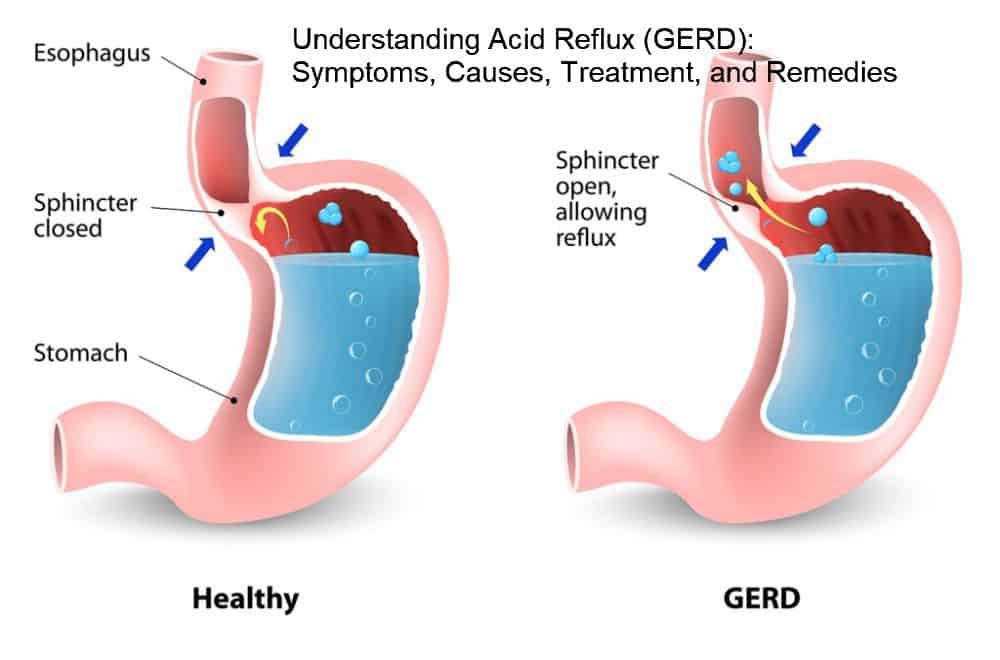
“Green tea catechins may influence digestive health, potentially leading to discomfort in some individuals.”
Iron Absorption Concerns
Green tea has been shown to affect non-heme iron absorption, which could be a concern for individuals with iron deficiency or those at risk of developing it. Consuming green tea between meals rather than with meals may help mitigate this effect.
Liver Health Considerations
There have been rare reports of liver damage associated with green tea extract supplements. While brewed green tea is generally considered safe, high doses of green tea extracts may pose a risk to liver health.
In conclusion, while green tea is generally safe for most people, being aware of these potential side effects can help consumers enjoy its benefits while minimizing risks.
Green Tea Interactions with Medications
The active compounds in green tea can sometimes interfere with the efficacy or increase the risk of side effects when taken with certain medications. It’s essential for consumers to be aware of these potential interactions to ensure safe consumption.
Blood Thinners and Anticoagulants
Green tea contains catechins, which may enhance the effects of blood thinners like warfarin. This could lead to an increased risk of bleeding. Individuals on anticoagulant therapy should consult their healthcare provider about safe green tea consumption levels.
Blood Pressure Medications
The caffeine in green tea might affect blood pressure, potentially interacting with medications prescribed for hypertension. Monitoring blood pressure and discussing green tea consumption with a healthcare provider is advisable.
Stimulants and Other Drug Interactions
Combining green tea with stimulant drugs can lead to increased heart rate, jitteriness, and other adverse effects due to its caffeine content. It’s crucial to be cautious when consuming green tea alongside other stimulants.
Precautions for Specific Health Conditions
Individuals with certain health conditions, such as liver disease or anxiety disorders, should be cautious with green tea consumption. The catechins and caffeine in green tea could exacerbate these conditions or interact with medications used to treat them.
In conclusion, while green tea offers numerous health benefits, being mindful of its potential interactions with medications is crucial. Always consult with a healthcare professional if you’re unsure about consuming green tea, especially if you’re on medication or have a specific health condition.
Different Types of Green Tea
From Japan to China and beyond, green tea is cultivated in numerous varieties, each offering distinct characteristics and potential health advantages. The diversity in green tea types is largely influenced by factors such as cultivation methods, processing techniques, and regional cultural practices.
Japanese Varieties
Japan is renowned for its green tea, with popular varieties including Sencha, Matcha, and Gyokuro. Sencha is the most commonly consumed green tea in Japan, known for its light, refreshing taste. Matcha, on the other hand, is a powdered green tea used in the traditional Japanese tea ceremony, celebrated for its rich, umami flavor and potential health benefits. Gyokuro is considered a premium variety, shaded from the sun to enhance its flavor and nutritional content.
Chinese Varieties
China, the birthplace of green tea, boasts a wide range of varieties. Longjing (Dragon Well) is one of the most famous, known for its flat, hand-rolled leaves and delicate flavor. Gunpowder tea is another well-known variety, with leaves rolled into small pellets that unfurl during brewing. Bi Luo Chun is a highly aromatic tea, with a unique snail-shell curl shape, offering a complex flavor profile.
Other Regional Green Tea Varieties
Beyond Japan and China, other countries and regions have developed their own unique green tea varieties. For instance, Jeju green tea from Korea is gaining popularity for its distinct flavor and high quality. Indian green teas, such as Darjeeling Green, are also noteworthy for their unique characteristics.
Flavored and Blended Green Teas
In addition to traditional varieties, flavored and blended green teas have become increasingly popular. These teas combine green tea with various fruits, flowers, or spices, creating unique and refreshing flavor profiles. Examples include jasmine green tea, which is scented with jasmine flowers, and mint green tea, which adds a cooling twist to the traditional green tea taste.
| Green Tea Variety | Origin | Flavor Profile | Health Benefits |
|---|---|---|---|
| Sencha | Japan | Light, refreshing | High in antioxidants |
| Matcha | Japan | Rich, umami | Boosts metabolism, high in antioxidants |
| Longjing | China | Delicate, slightly sweet | Rich in vitamins and minerals |
| Gunpowder | China | Strong, slightly smoky | Aids in digestion |
How to Prepare and Enjoy Green Tea
To fully enjoy green tea, it’s crucial to understand the basics of its preparation. The right preparation method can enhance the flavor and nutritional benefits of green tea.
Optimal Water Temperature and Quality
The ideal water temperature for brewing green tea varies between 160°F to 170°F. Using fresh, filtered water is recommended to prevent any impurities from affecting the taste. Water quality plays a significant role in the overall taste and aroma of green tea.
Ideal Steeping Times for Different Varieties
Steeping times can differ based on the type of green tea. For example, Japanese Sencha typically requires 1-2 minutes, while Chinese Longjing may need 2-3 minutes. Here are some general guidelines for steeping times:
- Japanese Sencha: 1-2 minutes
- Chinese Longjing: 2-3 minutes
- Matcha: Traditionally prepared as a powder, not steeped
Storage Tips for Maximum Freshness
To maintain the freshness of green tea, store it in an airtight container away from light and moisture. Proper storage can significantly extend the shelf life of green tea.
Enhancing Flavor with Additions
Green tea can be enjoyed with additions like lemon or honey to enhance its flavor. However, it’s best to avoid adding milk as it may alter the nutritional profile. Some popular ways to enjoy green tea include:
- With a slice of lemon for a citrus twist
- With a spoonful of honey for sweetness
- On its own to appreciate its natural flavor
Green Tea Extract and Supplements
Green tea extract, available in various supplement forms, offers a potent alternative to brewed tea. As consumers look for concentrated health benefits, understanding the nuances of green tea supplements becomes essential.
Different Forms and Potency Levels
Green tea extract supplements come in various forms, including capsules, tablets, and liquid extracts. The potency of these supplements can vary significantly, with some containing higher concentrations of catechins and other beneficial compounds than others. For instance, a study published in the Journal of Agricultural and Food Science highlighted that the catechin content can range widely depending on the extraction process.
According to a study published in the Journal of the International Society of Sports Nutrition, green tea extract supplements can enhance fat oxidation and improve metabolic rate, supporting their use in weight management.
Benefits Compared to Whole Leaf Tea
While whole leaf green tea offers numerous health benefits, supplements can provide a more concentrated dose of active compounds. As noted by
“Green tea extract has been shown to have higher bioavailability of catechins compared to brewed green tea.”
This can be particularly beneficial for individuals seeking to maximize their intake of antioxidants and other beneficial compounds.
Dosage Recommendations
Dosage recommendations for green tea extract supplements vary, but most studies suggest a daily intake of 250-500 mg of green tea extract. It’s crucial to follow the manufacturer’s guidelines and consult with a healthcare professional, especially for individuals with underlying health conditions.
Safety Considerations for Supplements
Safety considerations for green tea extract supplements include potential interactions with medications and side effects such as nausea and stomach upset. A comparative table of green tea supplements is provided below to help consumers make informed decisions.
| Supplement Type | Catechin Content | Caffeine Content |
|---|---|---|
| Liquid Extract | High | Moderate |
| Capsules | Moderate | Low |
| Tablets | Variable | Variable |
In conclusion, green tea extract supplements can be a valuable addition to a health regimen when chosen wisely and used appropriately.
Creative Uses of Green Tea Beyond Drinking
Beyond its role as a drink, green tea offers various innovative applications that can enhance our daily lives in multiple ways.
Culinary Delights
Green tea can be used in cooking and baking, adding unique flavors and nutritional benefits to various dishes. It can be incorporated into recipes for cakes, cookies, and even savory dishes like stir-fries.
Skincare and Beauty
The antioxidant properties of green tea make it a popular ingredient in skincare and beauty treatments. It can help soothe skin irritations, reduce inflammation, and protect against environmental stressors.
Household and Garden Applications
Green tea can be used as a natural pest control agent and fertilizer in gardens. Its leaves can also be used to create natural dyes and potpourri.
Aromatherapy Benefits
The calming scent of green tea can be used in aromatherapy to promote relaxation and reduce stress. Green tea essential oil or scented candles can create a soothing atmosphere.
| Use | Benefits |
|---|---|
| Culinary | Unique flavors, nutritional benefits |
| Skincare | Antioxidant, anti-inflammatory |
| Garden | Natural pest control, fertilizer |
| Aromatherapy | Relaxation, stress relief |
Conclusion
Green tea is a versatile beverage that offers numerous health benefits, from antioxidant properties to potential weight loss effects. As explored throughout this article, understanding the production, nutritional composition, and potential side effects of green tea is key to maximizing its benefits.
Whether consumed as a tea, used in cooking, or applied in skincare, green tea is a valuable addition to a healthy lifestyle. The health benefits of green tea are well-documented, and incorporating it into daily consumption can have a significant impact on overall well-being.
For those looking to harness the benefits of green tea in a more concentrated form, green tea extract is a viable option. However, it’s essential to be aware of the potential side effects and interactions with medications to ensure safe consumption.
By embracing the power of green tea and making informed choices about its consumption, individuals can take a proactive approach to enhancing their health and well-being.
FAQ
What are the benefits of drinking green tea?
Drinking green tea is associated with numerous health benefits, including antioxidant properties, potential weight loss effects, improved cardiovascular health, and enhanced brain function.
How much green tea should I drink daily?
Moderate green tea consumption is typically defined as 2-3 cups per day. Drinking at least three cups of green tea daily is associated with various health benefits.
Can green tea cause side effects?
While generally considered safe, green tea can cause side effects in some individuals, including caffeine-related issues, digestive problems, and concerns regarding iron absorption.
How does green tea interact with medications?
Green tea may interact with certain medications, such as blood thinners, blood pressure medications, and stimulants. It’s essential to consult with a healthcare professional before consuming green tea, especially if you’re taking medications.
What is the difference between green tea and green tea extract?
Green tea extract is a concentrated form of green tea, often available in supplement form. While it contains the same beneficial compounds as whole leaf tea, the potency and potential side effects may vary.
Can I use green tea for skincare and beauty treatments?
Yes, green tea has antioxidant properties that can be beneficial for skin health. It can be used in skincare and beauty treatments, such as face masks, creams, and serums, to promote healthy skin and reduce signs of aging.
How do I store green tea to maintain its freshness?
To maintain the freshness of green tea, store it in an airtight container, away from light, heat, and moisture. This will help preserve its flavor and nutritional benefits.
Can I add milk or sugar to my green tea?
While you can add milk or sugar to green tea, it’s not recommended as it may reduce its nutritional benefits. Instead, consider adding a squeeze of lemon or a drizzle of honey to enhance the flavor.
Is green tea safe for pregnant or breastfeeding women?
Pregnant or breastfeeding women should consult with their healthcare provider before consuming green tea, as high levels of caffeine and catechins may be a concern.
Can green tea help with weight loss?
Green tea has been shown to have potential weight loss effects by boosting metabolism, enhancing fat oxidation, and increasing energy expenditure. However, it’s essential to combine it with a healthy diet and regular exercise for optimal results.