







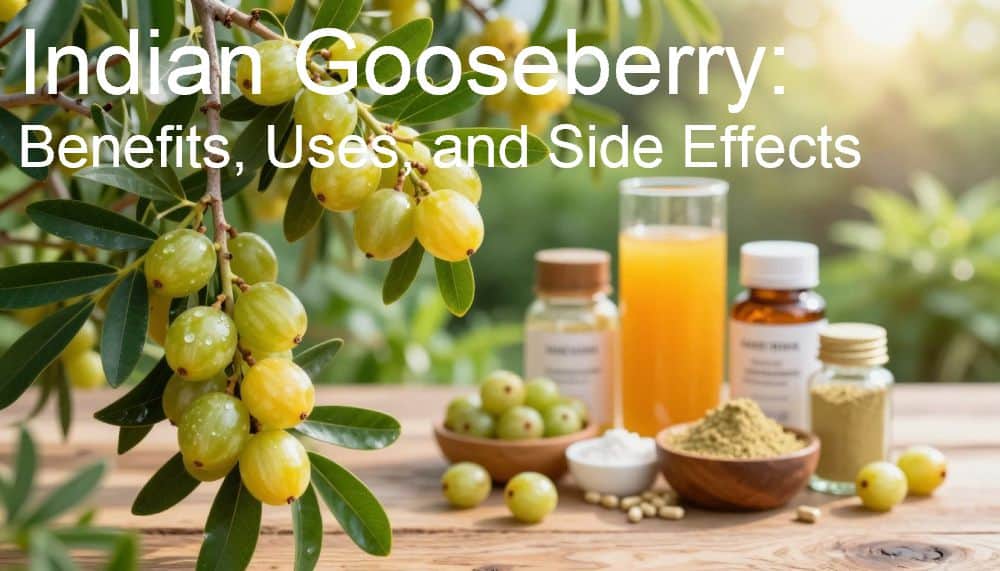

Amla, commonly known as Indian Gooseberry, is a fruit that has been revered in traditional medicine for its numerous health benefits. Rich in vitamin C and possessing potent antioxidant properties, Amla is considered a superfood that can enhance overall well-being.
The antioxidant activity of Amla helps protect the body against free radicals, which can cause oxidative stress and lead to various chronic diseases. With its rich nutritional profile, Amla is used in various traditional remedies to promote health and prevent illnesses.
Key Takeaways
- Amla is rich in vitamin C and has potent antioxidant properties.
- The antioxidant activity of Amla helps protect against chronic diseases.
- Amla is used in traditional medicine to promote overall health.
- It is considered a superfood that enhances overall well-being.
- Amla’s nutritional profile makes it a valuable ingredient in traditional remedies.
What is Indian Gooseberry?
The Indian Gooseberry, also referred to as Amla, is a powerhouse of nutrients and has been a staple in Indian culture for its medicinal properties. It is scientifically known as Emblica officinalis and is a significant component of Ayurvedic medicine.
Origin and Cultural Significance
Indian Gooseberry is native to the Indian subcontinent and has been used for centuries in traditional Indian medicine. It is considered a sacred fruit in Hinduism and is associated with various cultural and religious rituals.
Amla is also culturally significant as it is believed to promote longevity and is often consumed during festivals and special occasions.
Nutritional Profile of Indian Gooseberry
Indian Gooseberry is renowned for its exceptional nutritional profile. It is an excellent source of Vitamin C, containing one of the highest amounts among fruits. Additionally, it is rich in antioxidants, fiber, and various essential minerals.
Vitamin C Content and Other Nutrients
The high Vitamin C content in Amla makes it an excellent fruit for boosting immunity and fighting off infections. It is also a good source of:
- Antioxidants that help protect the body from free radicals.
- Fiber that aids in digestion and promotes gut health.
- Minerals such as calcium, iron, and potassium that are essential for various bodily functions.
These nutrients collectively contribute to the numerous health benefits associated with the consumption of Indian Gooseberry.
The Health Benefits of Indian Gooseberry
Indian Gooseberry is a powerhouse of nutrients that provide various health benefits, including antioxidant, anti-inflammatory, and immune-boosting effects. Its rich nutritional profile makes it a valuable addition to a healthy diet.
Powerful Antioxidant Properties
One of the key health benefits of Indian Gooseberry is its powerful antioxidant properties. Antioxidants help protect the body from free radicals, which can cause oxidative stress and lead to chronic diseases. The high vitamin C content in Amla makes it an excellent antioxidant that neutralizes free radicals and supports overall health.
Immune System Support
Indian Gooseberry is known to support the immune system effectively. The fruit is rich in vitamin C, which is crucial for the proper functioning of the immune system. Regular consumption of Amla can help boost immunity, reducing the risk of infections and illnesses.
Anti-Inflammatory Effects
The anti-inflammatory properties of Indian Gooseberry make it beneficial for reducing inflammation in the body. Chronic inflammation is associated with various health conditions, including arthritis, cardiovascular diseases, and diabetes. Amla’s anti-inflammatory effects can help mitigate these risks.
Digestive Health Benefits
Indian Gooseberry is also known for its digestive health benefits. It has been traditionally used to improve digestion and relieve symptoms of indigestion and bloating. Amla is believed to have gastroprotective effects, helping to maintain the health of the gastrointestinal tract.
| Health Benefit | Description |
|---|---|
| Antioxidant Properties | Protects against free radicals and oxidative stress |
| Immune System Support | Boosts immunity with high vitamin C content |
| Anti-Inflammatory Effects | Reduces chronic inflammation |
| Digestive Health | Improves digestion and has gastroprotective effects |
Indian Gooseberry for Diabetes Management
For centuries, Indian Gooseberry, or Amla, has been a staple in traditional Indian medicine, with emerging evidence supporting its role in diabetes management. The potential benefits of Amla in managing diabetes are multifaceted, ranging from its effects on blood sugar levels to its overall impact on the health of individuals with Type 2 Diabetes.
Effects on Blood Sugar Levels
Research has indicated that Indian Gooseberry may have a positive effect on blood sugar levels. Studies have shown that Amla can help reduce fasting blood glucose levels and improve insulin sensitivity. This is crucial for managing diabetes effectively.
Research on Type 2 Diabetes
Specifically, in the context of Type 2 Diabetes, Amla’s antioxidant properties are believed to play a significant role. Antioxidants help mitigate oxidative stress, which is often associated with the development and progression of diabetes. By potentially reducing oxidative stress, Amla may contribute to better diabetes management.
Precautions When Using with Diabetes Medications
While Indian Gooseberry may offer benefits for diabetes management, it’s crucial for individuals already on diabetes medication to exercise caution. Consulting a healthcare provider before adding Amla to your regimen is essential to avoid potential interactions with medications. Monitoring blood sugar levels closely is also advised to prevent hypoglycemia.
In conclusion, Indian Gooseberry presents a promising adjunct to conventional diabetes management strategies. However, its use should be informed by professional medical advice to ensure safe and effective integration into one’s diabetes care plan.
Heart Health and Cholesterol Benefits
Research has highlighted the potential of Indian Gooseberry in maintaining healthy cholesterol levels and supporting overall heart health. The fruit’s rich nutritional profile, including its high vitamin C content and antioxidant properties, contributes to its cardiovascular benefits.
Impact on LDL and HDL Cholesterol
Indian Gooseberry has been shown to positively impact both LDL (low-density lipoprotein) and HDL (high-density lipoprotein) cholesterol levels. Studies indicate that it can help reduce LDL cholesterol, often referred to as “bad” cholesterol, while increasing HDL or “good” cholesterol. This balance is crucial for maintaining healthy cardiovascular function.
Blood Pressure Regulation
The antioxidants and other nutrients in Indian Gooseberry may also help regulate blood pressure. High blood pressure is a significant risk factor for heart disease, and managing it is crucial for overall cardiovascular health. By potentially lowering blood pressure, Indian Gooseberry contributes to a reduced risk of heart-related conditions.
Cardiovascular Protection
Beyond its effects on cholesterol and blood pressure, Indian Gooseberry offers broader cardiovascular protection. Its antioxidant properties help protect the heart from damage caused by free radicals, and its anti-inflammatory effects can reduce the risk of cardiovascular disease.
Key Cardiovascular Benefits of Indian Gooseberry:
- Improves cholesterol balance by reducing LDL and increasing HDL
- Helps regulate blood pressure
- Offers antioxidant protection against heart disease
- Reduces inflammation, a known risk factor for cardiovascular conditions
As research continues to uncover the benefits of Indian Gooseberry for heart health, incorporating this fruit into one’s diet could be a valuable step towards maintaining a healthy cardiovascular system.
Hair and Skin Benefits
Amla’s benefits for hair and skin are multifaceted, ranging from promoting hair growth to rejuvenating the skin. Its rich nutritional profile makes it an ideal ingredient in natural beauty and wellness routines.
Amla Oil for Hair Growth and Preventing Hair Loss
Amla oil is extracted from the fruit and is rich in antioxidants and essential fatty acids. It nourishes the scalp, promoting healthy hair growth and reducing the risk of hair loss. Regular application of Amla oil can strengthen hair follicles, leading to thicker, healthier hair.
Strengthening Hair Follicles
The antioxidants in Amla help in strengthening hair follicles, which can lead to a reduction in hair fall. Amla also improves the texture of hair, making it shinier and more manageable. Its anti-inflammatory properties can soothe the scalp, reducing conditions like dandruff and itchiness.
Skin Rejuvenation and Anti-Aging Effects
Amla is not just beneficial for hair; it’s also a potent ingredient for skin care. Its high Vitamin C content helps in brightening the skin and reducing the appearance of fine lines and wrinkles. Amla’s antioxidant properties combat free radicals, promoting a youthful and radiant complexion.
Using Amla in Skin Care Routines
Incorporating Amla into your skin care routine can be simple. Amla juice or Amla powder can be used as a face mask to nourish and rejuvenate the skin. Its natural astringent properties help in tightening the skin, reducing the appearance of pores.
- Use Amla oil as a pre-shampoo treatment to nourish the scalp.
- Mix Amla powder with yogurt or honey for a rejuvenating face mask.
- Consume Amla juice regularly to benefit from its antioxidant properties internally.
By incorporating Amla into your hair and skin care routines, you can harness its natural benefits for a healthier, more radiant appearance.
Different Forms and Uses of Indian Gooseberry
Amla, or Indian Gooseberry, is utilized in numerous ways, thanks to its diverse forms, including powder, juice, and extracts. This versatility makes it easy for individuals to incorporate Amla into their daily routines, whether for health, beauty, or culinary purposes.
Fresh Amla Fruit
The fresh fruit is rich in vitamin C and antioxidants. It can be consumed raw, used in salads, or made into chutneys and pickles. Consuming fresh Amla is considered highly beneficial for overall health.
Amla Powder
Amla powder is a popular form, made by drying the fruit and grinding it into a fine powder. This powder can be used in smoothies, as a dietary supplement, or as an ingredient in various recipes. Amla powder is known for its convenience and long shelf life.
Amla Juice
Amla juice is another widely consumed form, offering a concentrated dose of the fruit’s nutrients. It can be taken alone or mixed with other juices for enhanced benefits. Drinking Amla juice regularly can help boost immunity and improve digestion.
Amla Supplements and Extracts
For those who prefer a more concentrated form, Amla supplements and extracts are available in capsules or liquid form. These are particularly useful for individuals looking to address specific health concerns, such as high cholesterol or inflammation.
Amla in Ayurvedic Medicine
Amla has been a cornerstone in Ayurvedic medicine for centuries. It is often combined with other herbs to create potent remedies for various ailments. Ayurvedic practitioners value Amla for its rejuvenating properties and its ability to balance the body’s doshas.
| Form of Amla | Uses | Benefits |
|---|---|---|
| Fresh Fruit | Raw consumption, salads, chutneys | Rich in vitamin C, antioxidants |
| Amla Powder | Smoothies, dietary supplement, recipes | Convenient, long shelf life |
| Amla Juice | Alone or mixed with other juices | Boosts immunity, improves digestion |
| Amla Supplements/Extracts | Capsules or liquid form | Addresses specific health concerns |
| Ayurvedic Medicine | Combined with other herbs for remedies | Rejuvenating properties, balances doshas |
How to Incorporate Indian Gooseberry Into Your Diet
Incorporating Indian Gooseberry into your diet can be a simple and effective way to boost your overall health. With its rich nutritional profile and numerous health benefits, Amla is a great addition to any meal or routine.
Recommended Dosage
The recommended dosage of Indian Gooseberry varies depending on the form and individual health needs. Typically, 1-2 teaspoons of Amla powder or 1-2 ounces of Amla juice per day is considered a safe and effective dose. However, it’s essential to consult with a healthcare professional before starting any new supplement regimen.
Delicious Ways to Consume Amla
There are several ways to incorporate Amla into your diet. You can consume it as a juice, powder, or supplement. Some people also enjoy eating Amla fruit raw or cooked. Here are a few ideas to get you started:
- Add Amla powder to your favorite smoothie or protein shake
- Mix Amla juice with other juices for a refreshing drink
- Use Amla oil as a hair and skin treatment
Simple Recipes Using Indian Gooseberry
Here are a few simple recipes to incorporate Amla into your diet:
- Amla and Ginger Juice: Mix Amla juice with ginger juice and honey for a refreshing drink.
- Amla Chutney: Blend Amla fruit with green chilies, garlic, and cilantro for a tasty condiment.
- Amla and Turmeric Smoothie: Combine Amla powder, turmeric, and milk for a healthy and delicious smoothie.
By incorporating Indian Gooseberry into your diet, you can experience its numerous health benefits and enhance your overall well-being.
Potential Side Effects and Precautions
While Indian Gooseberry is generally considered safe, it’s crucial to be aware of its potential side effects. Consuming Amla can have several health benefits, but understanding its potential risks is equally important for safe consumption.
Digestive Issues and GERD
Indian Gooseberry is known for its high vitamin C content, which can sometimes cause digestive issues in certain individuals. People with gastroesophageal reflux disease (GERD) might experience heartburn or acid reflux due to its acidity. If you have a sensitive stomach, it’s advisable to start with small amounts to gauge your tolerance.
Blood Clotting Concerns
Amla may affect blood clotting, which could be a concern for individuals on anticoagulant medications or those with bleeding disorders. The potential antiplatelet effect of Indian Gooseberry could increase the risk of bruising or bleeding when taken with blood-thinning medications.
Medication Interactions
Indian Gooseberry may interact with certain medications, including diabetes medications, blood thinners, and medications for thyroid disorders. It’s essential to consult with your healthcare provider before adding Amla to your regimen, especially if you’re on prescription medications.
Who Should Avoid Indian Gooseberry
Certain individuals should avoid consuming Indian Gooseberry or consult their healthcare provider before doing so. These include pregnant or breastfeeding women, individuals with bleeding disorders, and those scheduled for surgery. People with underlying health conditions or allergies should also exercise caution.
In conclusion, while Indian Gooseberry offers numerous health benefits, being aware of its potential side effects and taking necessary precautions can help ensure safe consumption. Always consult with a healthcare professional before making significant changes to your diet or supplement routine.
Conclusion
Indian Gooseberry, also known as Amla, offers numerous health benefits, making it a valuable addition to a wellness routine. The potential benefits of Amla include antioxidant properties, immune system support, and anti-inflammatory effects. Incorporating Indian Gooseberry into your diet can have a positive impact on overall health, from supporting heart health to promoting healthy hair and skin.
While Amla provides several health benefits, it is essential to be aware of the potential side effects. Digestive issues, blood clotting concerns, and medication interactions are possible risks associated with consuming Indian Gooseberry. To maximize the benefits and minimize risks, it is recommended to consume Amla in moderation and consult with a healthcare professional before making significant changes to your diet or supplement routine.
By understanding the indian gooseberry benefits and being aware of the potential side effects, individuals can make informed decisions about incorporating Amla into their health and wellness routines, potentially leading to improved overall health and well-being.
FAQ
What are the health benefits of consuming Indian Gooseberry?
Indian Gooseberry is rich in antioxidants, vitamin C, and other essential nutrients, offering numerous health benefits, including boosting the immune system, aiding digestion, and supporting heart health.
Can Indian Gooseberry help manage diabetes?
Yes, Indian Gooseberry may help lower blood sugar levels and is beneficial for managing Type 2 Diabetes, but it’s essential to consult a healthcare provider before using it alongside diabetes medications.
How does Indian Gooseberry impact heart health?
Indian Gooseberry helps regulate LDL and HDL cholesterol levels, reduces blood pressure, and offers cardiovascular protection, contributing to overall heart health.
What are the benefits of using Amla oil for hair care?
Amla oil promotes hair growth, prevents hair loss, and strengthens hair follicles, making it a valuable ingredient in hair care routines.
How can I incorporate Indian Gooseberry into my diet?
You can consume Indian Gooseberry in various forms, including fresh fruit, powder, juice, supplements, and extracts, and incorporate it into your diet through simple recipes.
Are there any potential side effects of consuming Indian Gooseberry?
Yes, Indian Gooseberry may cause digestive issues, affect blood clotting, and interact with certain medications, so it’s crucial to be aware of these potential side effects and consult a healthcare provider if necessary.
Who should avoid consuming Indian Gooseberry?
Individuals with certain health conditions, such as gastroesophageal reflux disease (GERD), bleeding disorders, or those taking specific medications, should avoid or approach with caution the consumption of Indian Gooseberry after consulting a healthcare provider.
What is the recommended dosage of Indian Gooseberry?
The recommended dosage varies depending on the form and individual needs, so it’s best to consult a healthcare provider for personalized guidance on consuming Indian Gooseberry.